
Inside the Kitchen: What It Takes to Build a Michelin Restaurant Singapore Today
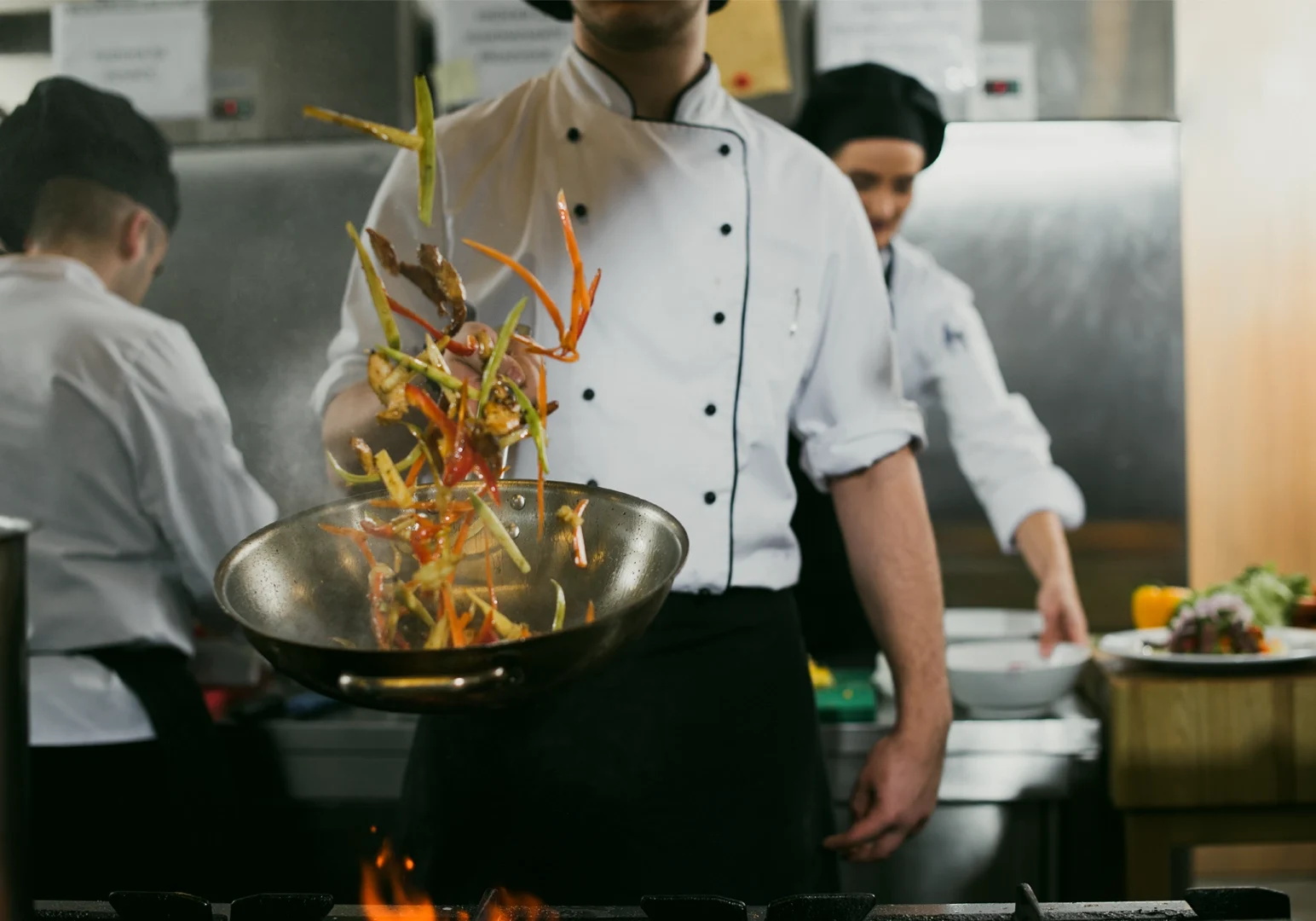
The dining room of a michelin restaurant singapore is a stage of quiet perfection—soft lighting, polished glassware, and artful plating create an effortless experience. Yet behind the scenes, the kitchen is a world apart: intense, fast-paced, and unforgiving. The relentless rhythm of knives, sizzling pans, and precise commands reveal the true labor behind every dish.
The michelin guide, first published in the early 1900s to encourage travel and boost tyre sales, introduced its star rating system in 1926. This system now defines excellence in restaurants in singapore and worldwide. But building a michelin star restaurant today demands more than inspiration; it requires rigorous discipline and flawless execution.
Precision Is the Baseline in Fine Dining Singapore Restaurants
Diners expect consistency. The perfect sear on a scallop, the exact sauce viscosity, and precise seasoning must be replicated every time. While a typical kitchen may accept 90% perfection, in michelin star restaurants, anything less is failure. Mastery comes from repetition—cooking dishes thousands of times to build muscle memory and exact timing.
When the dining room fills and orders flood in, only precision keeps the kitchen running smoothly. Every gesture, from knife angle to salt flakes, is controlled. This relentless focus on detail is what separates good cooks from exceptional chefs.
Michelin Restaurant Singapore Needs Identity Beyond Skill
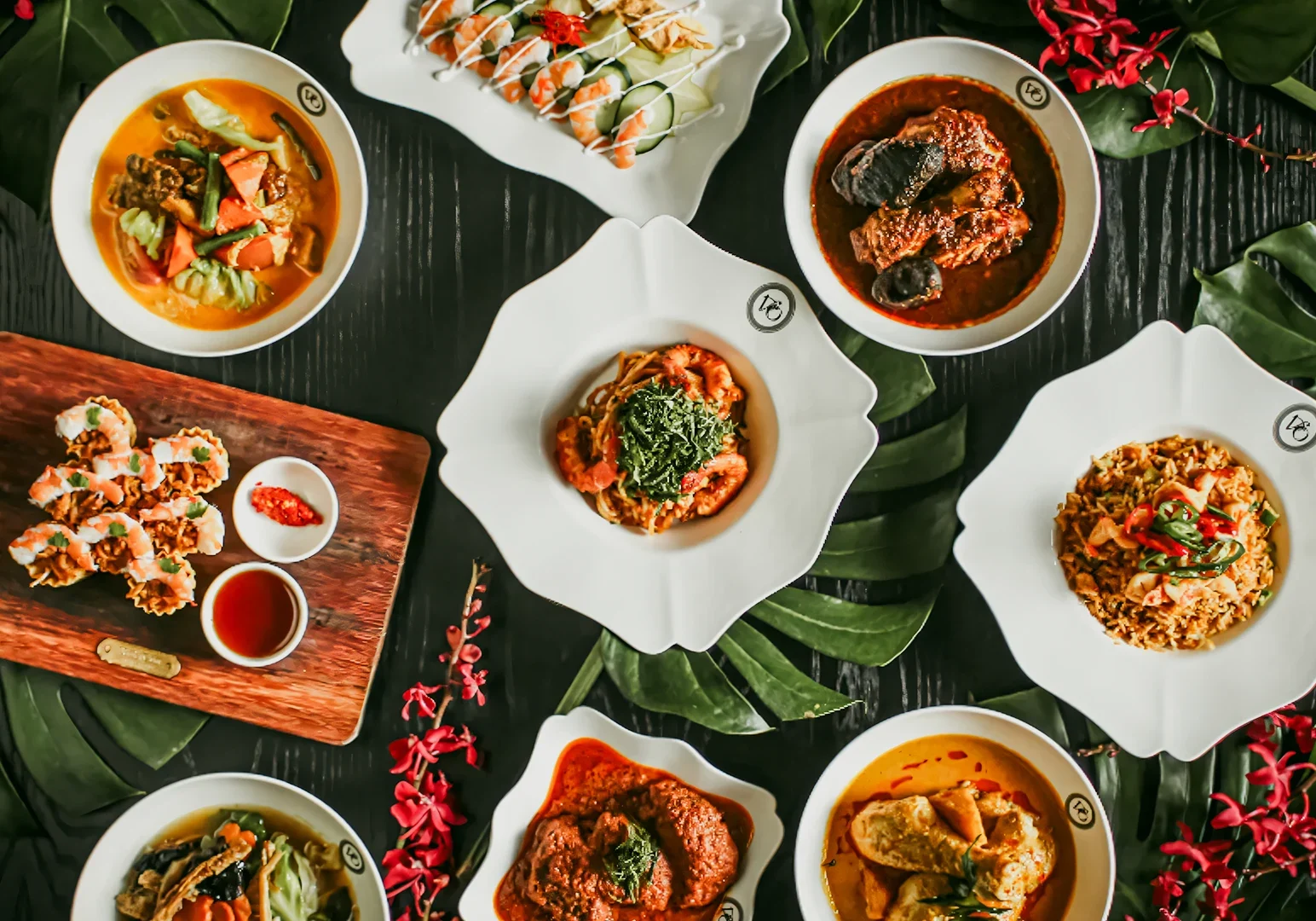
Technical skill is essential but no longer enough. Today’s michelin star restaurants must have a distinct identity—an unmistakable point of view. Their menus tell a story, reflecting the chef’s heritage, local terroir, and culinary philosophy. Without this, a tasting menu risks feeling like a random assortment of luxurious ingredients.
Singapore restaurants often blend global influences with local flavors. They incorporate regional fermentation, rare herbs, and historical tastes, creating unique dining narratives. Japanese omakase dining in singapore exemplifies this, offering intimate experiences centered on seasonal seafood flown from japan, with chefs crafting multi-course meals that showcase their skill and artistry. Reservations at places like Sushi Sakuta are often needed months ago due to their exclusivity.
A restaurant’s identity shapes everything—from ingredient sourcing to service style—ensuring diners leave with a lasting impression of a singular culinary vision.
Chef Masa’s Ingredient-Led Philosophy
One clear example of this can be seen in Chef Masa of Sushi Masa by Ki-setsu: The One Who Lets Toyosu Market Decide Everything, where identity is not built around elaborate techniques or constant reinvention, but around an unwavering commitment to ingredient-led dining.
Here, the menu is shaped daily by what arrives from Tokyo’s Toyosu Market, allowing seasonality and sourcing to define the experience. It reflects a distinctly Japanese approach to fine dining—one where restraint, precision, and trust in the ingredient form the foundation of a restaurant’s identity, aligning closely with the standards seen across the world’s most respected Michelin-starredestablishments.
Systems Behind Michelin Stars: The Backbone of Excellence
Creativity designs the menu, but systems deliver it. Michelin star restaurants operate like precision machines, managing vast labor demands through strict protocols:
- Standardized Prep: Ingredients are weighed and prepared to exact specs before service; no chopping during dinner rush.
- Station Management: Each chef controls a defined area, minimizing unnecessary movement.
- Clear Communication: The expeditor orchestrates the kitchen’s rhythm; commands are acknowledged with “Yes, Chef” to confirm understanding.
- Quality Control: Multiple checks prevent flaws from reaching the guest.
These systems enable culinary magic to unfold reliably, even under intense pressure.
The Human Cost of Excellence in Michelin Star Restaurants
The pursuit of michelin stars exacts a heavy toll. Kitchen staff endure long hours, repetitive tasks, and constant pressure. Mental resilience is as crucial as technical skill. Executive chefs must mentor while pushing teams to their limits without breaking them.
This demanding environment fosters a culture of discipline and mutual respect. Success is earned through consistency, cleanliness, and dedication. The bonds formed among chefs reflect shared sacrifice toward an impossible standard.
Why Service Matters as Much as Food in Singapore Restaurants
Michelin stars are often associated with food alone, but front-of-house excellence is equally vital. Service staff read diners’ moods, balancing warmth and discretion, anticipating needs before they arise. Timing is critical—delays can ruin a dish’s impact.
Exceptional hospitality creates emotional resonance, making guests feel wholly cared for. Achieving this demands intense training, empathy, and attention to detail, ensuring the dining experience is seamless from kitchen to table.
Building a Michelin Restaurant Singapore Comes With Unique Challenges
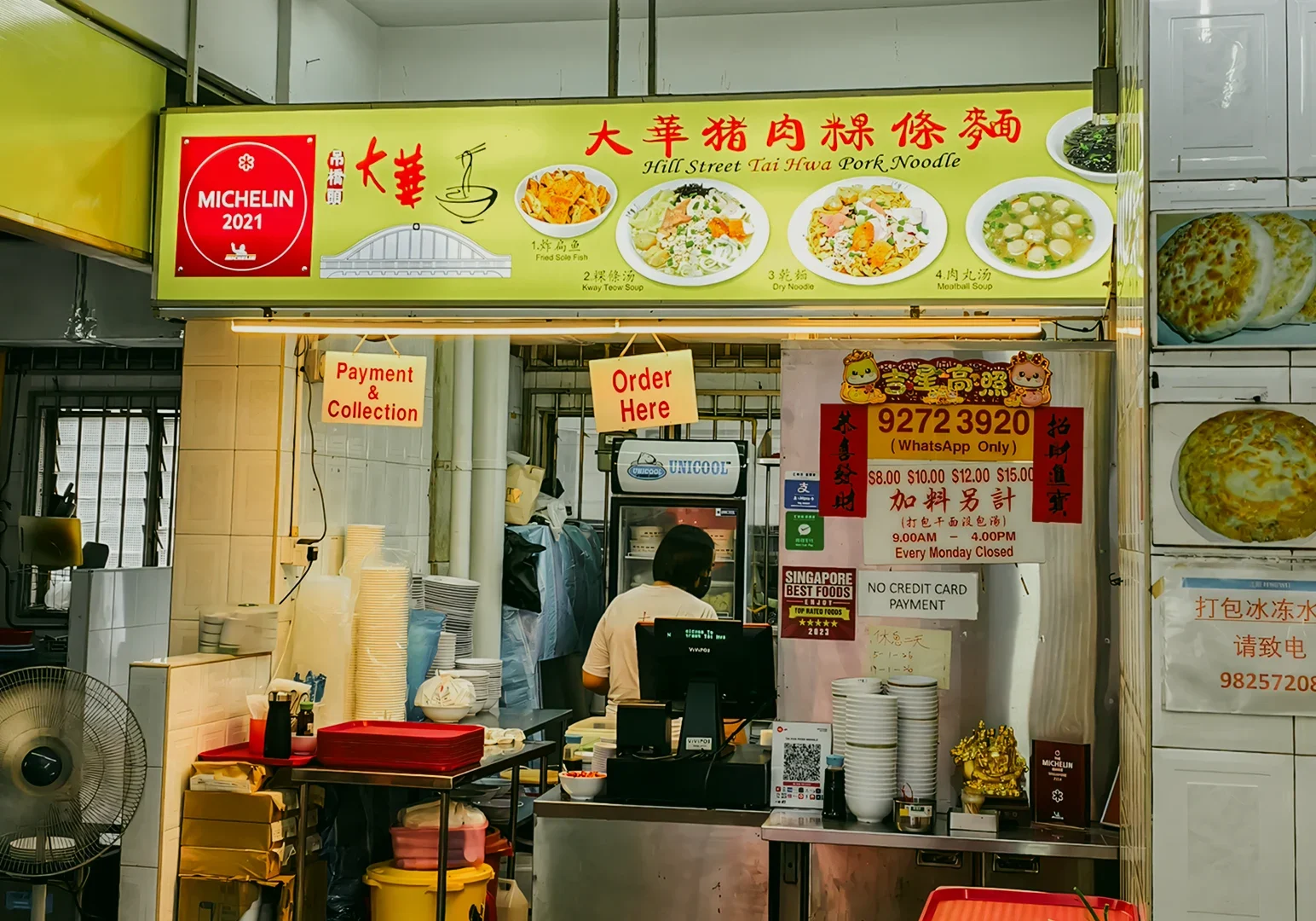
Singapore’s culinary scene is fiercely competitive. Since the michelin guide was first published here in 2016, the city-state has gained 42 starred restaurants, including three 3-starred, seven 2-starred, and 32 1-starred establishments, plus 89 bib gourmand eateries. Notable three-starred venues include Odette, Les Amis, and Zén. Hawker stalls like Hill Street Tai Hwa Pork Noodle and Hong Kong Soya Sauce Chicken Rice and Noodle made history as the first starred street food vendors, with the latter offering the world’s cheapest michelin star meal at S$2.
Restaurants like CUT by Wolfgang Puck and Waku Ghin by Tetsuya Wakuda highlight the diversity of michelin star restaurants in singapore. Sushi Sakuta, newly promoted to two stars in 2025, offers exclusive Edomae sushi experiences requiring bookings months ago.
Labor shortages due to strict foreign manpower rules challenge operations. Training chefs to michelin standards takes months, and turnover disrupts consistency. Diners in singapore are well-traveled and discerning, expecting world-class quality on par with Tokyo or Paris.
These pressures drive innovation and efficiency, pushing chefs to refine their craft continually.
The Value of a Bib Gourmand Award in Singapore’s Culinary Landscape
The bib gourmand award celebrates accessible excellence—restaurants offering three-course meals for S$45 or less without sacrificing quality. This distinction honors establishments that nourish community through flavor and craft, from traditional hawker stalls to innovative chefs reinterpreting local dishes.
Bib gourmand venues provide authentic cultural experiences without the formality of fine dining, inviting diners to explore singapore’s rich culinary heritage affordably.
The Best Michelin Star Restaurants Build for Longevity, Not Just Recognition
Sustaining michelin stars requires more than culinary skill; it demands sound business practices and team care. The restaurant industry’s thin margins necessitate balancing perfection with financial discipline.
Modern michelin restaurants prioritize staff well-being, offering career progression and rest to prevent burnout. The era of fear-based kitchen culture is fading, replaced by environments that foster growth and retention.
Longevity depends on operational excellence in both kitchen and back office, ensuring that the pursuit of stars aligns with sustainable success.
Conclusion: The Way Forward for Singapore Restaurants with Michelin Stars
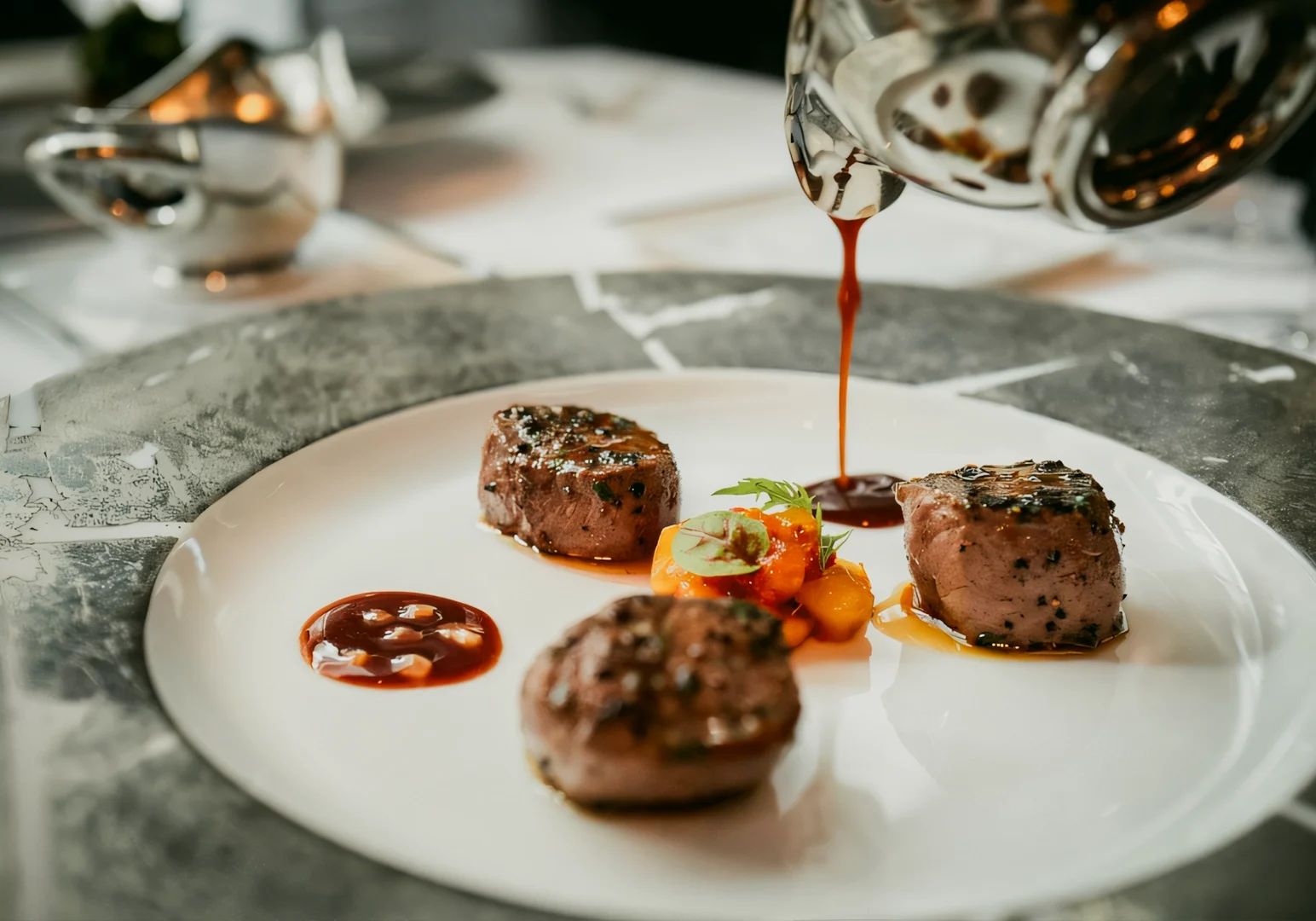
Behind every flawless dish is immense human effort, operational precision, and relentless dedication. Building a michelin restaurant singapore today is a monumental task requiring discipline, identity, and teamwork.
Next time you dine at a michelin star restaurant, consider the unseen labor that makes the extraordinary feel effortless. Whether savoring fine dining or exploring bib gourmand gems, understanding this depth enriches the experience profoundly.
For those discovering singapore restaurants, the story behind the taste adds profound appreciation to every meal.