
Chef Masa of Sushi Masa by Ki-setsu: The one Who Lets Toyosu Market Decide Everything
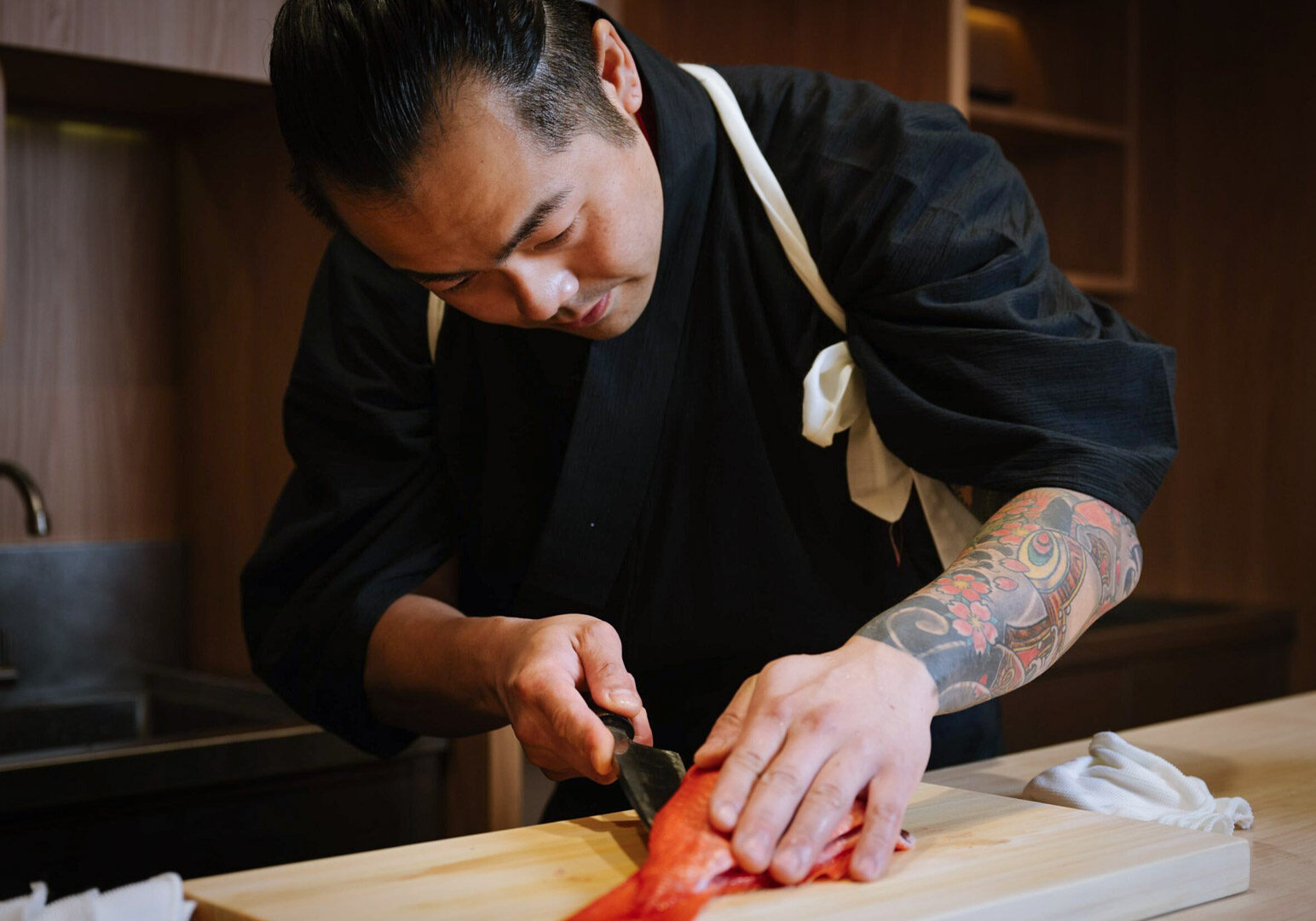
In the high-stakes landscape of Singapore’s dining scene, control is usually the currency of the realm. Menus are engineered months in advance, supply chains are locked into predictable cycles, and consistency is often achieved through the standardization of ingredients.
Yet, at a quiet counter in Cuppage Plaza, Chef Masa operates on a fundamentally different logic. He does not begin with a menu and then demand the ingredients to match it. He begins with the ingredient, and allows it to dictate everything else.
This is not merely a preference for freshness; it is a submission to the natural order of the market. For Chef Masa, the creative process does not start in the kitchen, but in the auctions of Japan. The menu at Sushi Masa by Ki-setsu is not a fixed document but a daily reaction to what the ocean has provided and what the purveyors at Toyosu Market have deemed worthy of export.
It is a discipline that requires a specific kind of humility. To run a restaurant this way is to accept that you are not the master of the ingredient, but its servant. While other chefs might strive to impose their signature style upon a piece of fish, Chef Masa’s approach is one of radical listening. He waits to see what arrives, and only then does he decide how the evening will unfold.
A Counter Built Around What Arrives
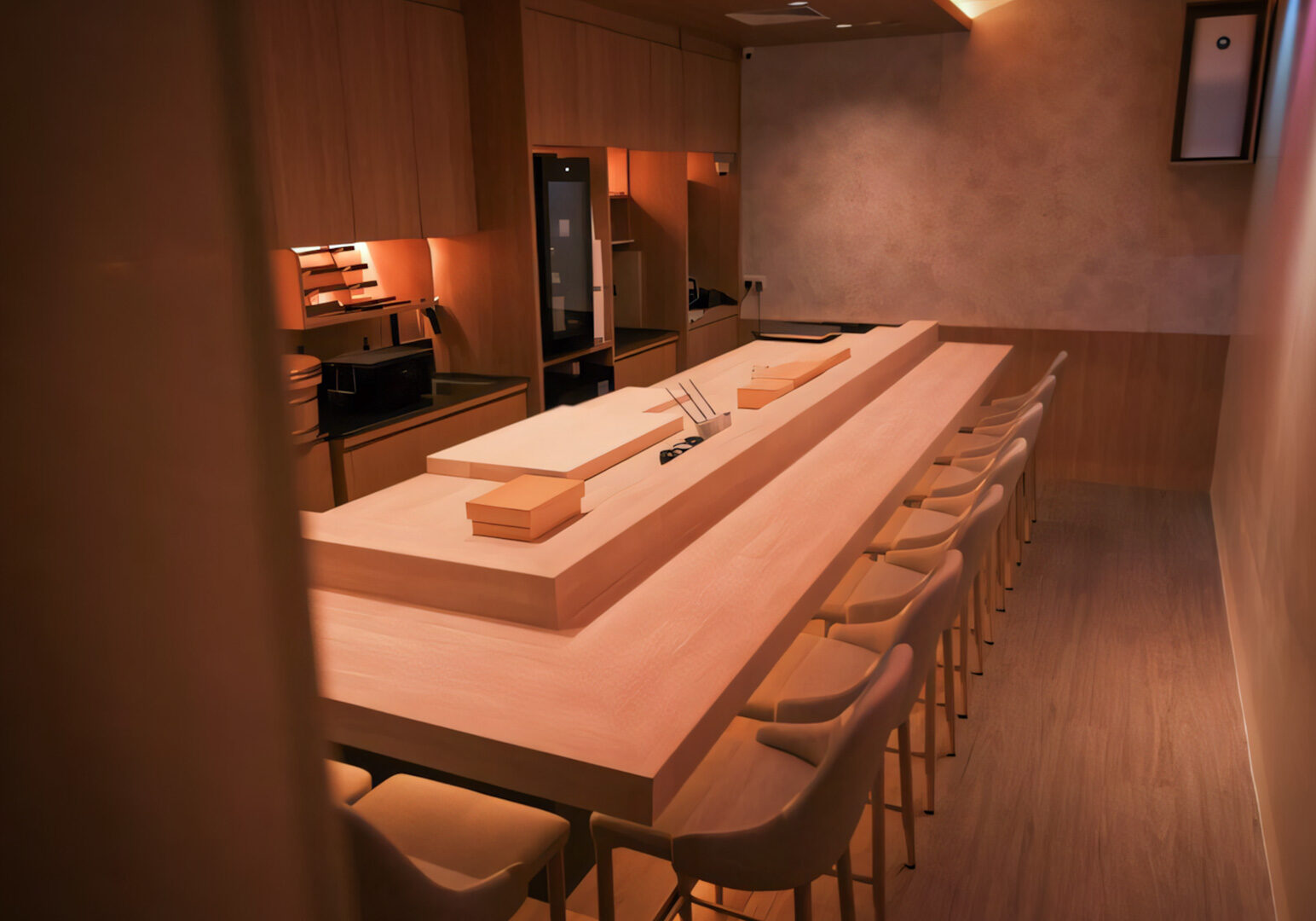
The physical footprint of the restaurant is the first indication of this philosophy. Located at Level 6, Cuppage Plaza, Singapore, the space is intimate to the point of secrecy. It houses an 8-seat omakase counter, a number that might seem arbitrarily exclusive to the casual observer. However, this seating capacity is not an aesthetic affectation, nor is it a marketing strategy designed to manufacture scarcity. It is the honest arithmetic of Chef Masa’s sourcing practice.
When ingredients are flown daily from Toyosu Market, Japan, the quantity of truly exceptional produce is finite. There is a limit to how much premium uni or wild-caught maguro of a specific grade can be secured on any given morning without compromising quality.
If the restaurant were to seat twenty people, the rigorous standards Chef Masa applies to his sourcing would inevitably fracture. He would be forced to blend the extraordinary with the merely good.
By capping the service at 8 seats, the restaurant ensures that the integrity of the supply chain remains unbroken. Every guest at the counter is eating the same caliber of fish, from the same limited shipment.
The architecture of the room is simply a container for the inventory. It creates an environment where the focus is relentlessly narrow, stripping away the peripheral noise of a busy dining room to leave only the chef, the guest, and the fish that arrived that morning.
The Toyosu Discipline — When the Market Sets the Menu
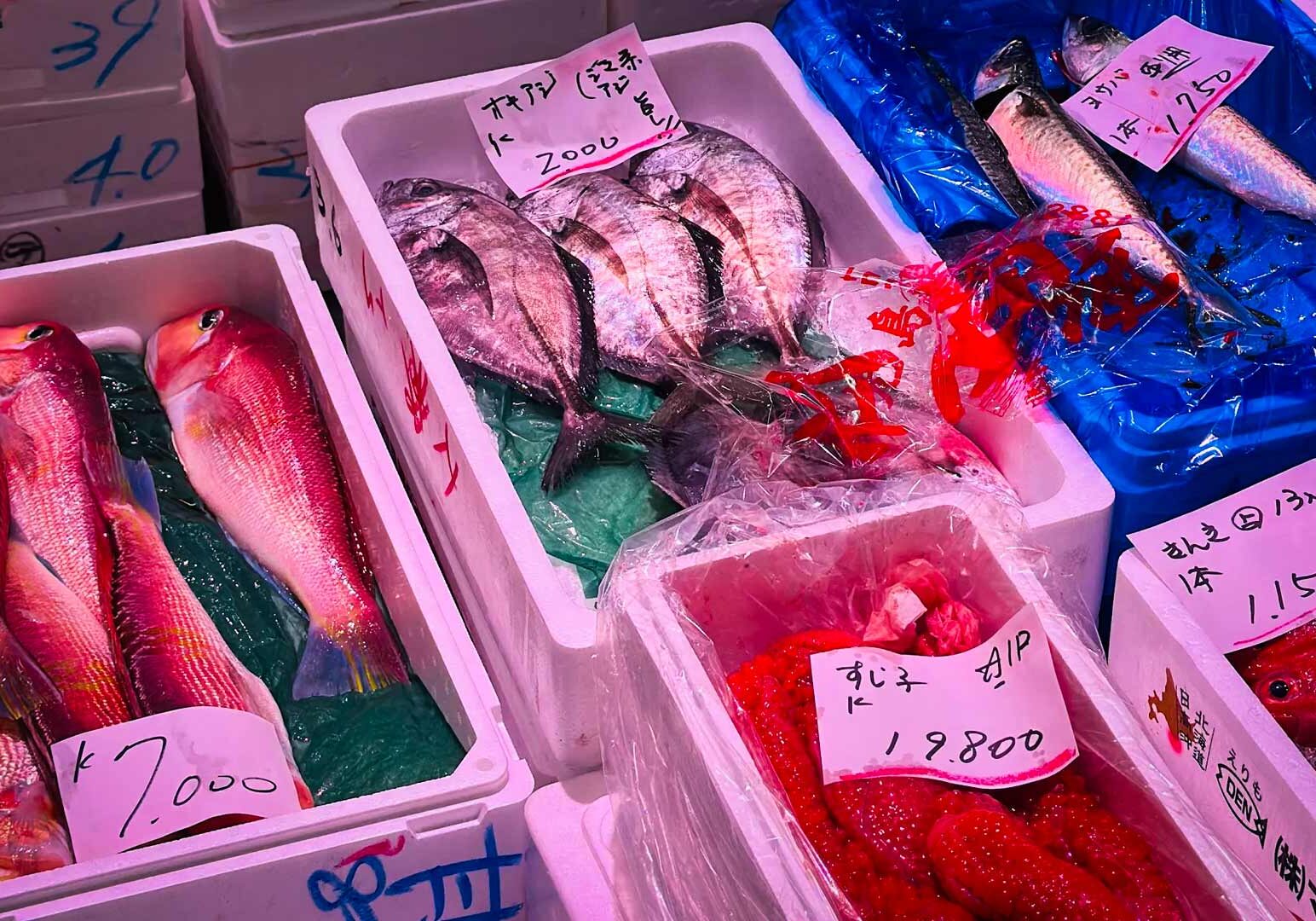
The operational heart of Sushi Masa by Ki-setsu beats in sync with the rhythms of Tokyo. The reliance on Toyosu Market is total. This is one of the world’s most respected fish markets, a place where grading is severe and reputation is everything. For Chef Masa, the relationship with his suppliers is the single most important element of his craft.
Most restaurants operate with a safety net of frozen stock or alternative suppliers. Here, the wire is walked daily. Ingredients flown daily from Toyosu Market, Japan arrive in Singapore carrying the specific signature of the season and the weather conditions of the previous day. Because the ocean is unpredictable, the menu must be fluid. Consequently, the offering changes daily — no fixed menu exists until the shipment has been inspected.
This requires a distinct form of culinary agility. Chef Masa cannot rely on the muscle memory of preparing the same set list for three months. He must possess an encyclopedic knowledge of marine biology and texture, ready to adjust his aging techniques, his curing times, and his knife work based on the specific fat content and density of the fish in front of him.
It is a high-wire act of improvisation, grounded in years of technical rigor. To dine here is to witness a chef working in real-time response to his materials, rather than executing a pre-planned script.
What It Means to Prepare Every Dish Personally
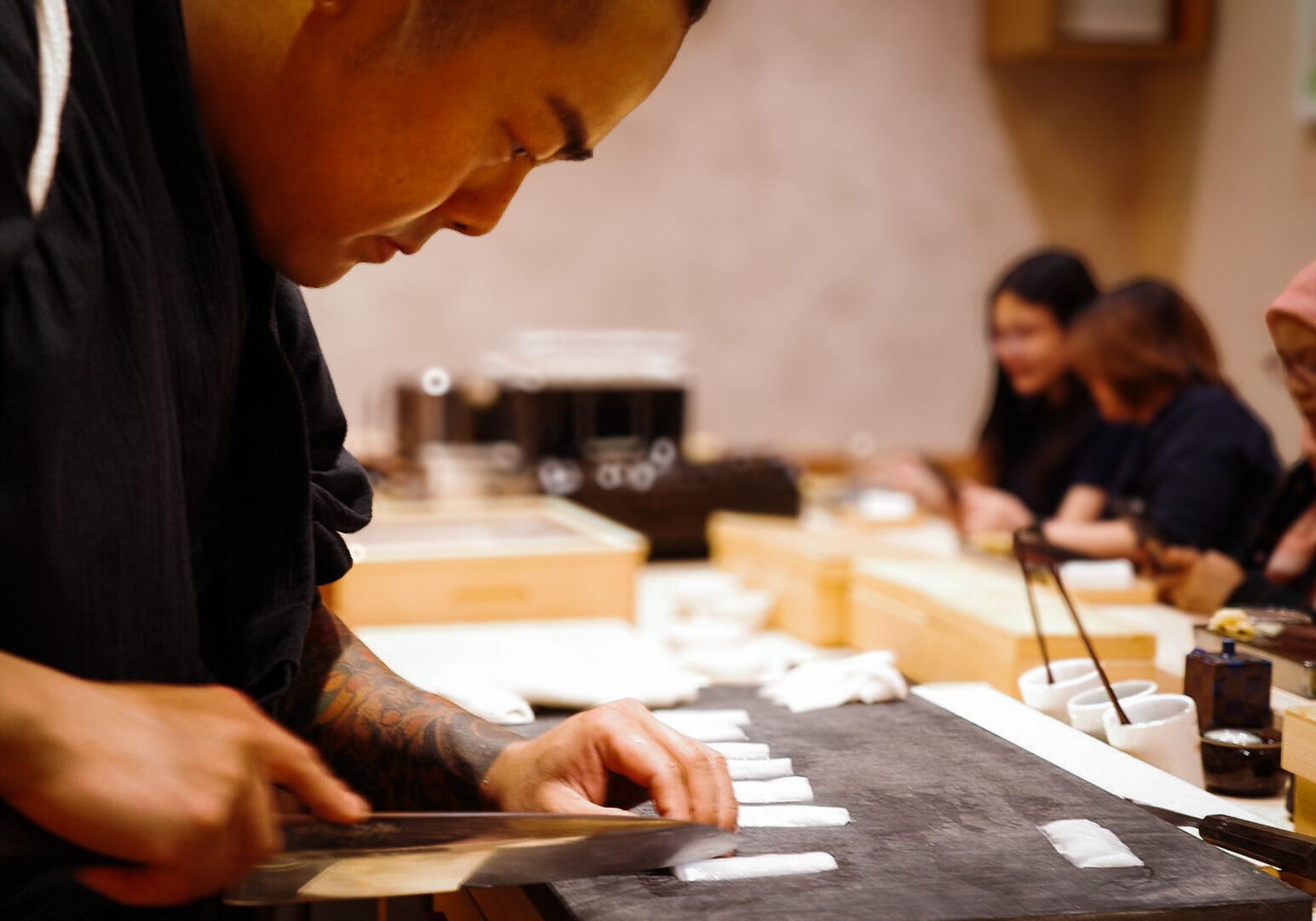
In an era where "chef-driven" concepts often see the titular chef stepping back into a supervisory role, Chef Masa remains anchored to the cutting board. Chef Masa personally prepares every dish for every guest seated at his counter. At a larger establishment, this would be a logistical impossibility.
At an 8-seat omakase counter, it is a promise kept.
This absence of intermediaries is crucial. When a chef handles the fish from the moment it is unpacked to the moment it is placed in the diner’s hand, there is no dilution of intent. The temperature of the rice, the amount of wasabi, and the pressure applied during the shaping of the nigiri are all controlled by a single mind and a single pair of hands.
There is a profound silence to this kind of work. It is the silence of undivided attention. When Chef Masa slices a piece of shimaji or otoro, he is engaging in a tactile conversation with the protein, assessing its readiness and its needs.
The guest, sitting mere inches away, becomes a participant in this intimacy. There is no line cook to blame, no expeditor to manage the flow. There is only the chef and the plate. This direct transmission of craft creates a dining experience that feels heavy with purpose, where every course is a personal communication from the chef to the patron.
Sixteen Courses+No Script
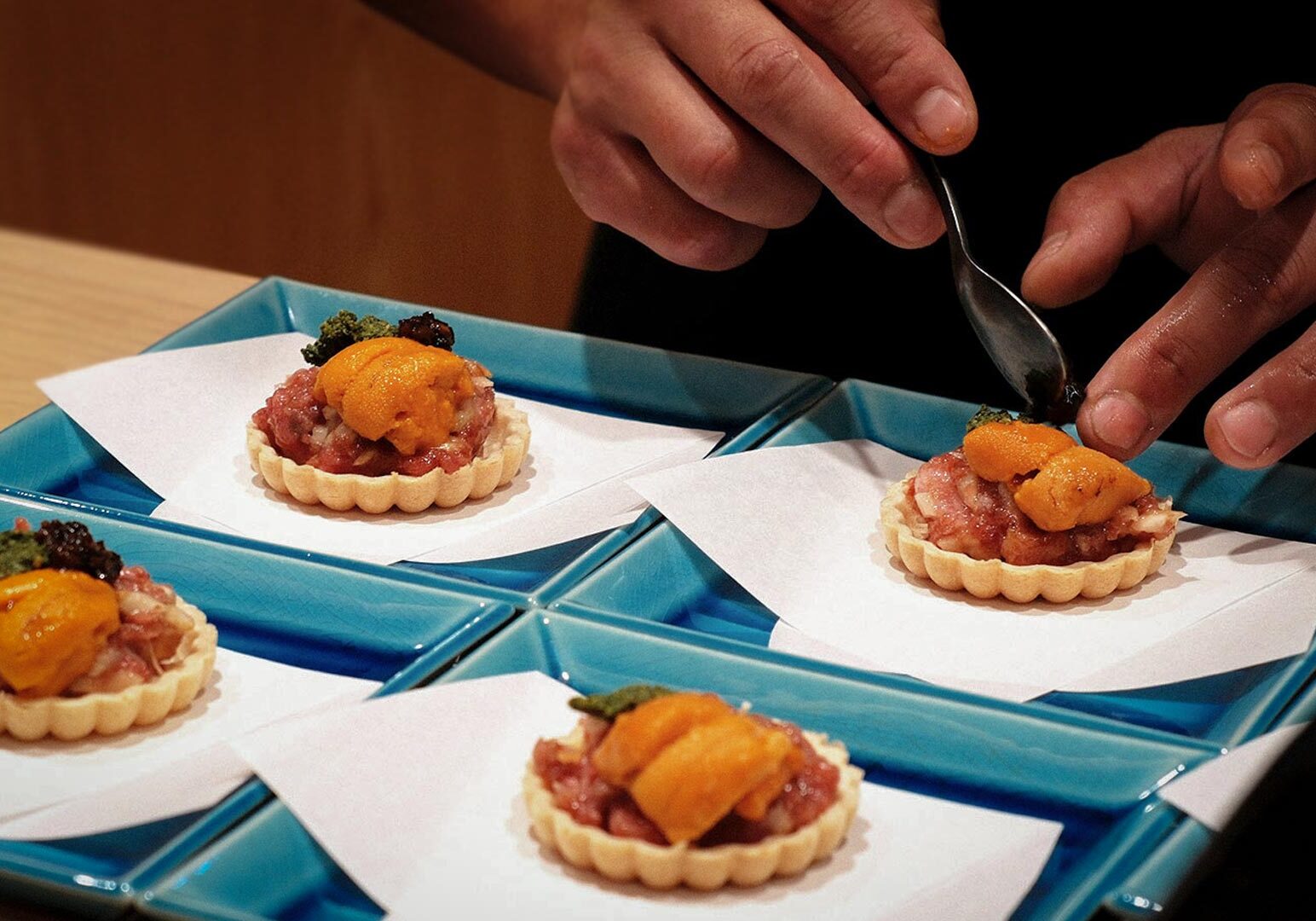
The structure of the meal reflects this fluidity. A dinner at Sushi Masa by Ki-setsu typically spans 16 or more seasonal courses and unfolds over a duration of 2–3 hours. Because the menu is unscripted, the pacing and the progression of flavors are determined by the day’s yield.
On a day when the shellfish is particularly sweet and abundant, the menu might lean heavily into crisp, textural openings. On another day, when the deep-sea currents have yielded rich, oily fish, the progression might be deeper and more savory.
This variability ensures that no two evenings are identical. The regular guest does not return for a signature dish; they return to see how the season is shifting.
This approach demands patience from the diner. It asks them to surrender their preferences to the chef’s judgment. It is a form of dining that mirrors the Japanese concept of omakase in its purest sense—"I leave it up to you."
But in Chef Masa’s case, he is effectively saying, "I leave it up to the market." The sixteen courses or more are the shape that the ingredients take on that specific evening, a temporal snapshot of the ocean’s offering, captured and refined for a few hours in Singapore.
The Practical Reality — Booking, Pricing, and Hours
Accessing this level of sourcing discipline requires planning. The operational constraints that ensure quality also create scarcity.
- Booking: Advance booking essential — often weeks to months in advance. The 8-seat limit means inventory for seats is just as tight as the inventory for fish.
- Operating Hours: The restaurant is open for Dinner only, Tuesday to Saturday. It is Closed Mondays. Private bookings available Sundays.
- Pricing: The menu is priced From $230 per person, with Premium menu from $320 per person.
This pricing structure reflects the immense logistical cost of flying ingredients in daily and the labor intensity of a single chef serving a single seating. It is the cost of efficiency sacrificed for quality.
The Ingredient Obsession at Its Most Distilled
Sushi Masa by Ki-setsu is not a restaurant designed for the impatient or the inflexible. It is a sanctuary for those who understand that the greatest luxury in food is not gold leaf or truffle oil, but the purity of an ingredient that has travelled from the sea to the plate with its integrity intact.
Every decision Chef Masa makes—from the 8 seats to the daily menu changes—flows from one foundational commitment: that the ingredient decides. He has built a space where the ego of the chef is secondary to the quality of the fish. In a culinary world that often shouts for attention, Chef Masa has chosen to whisper, confident that for those who are listening, the produce will speak for itself.
This profile is part of the chef feature series by Top Singapore Restaurants, highlighting ingredient-driven dining in Singapore.