
Fusion or Tradition? My Journey Through Singapore’s Modern Dining Scene
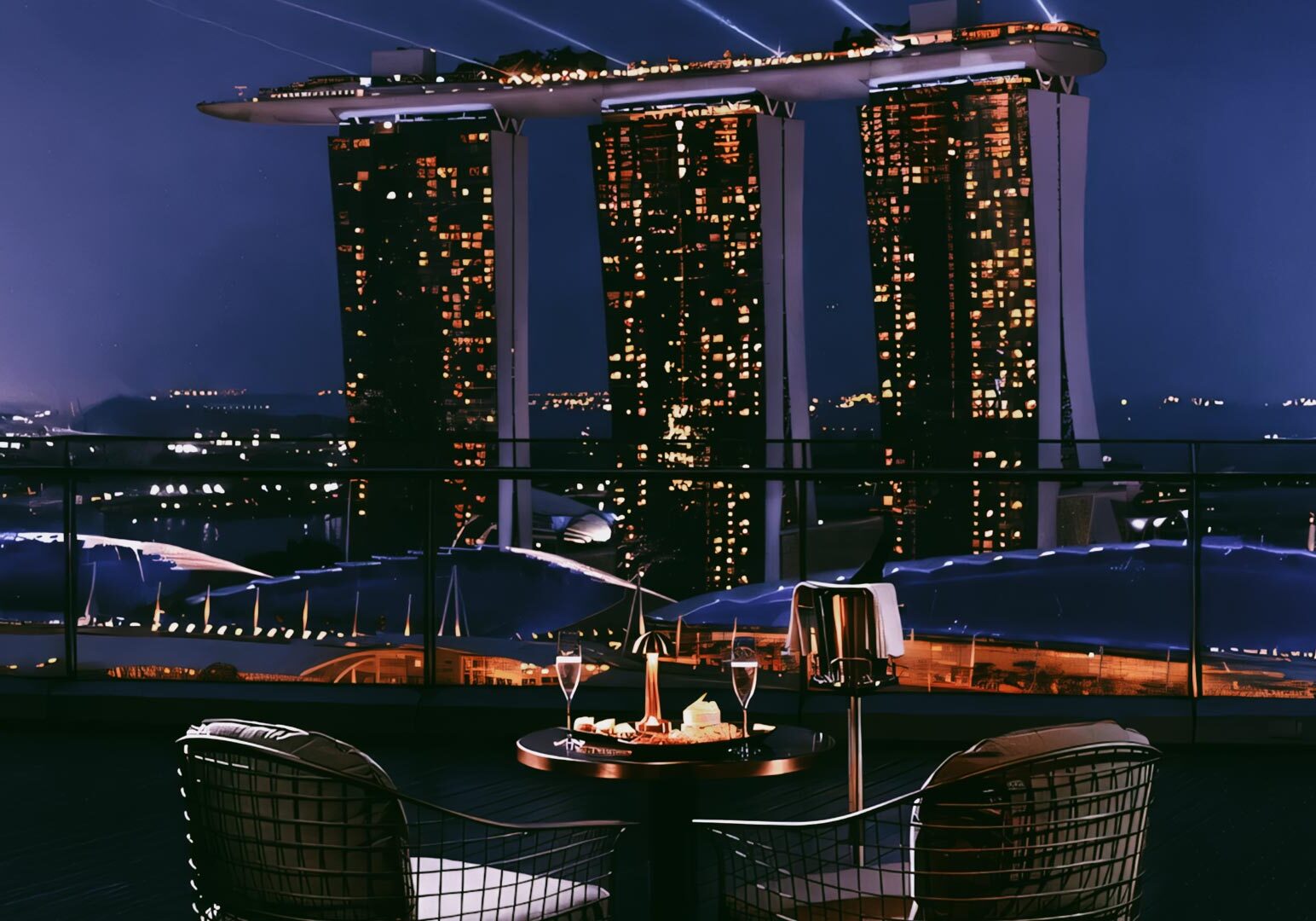
There is a quiet tension in Singapore’s dining scene, a respectful dialogue between the past and the present that plays out on the plates of our most ambitious restaurants. I’ve spent countless evenings in these spaces, watching as chefs take on the formidable task of reinterpretation. They are not merely cooking; they are acting as curators, historians, and artists, tasked with handling the fragile inheritance of our culinary lineage. The question that always lingers in my mind is this: where does tradition end and fusion begin? And more importantly, does the distinction still matter?
Singapore's dining scene is where tradition meets innovation, with chefs blending the flavors of the past with modern culinary techniques to create something truly unique.
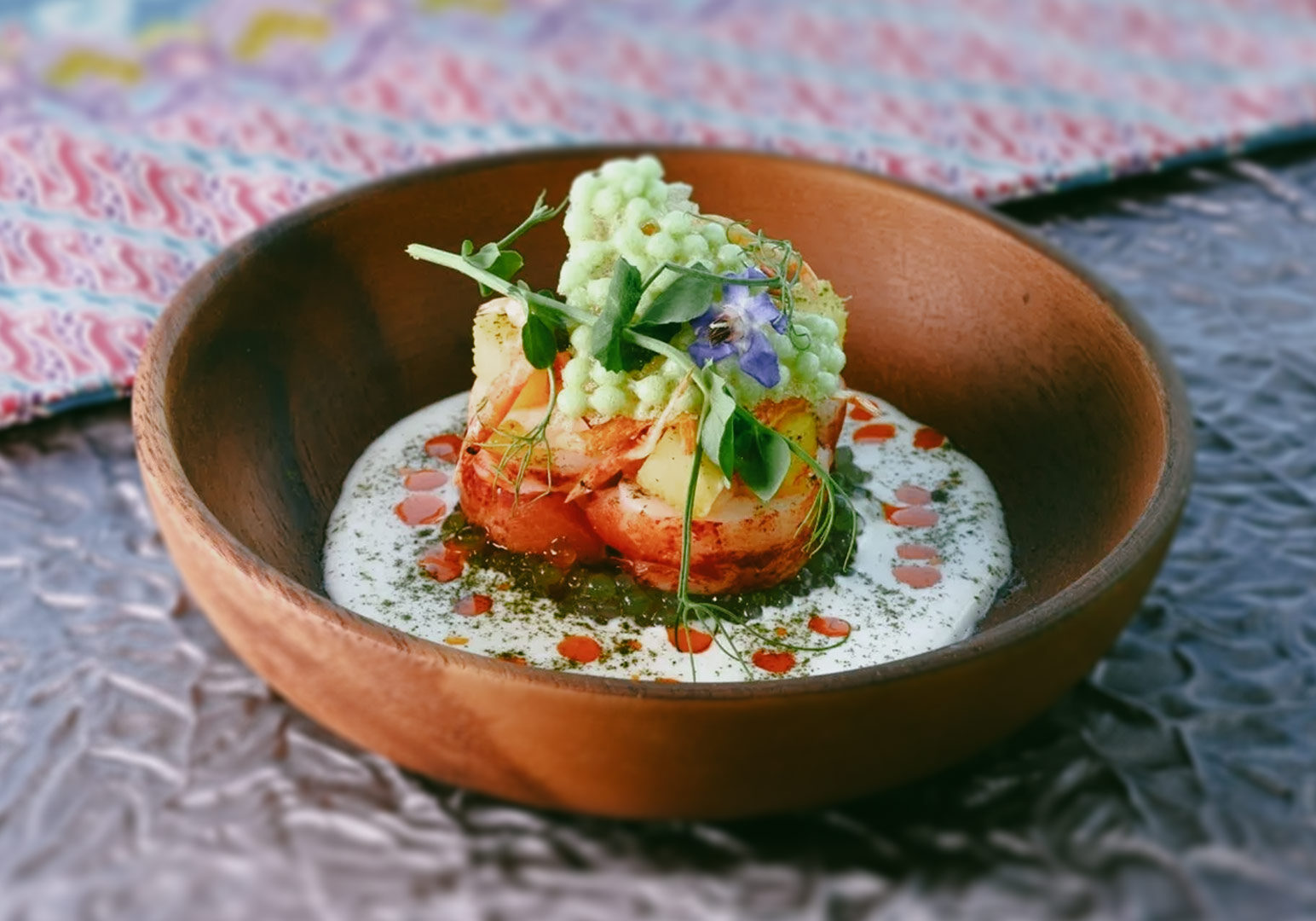
Visiting these modern restaurants feels like a journey through a living museum. A dish arrives, and its form is new—a deconstructed laksa, a rendang presented with the precision of French haute cuisine, or a kueh salat transformed into a delicate mousse. The initial impression is one of intellectual curiosity. I admire the technique, the artistry, the sheer courage it takes to disassemble something so beloved and reassemble it for a contemporary audience. It is an act of both reverence and rebellion.
The first bite is often the moment of truth. It is here that the chef’s intention becomes clear. A successful reinterpretation does not erase the original; it illuminates it. The familiar notes of galangal, lemongrass, or gula melaka sing through, not as a faint echo, but as a clear, resonant chord. It is a flavor that triggers memory, connecting this new, unfamiliar creation to generations of cooks who have prepared the same dish in kitchens and hawker stalls across the island. When this connection is made, the dish transcends mere fusion. It becomes an evolution.
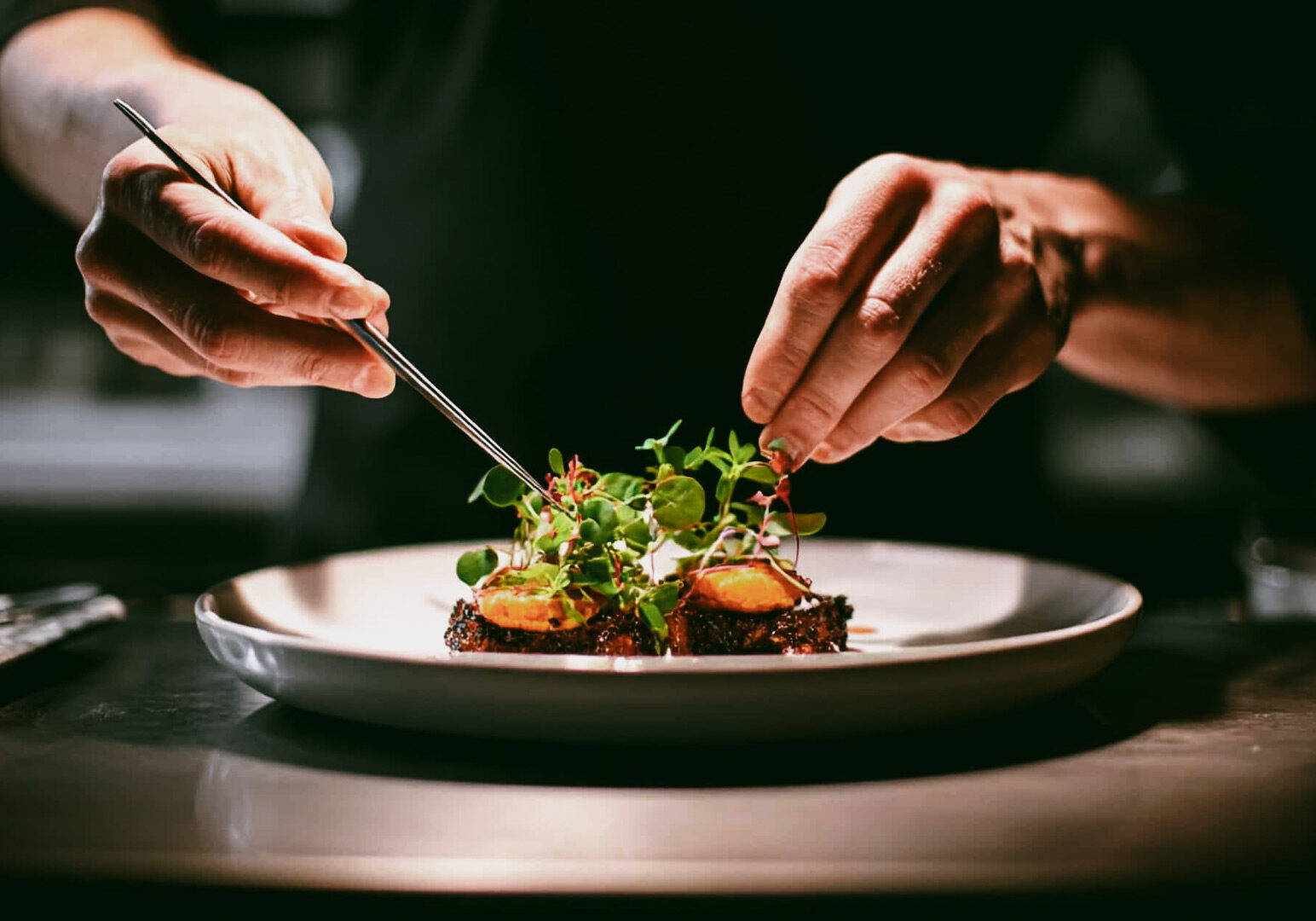
However, there is a fine line between evolution and erasure. I have also tasted dishes where the soul of the original has been lost in translation. The pursuit of novelty can sometimes lead to a dilution of character, where the very essence of a heritage recipe is sacrificed for the sake of a clever technique or a beautiful presentation. In these moments, the food feels hollow, like a conversation where all the most important words have been left unsaid. It is a reminder that tradition is not a static object to be played with, but a living practice that demands deep understanding.
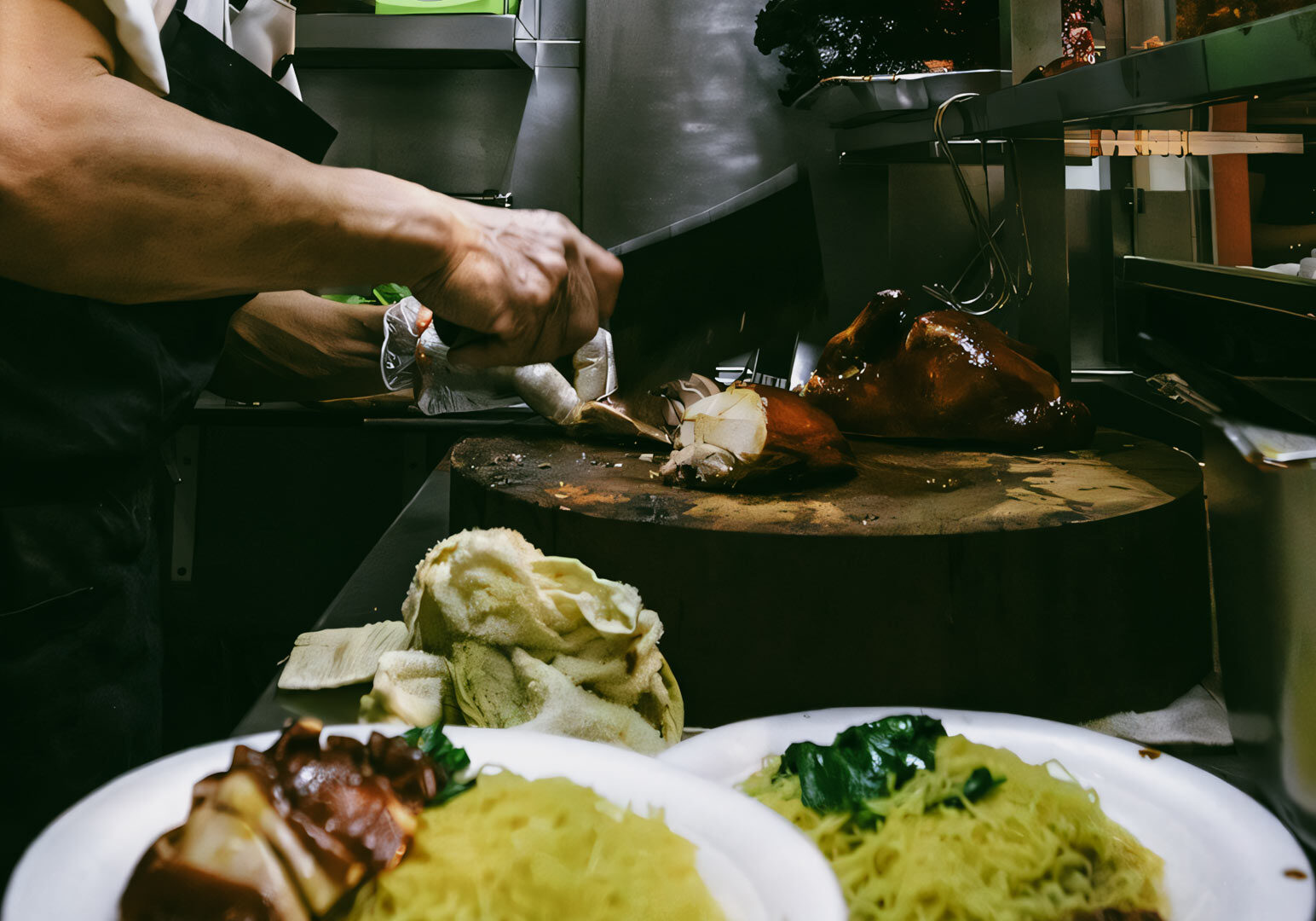
What I have come to appreciate is that the most compelling modern Singaporean cuisine is not about choosing between fusion and tradition. It is about holding both in delicate balance. The chefs who succeed are those who demonstrate a profound respect for their source material. They have done the work. They understand the history, the cultural context, and the emotional significance of the dishes they are reimagining. Their innovation is born not from a desire to be different, but from a desire to see something familiar with new eyes.
This kind of restraint is not limited to local reinterpretations. It can also be seen in approaches where the role of the chef is not to transform, but to reveal. In experiences shaped by a philosophy of ingredient-led dining, such as those guided by daily selections from Tokyo’s Toyosu Market; there is a similar quiet discipline at play.
Here, tradition is not reworked or reimagined, but carefully preserved and expressed through timing, precision, and trust in the ingredient itself, offering a different perspective on how heritage can continue to evolve without losing its voice.
Ultimately, this culinary movement reflects Singapore’s own identity. We are a nation built on adaptation, on absorbing influences from across the world while holding fast to our roots. Our modern chefs are simply continuing this story. They are proving that tradition is not a monument to be admired from a distance, but a foundation upon which new and beautiful things can be built. Each thoughtful dish is a contribution to our ongoing cultural narrative, a delicious chapter in the story of who we are.