
What Makes a Restaurant Feel Timeless Rather Than Trendy
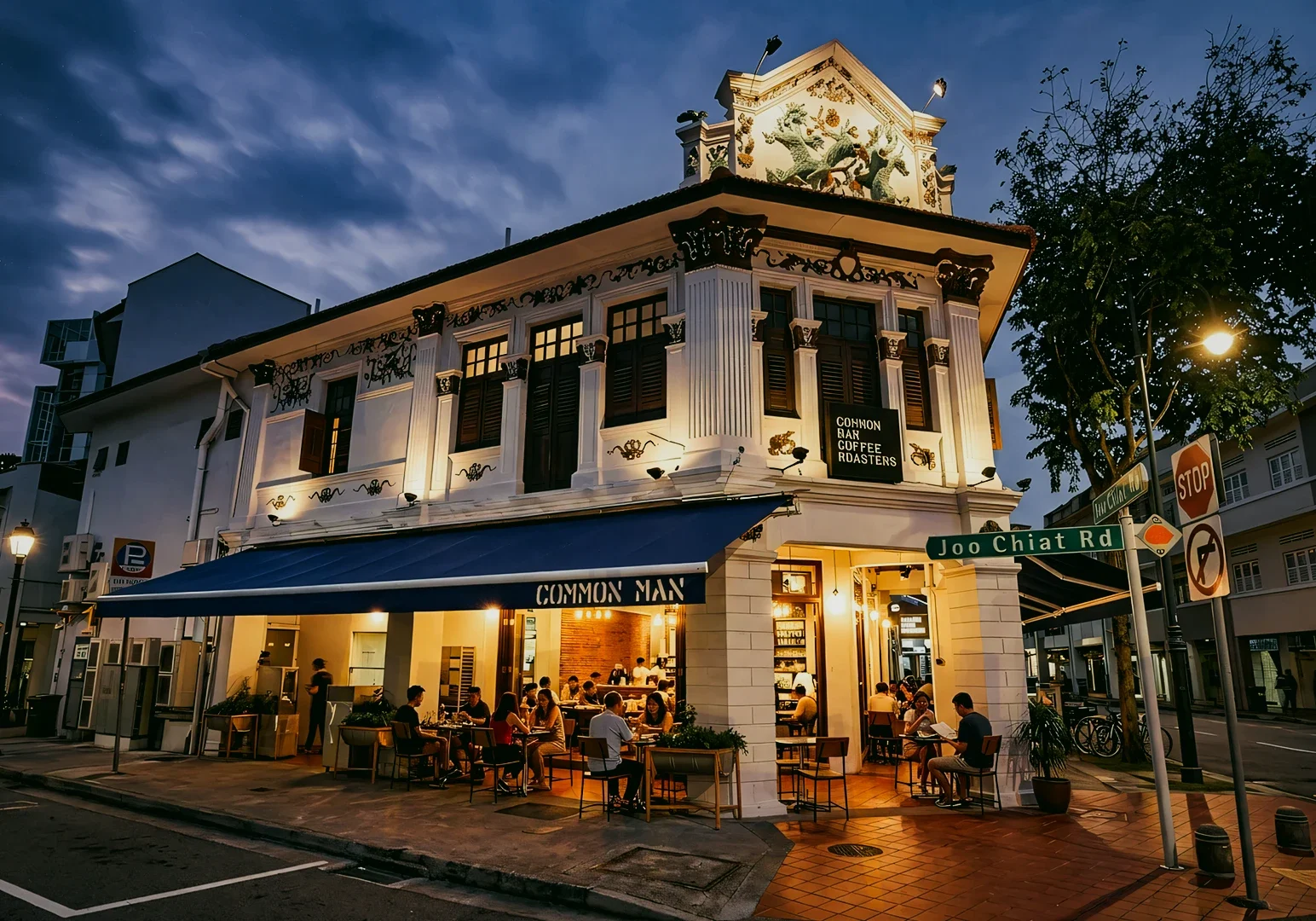
There is a particular kind of restaurant that rarely announces itself loudly. It does not rely on queues stretching into the corridor, nor does it redesign its interiors every few years to keep pace with shifting tastes. Yet somehow, decades later, people still return.
I was reminded of this while walking through Joo Chiat on a humid weekday evening. The neighborhood has changed considerably over the years. Old provision shops now sit beside minimalist cafés, and heritage shophouses have become polished dining rooms. But tucked between them are restaurants that seem almost untouched by time. Their signs have faded slightly. The tables remain close together. The service is warm without becoming performative.
While many Top Singapore Restaurants today occupy polished lifestyle districts and luxury developments, some of the city’s most enduring dining experiences still live quietly within neighborhoods like Joo Chiat and Katong.
Inside one such dining room, three generations shared dinner quietly over a spread of braised pork, steamed fish, and soup prepared without spectacle. No one photographed the food. The meal simply unfolded at its own pace.
Timeless restaurants often share this quality of restraint. They do not chase relevance because they are rooted in something deeper than novelty. In Singapore, many of these places exist within neighborhoods rather than lifestyle districts — in Katong, Tiong Bahru, Balestier, or the older corners of Chinatown — where they remain woven into everyday routines rather than destination dining culture.
The food itself also reflects a certain confidence. Recipes are not constantly reinvented to appear modern. A bowl of laksa tastes the way returning customers remember it. A familiar sambal carries the same measured heat it did years ago. Consistency, in these spaces, is not stagnation but continuity.
What ultimately makes a restaurant feel timeless is not perfection. It is the accumulation of memory. The feeling that a place has quietly accompanied people through birthdays, reunions, ordinary weekday dinners, and changing phases of life.
Trends move quickly because they are built around attention. Timeless restaurants endure because they are built around trust. In a city that changes as rapidly as Singapore does, that quiet sense of permanence becomes increasingly rare — and increasingly meaningful.