
Chinese Cuisine Singapore Through One Chef’s Pursuit of Authenticity
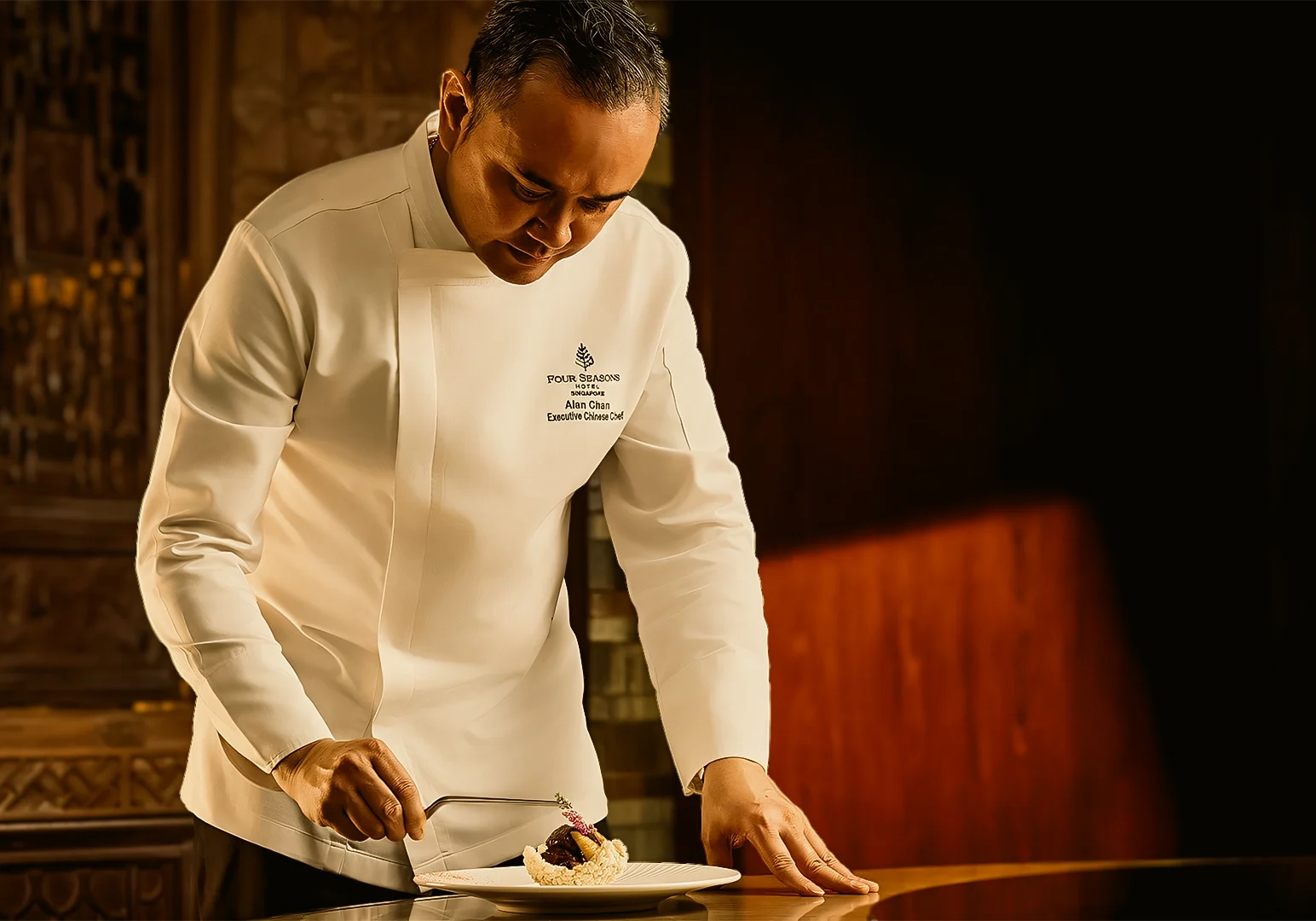
In the bustling kitchens of Singapore’s Chinese restaurants, Chef Alan Chan embodies the dedication to preserving the rich heritage of Chinese cuisine Singapore.
From the fragrant steam of aged ginger to the precise folding of delicate dumplings filled with crab meat and pork, Chef Chan’s commitment reflects the diversity of Chinese food rooted in traditions from Beijing to Teochew and Cantonese cuisine.
For those looking to explore how these traditions unfold across the city’s dining landscape, topsingaporerestaurants.com offers a closer look at the places where these techniques, flavours, and stories continue to evolve—connecting diners not just to meals, but to the wider narrative of Chinese cuisine Singapore.
The Chef’s Journey: Bridging Tradition and Modernity in Chinese Restaurants
Starting in a humble Cantonese restaurant, Chef Chan's early years instilled a respect for the finest ingredients and traditional techniques. His travels exposed him to modern culinary styles, but he chose to elevate ancestral recipes rather than chase fleeting trends. His approach blends time-honored flavors with the clean presentation expected by today’s diners, preserving cantonese flavours while innovating the dining experience.
Defining Authenticity in Chinese Cuisine and Cantonese Flavours
Authenticity, according to Chef Chan, is about honoring the spirit of traditional dishes while adapting to local ingredients and modern kitchens. For example, wok hei—the smoky essence of stir-frying—is achieved not by strict fuel types but by mastering heat control and timing. This philosophy extends to substituting fresh local produce for imported items, ensuring dishes remain delicious and relevant without sacrificing tradition.
Challenges in Preserving Authenticity at Chinese Restaurants in Singapore
Sourcing the finest ingredients like aged soy sauces and dried scallops is increasingly difficult as artisan producers retire. Chef Chan also faces the challenge of educating diners accustomed to sweeter, heavier versions of dishes like sweet and sour pork. His staff serve as cultural ambassadors, explaining the subtlety behind signature dishes such as braised pork belly and super peking duck, enhancing the overall dining experience.
Labor-intensive preparations, including hand-folding dumplings and slow-simmered master stocks, demand justification to investors but are essential for delivering the depth of flavor that defines the best chinese restaurants.
Signature Dishes That Tell a Story in Chinese Cuisine Singapore
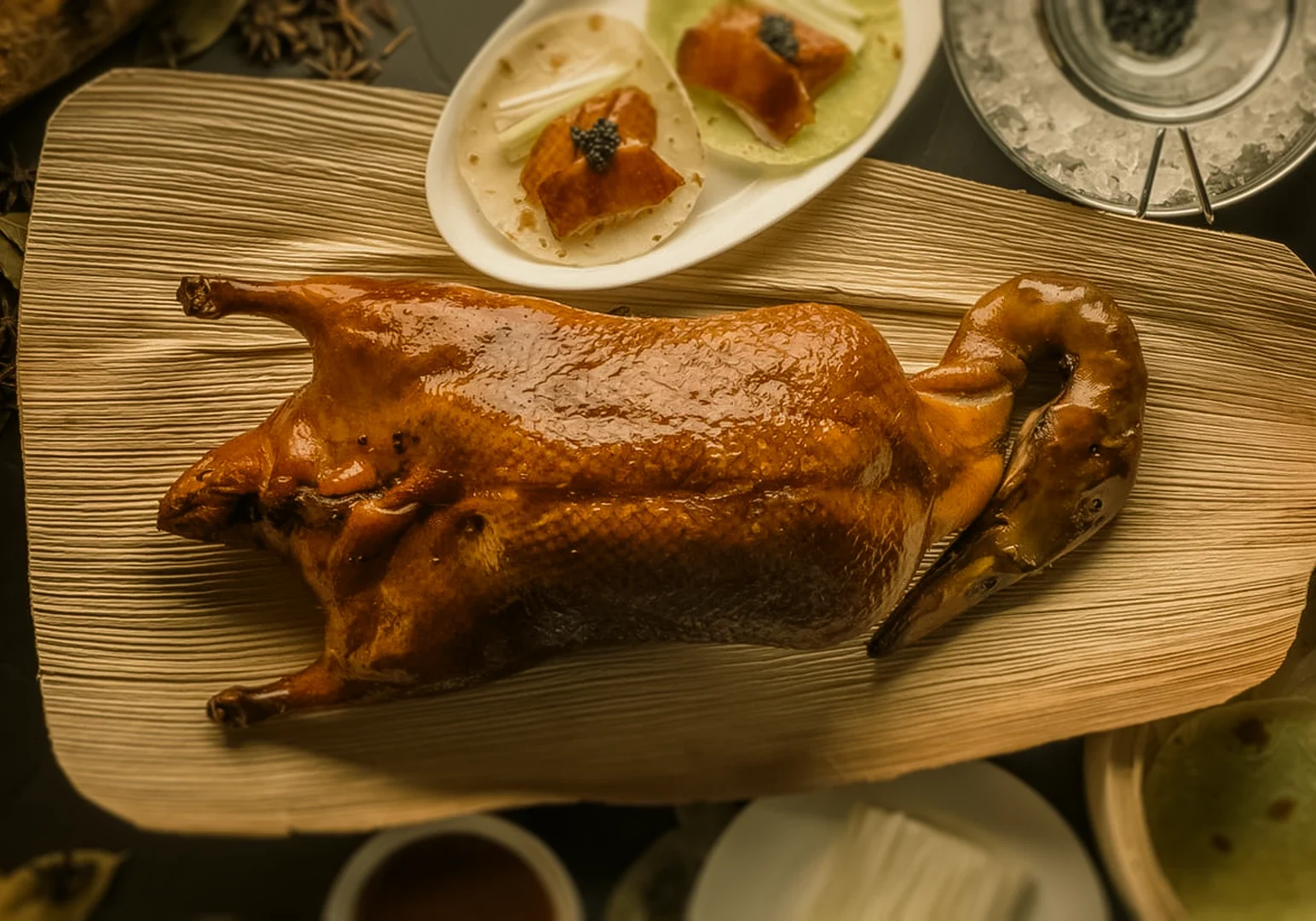
Chef Chan’s menu features signature dishes that showcase his philosophy. The double-boiled chicken soup is clear yet rich, simmered for hours with premium dried scallops and mushrooms. His braised pork belly is refined, served in delicate portions balanced by pickled mustard greens. Popular dishes like crispy chicken smoked with tea leaves, roast duck, and Peking duck—served traditionally with pancakes and hoisin sauce—are staples across the city’s best chinese restaurants.
Black pepper crab highlights the bold flavors of Singapore’s seafood scene, while black truffle adds luxury to dim sum and dumplings. Desserts such as chilled almond cream, yam paste, and pumpkin sweets provide a sweet, nourishing conclusion to the meal, emphasizing flawless execution over indulgence.
Local favorites like Char Kway Teow, Bak Kut Teh, white pepper crab, and hawker classics such as Hokkien Mee enrich the city’s culinary tapestry. The rise of Sichuan and Hunan dishes like mala grilled fish and mapo tofu reflects Singapore’s evolving palate. Hainanese chicken rice, often hailed as the national dish, and Teochew cuisine’s steamed pomfret and oyster omelette underscore the diverse offerings available.
Regional Chinese Food: Beyond Cantonese Traditions
Singapore’s chinese restaurants in singapore showcase a variety of regional cuisines. Teochew cuisine emphasizes freshness and subtle seasoning with dishes like steamed pomfret and chilled crab. Sichuan cuisine offers bold, spicy flavors with mapo tofu and Kung Pao chicken. Hakka cuisine features comforting dishes such as stuffed tofu and salt-baked chicken. This diversity allows diners to explore the full spectrum of Chinese culinary traditions in one city.
Fine Dining Options in Singapore’s Chinese Culinary Scene
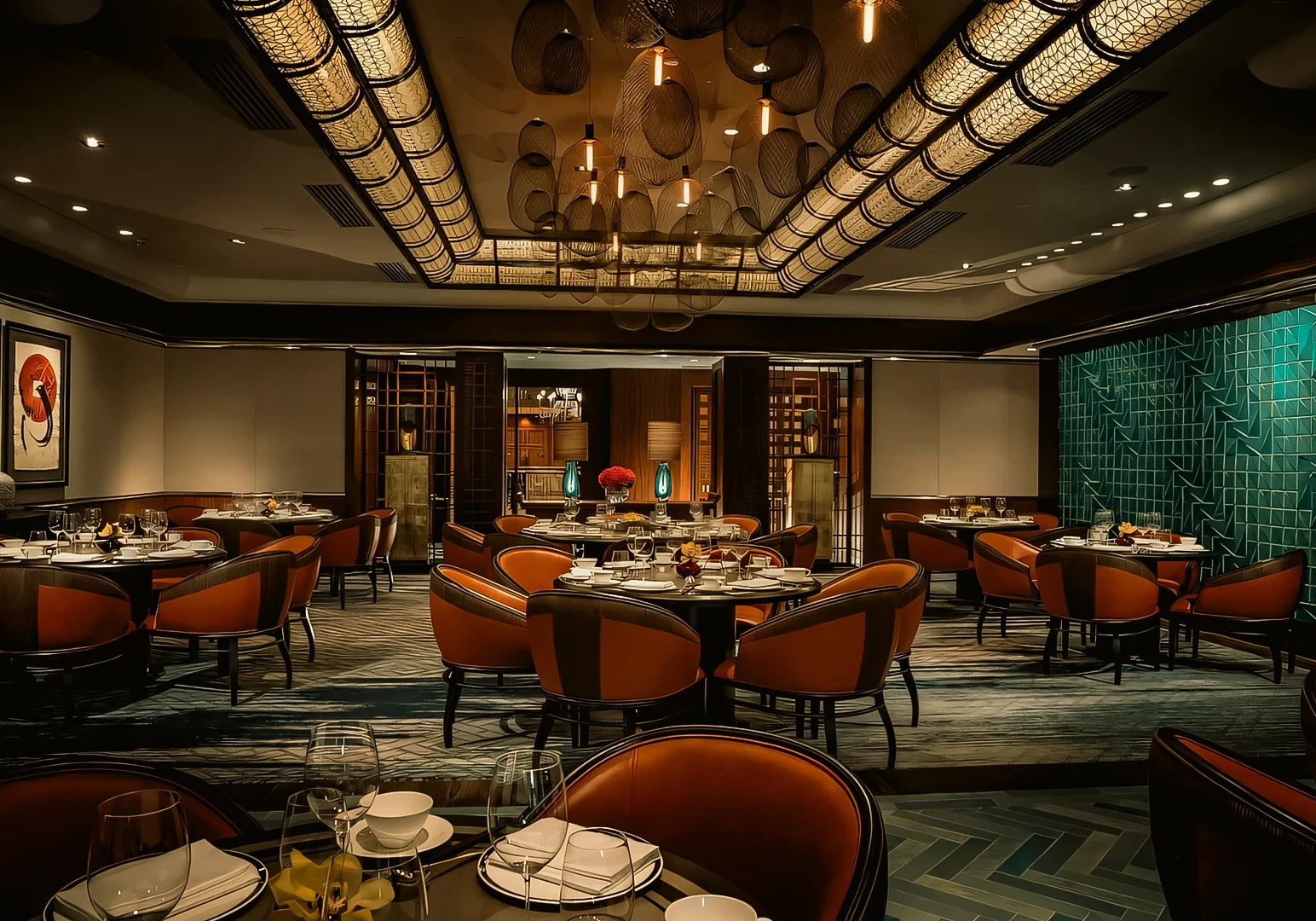
Fine dining venues like Jiang Nan Chun at the Four Seasons and Hai Tien Lo at Pan Pacific Singapore specialize in Cantonese cuisine, offering experiences that combine tradition with impeccable service. These restaurants serve business meals, family gatherings, and special occasions in elegant spaces with private dining rooms, enhancing the intimate and refined dining experience.
Min Jiang at Goodwood Park Hotel offers a blend of Teochew and Cantonese dishes with a focus on presentation and quality, while Cherry Garden by Chef Fei at Mandarin Oriental delights diners with authentic flavors and premium ingredients. Madame Fan at the NCO Club provides a vibrant atmosphere and spacious layout, perfect for celebrations.
Imperial Treasure is renowned for its Michelin-starred cuisine, including super peking duck and classic dim sum. These establishments maintain great service and uphold tradition while catering to modern tastes, making them some of the best chinese restaurants in singapore.
Food Quality and Safety in Chinese Restaurants
Restaurants such as Imperial Treasure and Min Jiang adhere to strict food safety standards enforced by the Singapore Food Agency. Careful ingredient sourcing and hygiene protocols ensure diners enjoy delicious meals with confidence. These practices are essential given the complexity of traditional Chinese dishes and the variety of ingredients used.
Culinary Events and Workshops: Engaging with Chinese Food Culture
Culinary workshops at venues like Cherry Garden and Hai Tien Lo offer hands-on experiences in Chinese cooking techniques, from dumpling folding to wok frying. Led by chefs including Chef Fei and Alan Chan, these programs provide cultural context and foster appreciation for Chinese food traditions, supporting their preservation and evolution.
The Broader Impact on Chinese Cuisine Singapore and the Restaurant Scene
Chef Chan’s dedication extends beyond his kitchen, mentoring young chefs in traditional techniques and inspiring the industry to value heritage over gimmicks. This commitment elevates the entire Chinese culinary scene, encouraging restaurants from Imperial Treasure to Hai Tien Lo and Cherry Garden to invest in authenticity and quality.
Why Authenticity Still Matters in a Globalized World of Chinese Food
In a world of fast, globalized dining options, authentic Chinese cuisine offers a meaningful connection to cultural roots. Chefs like Chan protect this heritage by valuing time, patience, and tradition over convenience. Authentic dishes provide not only nourishment but also a shared human story, making every meal a celebration of identity.
Conclusion: Indulge in the Best Chinese Restaurants and Unique Dishes
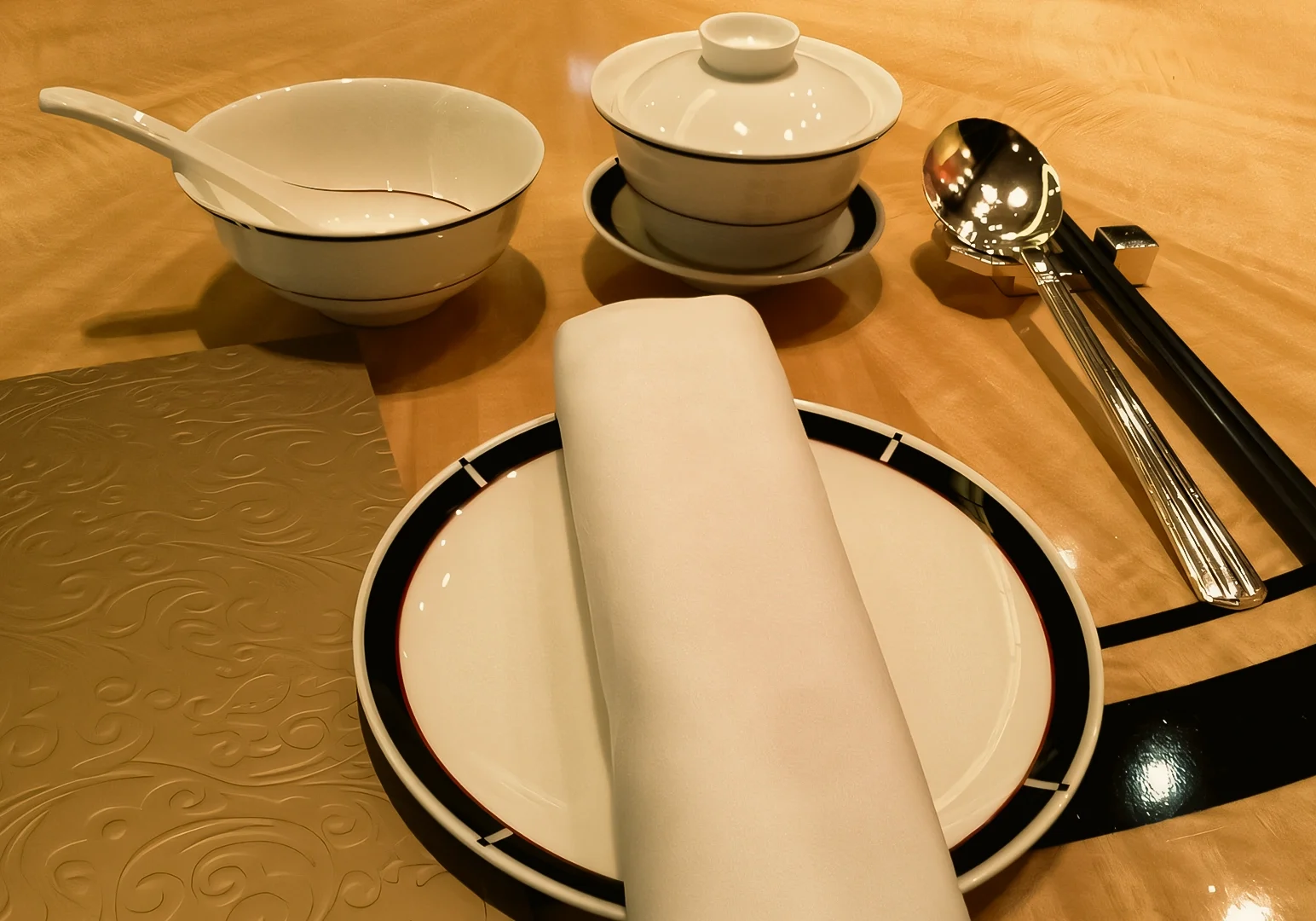
Chinese cuisine Singapore is a vibrant blend of tradition and innovation, preserved by chefs dedicated to authenticity. Whether dining at Min Jiang at Goodwood Park Hotel, Jiang Nan Chun’s elegant private rooms, the lively space at Madame Fan in the NCO Club, or Hai Tien Lo at Pan Pacific Singapore, diners enjoy unique dishes crafted with the finest ingredients and great service.
Many restaurants offer lunch, dinner, and brunch options, including free-flow dim sum for leisurely meals. Locations near Chinatown MRT provide easy access to authentic Cantonese dining, while Marina Bay and Marina Square offer scenic and bustling settings for special occasions and family gatherings.
Reserve a table at one of the best chinese restaurants in singapore to experience delicious traditional cuisine, from sweet and sour pork and fried rice to crispy chicken and signature dishes like super peking duck and steamed pomfret. Indulge in the rich flavors and warm ambiance that make Singapore’s Chinese food scene truly exceptional.