
Following Singapore’s Culinary Past Through Its Restaurants
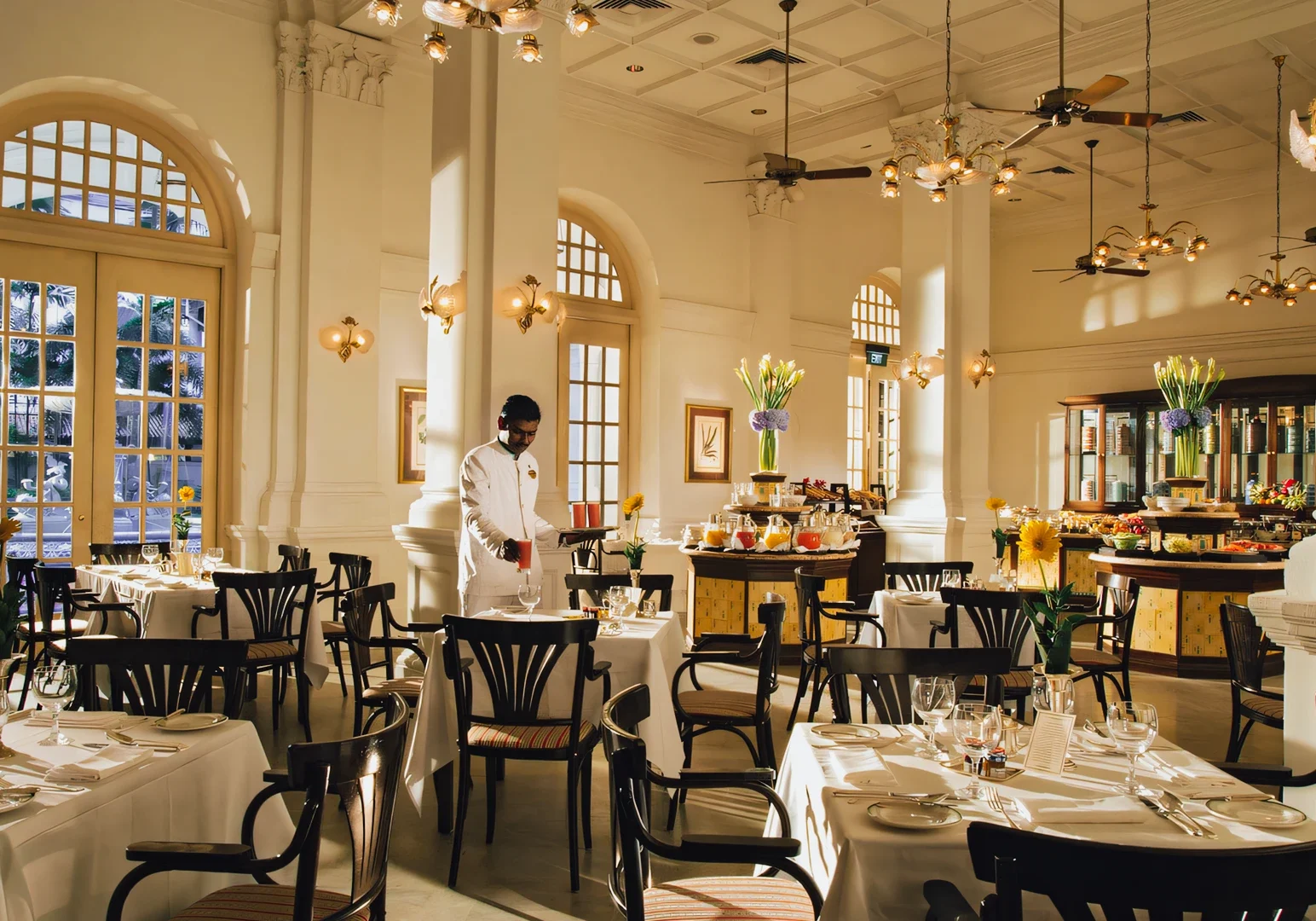
To dine in certain Singaporean restaurants is to travel through time. Beyond the menu and the decor, these establishments serve as living archives, preserving chapters of our nation’s history on their plates. They are not merely places to eat; they are quiet storytellers, each dish a paragraph, each recipe a record of the cultural currents that have shaped our island. Embarking on a journey through these culinary landmarks offers a tangible connection to the past, allowing us to taste the very history we so often read about.
The colonial era, for instance, left an indelible mark on our dining culture that persists today. In the hushed elegance of long-standing institutions, one can still feel the echoes of a bygone time. The meticulous table settings, the starched white linens, and the presence of dishes like the Hainanese pork chop—a clear adaptation of Western tastes for local palates—speak to a period of profound cultural exchange. These establishments were once the exclusive domains of colonial administrators and wealthy merchants. Today, they stand as accessible monuments, reminding us of the complex interplay between ruler and subject, and how food became a medium for both assimilation and subtle resistance.
Yet, the story of Singapore’s culinary past is most vibrantly told through the contributions of its migrant communities. The city’s port status made it a magnet for people from across Asia and beyond, and they brought their kitchens with them. Following this trail leads one from the fragrant spice blends of Indian-Muslim eateries in Kampong Glam to the robust, herb-infused broths of Teochew restaurants along the Singapore River. Each community carved out its own niche, their cooking acting as a lifeline to a distant home.
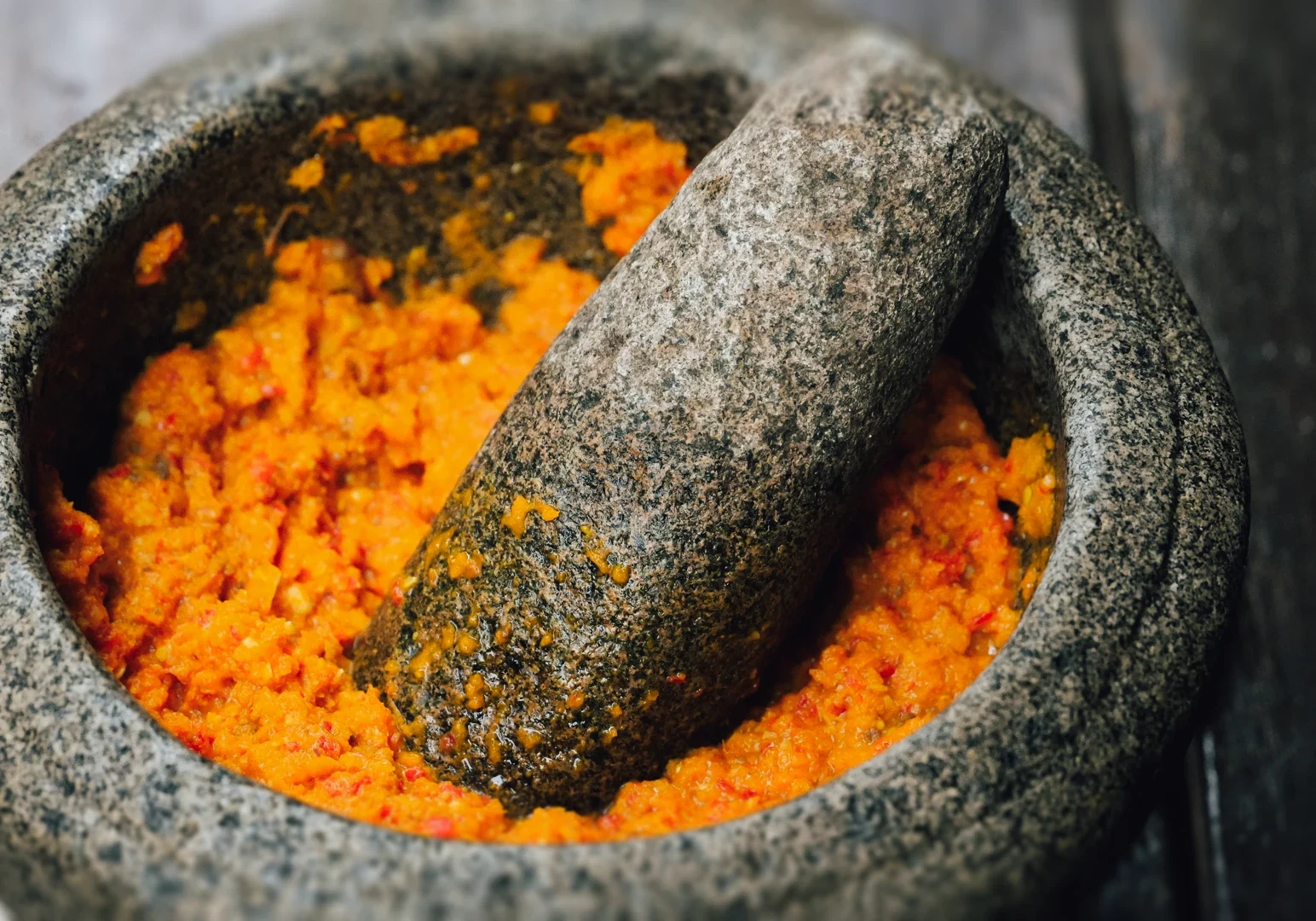
These restaurants are more than just businesses; they are custodians of heritage. They are places where recipes passed down through generations are protected with fierce pride. A conversation with a third-generation owner of a Peranakan restaurant reveals the painstaking effort required to maintain the authenticity of rempah (spice paste), a foundational element that cannot be rushed or replicated by machine. In these kitchens, cooking is an act of preservation, a duty to honor the ancestors who carried these flavors across oceans.
What becomes clear is that these restaurants act as cultural anchors in a rapidly modernizing city. While new cafes and fusion concepts emerge daily, these historical establishments provide a sense of continuity. They remind us that our culinary identity is not a monolith but a rich tapestry woven from countless threads. Each meal is an opportunity to trace a thread back to its origin—to a port city in southern China, a coastal village in India, or a kitchen in the Malay Archipelago.
Ultimately, to follow Singapore’s culinary past through its restaurants is to understand the nation itself. It is to appreciate that our history is not confined to museums or textbooks but is alive and simmering in the pots and pans of these enduring eateries. They offer a profound lesson: that a nation’s soul can often be best understood by sharing its food.