
The New Wave: Charting the Rise of the Best Peranakan Food in Singapore
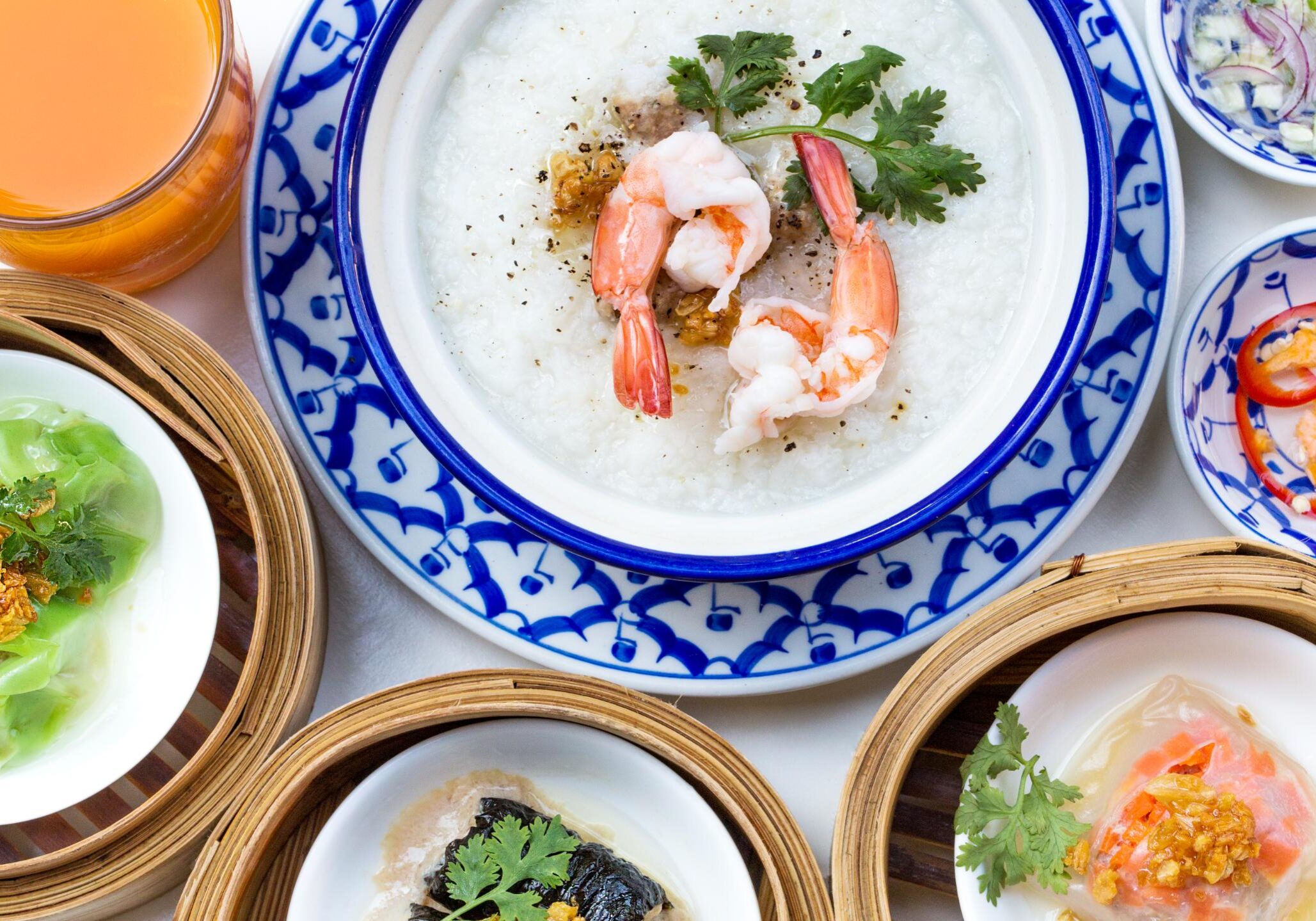
Peranakan cuisine, a unique fusion of Chinese, Malay, and Indonesian influences, is experiencing a vibrant revival in Singapore. Deeply rooted in tradition yet brimming with creative energy, this culinary heritage has captured the attention of locals and global foodies alike. From a modern twist on authentic Peranakan dishes to fresh takes on traditional recipes, the evolution of Peranakan food is redefining Singapore’s dining landscape. The modern Peranakan restaurant has emerged as a key player in this evolution, blending classic Nyonya flavors with contemporary techniques and vibrant, innovative settings. Let’s explore how this cultural treasure is making waves while staying true to its essence.
History and Cultural Significance
The heritage of Peranakan cuisine unfolds like a contemplative meditation on cultural harmony, its origins traced to the serene confluence of the 15th century. When Chinese artisans of trade found sanctuary in the Malay Archipelago and embraced local Malay women in matrimony, a new cultural tapestry—and with it, a refined culinary philosophy—was born. This artisanal fusion brought together the contemplative precision of Chinese culinary craftsmanship with the bold, aromatic serenity of Malay and Indonesian flavors, resulting in a curated repertoire of authentic Peranakan dishes that whisper both distinction and profound satisfaction to those who seek their embrace.
In Singapore, Peranakan cuisine transcends mere sustenance within the local dining sanctuary; it serves as a sacred vessel preserving the city's multicultural heritage. Many peranakan establishments, from intimate family-run havens to celebrated temples of refinement like the Michelin-starred sanctuary Candlenut, dedicate themselves to the contemplative art of preserving traditional recipes and sharing their wisdom with new generations. The Singaporean government has recognized the cultural reverence inherent in Peranakan cuisine, designating certain dishes as treasured elements of the nation's intangible cultural heritage. Through these mindful efforts, the legacy of Peranakan food continues to flourish in quiet luxury, ensuring that the artisanal flavors, contemplative stories, and time-honored traditions of this unique community remain forever woven into Singapore's culinary sanctuary.
The Best Peranakan Food in Singapore: A Culinary Renaissance
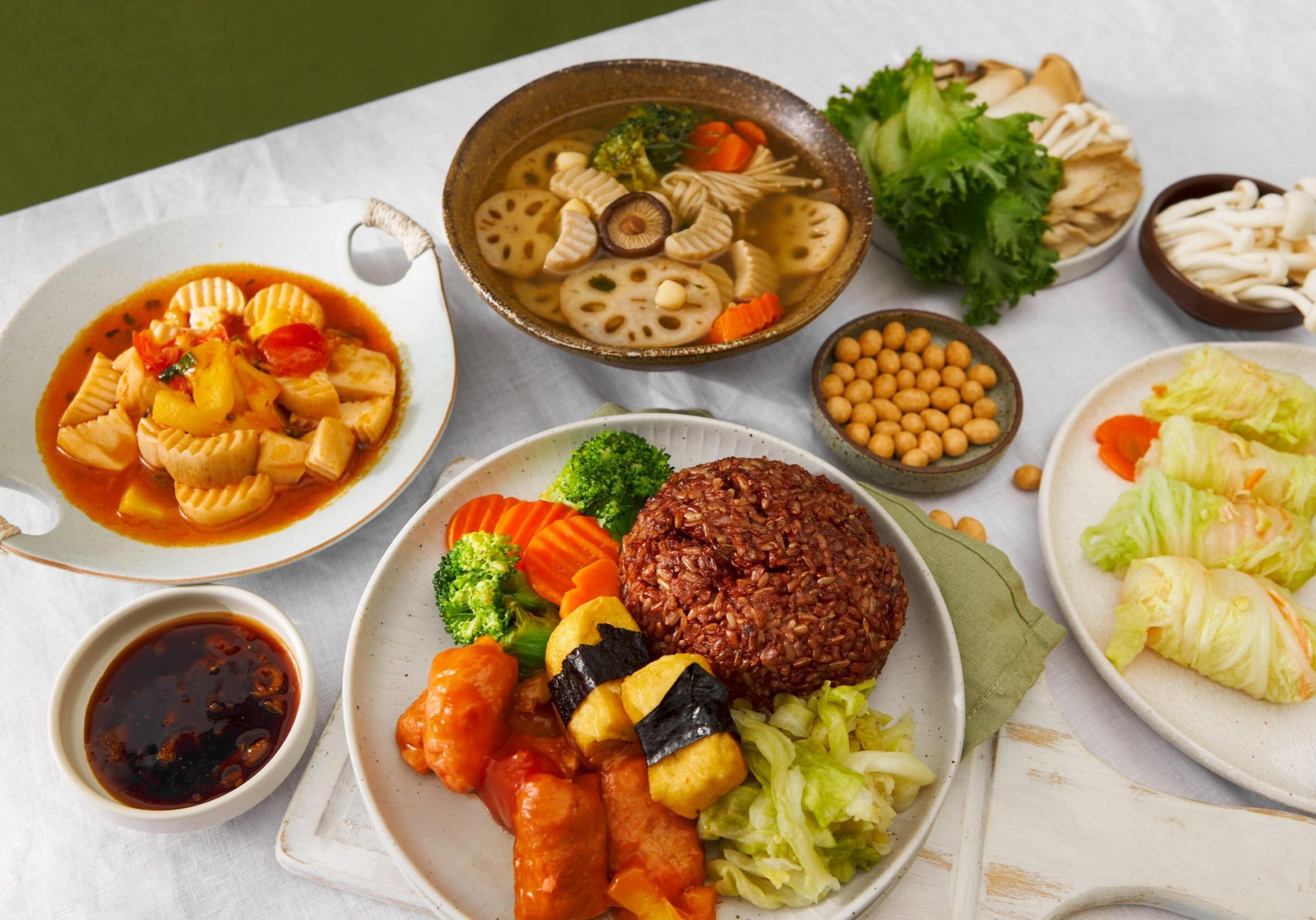
Over the last decade, Peranakan food has seen a remarkable resurgence across Singapore. While it has always been a staple for those who cherish its rich flavors and historical significance, today’s Peranakan food scene blends tradition with innovation. Restaurants such as Candlenut, Violet Oon Singapore, and The Blue Ginger are leading the charge by offering a mix of authentic Peranakan food and modern interpretations. The vision and expertise of their chef-owners play a crucial role in shaping the unique identity and menu of these establishments. Whether it’s Nyonya food served on banana leaves or fusion dishes like dry laksa, the best Peranakan food in Singapore continues to delight diners with its versatility and depth. These restaurants also offer comfortable dine-ins for those who want to enjoy the full experience on-site. If you’re looking for the ultimate Peranakan dining experience, check out The Best Places for Authentic Peranakan Food Singapore Awaits You.
Authentic Peranakan Food: Honoring Tradition
At its heart, Peranakan cuisine is about preserving tradition. Authentic Peranakan dishes like ayam buah keluak, babi pongteh, and chap chye are celebrated for their intricate preparation and bold flavors. These dishes are crowd favourites among regular patrons. These recipes, often passed down through generations, use carefully crafted rempah (spice pastes) as their foundation. For those seeking a taste of simply Peranakan cuisine, restaurants such as Guan Hoe Soon and Old Bibik’s Peranakan Kitchen offer timeless classics that transport diners back to the roots of this culinary heritage.
One standout dish is assam fish head curry, a crowd favorite that blends sour, spicy, and savory flavors. This dish, often served with a rich prawn stock base, exemplifies the complexity of Peranakan cuisine. Another must-try is sambal buah keluak, a dish featuring the earthy buah keluak nut cooked in a spicy sambal mix—a true testament to Nyonya culinary mastery. Ngoh hiang, a traditional appetizer of crispy minced pork rolls with flavorful fillings, is also a must-try and remains a popular choice for those seeking authentic Peranakan flavors.
Modern Twists: Redefining Traditional Peranakan Food
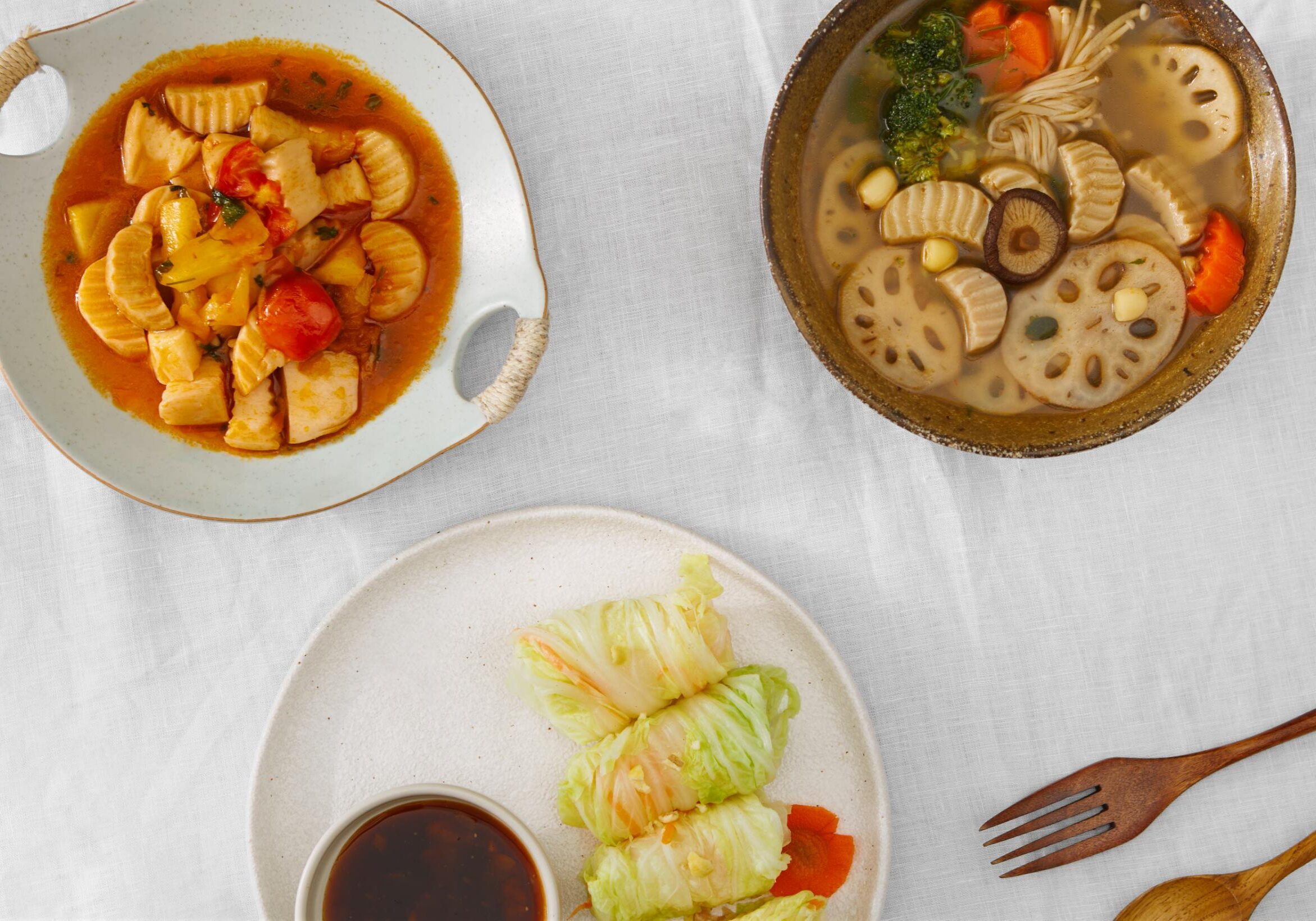
While Peranakan food remains firmly rooted in its heritage, many chefs are reimagining it to appeal to modern tastes. The National Kitchen by Violet Oon, located at ION Orchard, is a prime example of this balance between tradition and innovation. Dishes like sweet potato in coconut milk and assam prawns are presented with a contemporary flair, while maintaining their authentic Peranakan essence. Some modern Peranakan restaurants now offer set meal experiences, allowing diners to enjoy a curated selection of both traditional and innovative dishes in one complete meal.
Another trend gaining traction is fusion cuisine. Restaurants like Bibik’s Peranakan Kitchen and pop-ups such as Bonding Kitchen in Joo Chiat are experimenting with creative takes on Nyonya dishes. Think laksa burgers, deconstructed kueh pie tee, or even Peranakan-inspired cocktails infused with pandan and gula melaka. Kuay pie tee, a traditional Peranakan snack known for its crispy shell and savory filling, is often reimagined with new ingredients or modern presentations. These modern twists are not only delightful but also help introduce Peranakan heritage to a younger, more adventurous audience.
Ivins Peranakan Restaurant and Affordable Peranakan Food
For those seeking affordable Peranakan food without compromising on quality, Ivins Peranakan Restaurant is a top choice. Known for its hearty portions and traditional flavors, Ivins offers wallet-friendly options that make heritage dining accessible to all. From classic dishes like beef rendang and hakka fried pork to flavorful nasi ulam, and popular pork belly preparations that add richness and depth to the menu, this East Coast Road eatery has become a favorite among families and food lovers.
Another standout is Chilli Padi Nonya Restaurant, celebrated for its authentic Peranakan flavors and extensive menu. Their parkway parade location is especially popular with diners looking for casual yet delicious traditional food.
Bibik's Peranakan Kitchen: A Rising Star in Singapore
A hidden gem in Singapore’s Peranakan dining scene, Bibik’s Peranakan Kitchen has garnered a loyal following for its flavorful dishes and approachable vibe. Located at Hotel Chancellor, this cozy spot specializes in heritage favorites such as babi pongteh, ayam buah keluak, and chap chye, all made with painstaking attention to detail. Their use of fresh, locally sourced ingredients ensures every bite resonates with the robust flavors of authentic Peranakan cooking.
While Bibik’s Peranakan Kitchen is celebrated for its dedication to traditional recipes, Old Bibik's Peranakan Kitchen is especially recognized for its halal-certified, home-style Peranakan fare that stays true to historical Peranakan flavors.
Guan Hoe Soon and The Legacy of Peranakan Heritage
For diners eager to experience Singapore’s oldest Peranakan restaurant, Guan Hoe Soon is a must-visit. Located near Tanjong Pagar, this iconic establishment has been serving Peranakan classics for decades, staying true to the recipes of old Nyonya matriarchs. Signature dishes like assam fish, chicken pongteh, and dry laksa are cooked with a level of authenticity that keeps patrons returning for more. The restaurant’s dedication to preserving Peranakan heritage has earned it a special place among Singapore’s culinary landmarks.
Unique Concepts: Peranakan Food Meets Modern Dining
Today’s Peranakan restaurants are pushing boundaries with innovative dining experiences. Blue Ginger, for instance, offers a modern yet intimate take on traditional Peranakan dining, with highlights like their prawn stock laksa and beautifully plated desserts. Meanwhile, Bonding Kitchen has embraced pop-up and private dining formats, creating one-of-a-kind experiences for fans of Nyonya cuisine.
For those hoping to enjoy Peranakan food on the go, fast-casual outlets in malls such as Park Place Residences and Great World are introducing diners to heritage flavors in a convenient setting. These locations serve up set meals featuring classics like ayam buah keluak and assam prawns, making Peranakan food more accessible than ever.
Peranakan Food Beyond Singapore: A Global Influence
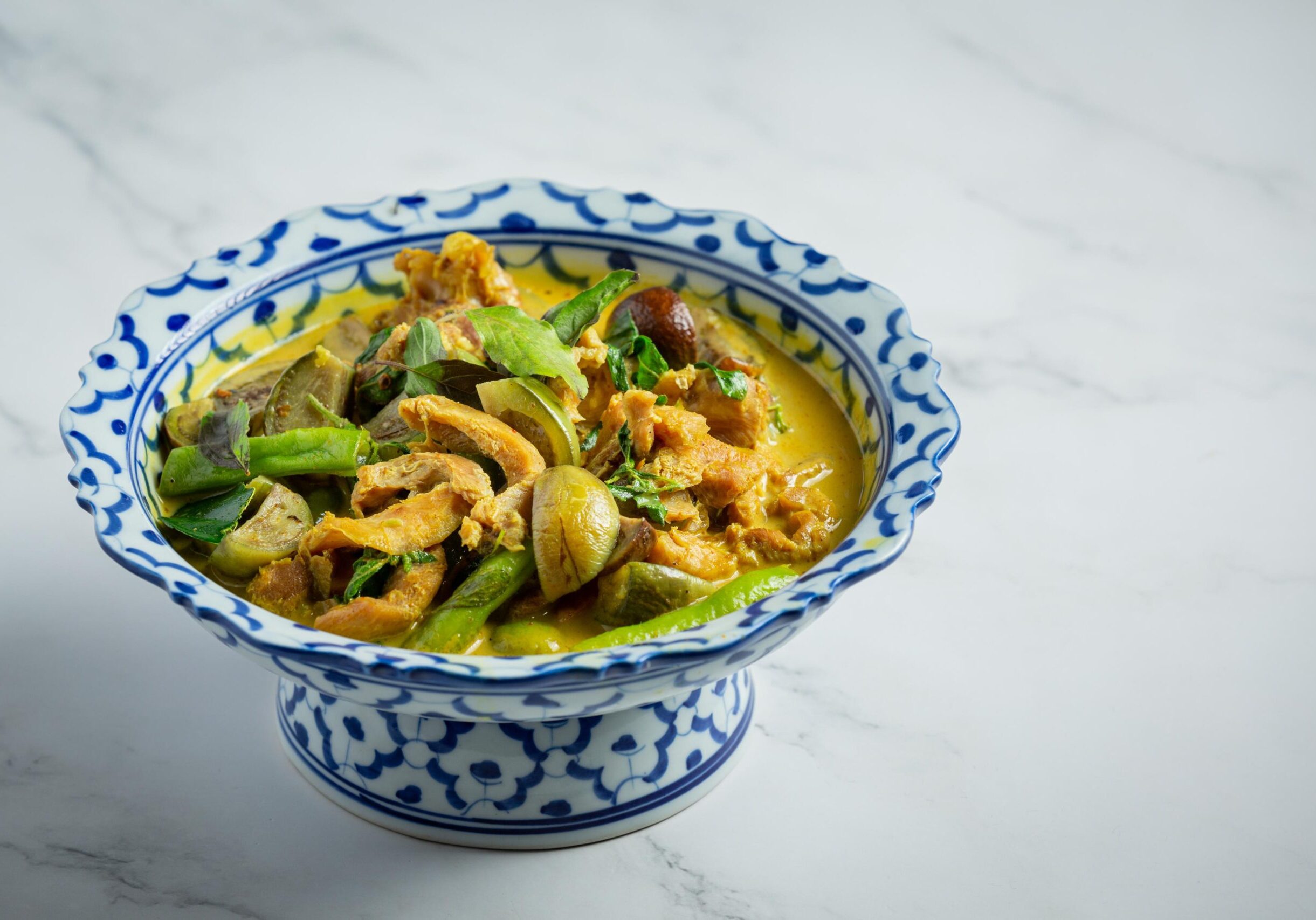
The influence of Peranakan cuisine is not confined to Singapore. Across the border in Johor Bahru, Peranakan-inspired dishes are gaining popularity, with restaurants drawing crowds for their renditions of beef rendang, assam fish, and sweet potato coconut milk desserts. This global interest demonstrates the universal appeal of Peranakan cooking, from its intricate flavors to its storytelling through food.
Connecting Culture Through Food: A Dining Experience Like No Other
What sets Peranakan food apart is its ability to connect diners with a rich cultural heritage. Whether it’s the vibrant spices of Malay cuisine, the comforting stews of Chinese traditions, or the delicate balance of sour and sweet flavors, every dish tells a story. Restaurants such as Violet Oon Singapore and The Peranakan Inn not only serve delicious food but also immerse diners in the unique culture of the Peranakan people, making them perfect stops for teochew restaurant sg.
Where to Find the Best Peranakan Food in Singapore
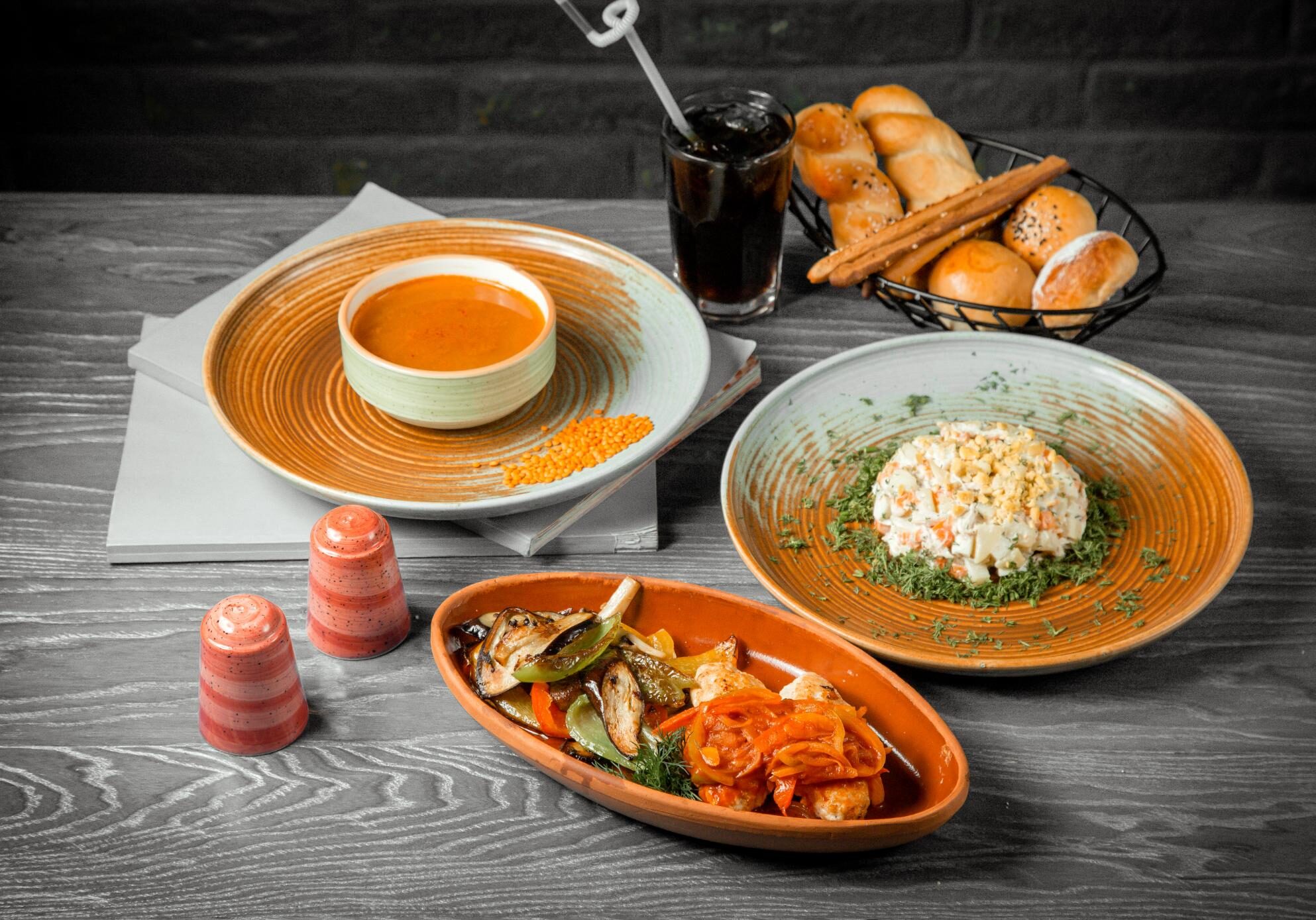
Here’s a quick guide to some of the best Peranakan food spots in Singapore:
- Violet Oon Singapore: Perfect for modern twists on heritage dishes, located at ION Orchard and other multiple locations.
- Candlenut: The world’s first Michelin-starred Peranakan restaurant, offering elevated versions of classics.
- The Blue Ginger: Known for its authentic Peranakan dishes served in a modern setting.
- Bibik's Peranakan Kitchen: A cozy spot at Hotel Chancellor with affordable yet authentic options.
- Ivins Peranakan Restaurant: A go-to for budget-friendly, delicious Peranakan food.
- Chilli Padi Nonya Restaurant: Offers an extensive menu of traditional recipes with a focus on quality.
- Guan Hoe Soon: The oldest Peranakan restaurant in Singapore, a must-visit for heritage flavors.
Balancing Authenticity and Innovation
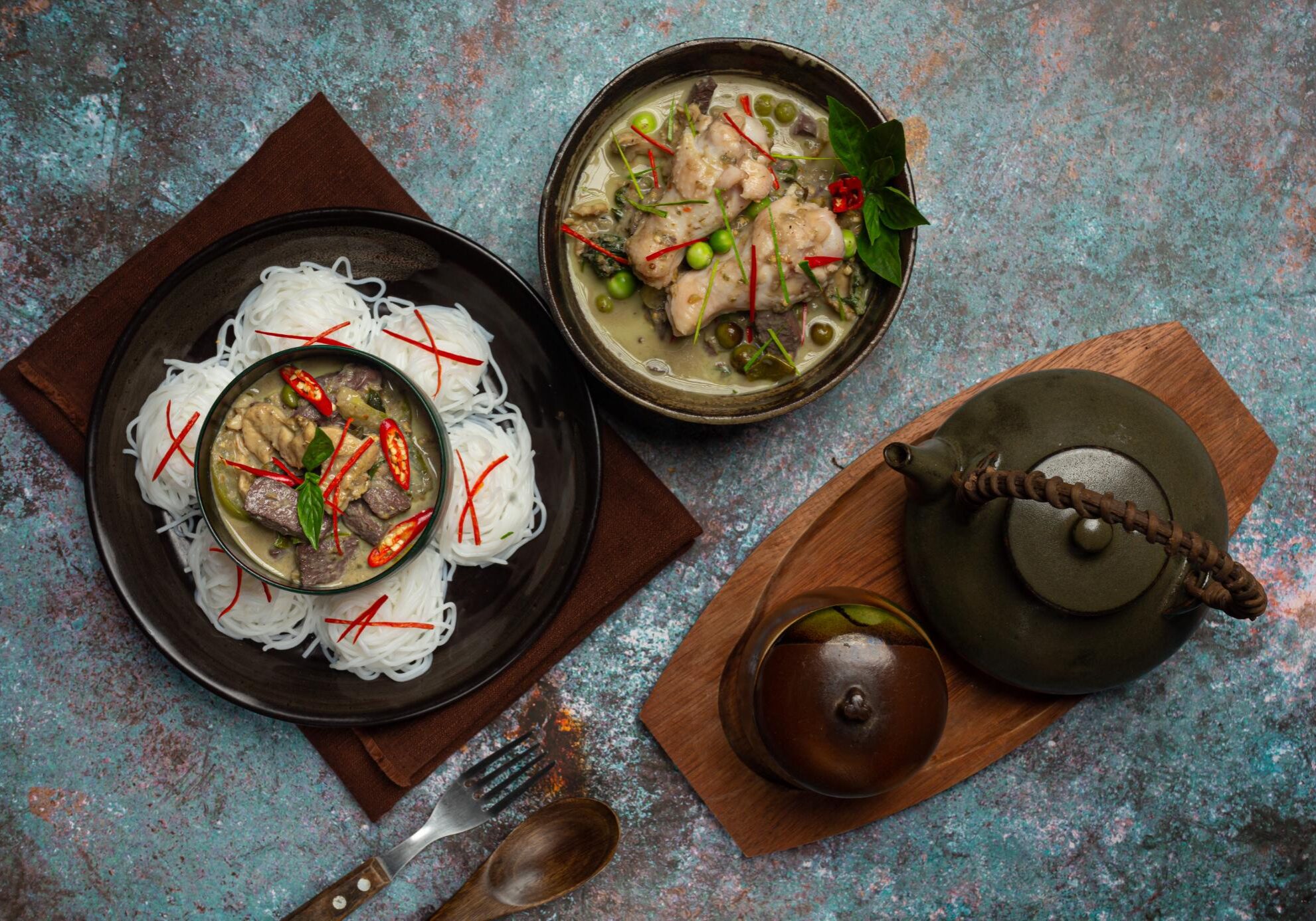
As Peranakan cuisine continues to evolve, there’s an ongoing conversation about balancing tradition with creativity. Dishes like laksa burgers and Peranakan omakase menus excite diners with their novelty, but they also raise questions about preserving the authenticity of this cultural treasure. Successful chefs and restaurateurs understand that innovation must respect the foundations of Peranakan food—its rempah, its heritage, and its stories.This careful balance can be experienced at some of the city’s finest eateries, featured in Discovering the Best Nyonya Singapore Restaurants: A Taste of Heritage.
The Future of Peranakan Cuisine
With Peranakan food enjoying global recognition through Michelin stars, food documentaries, and culinary festivals, the future looks bright for this heritage cuisine. As chefs incorporate sustainable practices, experiment with plant-based adaptations, and explore new presentation styles, Peranakan cuisine will continue to thrive and inspire. From the intimate settings of Bonding Kitchen to the innovative menus of Candlenut, Singapore’s Peranakan food scene is a testament to the enduring legacy of this unique culture.
Exploring Peranakan cuisine is more than just a culinary adventure—it’s a journey into the heart of Singapore’s rich multicultural heritage. Whether you find yourself savoring a traditional ayam buah keluak or marveling at a modern pandan-infused cocktail, one thing is certain: Peranakan food will continue to delight and evolve for generations to come.