
Top 10 Restaurant in Singapore: Behind the Culinary Empires of the Red Dot
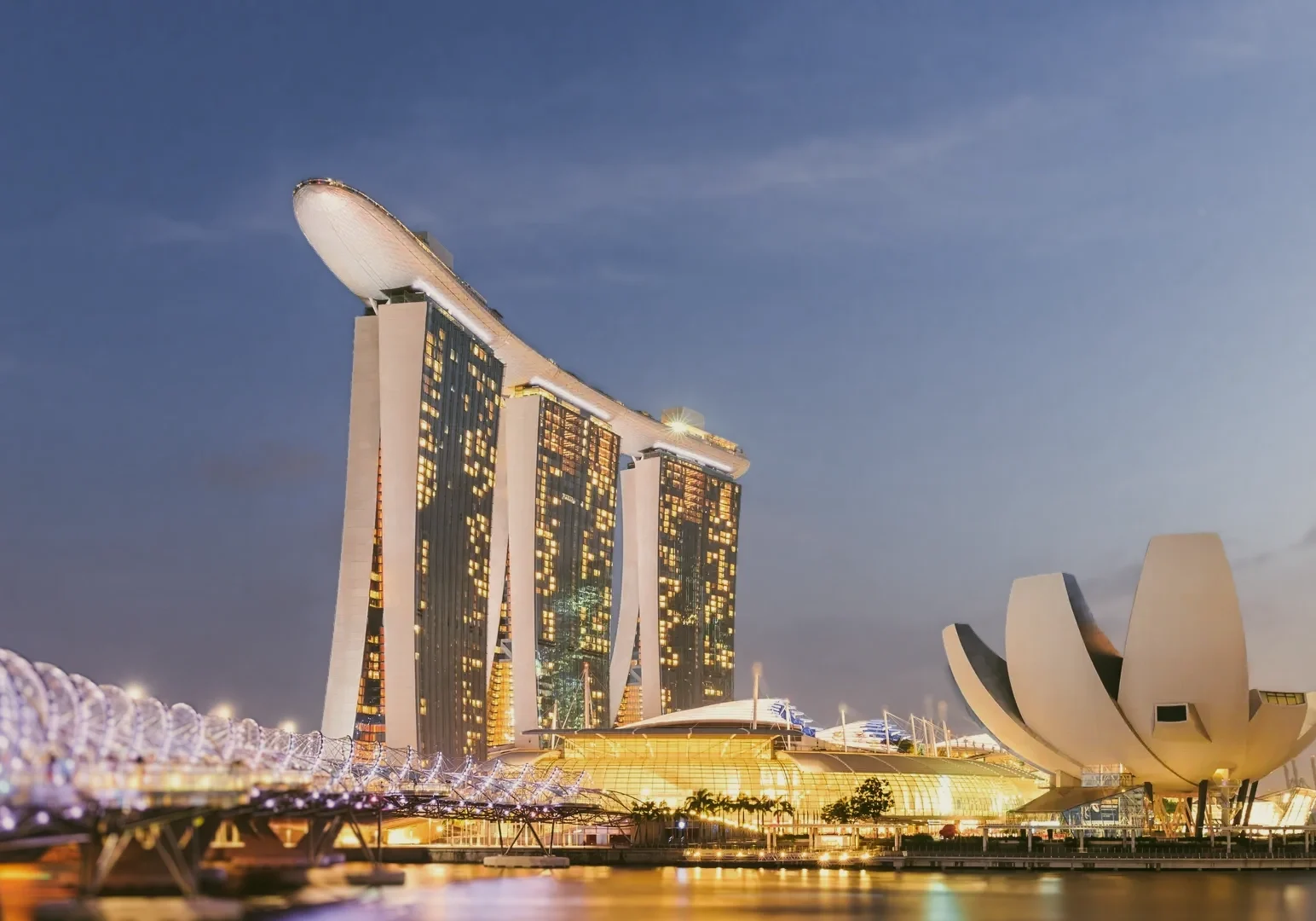
To understand what elevates a restaurant beyond mere sustenance toward cultural significance requires examining the deeper currents that shape Singapore's dining landscape. In this city where culinary traditions intersect and evolve, the creation of lasting institutions reflects something more profound than market forces alone. Behind each recognition and reservation lies a thoughtful cultivation of identity, rooted in cultural understanding and sustained by unwavering commitment to craft.
Singapore's emergence as a destination for refined dining found cinematic expression in Crazy Rich Asians, which captured not merely extravagance but the city's genuine sophistication—a quality that draws those who seek meaningful encounters with cuisine that honors both tradition and innovation.
While our Top Singapore Restaurants illuminates where one might dine, this exploration considers the why and how. Here, we examine the thoughtful decisions and human narratives that transform modest beginnings into enduring culinary legacies.
Highlights of the Red Dot's Culinary Excellence
Singapore, affectionately known as the Red Dot, continues to solidify its reputation as a global culinary capital through a dynamic and evolving restaurant scene. Here are some of the standout dining establishments that exemplify the city’s blend of tradition, innovation, and multicultural richness:
Burnt Ends
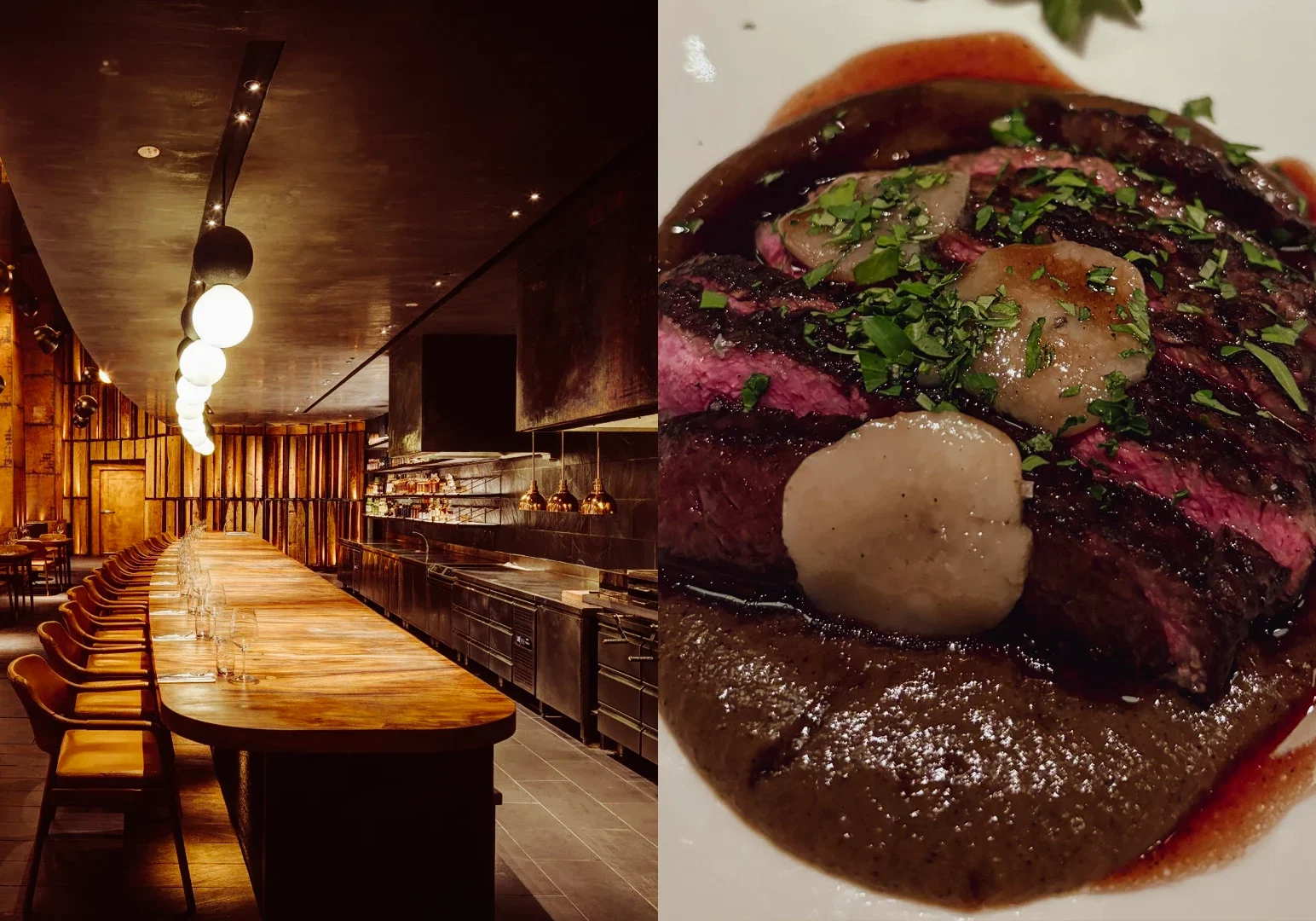
Situated on Dempsey Road, Burnt Ends is a Michelin-starred gem celebrated for its modern Australian barbecue with a distinctive Singaporean flair. The restaurant’s open-concept kitchen showcases wood-fired grills and ovens, where chefs craft dishes using seasonal ingredients that highlight bold, smoky flavors. Burnt Ends embodies the Red Dot’s spirit of culinary innovation and vibrant dining experiences.
Candlenut
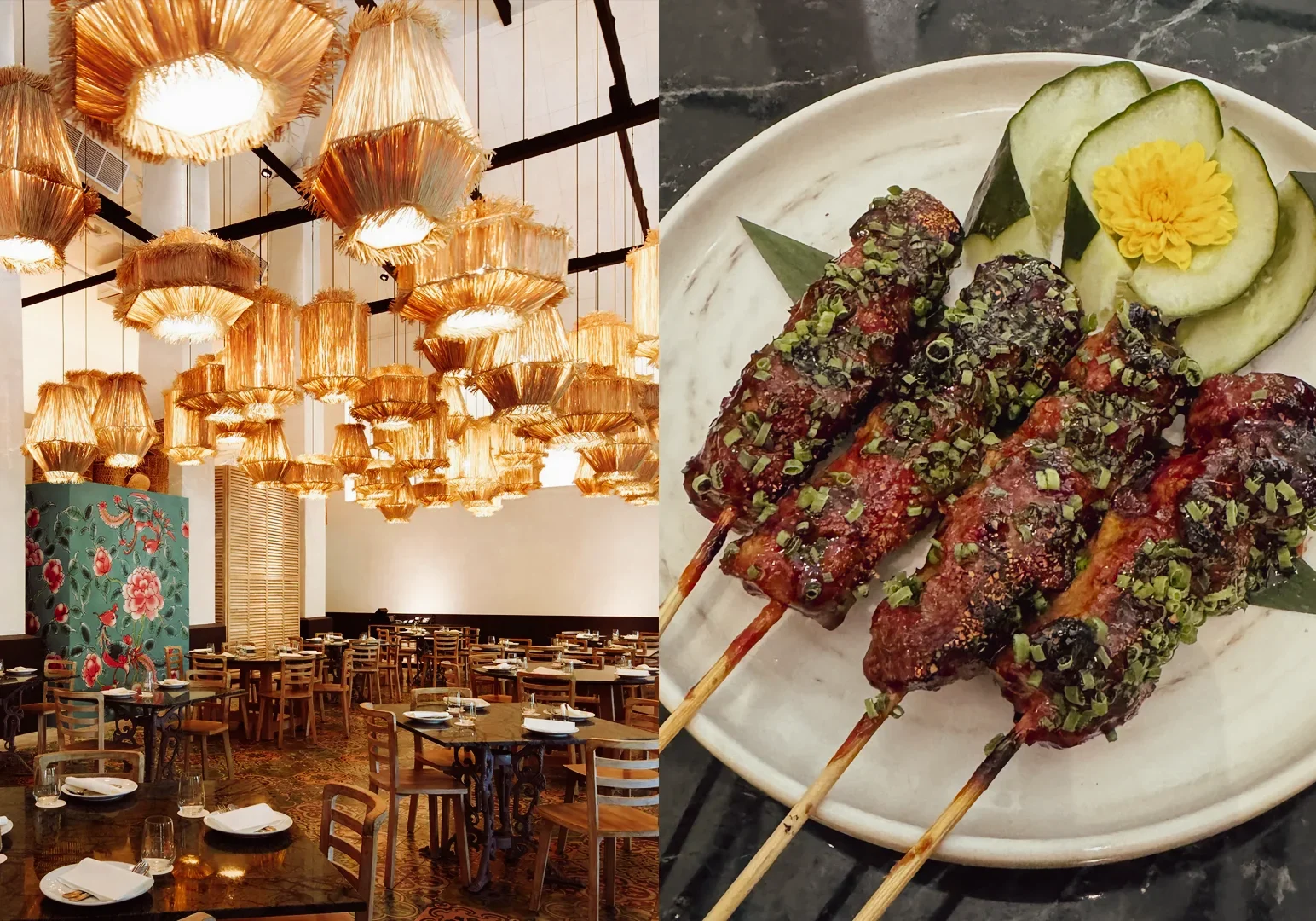
As the world’s first Michelin-starred Peranakan restaurant, Candlenut honors Singapore’s unique Peranakan heritage by serving authentic peranakan cuisine with a contemporary twist. Chef Malcolm Lee’s menu features refined preparations of traditional dishes such as blue swimmer crab curry and beef rendang, delivering rich and aromatic flavors that reflect the city’s cultural tapestry.
Odette
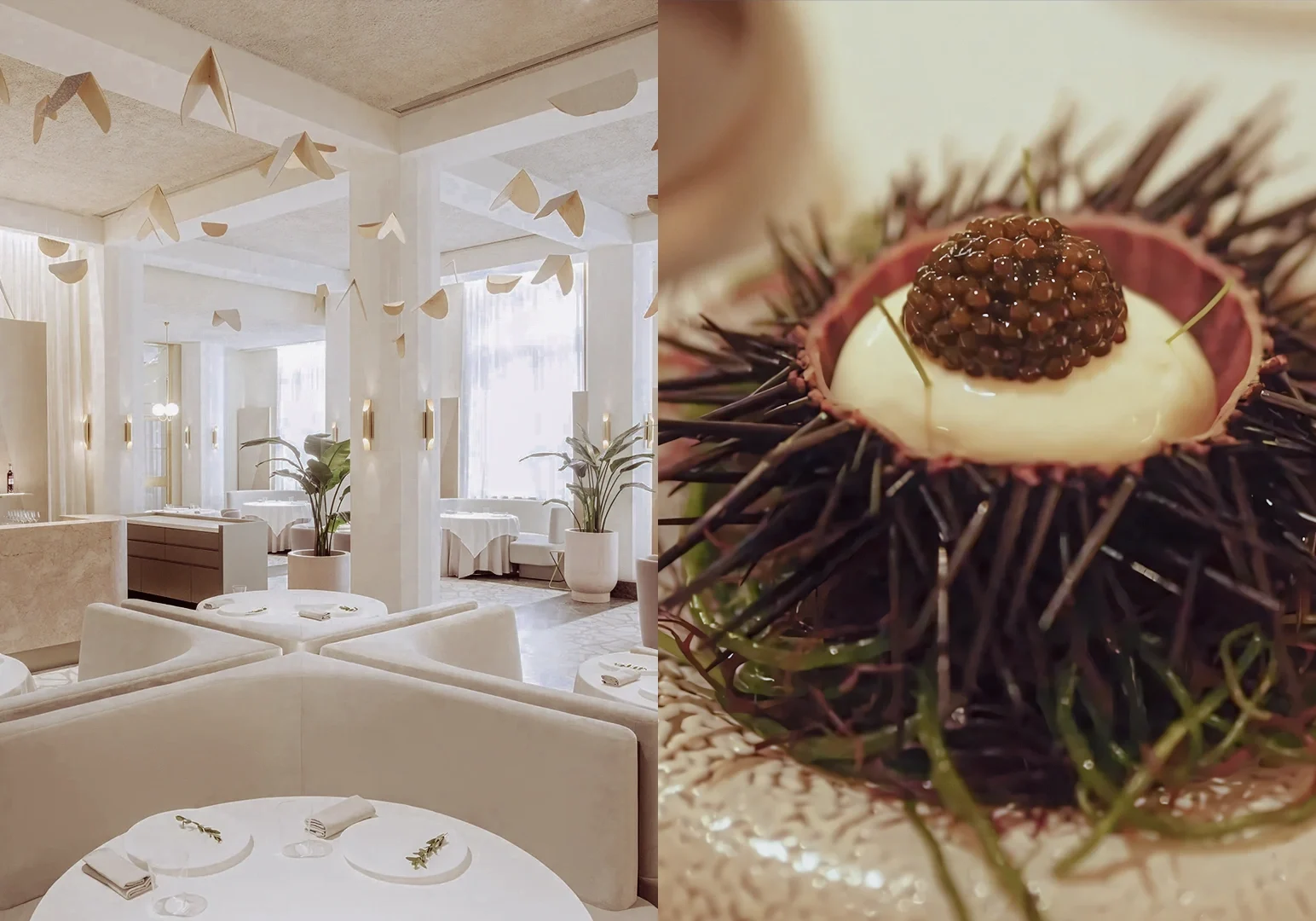
Nestled within the National Gallery Singapore, Odette boasts three Michelin stars and offers an exquisite fine dining experience. Chef Julien Royer’s cuisine artfully combines French culinary techniques with Asian influences, utilizing only the finest ingredients. The restaurant’s elegant setting and meticulously crafted dishes make it a pinnacle of sophistication in the Red Dot’s gastronomic landscape.
Meta
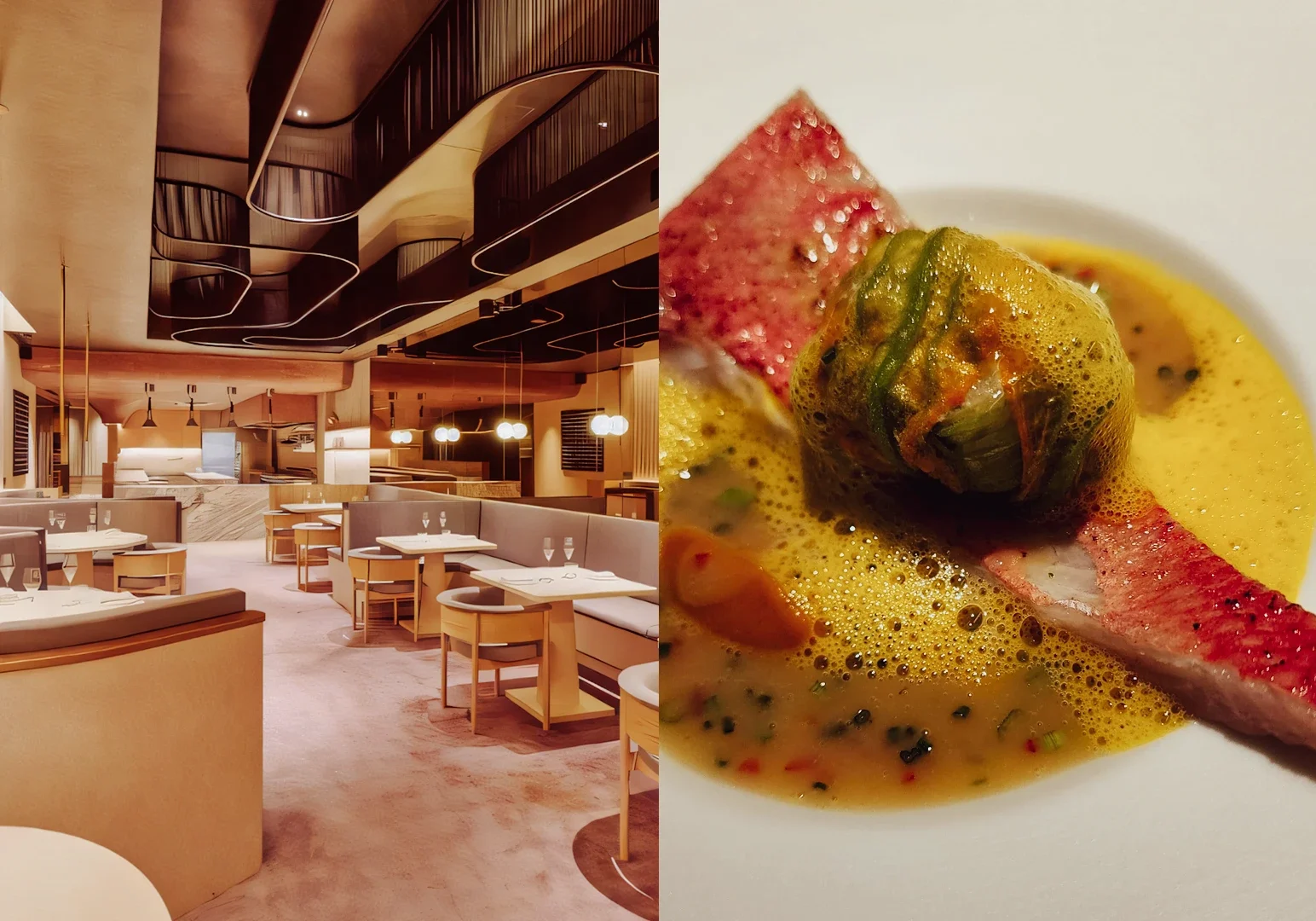
Meta presents a modern fusion of French and Korean cuisines, earning its Michelin star by creatively blending familiar flavors with fresh, seasonal ingredients. This restaurant exemplifies Singapore’s multicultural culinary identity, offering diners a unique journey through diverse tastes in a refined setting.
Nouri
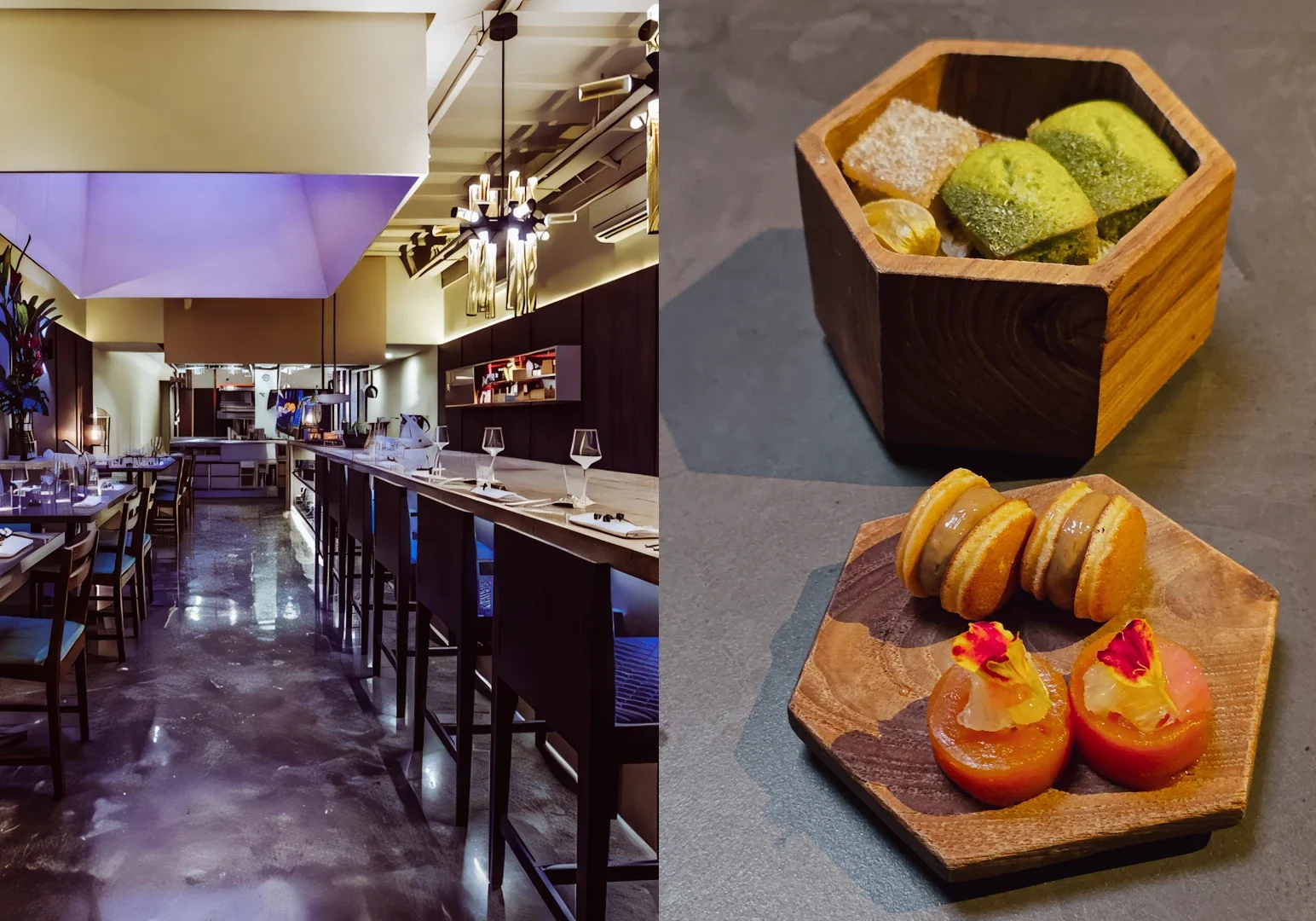
Nouri’s innovative “Crossroads Cooking” concept celebrates the intersection of global flavors with a local sensibility. With a menu that changes regularly to showcase familiar yet inventive dishes, Nouri provides an approachable fine dining experience that captures the essence of Singapore’s vibrant and evolving food culture.
These restaurants not only highlight Singapore’s culinary diversity but also its commitment to excellence and authenticity, making the Red Dot a must-visit destination for food lovers worldwide.
Fine Dining: The Chef's Journey from Vision to Reality
Through careful observation, one witnesses the gradual evolution from tentative inaugural offerings to the emergence of signature expressions—those defining preparations that become inseparable from a chef's identity and a restaurant's character. These narratives trace the patient journey from anonymity toward recognition, where each dish carries the weight of accumulated experience and intention.
Marina Bay Sands and National Gallery Singapore: Mastering Singapore's Multicultural Palate
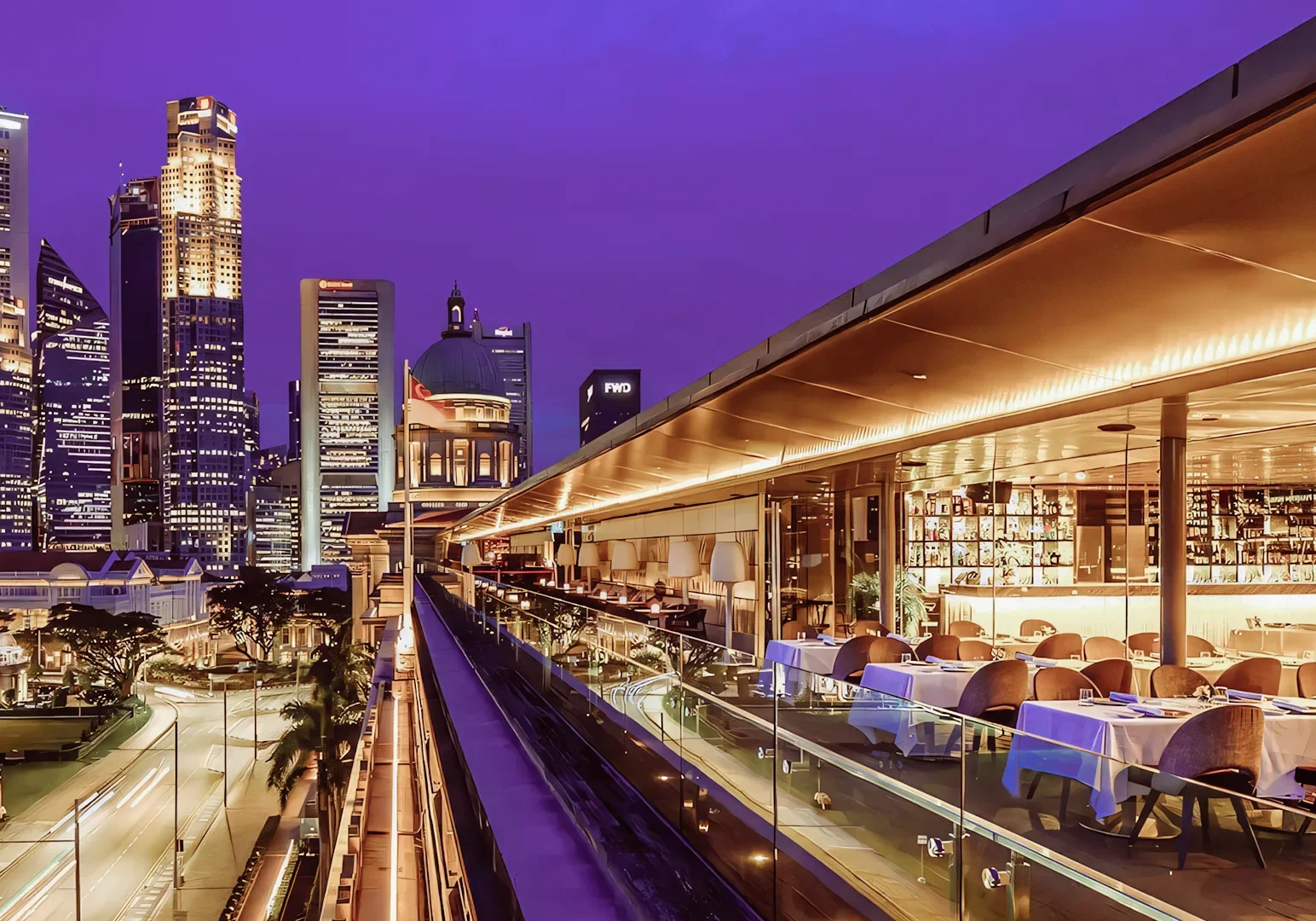
Cultivating culinary heritage in Singapore requires navigating the sophisticated expectations of a community deeply connected to its diverse gastronomic traditions.
Thoughtful establishments must honor both the local palate—shaped by generations of hawker centre excellence—and the global perspective brought by international visitors. This demands careful consideration in sourcing: the finest establishments celebrate regional offerings such as kelong-farmed fish, locally cultivated herbs like spring onions, and traditional spices, while pursuing seasonal ingredients of exceptional quality. They approach the marriage of heritage flavors with contemporary technique as a form of cultural dialogue rather than mere innovation.
The distinction between meaningful fusion and superficial combination requires cultural sensitivity and deep understanding. Respected kitchens approach tradition with reverence, never simply appropriating elements without context. Instead, they thoughtfully reinterpret beloved preparations—blue swimmer crab curry, beef rendang, char siew, and Peranakan specialties—in ways that acknowledge their origins while offering fresh perspectives. This cultural literacy forms the foundation upon which Singapore's most enduring restaurants are built.
Street Food and Hawker Stalls: The Business of Excellence Behind the Scenes
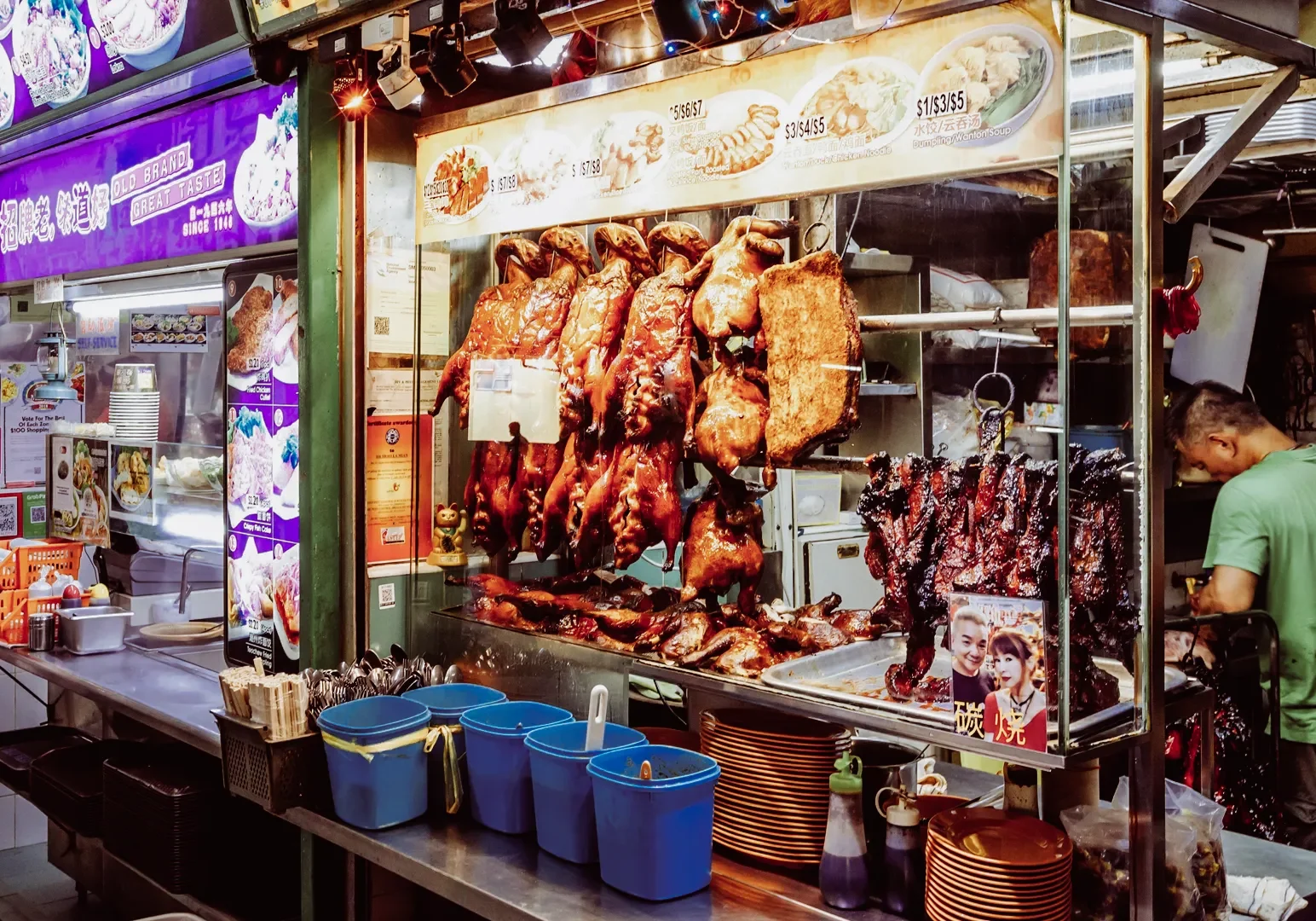
While culinary artistry captures attention, the measured orchestration of daily operations sustains these establishments through seasons and years.
The restaurant landscape in Singapore demands operational precision that extends far beyond the dining room's visible choreography. Behind composed fine dining environments and animated hawker centres lies systematic cultivation of expertise through comprehensive staff development. Distinguished establishments invest meaningfully in their teams, creating pathways that nurture growth from service staff to wine stewardship, from line preparation to senior kitchen roles. In a competitive employment environment, retention becomes as crucial as recipe refinement.
Supply relationships form another essential foundation, with access to exceptional, seasonal ingredients depending upon relationships cultivated over decades. Revenue optimization reflects careful study—successful restaurants understand seating flow without compromising guest comfort, balancing higher-margin offerings such as thoughtful wine programs and intimate private dining against the costs associated with complex tasting menus. Comprehensive menus address diverse preferences, enhancing both satisfaction and sustainable profitability.
Environmental responsibility has evolved from consideration to imperative, with leading kitchens embracing waste-conscious practices that serve both philosophical and practical purposes.
Dining Experience Design: Beyond the Plate at Clarke Quay and Dempsey Road
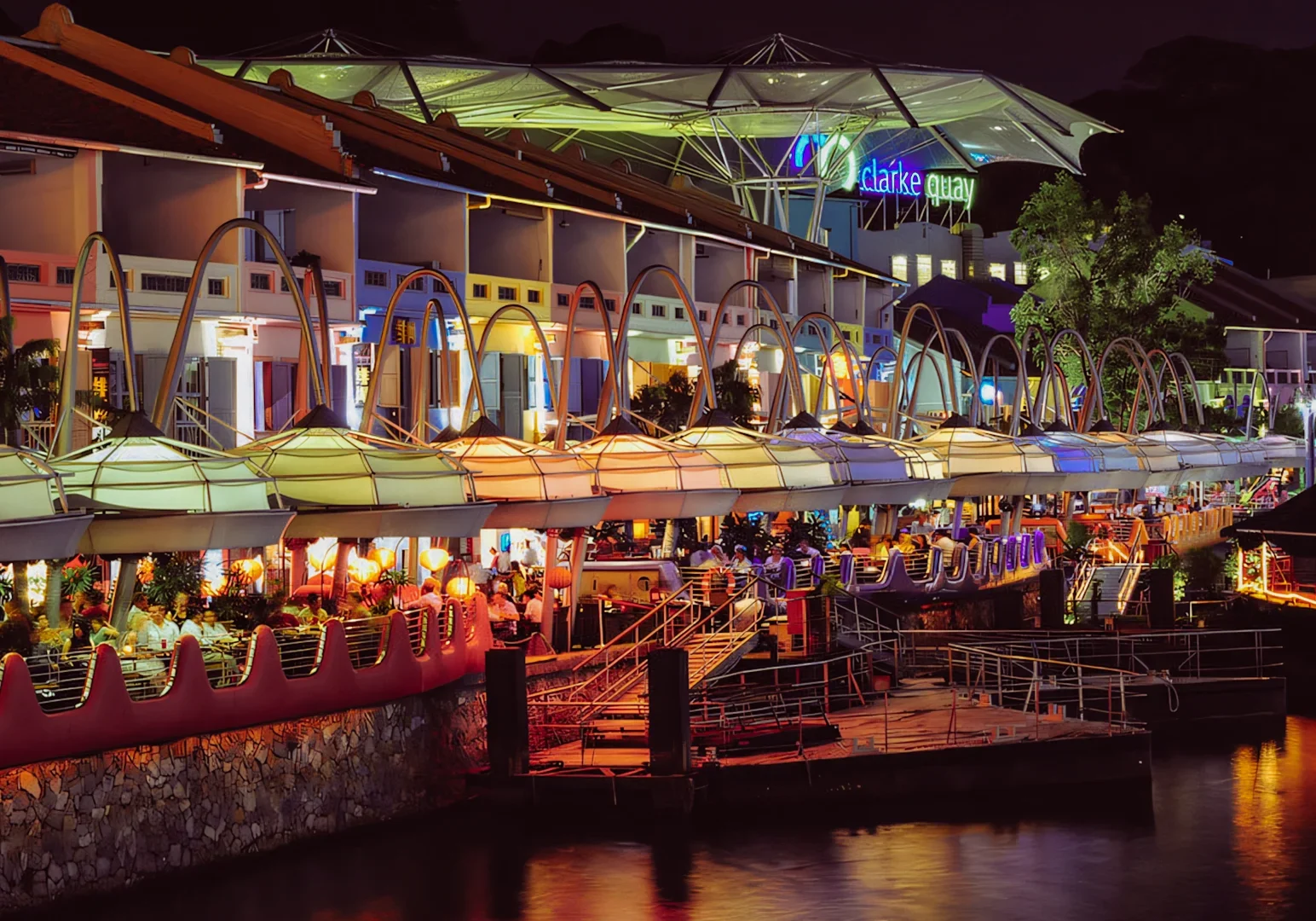
The act of dining engages all senses, creating memories that extend far beyond flavor alone.
Singapore's most respected establishments understand interior design as cultural conversation. Lighting serves both the food and those who share it, acoustic planning enables intimate dialogue within active environments, and the rhythm of service unfolds with careful attention to natural dining cadences—neither hurried nor lingering inappropriately.
Presentation completes this sensory dialogue, where visual composition influences perception before the first taste. The aesthetic consideration given to each course, from opening to conclusion, reflects the kitchen's complete vision and demonstrates respect for the diner's complete experience.
Michelin Guide and Media: Navigating Awards and Attention in the Red Dot
In Singapore's elevated dining community, recognition carries both opportunity and responsibility. A Michelin star can transform a restaurant's trajectory overnight, bringing international attention alongside intensified expectations.
Thoughtful restaurateurs approach such recognition as validation rather than destination. Stars serve as effective communication tools; consistency serves as genuine business foundation. Their focus remains anchored in daily excellence rather than annual ceremonies.
Contemporary media has reshaped these dynamics significantly. Managing social media presence and creating visually compelling presentations now form essential restaurant functions. Yet established operators understand that authentic recommendation—the quiet endorsement between trusted friends—remains the most valuable currency. They welcome press attention as brand development while relying upon operational integrity to build enduring reputation.
Staying Relevant: Adapting and Evolving with Latest Menus and Culinary Experience
Singapore's culinary history holds many cautionary tales of concepts that blazed briefly before fading into memory. Building lasting culinary institutions requires sustained relevance rather than momentary attention.
Successful establishments refresh their offerings seasonally, maintaining guest interest through latest menu developments while preserving signature preparations like potato soup, roti canai, and kaya toast that define their identity. They expand thoughtfully through casual concepts or additional locations that extend brand recognition while reaching new audiences.
Recent global challenges tested adaptability profoundly, with survivors demonstrating swift evolution—developing sophisticated delivery programs, meal kit offerings, or reconceptualizing entire service models. For dinner service, many introduced exclusive tasting events that elevated the fine dining experience beyond traditional boundaries. Looking toward 2027, leading operators prepare for deeper technological integration, enhanced sustainability requirements, and evolving consumer values that increasingly prioritize ethical dining considerations.
Lessons for Aspiring Restaurateurs: From National Kitchen to Little India
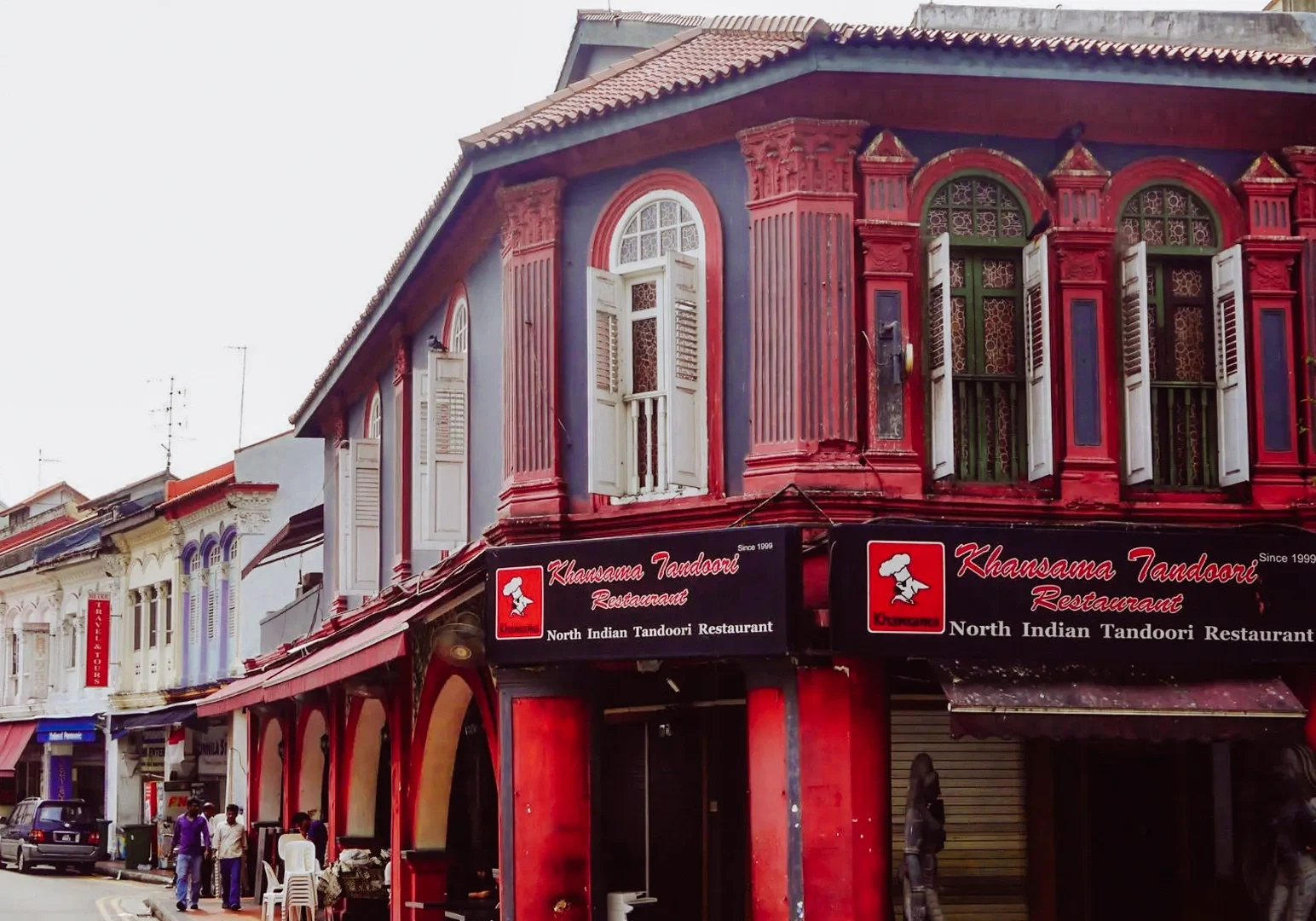
For those contemplating restaurant ventures in Singapore, the lessons from established leaders offer clear guidance.
Begin with clarity of vision—pursue authentic concepts rather than fleeting trends. Respect financial realities, understanding that while passion drives creativity, sound accounting enables sustainability. Invest meaningfully in staff development, recognizing that team members represent your most valuable resource. Consider unique spatial arrangements—such as dedicating upper levels to main course service—that can distinguish the dining experience while serving practical purposes. Finally, embrace the long view, understanding that genuine success develops over years rather than months. Celebrated establishments typically reflect decades of patient refinement rather than sudden inspiration.
Sustainable achievement differs fundamentally from temporary popularity because it rests upon earned trust. Diners return not merely for exceptional food but because they trust these establishments to deliver meaningful experiences consistently—whether enjoying morning kaya toast and tea, midday meals at Maxwell Food Centre, or elaborate tasting menus at Michelin-starred destinations.
The Entire Experience of Singapore Restaurants at National Gallery Singapore and Beyond
Restaurant excellence in Singapore reflects a complex synthesis of culinary mastery, business understanding, and cultural fluency. These establishments function as more than dining venues; they serve as cultural institutions that articulate Singapore's evolving identity.
Browse to discover the careful orchestration of kitchen operations, thoughtful design details, and culinary artistry that defines each preparation—from signature seafood and carefully prepared meats to considered desserts, distinctive burnt ends, traditional chicken preparations, curry dipping sauces, oscietra caviar, and rice preparations—served in the finest establishments across this remarkable city.
Whether one seeks the familiar comfort of authentic Peranakan traditions or the refined precision of contemporary fine dining at Marina Bay Sands, Singapore's culinary landscape offers profound dining experiences that speak equally to residents and visitors who approach food as cultural conversation rather than mere consumption.