
Stories on the Street: Following Singapore’s Food Migrants
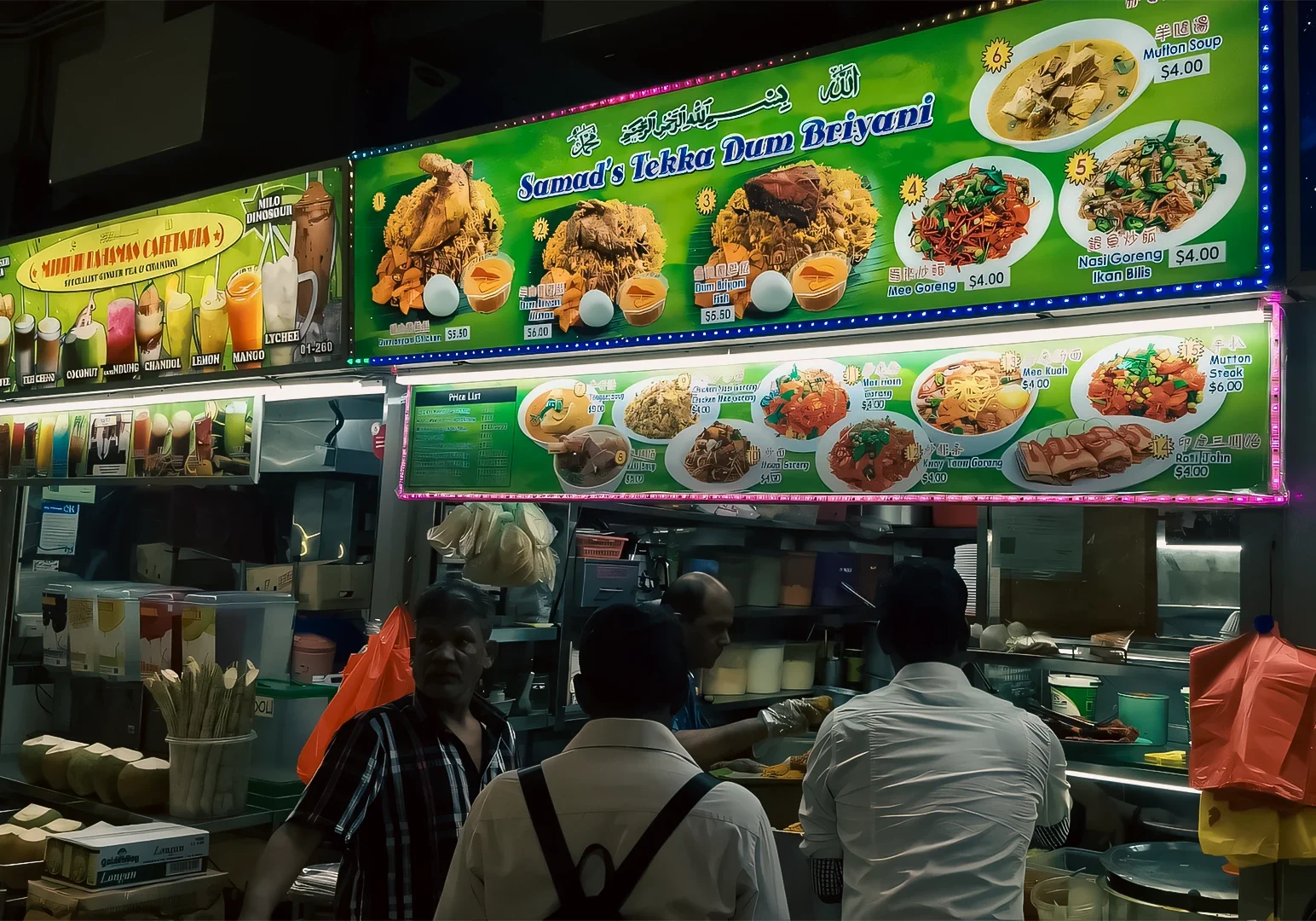
The story of Singapore is inextricably linked to the story of its food. But within this grand narrative are countless smaller, more intimate tales, often found not in fine dining restaurants, but in the humble coffeeshops and hawker centres that form the heart of our communities. These are the stories of Singapore’s food migrants—the men and women who bring with them the flavors of their homelands, enriching our culinary landscape one plate at a time.
Recently, I have made it a quiet mission to listen to these stories. I’ve sat in unassuming stalls, speaking with owners from different corners of Asia, learning about the journeys that led them here. Each conversation reveals a profound truth: food is never just sustenance. It is a vessel for memory, a bridge to a life left behind, and a tangible expression of hope for a new beginning.
I met a woman from northern Thailand who runs a small Isaan eatery in a quiet HDB estate. As she pounded green papaya in a heavy clay mortar, she spoke of her village, of the specific herbs that grow wild in the fields back home. Here, sourcing those exact ingredients is a weekly challenge, a determined quest through wet markets and specialty grocers. Her food is not just a commercial product; it is a meticulous reconstruction of home. Each dish she serves is a testament to her resilience and a refusal to let distance dilute her heritage.
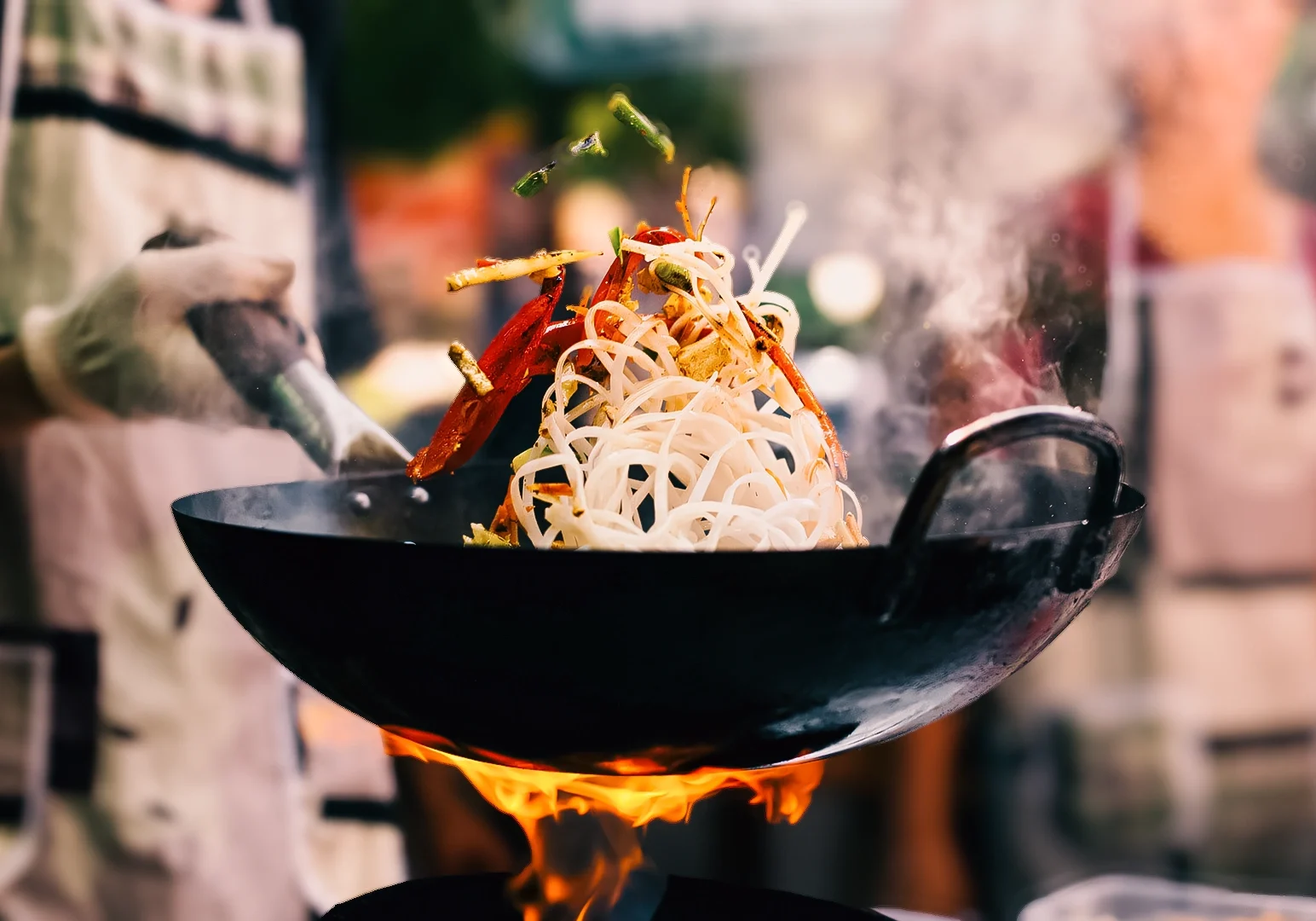
In another conversation, a young man from China’s Sichuan province shared his dream of introducing Singaporeans to the true, multi-layered complexity of his region’s cuisine. He spoke of the "ma" and the "la," the numbing and the spicy, not as a brutal assault on the senses, but as a delicate, fragrant dance. His journey was one of labor and sacrifice, working long hours to save enough to open his own small restaurant. His menu is his manifesto, an educational tool to correct misconceptions and share the authentic taste of his culture.
These encounters are deeply moving because they reveal the humanity behind the transactional nature of buying a meal. When you understand the story of the person cooking your food, the dish itself takes on a new dimension. You are no longer just a customer; you are a participant in a story of migration, cultural exchange, and immense personal effort. The meal becomes a record of a life lived, of struggles overcome, and of traditions lovingly preserved against the odds.
These stall owners and small restaurateurs are essential threads in the fabric of our society. They are not just feeding our stomachs; they are feeding our understanding of the world. They bring diversity to our palates and depth to our communities, reminding us that Singapore has always been, and continues to be, a place built by the courage and contributions of migrants. Their stories are everywhere, simmering in pots and sizzling in woks across the island. We only need to stop, listen, and taste.