
The Enduring Question of Culinary Authority: Michelin Restaurant Singapore and the Evolution of Excellence
For decades, a Michelin star has symbolized culinary excellence worldwide. In Singapore, a city celebrated for its vibrant food scene from famed hawker stalls to luxurious fine dining, the launch of the Michelin Guide Singapore in 2016 brought an international benchmark to an already rich culinary landscape. The Michelin Star Rating System, introduced in 1926, laid the foundation for this global influence. But as the guide becomes an annual fixture, the question arises: Is a Michelin star still the ultimate measure of greatness, or has its role evolved within Singapore’s confident and diverse culinary identity?
Michelin-starred restaurants undoubtedly represent high proficiency. Michelin recognition has become a benchmark across Asia, reflecting the region’s rising prominence. Yet, with diners increasingly informed and adventurous, “greatness” is now a more personal and multifaceted concept. The star is no longer a final verdict but a starting point for broader conversations about what makes a truly exceptional dining experience.
Michelin Restaurant Singapore: What a Michelin Star Represents in Principle
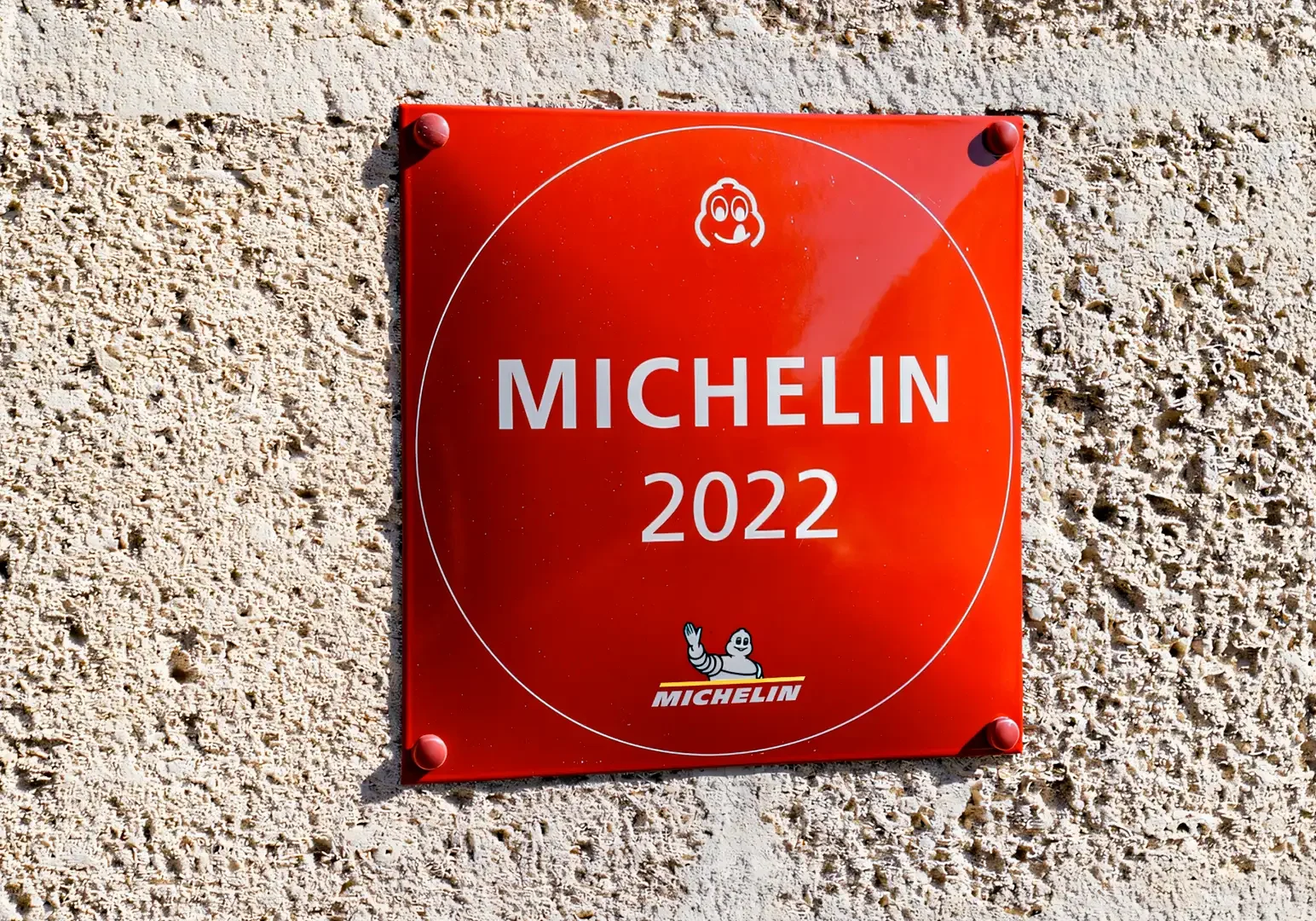
At its core, a Michelin star promises consistency and culinary excellence. It assures diners that a restaurant in Singapore has repeatedly met high standards. In a world of fleeting trends and social media hype, the star anchors expectations of technical precision and quality.
Earning a Michelin star validates immense discipline—from sourcing premium ingredients to flawless plating. It also implies polished, seamless service. The Michelin Guide identifies places where diners can expect a superior experience every time, making the star a symbol of hospitality mastery. Guests can trust that the hundredth diner will receive the same care as the first.
Chef Kirk Westaway and Kirk Westaway Jaan: The Dining Experience Under Michelin Recognition with Breathtaking Views
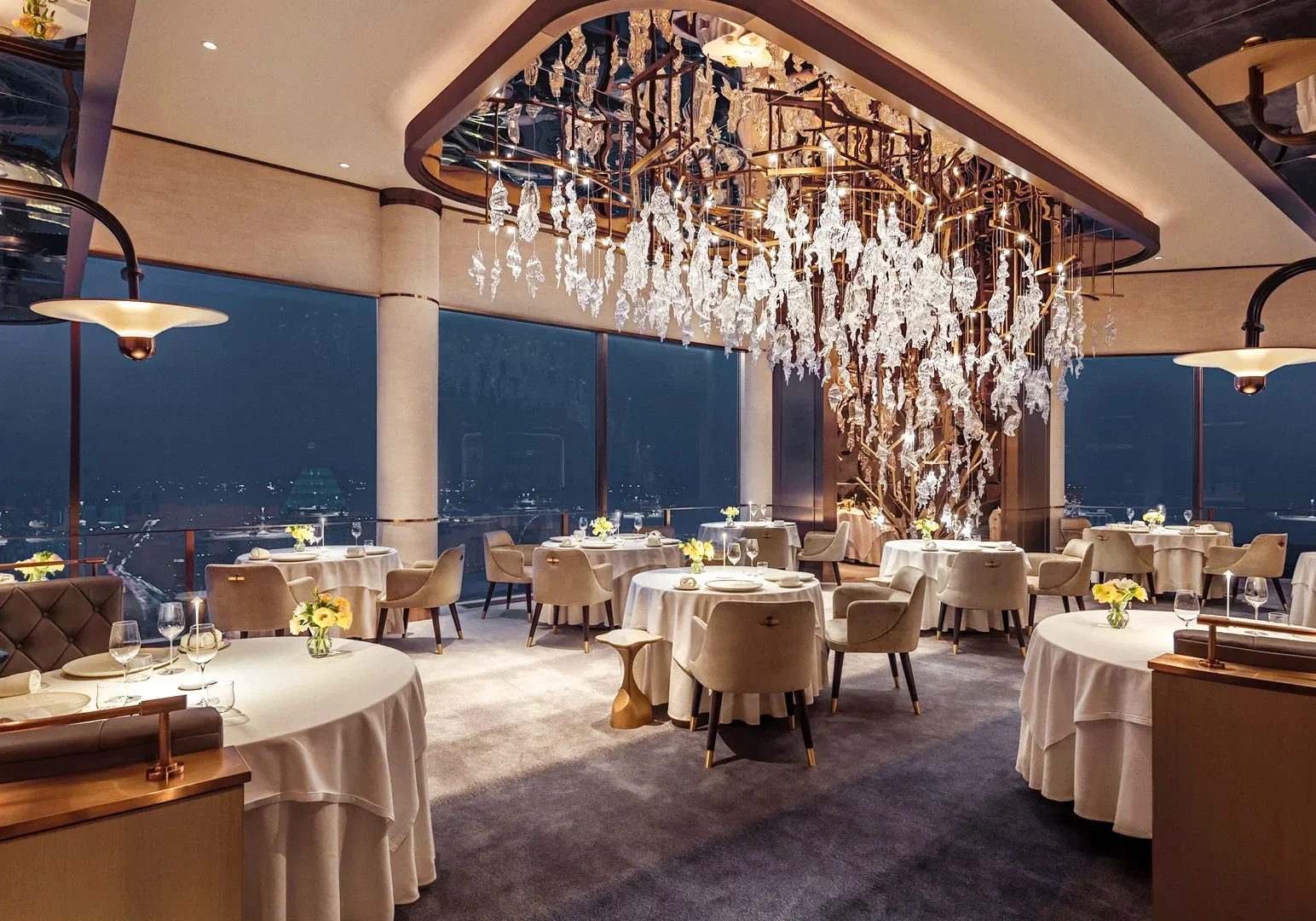
Entering a Michelin-starred restaurant, guests expect precision—in knife work, food temperature, and course timing. This pursuit of perfection often creates a serene, formal atmosphere where every plate and service gesture has intent.
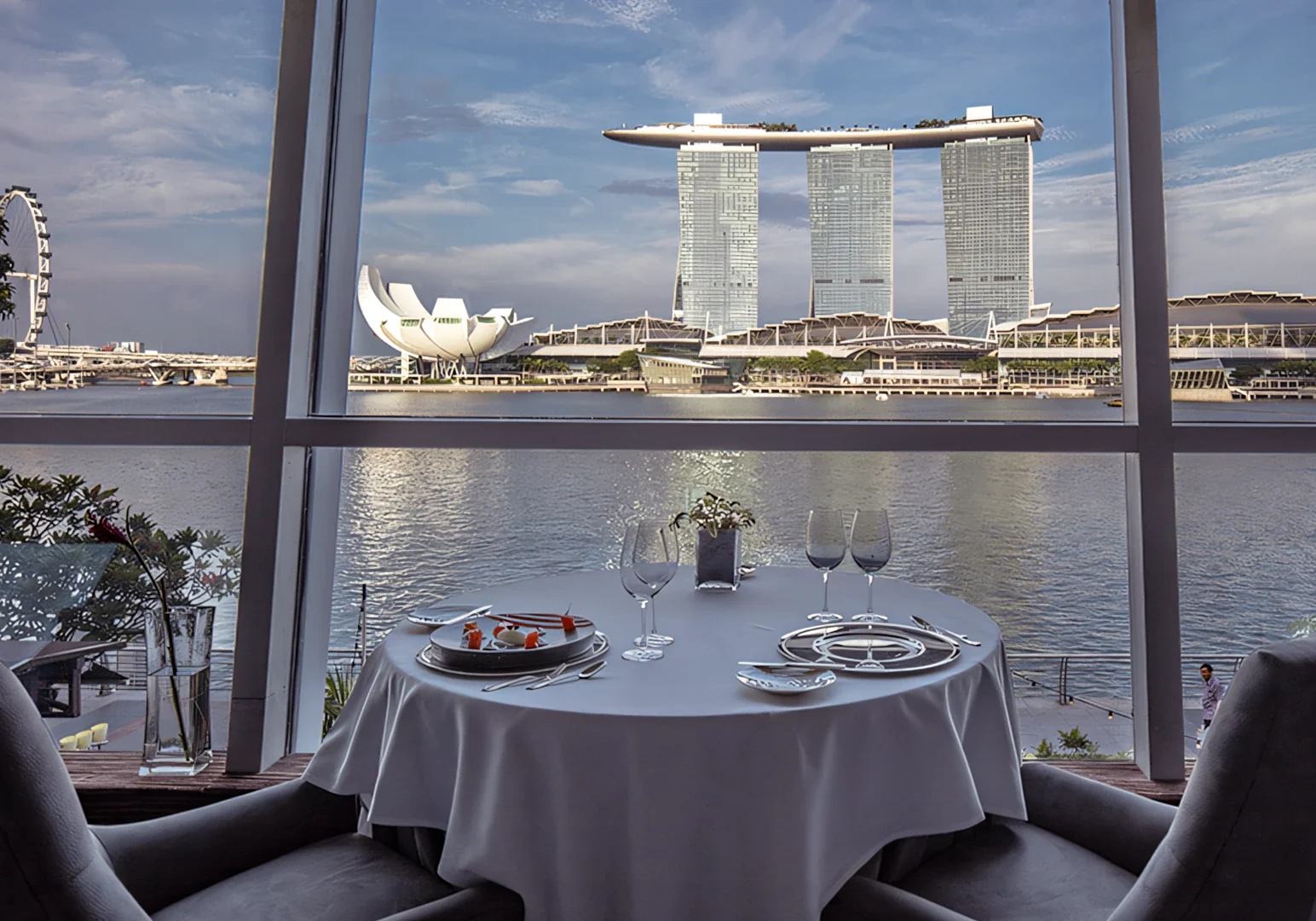
Kirk Westaway Jaan, located on the 70th floor of Swissôtel The Stamford, exemplifies this. With breathtaking panoramic views of the Singapore skyline and Marina Bay waterfront, it offers an intimate dining experience with just 35 guests. The restaurant presents a multi-sensorial journey through Devon, featuring modern British cuisine crafted with passion and precision. A formal dress code complements the refined atmosphere.
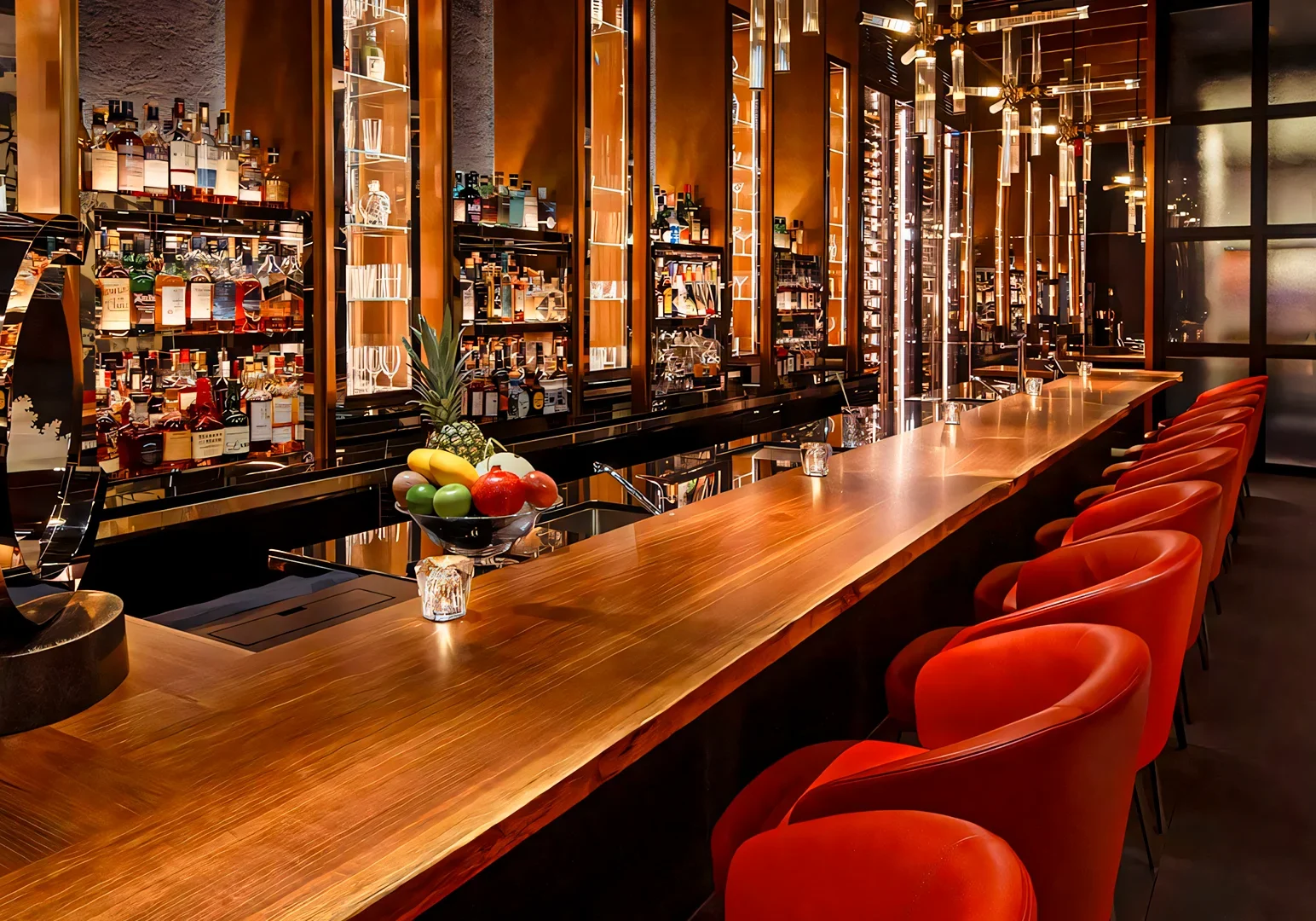
JAAN by Kirk Westaway is celebrated in the Michelin Guide Singapore for its extraordinary lunch and dinner menus that delight the taste buds. The bar provides a sophisticated setting for curated cocktails, enhancing the social aspect of dining. Weekend brunches here offer special dishes and champagne, perfect for celebrations.
More Michelin-Starred Destinations in Singapore
Other Michelin-starred restaurants like Burnt Ends and CUT by Wolfgang Puck are renowned for their custom-built grills, expertly preparing premium beef cuts with smoky flavours. CUT is recognized as one of Singapore’s top Wagyu beef restaurants. Premium seafood also features prominently, showcasing freshness and culinary expertise.
Dining at night in these venues offers breathtaking views and a unique atmosphere, with locations like One Fullerton adding exclusivity. Many Michelin restaurants in Singapore are led by world renowned chefs, bringing global excellence and diverse cuisines—ranging from authentic Japanese (Japan) and Korean (South Korea) to contemporary French with an Asian accent.
A curated selection of fine wines complements each meal, and private dining rooms cater to intimate celebrations. Waku Ghin by Tetsuya Wakuda, for example, offers an exclusive 10-seater Chef’s Table and private rooms for a personal experience. Chef Kirk Westaway’s passion extends beyond food to custom furniture and bespoke tableware, elevating the dining environment to an art form. Must-try dishes showcase his mastery, and reservations—including last reservation times—are closely managed to maintain exclusivity and luxury.
How Diners Interpret Michelin Stars Today: Diverse Palates and Evolving Standards in Singapore Home
For many, especially international visitors and special occasion diners, a Michelin star remains a powerful symbol of trust and prestige. It offers a reliable guide in an unfamiliar city and is often the safe choice for important business dinners or milestones.
However, many local, food-savvy diners view the star with nuance. They recognize the guide’s specific criteria but also value peer recommendations, in-depth reviews, and global conversations on platforms like the Black Pearl Restaurant Guide. For them, a Michelin star is significant but not definitive. They may praise a one Michelin star restaurant’s exquisite cuisine yet critique its soul, or champion unstarred places for creativity and warmth.
This shift reflects a more democratic dining culture where personal experience and diverse opinions shape what excellence means. For those eager to explore Singapore's vibrant culinary scene further, we invite you to visit topsingaporerestaurants.com, the ultimate resource for discovering the city’s finest eateries.
Michelin Guide Singapore and Beyond: One of Many Benchmarks Including Hawker Stalls and Bib Gourmand Recognised Eateries
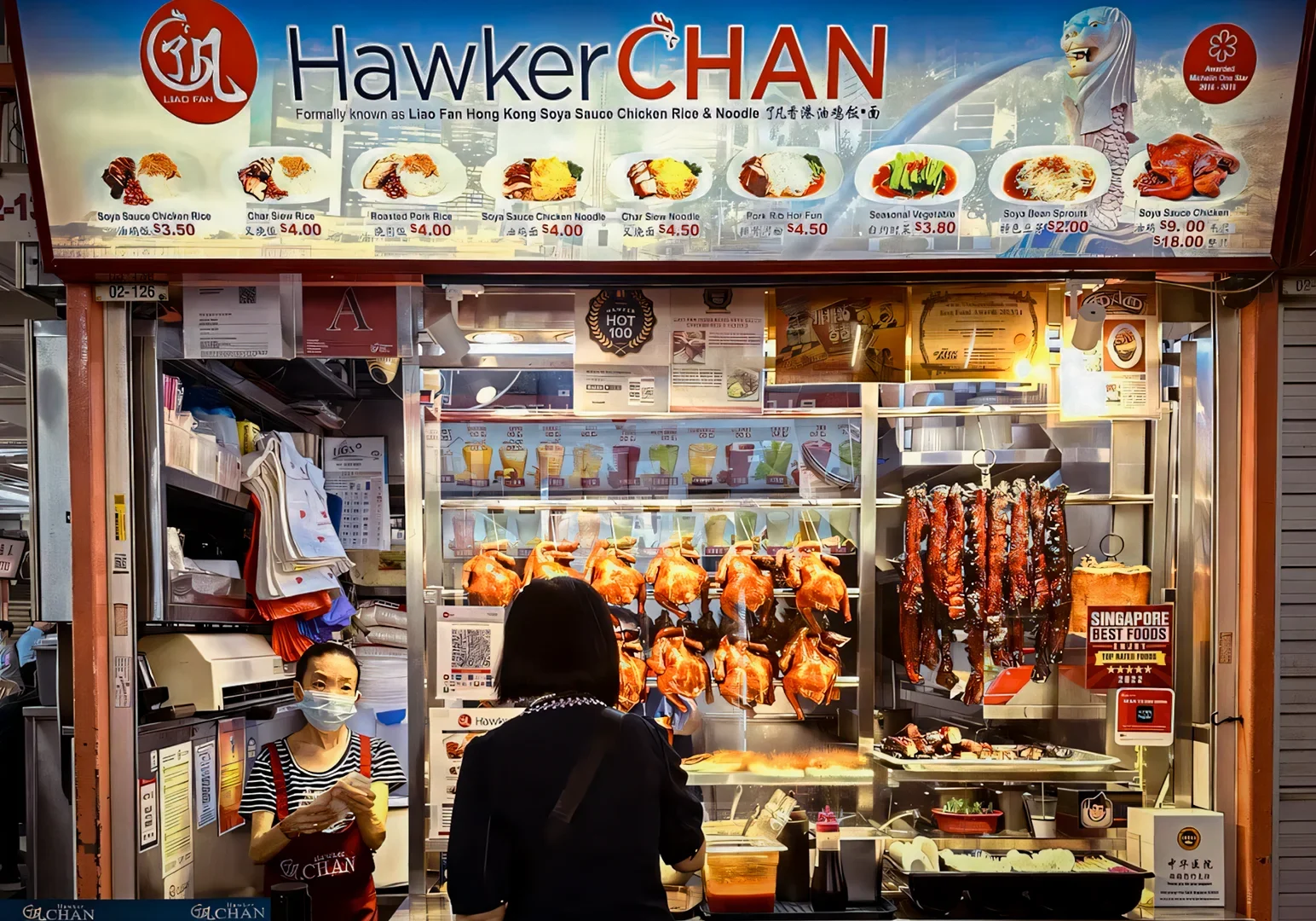
The Michelin Guide Singapore is no longer the only authority on excellence. It is one among several benchmarks, each emphasizing different values. While Michelin focuses on technical mastery and consistency, other guides celebrate innovation, community, and authentic local flavors; from refined tasting menus to what many consider the coolest restaurants Singapore, spanning fine dining and beloved hawker traditions.
Singapore’s Bib Gourmand eateries and hawker stalls—famed for their exceptional value and flavor—are recognized alongside fine dining. This includes celebrated hawker stalls that satisfy every craving with authentic dishes, highlighting the city’s culinary diversity.
Social media has decentralized culinary authority further, allowing chefs to build global followings directly. Diners access diverse information sources, from professional critiques to candid user reviews.
This variety signals a mature dining culture where Singaporeans curate their own definitions of excellence, whether savoring refined French cuisine with an Asian accent at Saint Pierre under chef owner Emmanuel Stroobant or exploring modern Singaporean flavors with chef LG Han at Labyrinth.
Inside the Michelin Inspection and Assessment Process: How Stars Are Awarded and What It Means for Singapore Restaurants
Michelin inspectors, anonymous and self-paying, visit Singapore’s restaurants to capture authentic kitchen rhythms. They assess ingredient quality, technique, flavour harmony, and consistency, reflecting both culinary philosophy and technical skill.
Recognition through stars alters a restaurant’s standing profoundly. For establishments like Kirk Westaway Jaan, which reinterprets modern British cuisine with passion and custom furniture, or Saint Pierre, blending French tradition with Asian accents, the star validates cultural dialogue and culinary identity.
Booking a Michelin-starred table in Singapore often requires advance planning, adding to the experience’s anticipation. Meanwhile, hawker centres offer spontaneous discoveries that create lasting memories. This dual rhythm—choreographed fine dining and impromptu street food—defines Singapore’s unique food culture.
Ultimately, the Michelin Guide serves as a cultural document, chronicling how Singapore expresses identity through food. From three Michelin stars kitchens to neighborhood hawker stalls, it celebrates diverse culinary excellence deserving of both celebration and preservation.
Conclusion: Michelin’s Valued Role Amid Singapore’s Culinary Diversity and the Global Culinary Scene
The Michelin Guide remains a vital and respected force in Singapore’s fine dining scene, recognizing technical skill, consistency, and passion. Earning a star brings international acclaim and business success. For diners, it is a trusted mark of quality.
However, its role as the ultimate benchmark has evolved. In Singapore’s dynamic and diverse culinary landscape, no single guide can capture all that makes a restaurant great. Excellence now includes technical mastery, service warmth, and authentic storytelling.
Michelin’s greatest legacy in Singapore may be the conversations it has sparked—encouraging chefs and diners to think critically about standards and quality. Today, a Michelin star restaurant in Singapore is not the final word but an important part of an ongoing, vibrant dialogue about culinary greatness.