
How Words Shape Our Dining Choices
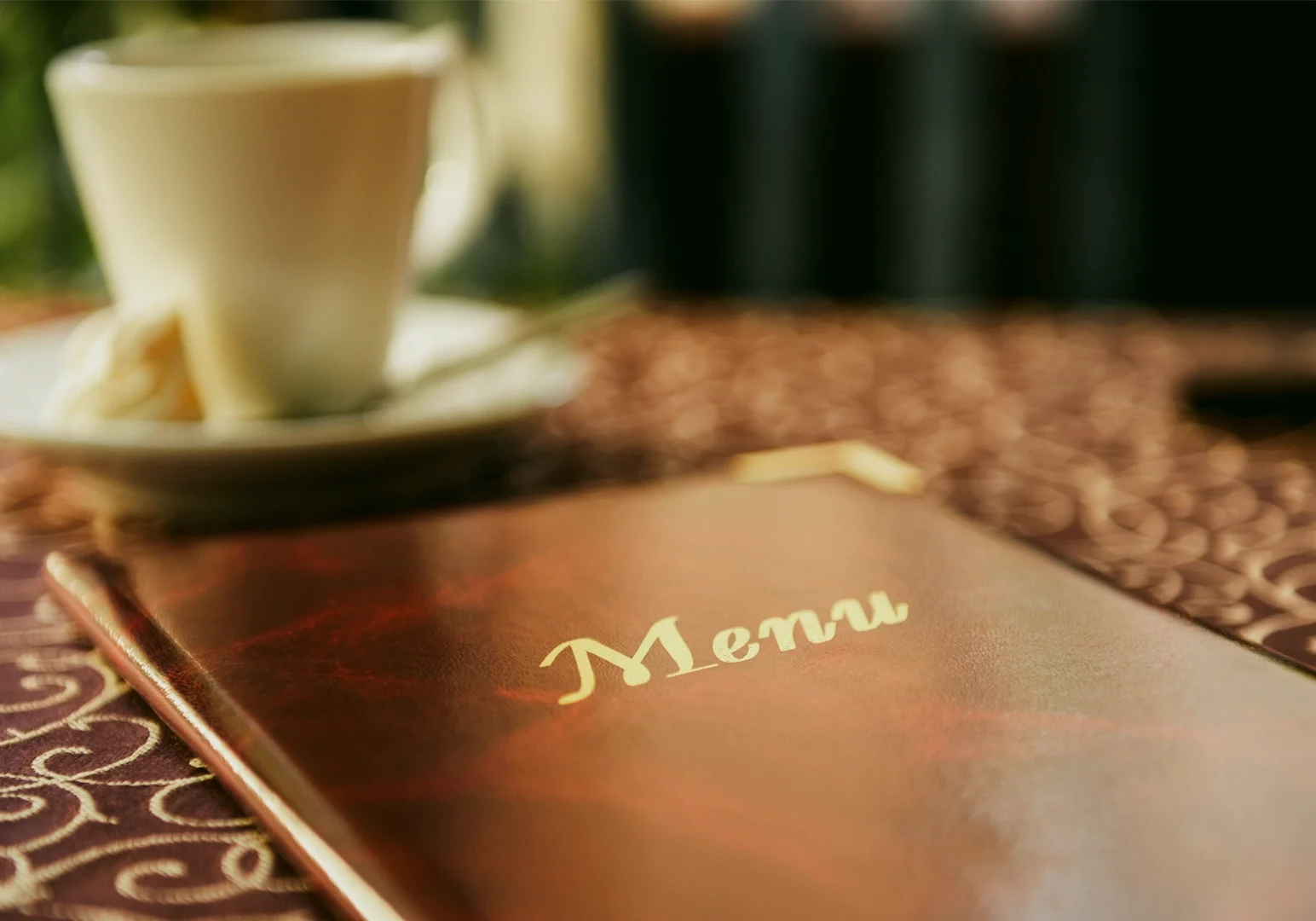
The moment you sit at a restaurant table and open the menu, a subtle psychological negotiation begins. Long before a plate arrives, you consume the meal through language. A menu is rarely just a pragmatic inventory of ingredients. Instead, it serves as a carefully constructed piece of persuasive literature, designed to pre-season your food and guide your expectations.
The words we read fundamentally alter the way we experience taste.
Consider the vast chasm between reading "roast chicken with carrots" and "pan-roasted heritage fowl with heirloom root vegetables." The physical dish might be identical, but the linguistic framing shifts our perception entirely.
Adjectives like "heritage," "foraged," and "heirloom" perform heavy lifting. They evoke a sense of history, artisanal care, and environmental consciousness.
We willingly invest not just in the ingredients, but in the narrative attached to them. This vocabulary triggers our sensory memory, building a vivid mental architecture of flavors before the kitchen even receives the order.
This linguistic power extends deeply into cultural identity. In Singapore’s incredibly diverse dining landscape, the way a dish is described often reflects a delicate balancing act between authenticity and accessibility.
When a restaurant chooses to list a dish as babi pongteh rather than "braised pork in fermented bean sauce," it makes a deliberate cultural statement. Retaining the native terminology honors the dish's Peranakan roots and demands a level of engagement from the diner. You can learn more about Peranakan cuisine here.
Conversely, translating a deeply traditional recipe into broad, utilitarian terms can sometimes strip away its historical weight, reducing a centuries-old cultural artifact to a simple protein-and-carb equation.
The specific language chefs employ also reveals our collective desires. We crave reassurance when we dine out. Words emphasizing ethical sourcing, local origins, and slow cooking methods dominate modern menus because they align with our shifting values.
We want our food choices to reflect our principles, and we rely on the menu to provide that moral comfort.
The language assures us that we are making the right choice.
Treat the document not just as a price list, but as a deliberate narrative crafted to shape your evening. Pay attention to the adjectives that catch your eye and the cultural markers that draw you in.
By understanding the invisible influence of these words, you can gain a deeper appreciation for the profound connection between language, culture, and the food on your plate.