
The Meal That Made Me Rethink Simplicity
We spend so much of our dining lives chasing noise. We look for the newest flavor combination, the boldest spice blend, or the most intricate plating. For a long time, I equated culinary brilliance with complexity. I thought a chef's skill was measured by how many elements they could balance on a single plate.
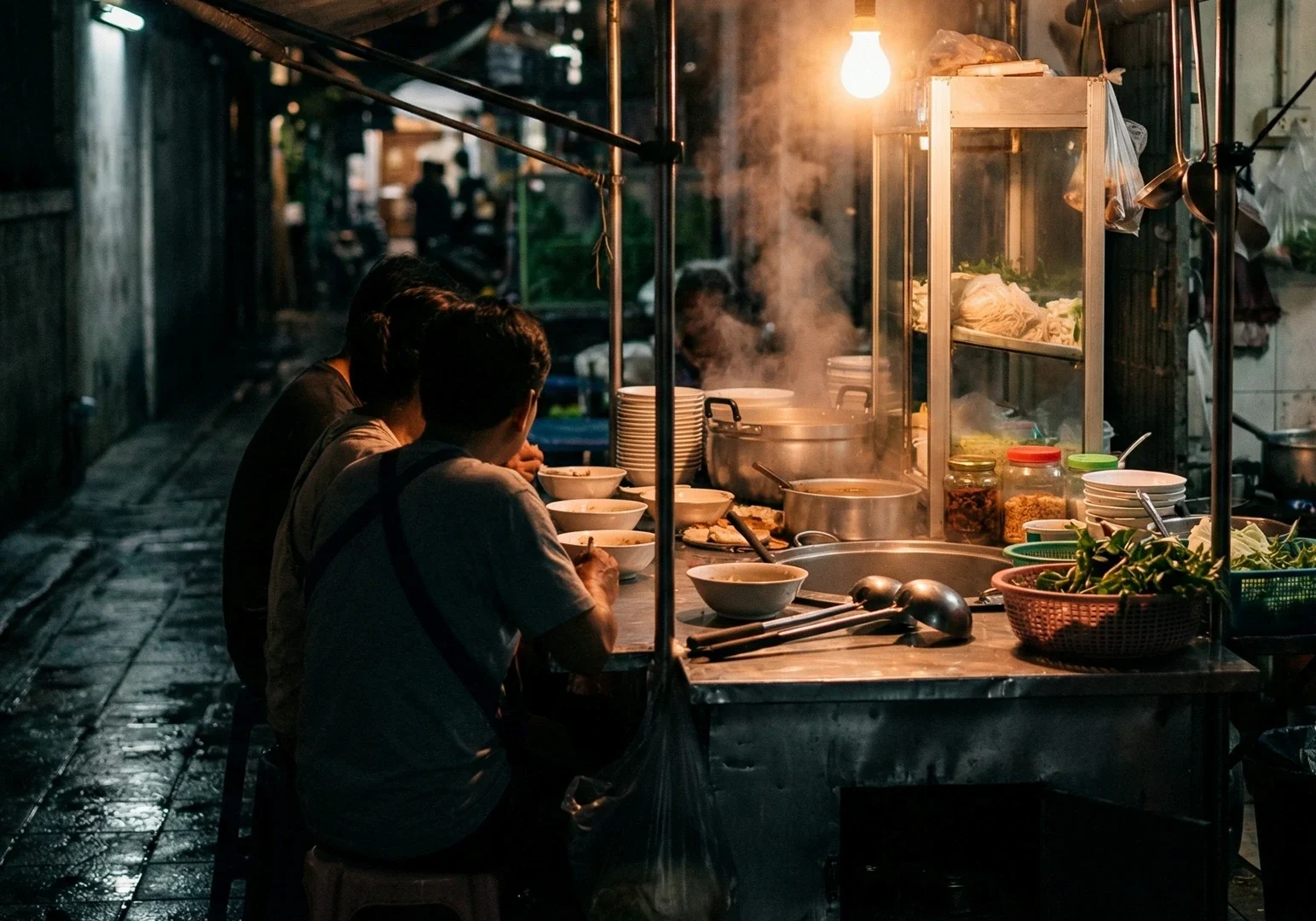
Then, I sat on a wobbly plastic stool in a quiet, forgotten alleyway and had a meal that completely dismantled that belief.
The eatery did not have a formal name, at least not one written on a signboard. It was a narrow, open-air stall tucked behind a bustling morning market. The air smelled of rain-dampened pavement and wood smoke. The menu consisted of exactly one item: clear noodle soup. Behind the steaming metal pots stood an elderly man, his shoulders slightly stooped.
He moved with the quiet, deliberate economy of someone who had performed the exact same motions for half a century. There was no frantic rushing, no shouting over orders. I just heard the rhythmic, comforting sound of a ladle tapping against the side of a heavy pot.
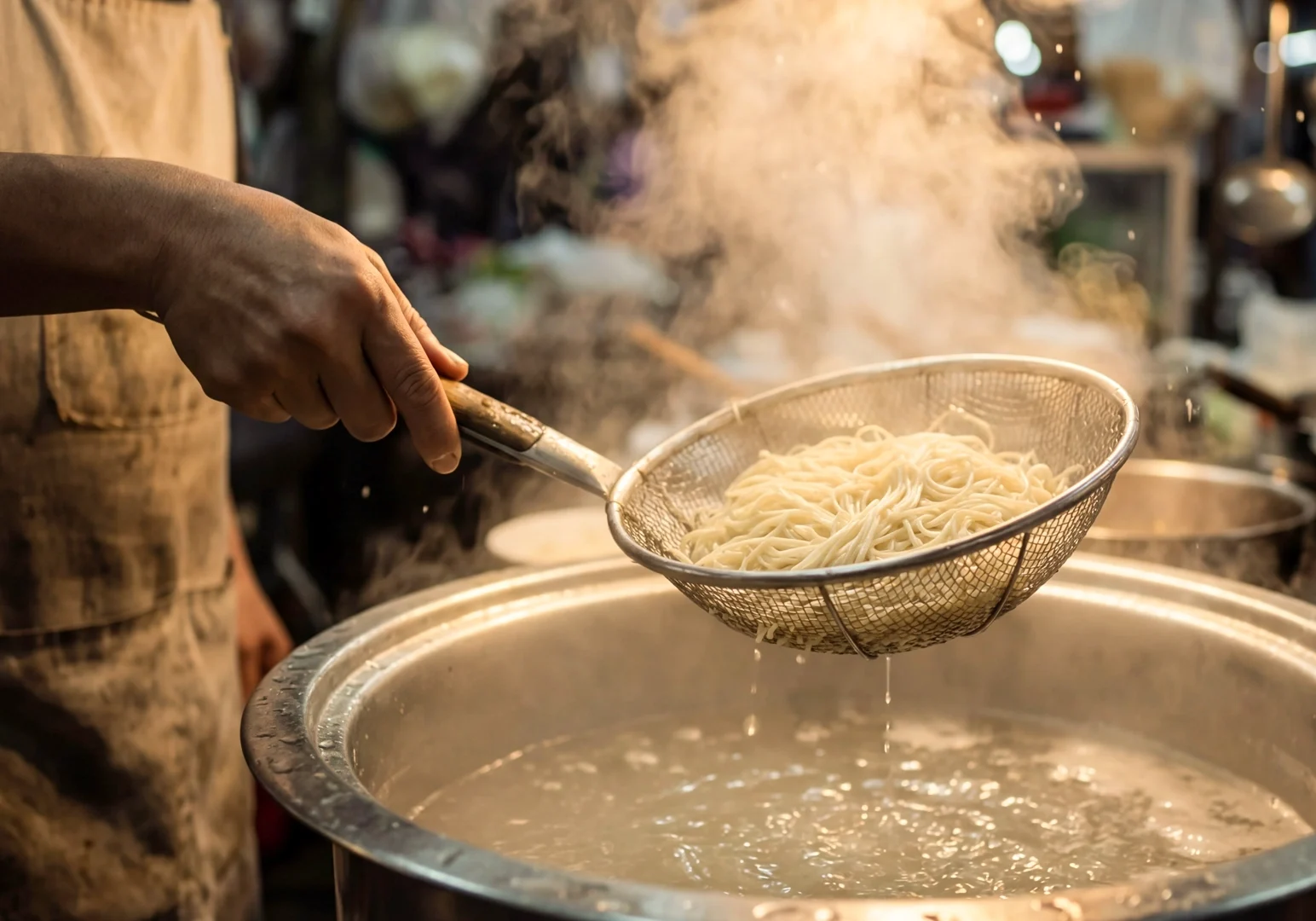
I ordered a bowl and watched him work. He blanched the thin noodles for barely ten seconds, flicked his wrist to drain the water, and submerged them in a pale, golden liquid. He added a single drop of oil and a dusting of white pepper. That was the entire process.
When he placed the bowl in front of me, it looked almost naked. The broth was completely translucent. The noodles sat neatly at the bottom, accompanied by just two thin slices of poached pork and a sparse scattering of green scallions.
There was absolutely nowhere to hide. In modern kitchens, a heavy sauce can mask an overcooked protein. A striking visual presentation can distract from a flawed cooking technique. But here, with just three primary components, any mistake would be immediately obvious.
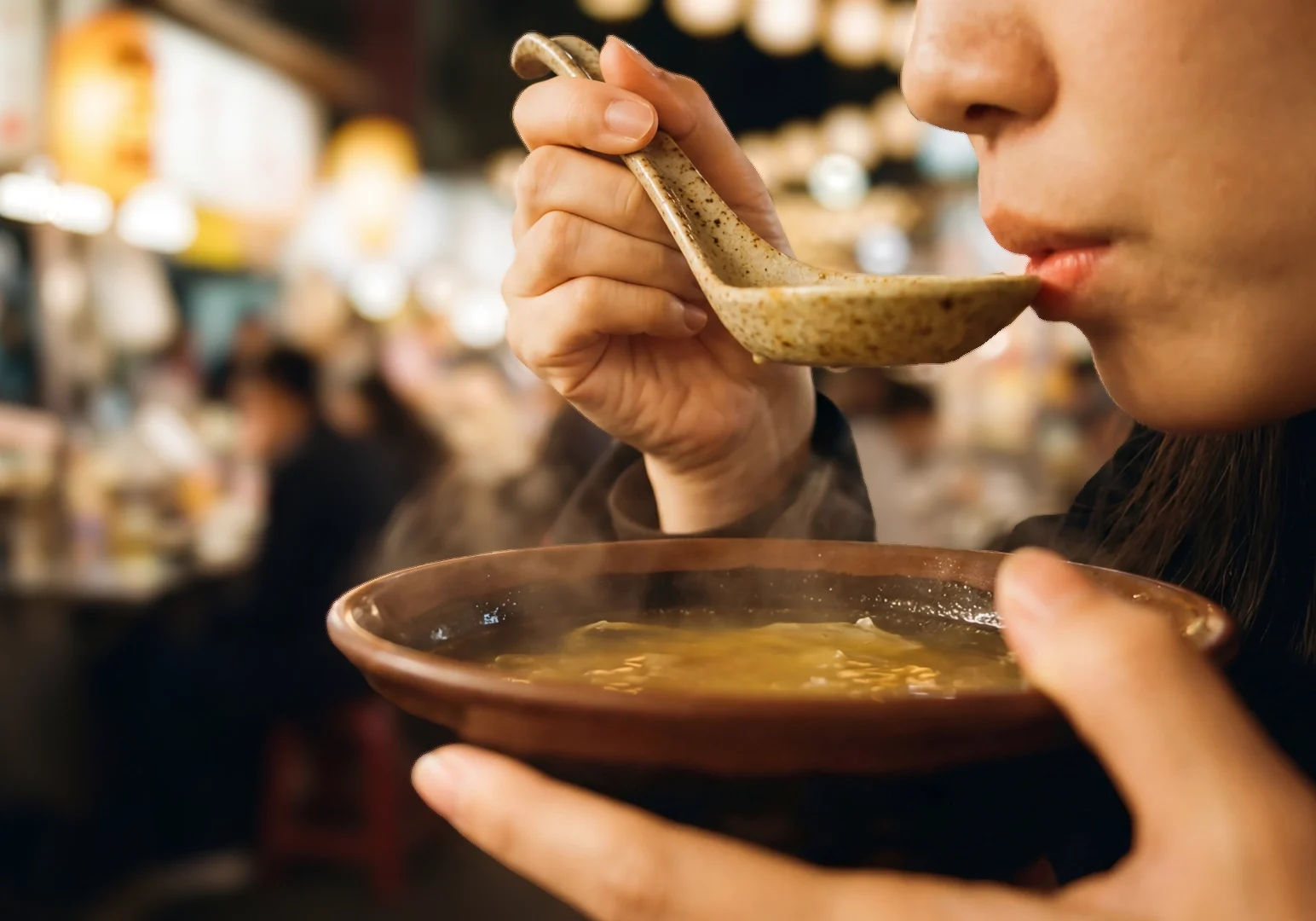
I picked up my ceramic spoon and took the first sip. I had to close my eyes.
The broth was not loud, but it possessed a staggering depth. It tasted of time. You could feel the hours of gentle, rolling simmers, the careful skimming of impurities, and the precise control of the fire. The flavor of the bones was pure and concentrated, yet the liquid felt impossibly light on my palate. The noodles offered a resilient, joyful chew that resisted the teeth just enough before yielding. Every element served a distinct purpose. Nothing competed for attention.
This was not a simple dish. It was the result of severe, unyielding editing. The chef had spent decades stripping away the unnecessary. He refined the essential until only the absolute truth of the ingredients remained. In our modern food culture, we often confuse complication with elevation. We forget that the foundations of our culinary heritage were built on respect for the ingredient, not the manipulation of it.
As I finished the last drop of the soup, I realized how much courage it takes to serve something this stark. It requires a profound respect for the lineage of the recipe and an absolute confidence in one's craft. Restraint, I learned that morning, is a chef's greatest vulnerability. When you strip away the garnishes and the culinary tricks, you offer the diner a direct line to your history.
I left the alleyway feeling strangely grounded, my perspective entirely shifted. I still appreciate the wild creativity of a complex tasting menu. However, my measure of culinary greatness has changed. I no longer look for how much a chef can add to a plate. Instead, I look for how much they are brave enough to leave out.
Embark on your own culinary journey and discover the masters of both innovation and tradition. Visit topsingaporerestaurants.com to find the establishments that are defining Singapore's vibrant food scene, one perfectly crafted plate at a time.