
Here Are The 5 Best Places for Authentic Peranakan Food Singapore That Await You
Peranakan food Singapore is a unique culinary tradition that beautifully blends Chinese, Malay, and Indonesian influences, reflecting centuries of intermarriage and cultural exchange. For diners seeking curated recommendations, topsingaporerestaurants.com offers a comprehensive guide to the best Peranakan restaurants, including halal Peranakan food options and modern Peranakan restaurants that put a modern twist on classic dishes, across Singapore.
A Rich Cultural Fusion
As the cultural heartland of Peranakan cuisine, Singapore provides an unparalleled opportunity to discover authentic dishes, from traditional family recipes passed down through generations to modern interpretations that honor Peranakan heritage while embracing innovation. Locals and visitors alike love Peranakan food for its bold, aromatic flavors and rich cultural significance, featuring signature dishes like ayam buah keluak, nyonya laksa, and babi buah keluak.
Many restaurants serve specialties such as blue swimmer crab curry, fried rice, and babi buah, highlighting the cuisine's rich culinary heritage and use of ingredients like crab meat, lime leaves, and chilli padi.
Culinary Innovators and Heritage Keepers
Renowned chefs such as Chef Malcolm Lee of Candlenut, the world's first Michelin starred Peranakan restaurant, have elevated these traditional dishes to new culinary heights, blending heritage with innovation.
From innovative dishes like the ayam buah keluak burger at modern eateries to timeless classics served at heritage-rich Peranakan restaurants, Singapore’s vibrant food scene offers something for every palate. With halal-certified kitchens and establishments nestled near iconic neighborhoods such as Joo Chiat and Katong, diners can embark on a rich culinary journey that celebrates authentic flavors and cultural heritage.
Now, let’s explore the best traditional Peranakan restaurants that preserve and showcase this cherished culinary legacy.
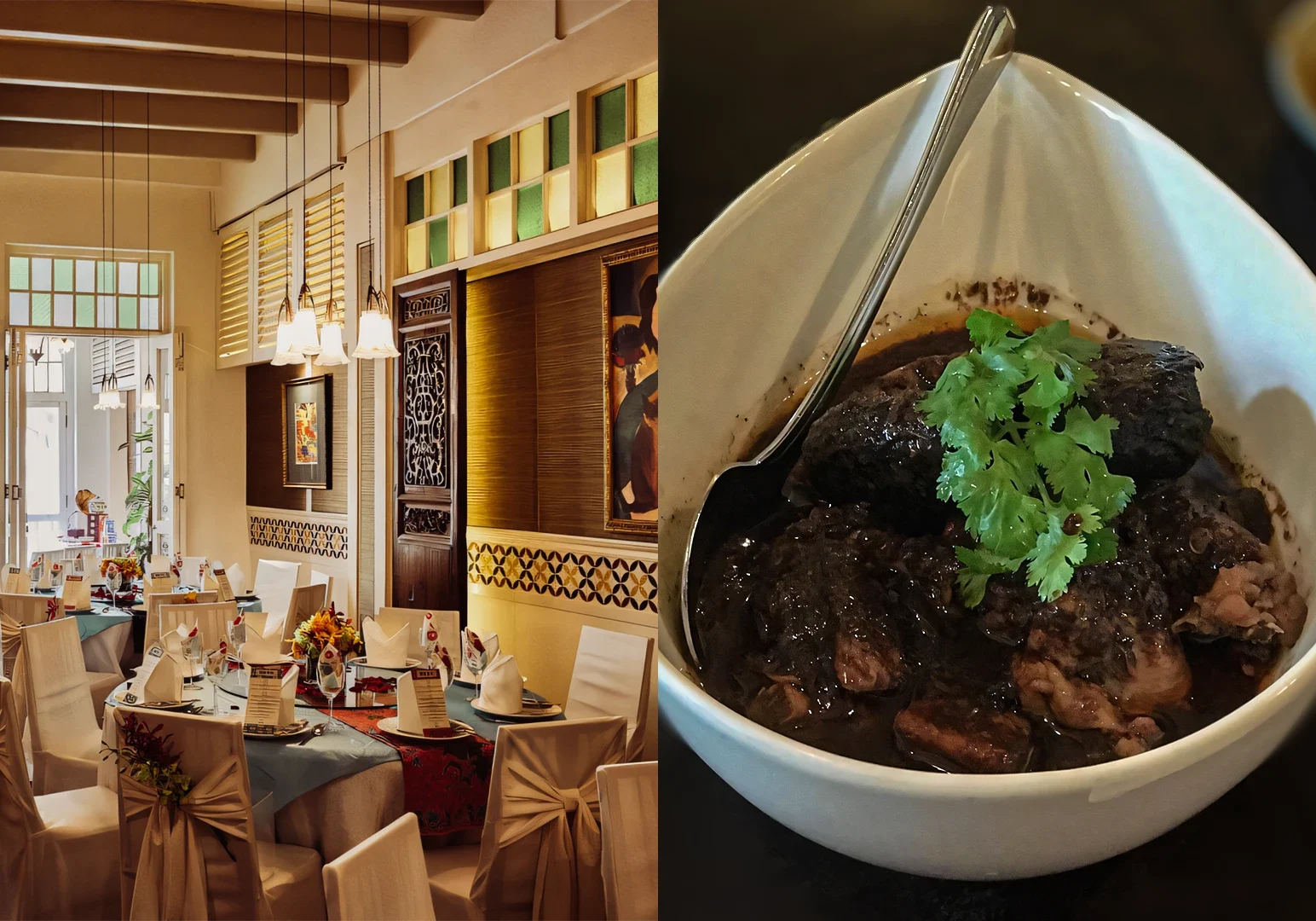
The Blue Ginger, located in Tanjong Pagar and Great World, offers authentic Peranakan food with popular dishes like ayam buah keluak (around S$30), babi pongteh, and nonya chap chye. Prices generally range from S$20 to S$35 per dish, reflecting good value for traditional flavors.
The cozy setting and traditional decor make it a great spot for both lunch and dinner, delivering a genuinely satisfying Peranakan dining experience. This only Peranakan restaurant captures the essence of Peranakan culture with its la carte menu and is conveniently accessible from Orchard Road, making it a favorite among locals and tourists alike.
House of Peranakan
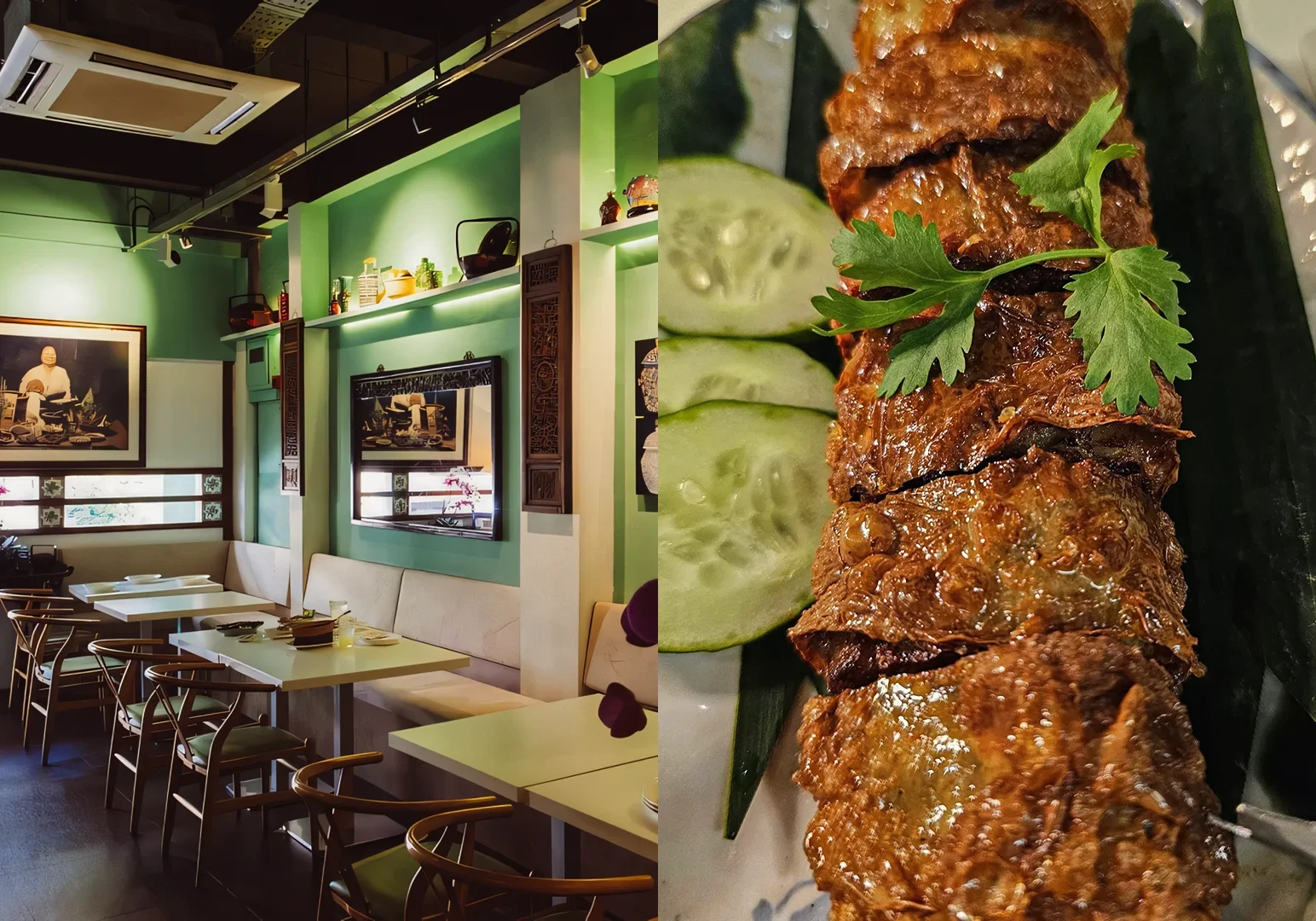
Established in the 1980s in Katong, House of Peranakan is a well-loved spot for authentic Peranakan cuisine with multiple locations, including Tiong Bahru. Known for signature dishes like assam prawns, babi pongteh, and ngoh hiang, it offers a cozy, homey atmosphere that invites diners to savor traditional flavors. Prices typically range from S$20 to S$35 per dish, providing good value for the quality and heritage.
Located in heritage-rich Katong near landmarks like Joo Chiat Police Station, the restaurant combines attentive service with a well-curated menu that caters to both newcomers and seasoned fans of Peranakan food. Overall, it’s a reliable choice for those seeking a genuine taste of Peranakan culture in a comfortable setting.
The Peranakan Restaurant
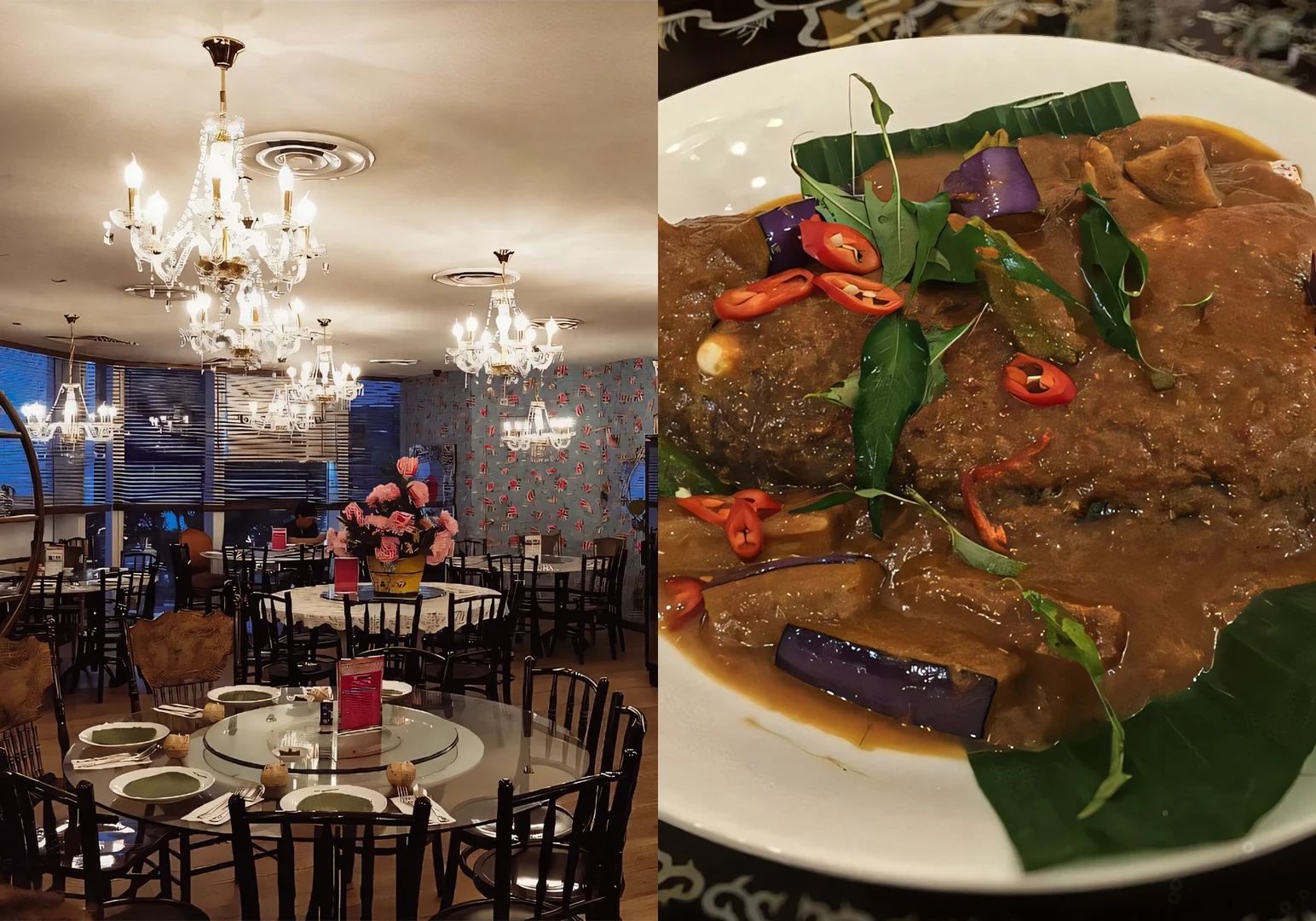
Situated in Lengkok Bahru, The Peranakan Restaurant is led by Executive Chef Raymond Khoo, dedicated to preserving authentic Peranakan food through recipes passed down for three generations. The menu features popular dishes like ayam buah keluak, babi pongteh, and nonya chap chye, known for their tender meats and balanced flavors enhanced by slow-cooked gravy. Prices range from S$20 to S$35 per dish, offering good value for traditional Peranakan cuisine.
The cozy and intimate setting adds to the warm dining experience, making it a favored spot for those seeking genuine Peranakan food in Singapore. Located conveniently in Lengkok Bahru, this restaurant is ideal for diners wanting to savor authentic nyonya flavors in a comfortable environment.
Guan Hoe Soon Restaurant
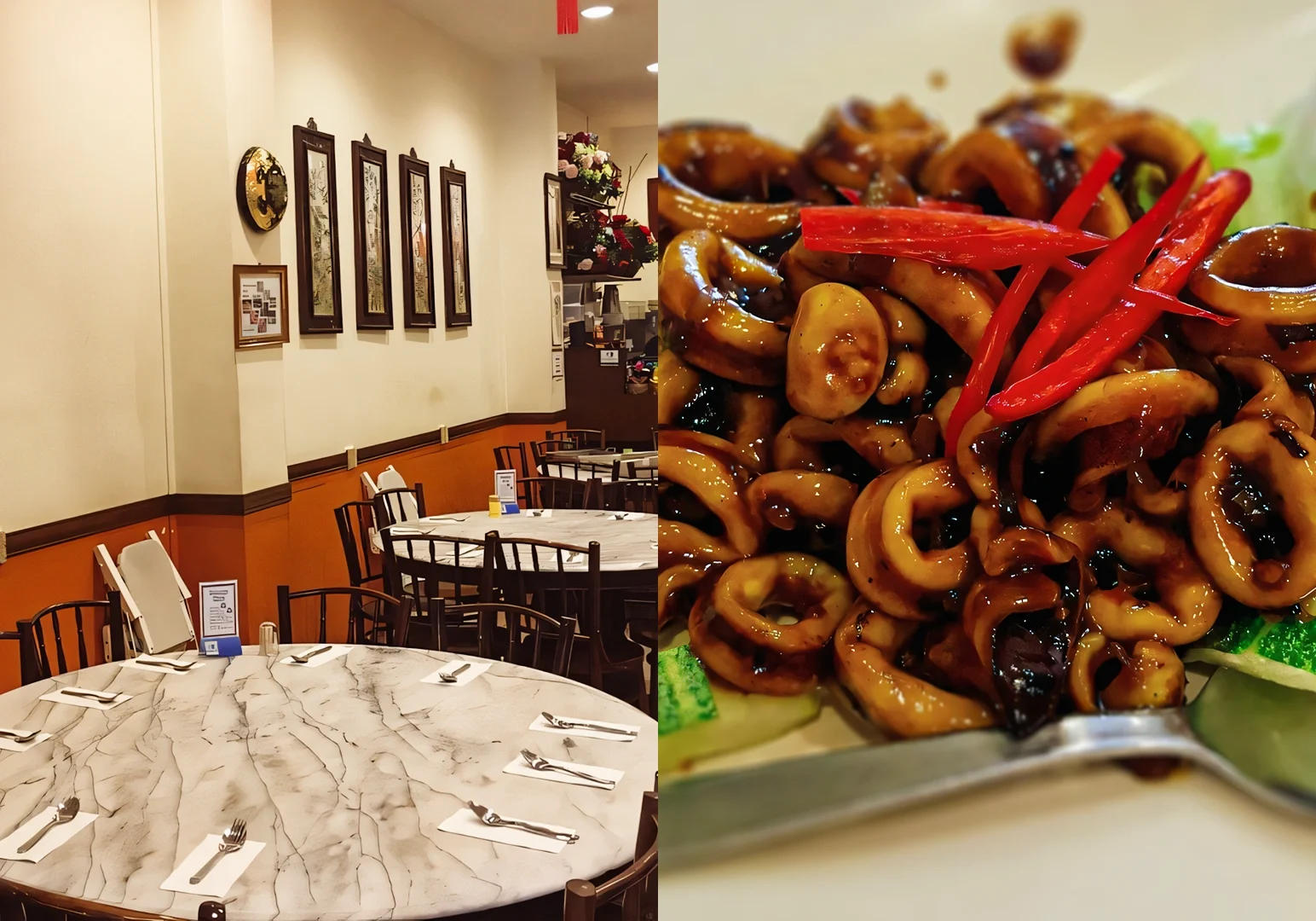
Located in the east of Singapore, Guan Hoe Soon is renowned for its authentic Peranakan cuisine, especially the meticulously prepared ayam buah keluak, which involves a 5-7 day process to develop its rich, earthy flavor. Popular dishes include rempah udang, bakwan kepiting meatballs, and sotong masak hitam, all showcasing the perfect balance of sweet, sour, and spicy flavors typical of nyonya food. The traditional setting complements the dining experience, making it ideal for dinner and special occasions.
Prices typically range from S$15 to S$35 per dish, offering good value for the quality and heritage. Located in a heritage-rich area, Guan Hoe Soon is a favorite among locals and visitors seeking authentic Peranakan food Singapore with delicious flavors and a commitment to culinary tradition. The restaurant also caters to dietary restrictions and offers healthy options, enhancing its appeal to a broad audience.
Godmama
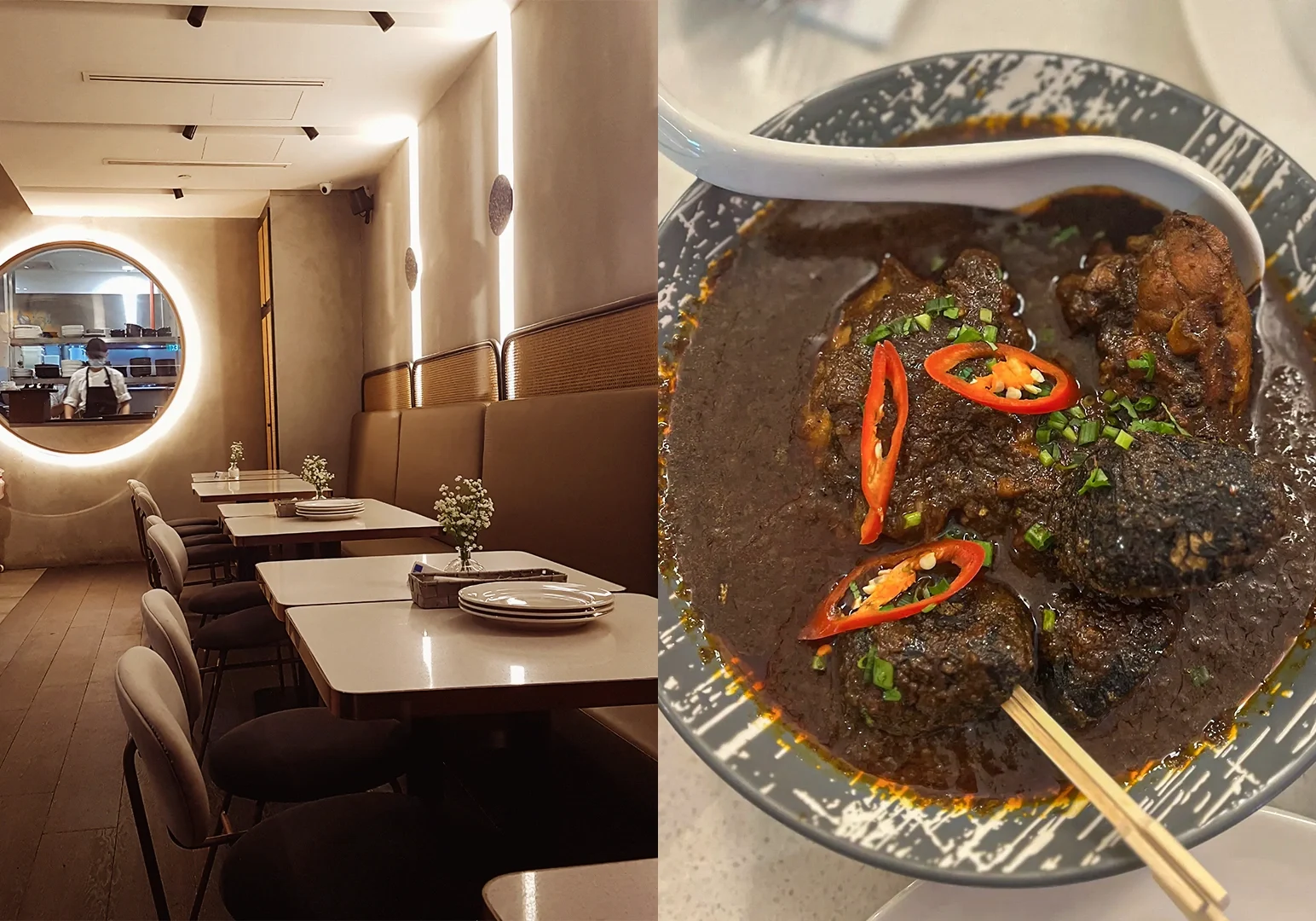
Godmama is a modern Peranakan restaurant that brings a fresh and innovative twist to traditional Peranakan food Singapore lovers cherish. Known for its vibrant flavors and creative menu, Godmama offers popular dishes such as the ayam buah keluak burger, which fuses classic ingredients with contemporary presentation, and the crayfish nyonya yellow mee, a flavorful seafood noodle dish that showcases the rich heritage of Peranakan cuisine.
Prices at Godmama are reasonable, with most mains ranging from S$20 to S$35, making it accessible for those seeking quality Peranakan food without breaking the bank.
Conveniently located at Funan Mall and Parkway Parade, Godmama provides a lively dining atmosphere suitable for casual meals and group gatherings. Its emphasis on bold spices and aromatic flavors, combined with a modern setting, makes Godmama a standout choice for diners eager to experience Peranakan food with a contemporary flair.
What is Peranakan Food and Why Singapore is the Best Place to Try It
Peranakan cuisine is one of the earliest fusion foods, created by the Straits Chinese community when Chinese immigrants married local Malay women from the 15th century onwards. This unique blend combines Chinese cooking techniques with Malay spices, Indonesian influences, and local ingredients, reflecting Singapore's rich multicultural heritage.
At the core of authentic Peranakan dishes is the preparation of rempah—aromatic spice pastes made from dried chilies, garlic, turmeric, belacan, and more, traditionally pounded by hand. This labor-intensive process produces the deep, layered flavors characteristic of nyonya food.
Singapore is the premier destination for Peranakan cuisine, preserving authentic family recipes passed down through generations. The cuisine is known for its bold balance of sweet, sour, spicy, and umami flavors, offering a harmonious complexity that distinguishes it from typical Chinese or Malay food. Notable dishes like ayam buah keluak, beef rendang, and nasi ulam showcase the rich flavors and unique ingredients that define the best Peranakan food in Singapore.
Explore Other Asian Comfort Foods
While Singapore is deeply celebrated for its heritage cuisines, the city’s dining scene also embraces international comfort food with the same passion and attention to detail. For those exploring other beloved Asian flavors after a hearty Peranakan meal, this guide to the best Japanese curry Singapore hidden favourites highlights rich, slow-simmered curry houses and cozy Japanese eateries that have quietly built loyal followings across the island.
The Rich Heritage and Flavors of Peranakan Food Singapore
Singapore's peranakan food scene represents a remarkable preservation of cultural heritage combined with innovative evolution that ensures this unique cuisine remains relevant for contemporary diners. From traditional family restaurants that guard centuries-old recipes to michelin starred establishments that elevate heritage dishes to fine dining status, the island offers an unparalleled opportunity to explore every facet of this fascinating culinary tradition.
The best way to truly appreciate peranakan cuisine involves exploring multiple establishments, comparing family recipe variations, and understanding the cultural context that gives meaning to each dish. Start your peranakan culinary journey today. Each meal offers not just sustenance, but a connection to the fascinating story of cultural adaptation and preservation that defines Singapore's multicultural identity.