
Not Just Sushi: What Makes Japanese Dining Feel Authentic in Singapore
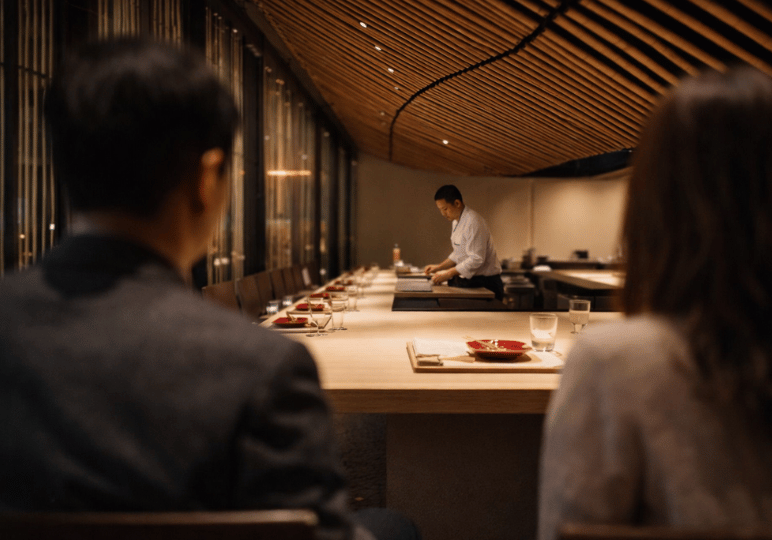
Choosing an authentic japanese restaurant singapore goes far beyond lanterns and decor. Authenticity in japanese cuisine is rooted in focus, technique, seasonality, and deep respect for tradition. This guide will help you identify genuine japanese food and dining experiences across singapore’s vibrant culinary scene, whether you seek casual ramen, vibrant izakaya culture, or refined omakase.
Authentic Japanese Food: Care, Seasonality, Tradition, and Accessibility
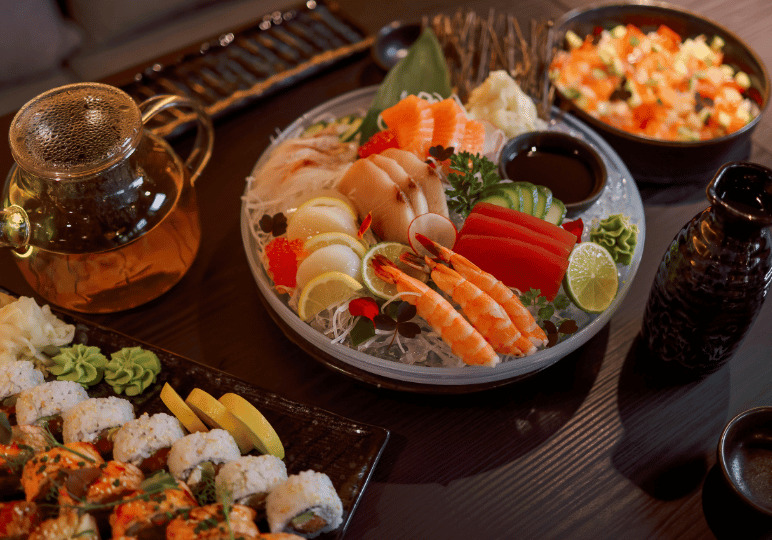
Japanese cuisine, or washoku, emphasizes seasonal ingredients, balance, and meticulous presentation. Recognized by UNESCO as an Intangible Cultural Heritage, authentic japanese food expresses respect in every detail, from perfectly seasoned rice and balanced miso soup to fresh sashimi and carefully crafted sushi. True authenticity is tasted in the food, not judged by atmosphere or decor. Instead, read the menu for signs of craftsmanship and adherence to japanese culinary culture.
Authentic japanese food spans a wide price range. In singapore, casual meals like dry ramen, donburi rice bowls, or cold soba typically cost between S$15 and S$40. Mid-range izakayas and set meals featuring seasonal produce and signature dishes fall between S$40 and S$90. Premium omakase experiences at sushi bars or kaiseki restaurants range from under S$100 to over S$300. Price reflects the dining format and ingredient quality, not authenticity itself.
Omakase Is One of Many Authentic Japanese Dining Formats
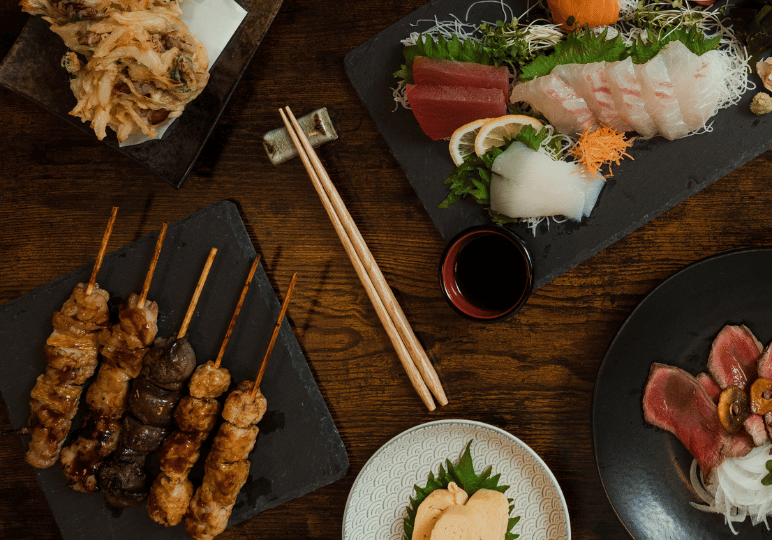
Omakase, meaning “I leave it to you,” is a celebrated dining style where chefs curate meals from the freshest catches and seasonal produce. However, it is only one format among many. Authentic japanese food also thrives in ramen shops serving rich thick broth and tender pork belly, izakayas showcasing vibrant izakaya culture with skewers and sake, yakitori bars grilling over binchotan charcoal, soba houses specializing in handmade noodles, tonkatsu specialists, and elegant kaiseki restaurants. Each format offers a unique glimpse into japanese food traditions.
A Practical Framework to Judge Authenticity in Japanese Restaurants in Singapore
- Identify the restaurant’s focus. Authentic japanese restaurants know their specialty, be it sushi bars, ramen shops, or izakayas. Be wary of huge, unfocused menus attempting to cover sushi platters, ramen, curry, yakiniku, tempura, and fusion rolls all at once, unless clearly positioned as casual family dining.
- Examine menu details for specificity. Look for information about fish origin such as bluefin tuna, fatty tuna, salmon belly; rice type; house-made dashi or thick broth; binchotan charcoal grilling for yakitori; handmade soba; specific wagyu beef cuts; and seasonal produce. Vague terms like “premium” or “authentic” without detail are weak signals.
- Assess the quality of staples like miso soup and rice. These humble dishes reveal the kitchen’s care. Miso soup should have a clean, layered dashi flavor, not just saltiness. Rice should be served at the right temperature with proper texture, neither cold, hard, nor mushy.
- Match price to dining format. Use typical price ranges as a sanity check to avoid overpaying for casual meals or expecting too much from budget options.
- Reserve ahead for omakase or kaiseki experiences. These intimate meals require booking well in advance, and notifying the restaurant of allergies or dietary restrictions early allows the kitchen to accommodate seasonal set menus gracefully.
Signs of Quality in Japanese Food and Dining
- Focused menus with clear signature dishes and well-curated la carte selections.
- Seasonal items that rotate regularly, showcasing fresh ingredients flown in from japan or sourced locally from markets like toyosu market.
- Fresh sashimi and seafood, including thinly sliced cuts of raw fish such as bluefin tuna, fatty tuna, and salmon belly that highlight the freshness and texture.
- Sushi served piece by piece at serious sushi bars, paced by the chef to emphasize craftsmanship and balance.
- Yakitori grilled carefully over binchotan charcoal, with attention to doneness and seasoning.
- Tempura that is light and crisp, never greasy, including specialties like soft shell crab tempura.
- Staff knowledgeable about ingredients and preparation, able to explain dishes calmly without overselling or gimmicks.
Red Flags to Avoid When Choosing Japanese Restaurants
- Huge, unfocused menus lacking clear identity or specialization.
- Marketing buzzwords such as “authentic” or “premium” used without supporting detail or explanation.
- Poorly prepared sushi rice that is cold, hard, mushy, or bland.
- Overloaded rolls drowning in soy sauce, mayonnaise, or fried toppings.
- Watery or stale sashimi lacking freshness and proper texture.
- Staff unable to explain menu basics or ingredient origins with confidence.
- Omakase menus that feel random, gimmicky, or like a collection of expensive items rather than a thoughtful progression.
Common Mistakes to Avoid in Japanese Dining
- Judging authenticity by decor or atmosphere alone.
- Ordering dishes that don’t align with the restaurant’s specialty, such as fusion rolls at a place known for unagi don.
- Expecting omakase-level precision at casual ramen shops or izakayas.
- Assuming chef nationality guarantees quality; skill, respect, and technique matter more.
- Dismissing mall locations like raffles city shopping centre, millenia walk, mandarin gallery, or shaw centre, as many best japanese restaurants in singapore operate there.
Singapore-Specific Tips for Japanese Food Lovers
- Reservations are essential for omakase, kaiseki, and small sushi counters to secure seating.
- Lunch sets often offer the best value at premium japanese restaurants like tomi sushi and ma maison, featuring hearty meals such as unagi don and kaisen chirashi don.
- Experience vibrant izakaya culture at lively spots in Far East Plaza, International Plaza, Holland Village, Thomson Plaza, and authentic Japanese dining at Cuppage Plaza in Singapore, where sake flows alongside skewers, small plates, ramen, sushi, and late-night comfort food.
- Factor in GST and service charges when budgeting for dinner or special occasions.
- Appreciate thoughtful local adaptations that respect japanese dining customs and flavors, such as adjusting spice levels or portion sizes for local palates without compromising authenticity.
Celebrating Authentic Japanese Food at Ma Maison and Tomi Sushi
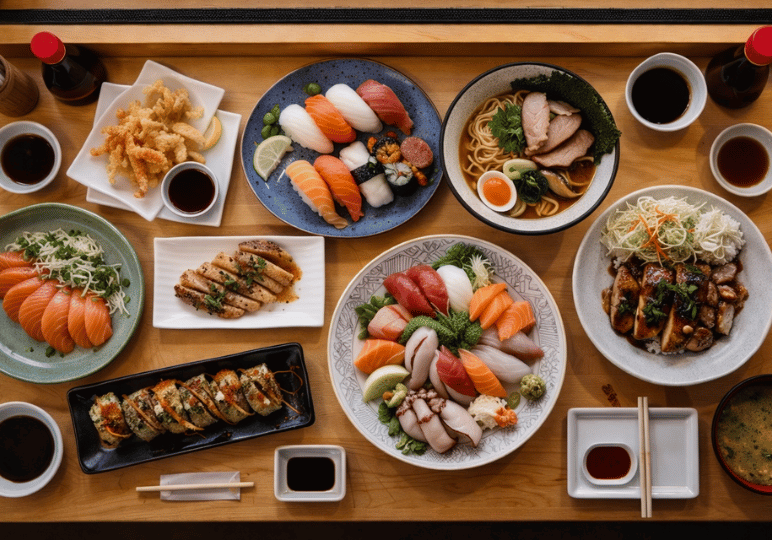
Ma Maison specializes in western-style japanese dishes, offering hearty, well-executed meals like unagi don and kaisen chirashi don that showcase the true essence of japanese dining through quality ingredients and traditional techniques. Tomi Sushi excels in expertly crafted nigiri and fresh sashimi, featuring prized cuts like fatty tuna, salmon belly, and bluefin tuna flown in from japan, emphasizing freshness and precision.
Discover Casual Dining and Sushi Bars
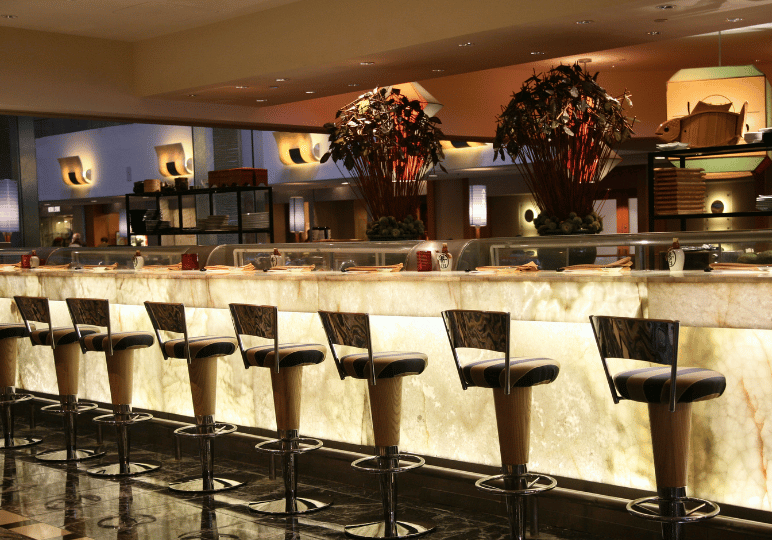
The Sushi Bar, with locations in far east plaza and ngee ann city, blends traditional japanese dishes such as edomae sushi, sushi platters, and soft shell crab temaki with approachable prices. Unatoto Singapore and Waa Cow bring fresh seafood and premium ingredients to casual dining, sourcing from toyosu market and offering specialties including unagi don, tender pork belly, and flavorful beef tongue.
Final Thoughts: Trust Your Palate and Knowledge
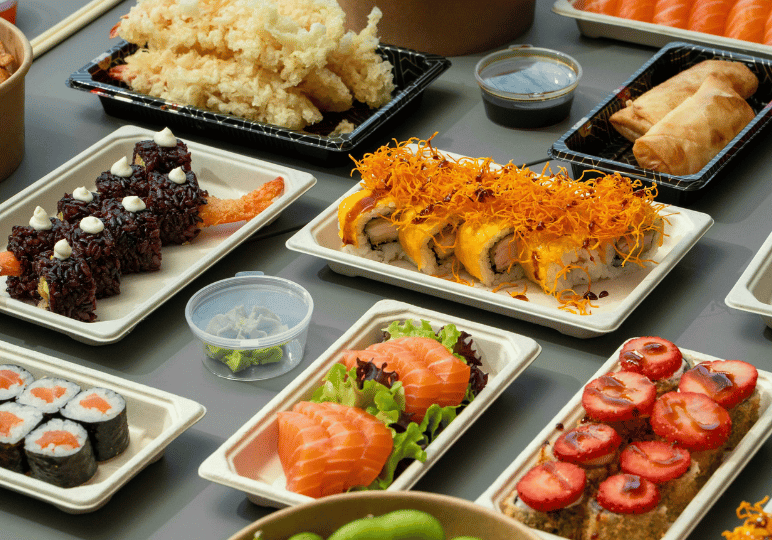
Authenticity in japanese food is something you taste and feel, not read on signs or marketing materials. Focus on seasonality, restraint, and care with staples like miso soup and rice. Observe how staff speak about fresh sashimi, soy sauce usage, and other japanese dishes. Match your dining choice, be it a sushi bar, ramen shop, or izakaya, to your mood and occasion.
You don’t need to be an expert to enjoy authentic japanese food in singapore. Pay attention to details, ask questions respectfully, and trust your taste buds. With experience, you’ll confidently find the best japanese restaurants and dishes that bring the rich flavors and customs of japan right to your table.