
Where Workdays End and Food in Tanjong Pagar Begin
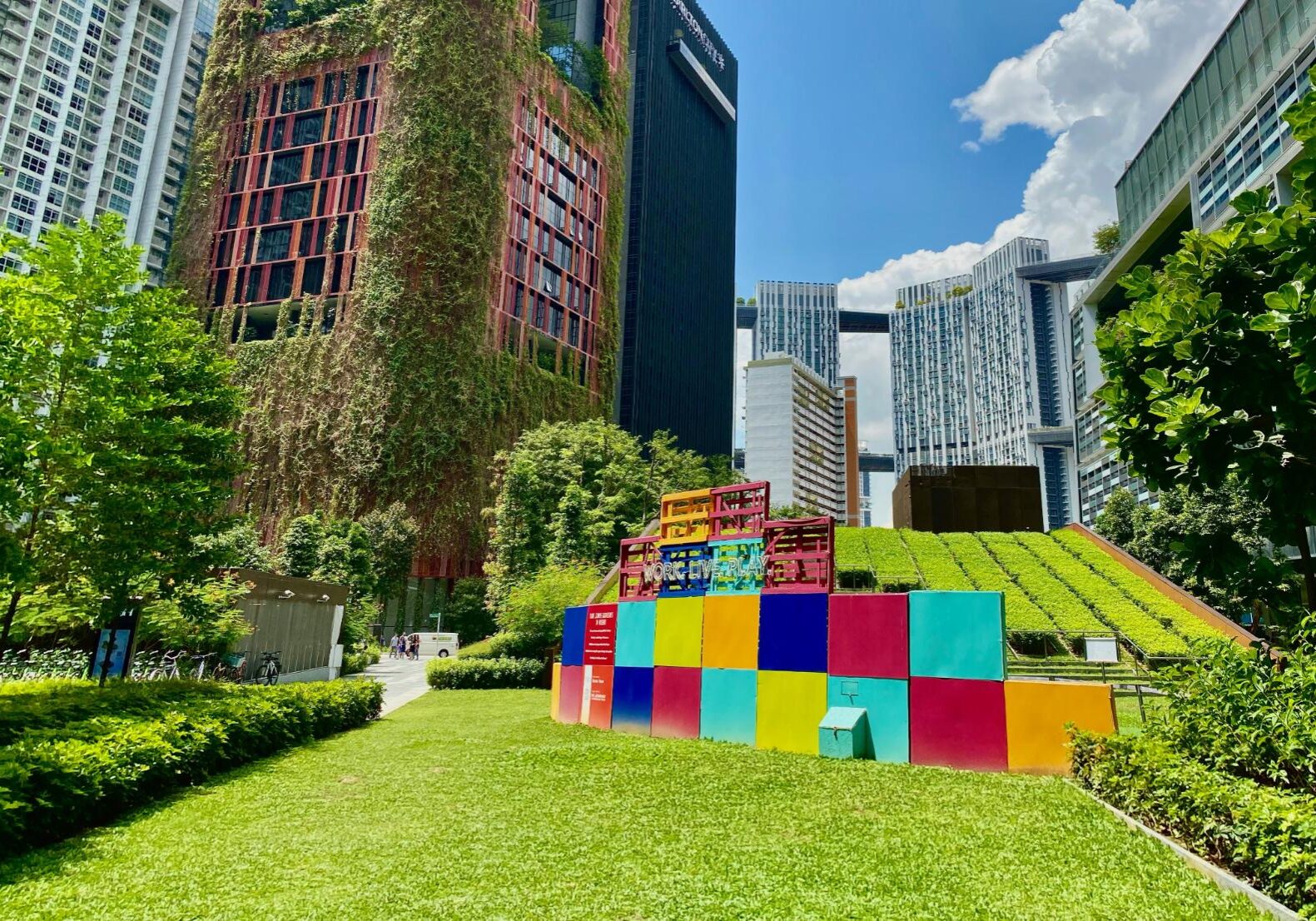
There is a precise moment in the Tanjong Pagar area when the neighborhood exhales. It happens just as the sun dips below the skyline of the Central Business District, casting long, bruised shadows against the shopfronts. The frantic, clipped pace of the workday softens. The traffic—both vehicular and pedestrian—shifts gears. This is the hour of transition, a daily metamorphosis where the district sheds its role as a machine of commerce and reclaims its identity as a place of sustenance.
For those who know the area well, this shift is palpable. It isn’t announced by a bell or a changing of lights but by the smell of charcoal smoke drifting from Korean restaurants, mingling with the aroma of meats sizzling on the grill, the clatter of shutters opening on smaller side streets, and the changing posture of the people walking them. Tanjong Pagar is located in the heart of Singapore and is known for its vibrant casual dining scene and cozy cafes. Shoulders drop. Steps slow. The phone goes into the pocket. The day is done, and the evening meal is about to begin.
The Rhythm of Transition: Food in Tanjong Pagar
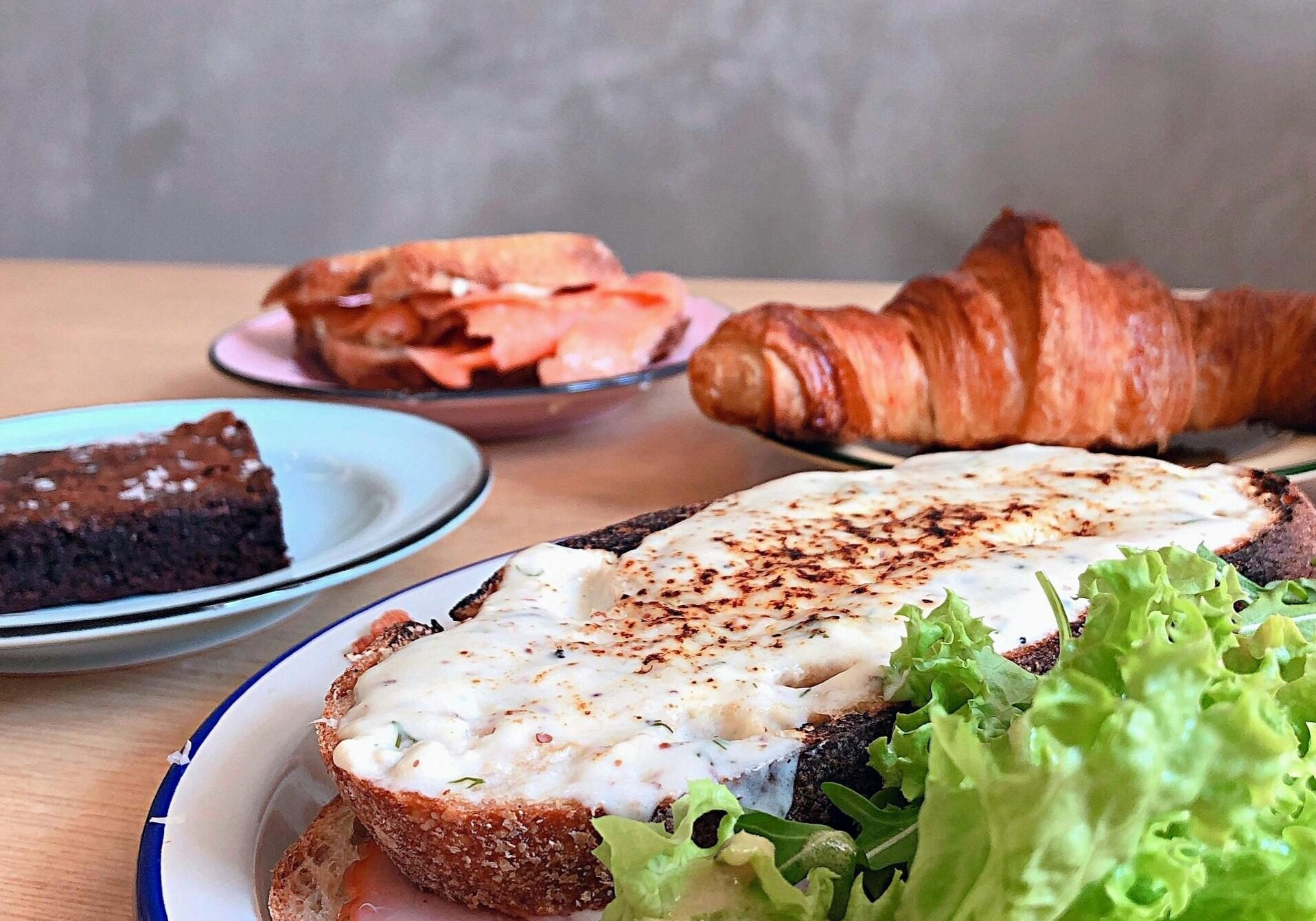
Tanjong Pagar is defined by its dual nature. By day, it’s a hub of efficiency. Food is a necessity, with hawker centres in Tanjong Pagar bustling as workers grab a quick plate of fried rice, a bowl of noodles, or a serving of pork loin paired with an onsen egg. Lunch is transactional—a quick refueling with an eye on the clock, whether you’re grabbing prawn noodles or a comforting bowl of tofu soup.
But as evening approaches, the food in Tanjong Pagar takes on a different weight. Dinner becomes the punctuation mark at the end of a long sentence. Certain dining styles in Singapore naturally fit this slower rhythm. Teochew restaurants, in particular, tend to emphasise pacing and clarity over speed. You can read more here.
The dishes served here aren’t just meals; they’re moments. They range from rich and hearty bites of pork ribs to flavourful options like delicate slices of beef featuring different cuts, including premium and lean cuts, prepared with care at a Japanese restaurant, or melt-in-your-mouth bites of seafood at a food centre. The flavors, whether creamy, grilled, or spicy, pull people back, creating emotional connections that go beyond the plate.
This transition is especially visible in the way people occupy spaces. The solo diners at counter seats in a Japanese restaurant aren’t rushing anymore. They’re decompressing, ordering a beer and a small plate, perhaps buttery pork slices, while watching the chef masterfully slice sashimi with deliberate precision and attention to detail, offering different kinds of sashimi to suit every palate. Groups gathering around hotpots in Korean restaurants aren’t concerned with KPIs; they’re reconnecting, sharing a steaming mix of meats and vegetables with friends, surrounded by the aroma of sizzling chicken and the tang of flavorful sauce, and adding various ingredients to enhance the meal.
In Tanjong Pagar, dining isn’t about chasing hype; it’s about fulfilling a deeper, more personal need. It’s about the simple joy of having a well-prepared meal in a space that allows you to pause and reconnect with yourself or those around you.
Habits Over Hype: What Makes Food in Tanjong Pagar Special?
Walking through the Tanjong Pagar area, you notice a pattern that speaks of habit rather than novelty. This neighborhood isn’t about chasing trends or long queues for the latest TikTok-famous dish. Instead, it’s about quiet loyalty to places that feel like home. That loyalty often forms around cuisines designed for repeated visits and shared ordering, such as Peranakan food. You can explore further here.
Regulars return week after week, not for the thrill of something new but for the comfort of something familiar. These meals are easy on the bank and are attractively priced, making them a favorite for those seeking value without compromising on taste.
Take the corner food centre in Tanjong Pagar where simple dishes shine. A regular might visit the same store for their favorite bowl of prawn noodles or fried rice, their order memorized by the hawker before they even say a word. Or consider the small Japanese restaurant tucked into a shophouse, where a customer might retreat for a comforting bowl of noodles with pork slices, routinely pairing it with a light, creamy dessert. Food centres here also offer lighter meal options, perfect for those who want something less filling, such as snacks or desserts.
These habitual visits are what define the character of the neighborhood’s dining culture. It’s not about the flashiest menu but about the quiet consistency of quality. Whether it’s a group of colleagues sharing steak at an Italian trattoria every Friday—sometimes opting for premium cuts like Wagyu, which are clearly priced for transparency—or a lone diner savoring a bowl of fish soup after work, these routines anchor the district. The true beauty of food in Tanjong Pagar isn’t just in its rich flavors or affordability but in the way it creates a sense of continuity in a city that’s always changing. Tanjong Pagar Food Centre is a popular spot for affordable meals among office workers and residents.
The Architecture of Connection: Dining in the Tanjong Pagar Area
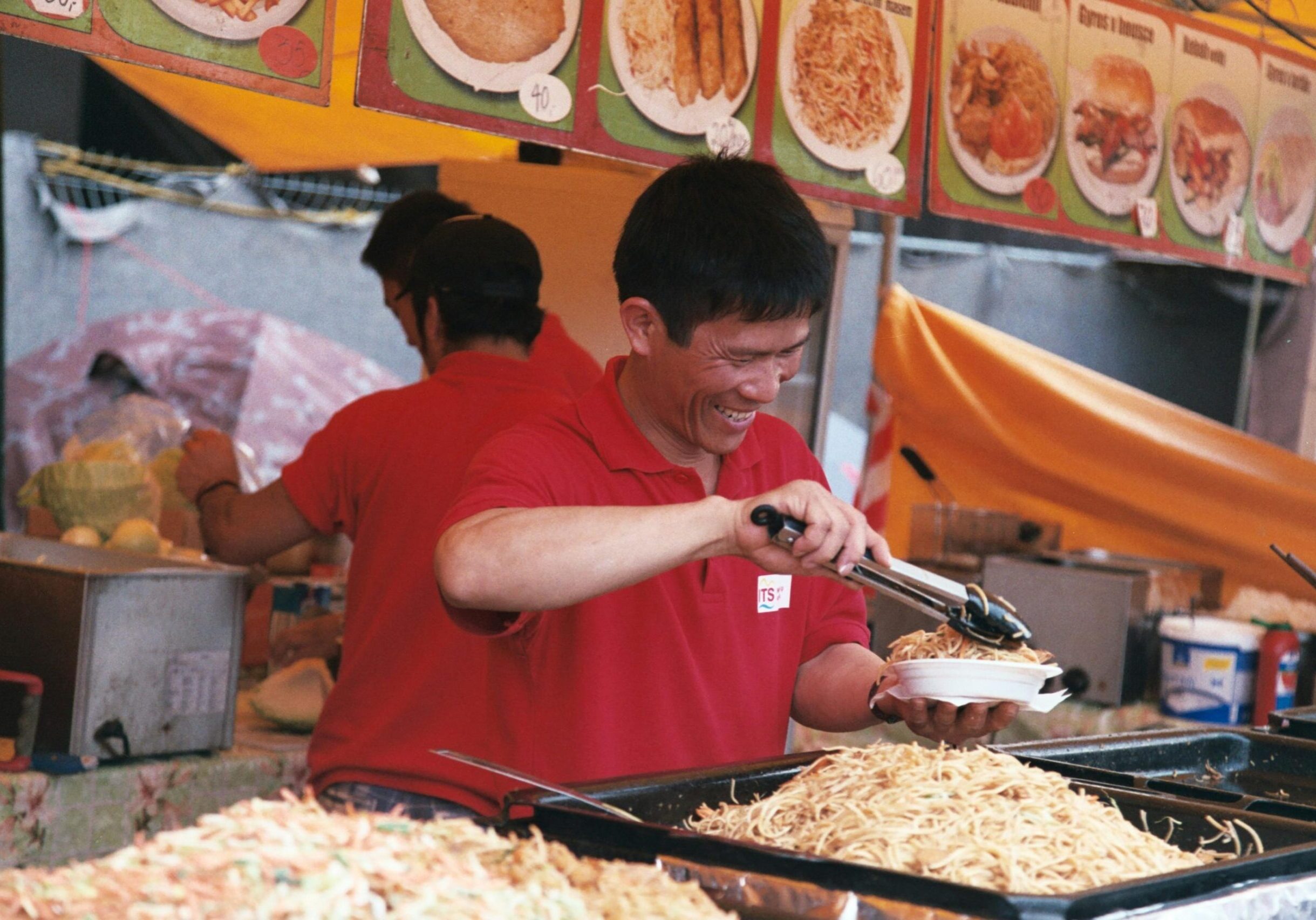
The physical layout of the Tanjong Pagar area plays a significant role in shaping its dining culture. The conserved shophouses and hawker centres in Tanjong Pagar create a unique intimacy that sets the tone for the evening. The five-foot ways—covered walkways that blend the street and storefronts—draw pedestrians into the dining experience. You can’t walk past a food centre or a Korean restaurant without catching the irresistible scent of grilled meats prepared using the traditional fri (grilling over fire) method, or the sound of laughter spilling out into the streets.
This closeness fosters a communal urban energy. Whether you’re perched on a plastic stool enjoying hearty pork ribs at a hawker stall or seated in a Japanese restaurant savoring seafood slices, you’re part of the same collective moment. The diversity of the culinary offerings—from prawns in a spicy broth to affordable Korean barbecue that brings authentic flavors from Korea and highlights classic fri techniques—reflects the equally diverse people who dine here, yet the underlying purpose remains the same: to relax, connect, and eat. Daejim, for example, features a pojangmacha concept, serving affordable Korean street food that captures the vibrant spirit of Korea.
Even as Tanjong Pagar continues to evolve, its dining spaces maintain a lived-in authenticity. The patina on the tables, the fading photographs on the walls, and the staff’s well-practiced movements all speak to the thousands of evenings that have played out here. These aren’t design choices; they’re evidence of a neighborhood that understands the human need to wind down.
Food Centres in Tanjong Pagar: Affordable and Packed with Flavour
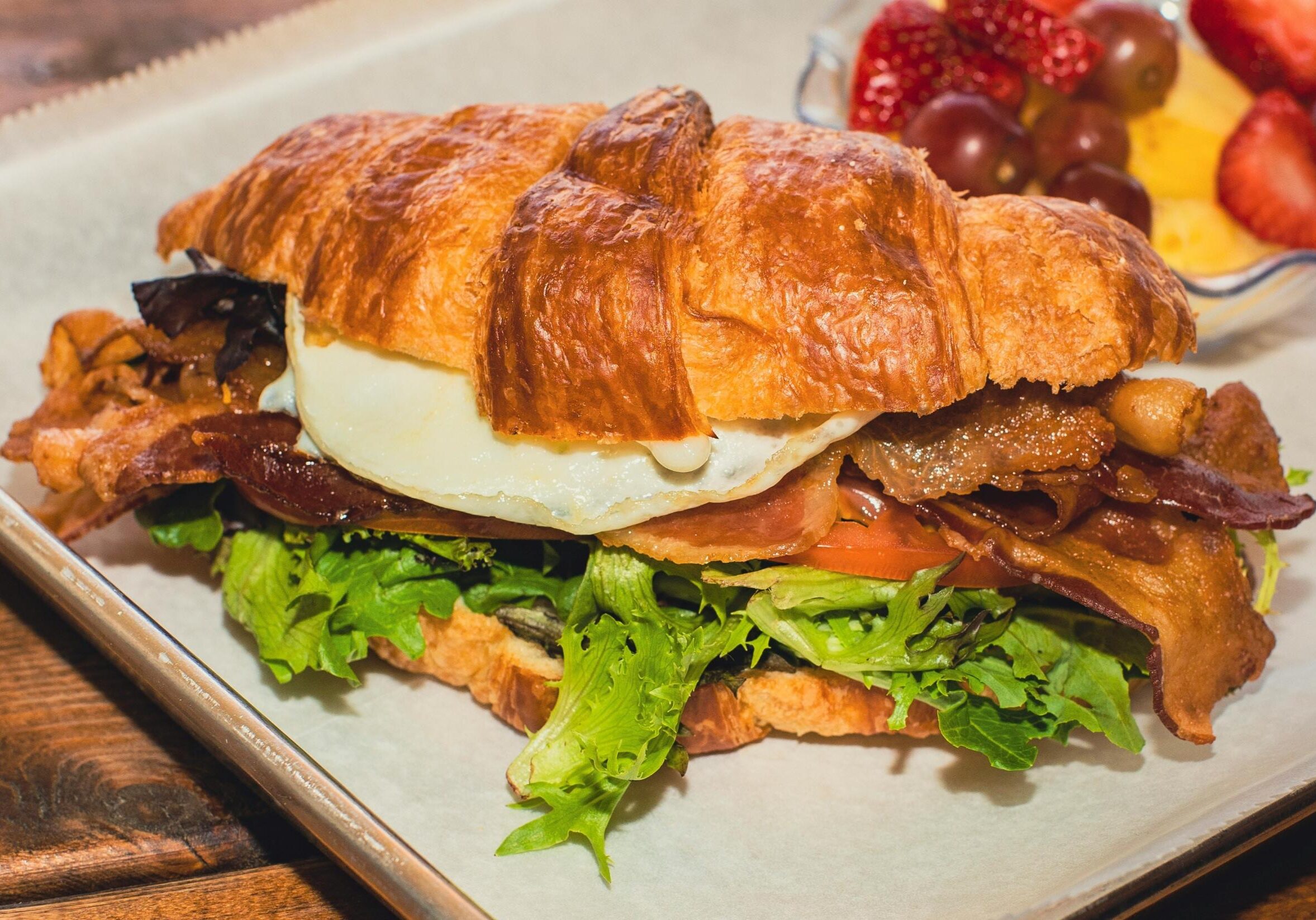
While the Tanjong Pagar area boasts trendy cafes and top-tier restaurants, its heart remains in its hawker centres. Here, you’ll find some of the most satisfying meals—simple, affordable, and packed with flavor. From steaming bowls of noodles to plates of crispy fried rice, these dishes offer a sense of comfort that’s unmatched.
The beauty of dining at a food centre in Tanjong Pagar is the variety. You can grab a piping hot plate of char-grilled pork loin, a creamy bowl of laksa, or soft bites of braised tofu—all at prices that make you smile. If you’re unsure what to try, you can make your choices clear by filtering your preferences or reset them to explore new dishes. The long queues at certain stalls are a testament to the quality of the food. Locals know where to find the best fried rice or seafood noodles, and they’re willing to wait for it.
It’s not just the food that makes hawker centres in Tanjong Pagar special, though. It’s the atmosphere. The clatter of plates, the hum of conversation, and the comforting sights of cooks grilling, stirring, and plating dishes create a unique dining experience that’s both chaotic and warm.
Many food stalls at Tanjong Pagar Food Centre are known for their long queues due to their popularity and affordability.
Japanese Restaurants in Tanjong Pagar: A Taste of Japan in the City
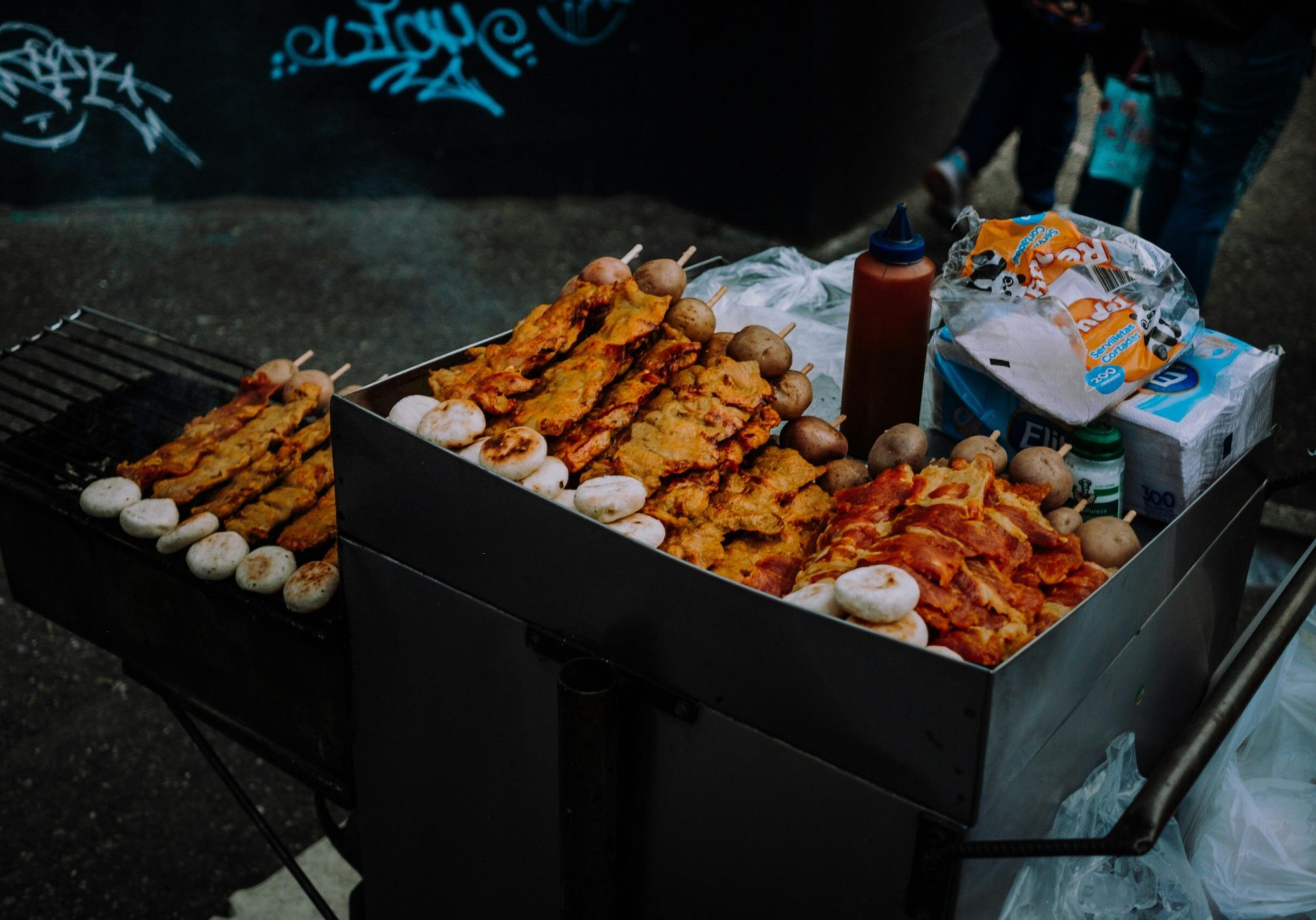
For a slightly more refined evening, Tanjong Pagar’s Japanese restaurants offer a world of options. Whether it’s an izakaya serving artfully prepared beef slices, a sushi bar offering seafood fresh enough to rival the markets of Tokyo, or a specialty spot featuring traditional dishes like takoyaki monjayaki (mon), the neighborhood is home to some of the most authentic Japanese dining experiences in Singapore.
These spots are where you go to unwind after a long day. The service is impeccable, the ingredients are of the highest quality, and the meals are prepared with care. A serving of noodles topped with an onsen egg, a bowl of ramen, or a plate of tender sashimi is more than just food—it’s a reward for getting through the chaos of the day. Be sure to check if reservations are needed, especially on weekends, as these popular places can get crowded.
Maguro Brothers is also known for its viral Sushi Pizza and high-quality sashimi.
Cafes and Bakeries: Where Conversations and Creativity Brew
In the heart of the Tanjong Pagar area, the gentle hum of espresso machines and the sweet scent of freshly baked cakes signal a different kind of gathering. Here, cafes and bakeries are more than just places to grab a quick bite—they are vibrant hubs where ideas spark, friendships deepen, and the pace of the day softens over a cup of coffee or a slice of something sweet.
Step into any of these cozy spaces and you’ll find a menu that reflects the neighborhood’s creative spirit. Classic coffee drinks are prepared with care, their rich aroma mingling with the buttery notes of pastries and the delicate sweetness of cakes displayed behind glass. Many cafes in Tanjong Pagar offer unique twists on familiar favorites—think matcha-infused cheesecakes, yuzu tarts, or fusion sandwiches that blend Asian and Western flavors in every bite.
What truly makes these spots stand out is their atmosphere. Sunlight filters through large windows, illuminating tables where artists sketch, entrepreneurs plan, and friends catch up over drinks. The décor ranges from minimalist chic to eclectic and homey, but the common thread is a welcoming energy that invites you to linger.
It’s this blend of quality food, expertly brewed coffee, and a unique sense of place that makes the Tanjong Pagar area’s cafes and bakeries so beloved. Each visit is a chance to discover a new favorite, to savor a moment of calm, and to be part of the ongoing story—one cup, one conversation, and one delicious bite at a time.
A Neighborhood That Waits for You
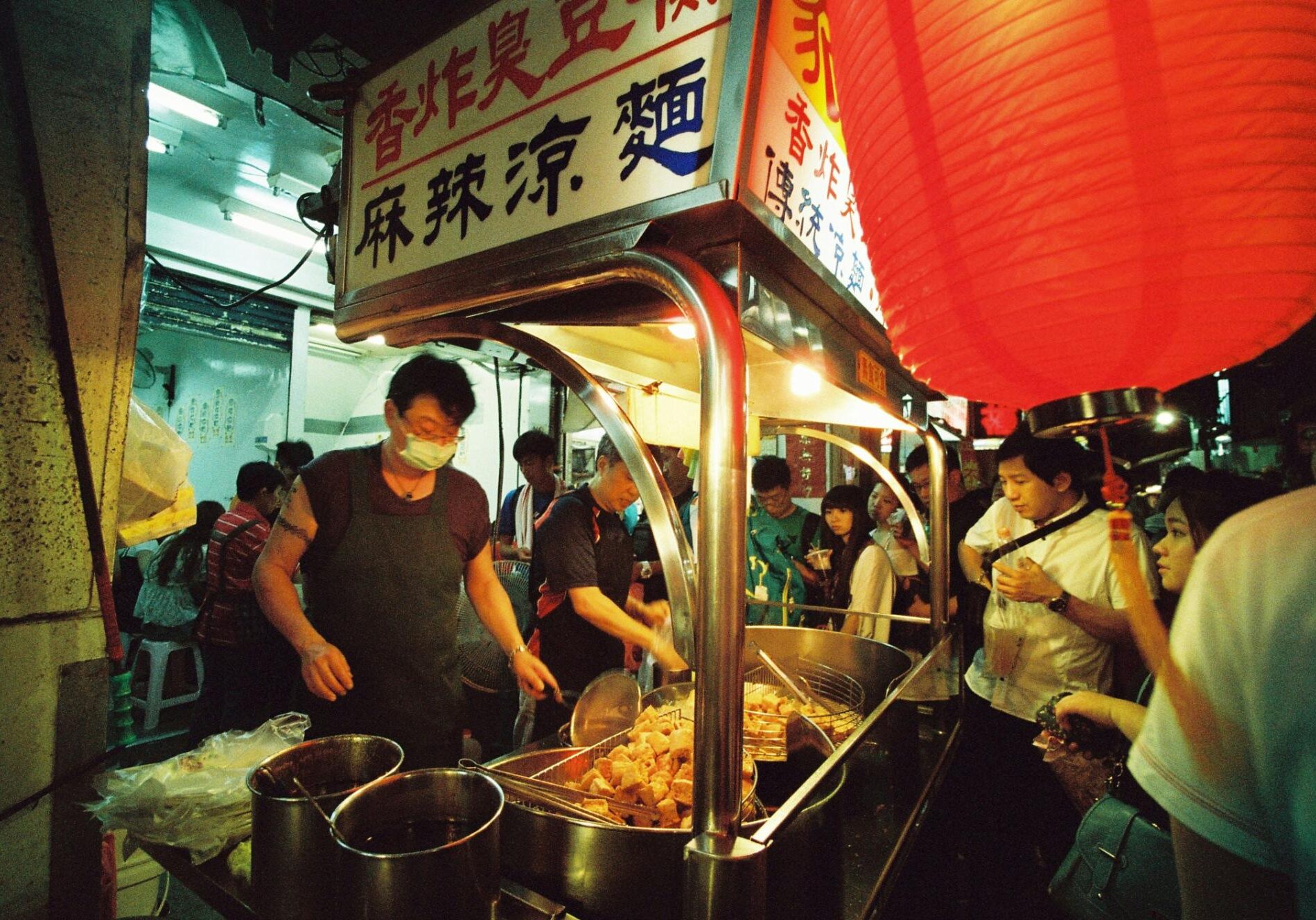
As night deepens in Tanjong Pagar, the tempo slows further. Office workers disperse, replaced by residents and weekend diners eager to enjoy a late supper or a drink. The urgency of the day fades completely, replaced by the quiet hum of a neighborhood at rest.
The appeal of this area isn’t found in flashy trends or expensive menus. It’s in the reliability of its rhythms. Whether you’re stopping by your local cafe for a slice of creamy cake, heading to a Korean restaurant for grilled chicken and pork, or grabbing a comforting meal at a food centre, Tanjong Pagar offers a space to pause. Here, the food feeds more than the body—it nourishes the spirit.
So, when the day is done, and the office lights go out, head to Tanjong Pagar. There, you’ll find a cold drink, a hot meal, and a seat at a table where the flavors are rich, the service warm, and the experience uniquely yours. Whether it’s a weeknight detour or a weekend indulgence, the food in Tanjong Pagar is waiting.