
A Chef Who Refused to Rush the Rice
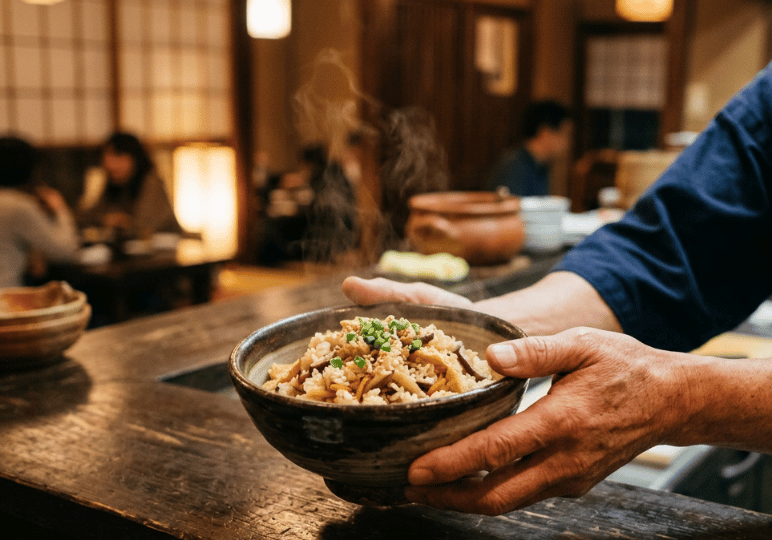
I once spent an unusually long time waiting for rice at a small Japanese restaurant tucked above Orchard Road.
The dining room itself was almost invisible from the street below. No illuminated signboards. No queue spilling into the corridor. Just a narrow staircase leading upward into a quiet room of pale wood counters and soft conversation. The kind of restaurant that seemed deliberately uninterested in attracting attention.
I arrived early for dinner and ordered a simple grilled fish set. About twenty minutes later, the chef stepped out briefly from behind the counter to apologize. The rice, he explained calmly, was not ready yet.
There was no embarrassment in his voice. No attempt to compensate with free side dishes or hurried excuses. He simply refused to serve it before it was properly finished.
In most modern cities, speed has become inseparable from dining. Restaurants are evaluated by turnover rates, waiting times, delivery efficiency, and how quickly the next reservation can be seated. Even customers have learned to expect immediacy almost everywhere they go.
But sitting there that evening, listening to the low sound of simmering stock drifting from the kitchen, I began to realize how unusual patience had become.
When the rice finally arrived, it did not look extraordinary. The bowl was modest, almost understated. Yet the first spoonful carried a softness and fragrance that made the rest of the meal suddenly feel more coherent. Each grain remained intact without becoming dry. It held warmth gently rather than aggressively.
The chef later explained that properly cooked rice cannot simply be accelerated without consequence. The soaking time matters. The resting period after cooking matters. Even slight impatience changes texture in ways customers may not consciously identify but still feel while eating.
That conversation stayed with me long after dinner ended.
Good restaurants often reveal themselves through details many people overlook. Not through spectacle, but through restraint. Through the quiet decisions chefs make when nobody would blame them for cutting corners.
Perhaps that is why I still remember that bowl of rice years later. In a city constantly urging people to move faster, there was something quietly reassuring about meeting someone who still believed certain things should never be rushed.