
Chef Works SG: Behind the Apron in Singapore’s Top Restaurants
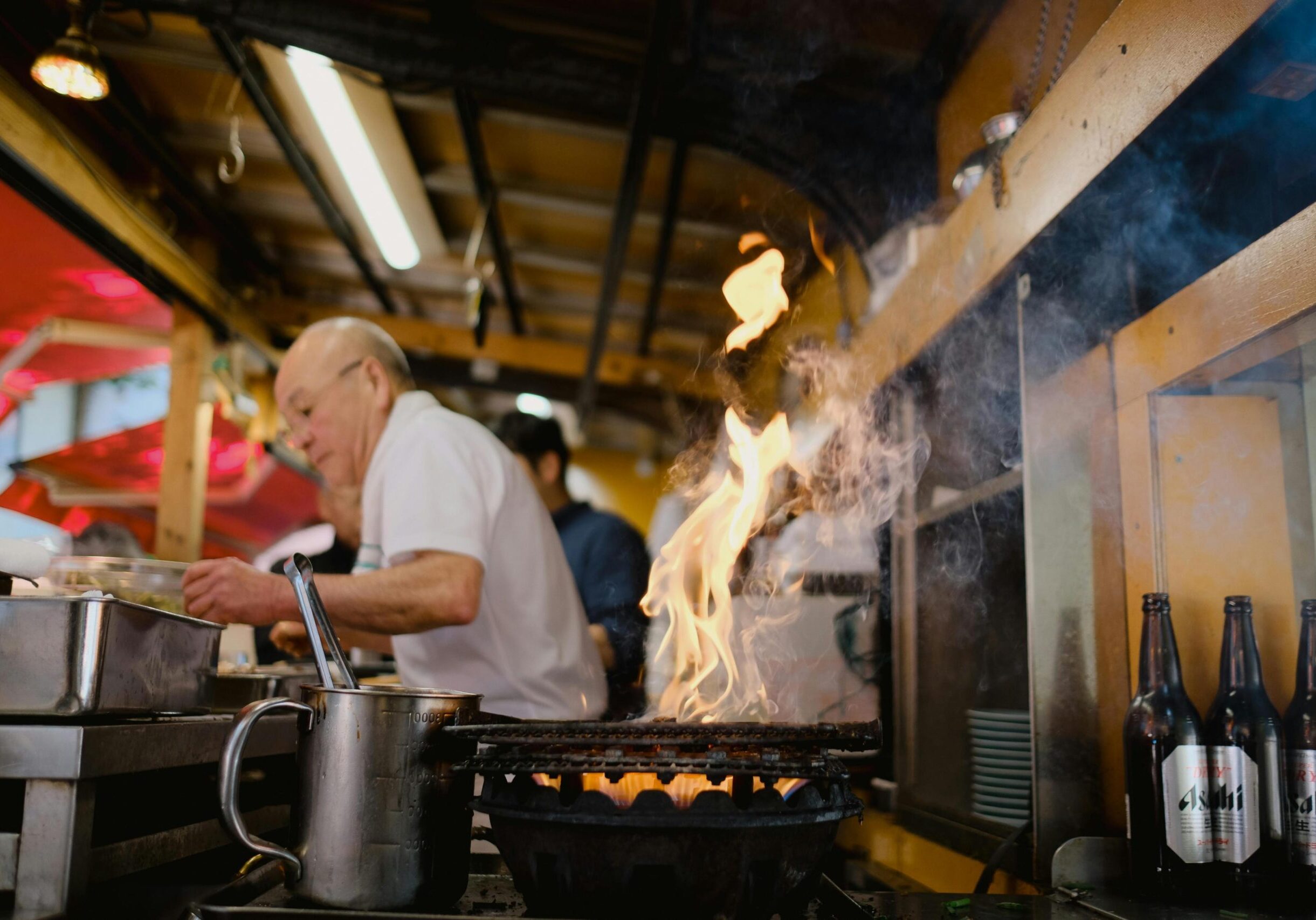
The culinary world in Singapore is a stage where passion, skill, and dedication come together to create unforgettable dining experiences. But what does it take to be part of this demanding industry? From the early morning market runs to the closing of the kitchen late at night, chef works SG is not just a job—it’s a lifestyle, a craft, and a pursuit of excellence. This article offers an inside look into the daily grind of chefs in Singapore, highlighting the different roles, challenges, and rewards that define their profession. Whether you’re a head chef, sous chef, or chef de partie, this journey involves more than just cooking; it’s about teamwork, creativity, and achieving the highest standards in the industry.
For those passionate about cooking, joining this industry means more than just preparing meals; it’s about creating memorable experiences and contributing to Singapore’s reputation as a global food destination. Early applicants are encouraged to join reputable companies in Singapore's culinary industry, as applying early can provide better chances of selection, early access to coveted roles, and the opportunity to join a leading company in hospitality.
As you prepare to start out or to advance your career, joining a company in the culinary industry in Singapore as an early applicant offers a dynamic path for professional and personal growth, with added advantages in securing top positions.
A Journey into Singapore’s Culinary World
Singapore's culinary heritage unfolds as a contemplative sanctuary where ancient traditions and contemporary artisanal mastery converge in sublime harmony. Those who seek to cultivate their essence as head chef, sous chef, or chef de partie will discover that each role offers not merely employment, but a profound journey into the sacred art of gastronomy. The Nyonya Restaurant—from heritage-rich hawker sanctuaries to meticulously curated fine dining temples—demand an unwavering dedication to refinement, where every dish becomes a meditation on perfection and every service moment reflects the quiet luxury of true craftsmanship.
For the contemplative soul drawn to culinary artistry, entering this rarefied world transcends the ordinary act of preparing sustenance; it becomes an invitation to weave stories through taste and create transformative experiences that honor Singapore's distinguished position as a sanctuary for epicurean enlightenment. Those who approach with genuine reverence for the craft will find that this exclusive realm rewards not mere ambition, but the serene dedication and mindful presence that define true mastery. Establishments across Singapore seek artisanal talents who embrace the contemplative nature of culinary excellence—individuals ready to cultivate their gifts within an atmosphere of quiet intensity, where tradition and innovation dance together in an eternal, ever-evolving symphony of professional and personal refinement.
Pre-Dawn Hours: Starting the Day Before the World Wakes
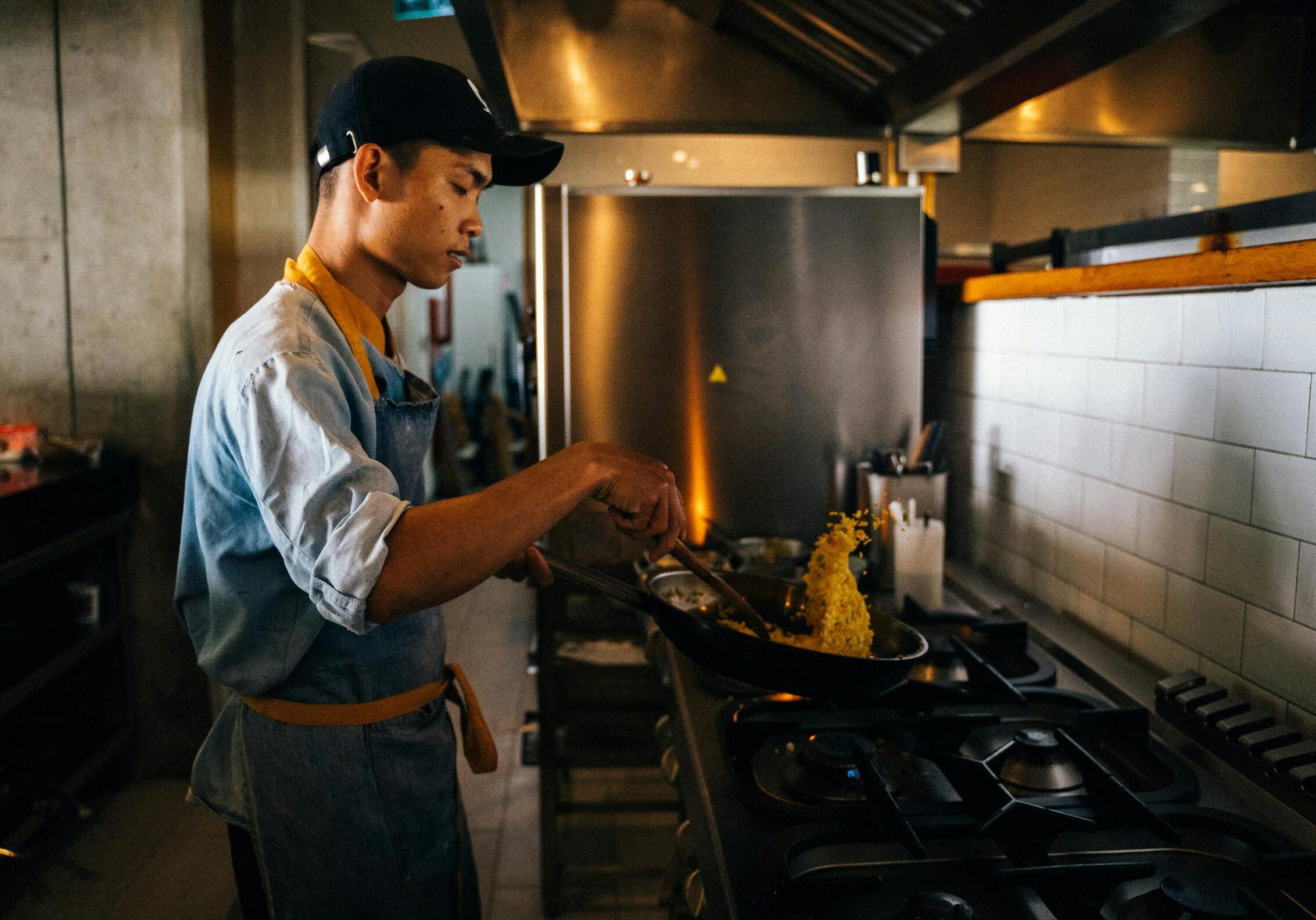
The day for most chefs in Singapore begins long before the city stirs awake. For those in chef works SG, mornings often start as early as 5:00 AM to 6:00 AM with trips to local wet markets or coordinating supply deliveries. This is not a task to delegate; sourcing ingredients is an essential part of the craft. It’s here that chefs curate the very soul of their menus, ensuring that each dish reflects the quality and freshness their diners expect. Chefs carefully select ingredients to meet the specific needs of their dishes and customers, ensuring every requirement is considered for comfort, confidence, and satisfaction.
At the bustling wet market, head chefs often inspect fresh seafood, handpick vegetables, and build relationships with trusted vendors. For a sous chef or a chef de partie, this process might involve verifying deliveries and ensuring that nothing less than the best ingredients make it into the kitchen. These early hours are physically demanding. Chefs carry heavy crates of produce, make quick decisions based on touch and smell, and prepare themselves for the long day ahead.
For example:
- In heritage establishments, chefs might be selecting pomfret with the clearest eyes or the freshest turmeric for a traditional curry.
- In fine dining restaurants, they could be sourcing micro-herbs or rare seasonal ingredients flown in from Japan.
- In modern bistros, the focus is on a balance between local produce and global trends.
This early ritual underscores an important aspect of chef works SG: the commitment to quality ingredients. The final dish can only be as good as the components it’s built from, and chefs take pride in this foundational step.
Kitchen Hierarchy and Roles
Within the culinary sanctuaries of Singapore, a refined orchestration unfolds—each movement deliberate, each role a testament to artisanal mastery. The executive chef stands as both guardian and visionary, curating not merely menus but experiences that transcend the ordinary. This master artisan oversees a heritage of craftsmanship, from the careful selection of ingredients that whisper their provenance to the cultivation of talent that honors tradition. The sous chef embodies quiet strength—a contemplative presence who understands that true excellence flows from mindful preparation and seamless continuity.
The chef de partie emerges as a devoted custodian of specialized craft, whether tending the sacred flames of the grill or coaxing delicate layers from pastry stations. Each station becomes a sanctuary of focused intention, where technique and intuition unite in harmonious precision. Supporting these artisans are the line cooks, prep cooks, and those who maintain the kitchen's serenity—each contributing to a choreographed symphony where every gesture serves the greater mastery.
Chef Works recognizes this contemplative dedication, understanding that true culinary artistry requires both inner focus and outer refinement. By providing meticulously crafted uniforms and thoughtfully curated equipment, Chef Works honors the sacred nature of culinary practice—enabling these artisans to maintain their contemplative flow while presenting a unified vision of professional elegance. In this carefully orchestrated environment, every soul—from the seasoned master to the newly initiated—participates in a legacy of excellence that elevates both craft and spirit.
Morning Prep: The Foundation of a Perfect Service

By 8:00 AM, the kitchen transitions into a hive of activity. Ingredients are sorted and organized, and the process of mise en place, French for “everything in its place,” begins. Every detail matters, from simmering stocks and reducing sauces to cutting vegetables with uniform precision. This prep work ensures the team is ready for the fast-paced services to come.
In chef works SG, the kitchen operates like a well-oiled machine, guided by teamwork and clear communication. The head chef oversees the operation, the sous chef manages sections, and the chef de partie ensures everything is executed flawlessly at their station. Each member of the team plays a crucial role in preparing for the day’s success.
The type of work differs depending on the kitchen:
- Heritage restaurants focus on slow, traditional methods, like braising master stocks or preparing delicate fishballs.
- Fine dining venues might spend the morning perfecting plating designs or working on elements of molecular gastronomy.
- Multi-concept companies juggle prep for several menus simultaneously, requiring exceptional organization.
Morning prep is a time for focus, precision, and building momentum for the day ahead. It’s also a chance for newer chefs to learn key techniques, as senior chefs guide and mentor them. Junior team members assist senior chefs with daily prep tasks, gaining valuable experience through hands-on support.
Kitchen Equipment and Tools
Within the sanctuary of Singapore's most distinguished culinary establishments lies a carefully curated collection of artisanal instruments, each selected with the meticulous attention that defines true craftsmanship. Heritage ovens, refined stoves, contemplative refrigeration systems, and precision mixers form the contemplative foundation upon which culinary artistry flourishes. Master chefs commune with razor-sharp blades, substantial spatulas, and exacting measuring instruments—each tool a meditation in itself, enabling the transformation of humble ingredients into expressions of profound culinary wisdom.
Beyond these essential companions, the most discerning kitchens embrace specialized instruments of remarkable sophistication: sous vide sanctuaries that whisper secrets of perfect temperature, immersion blenders that dance with textures, and sushi counters that honor centuries of Japanese heritage. These curated tools become extensions of the chef's contemplative practice, facilitating explorations into uncharted realms of taste and presentation that transport diners beyond mere sustenance into moments of pure sensory revelation.
Through this thoughtful curation of exceptional instruments, restaurants cultivate an atmosphere where culinary teams can practice their craft with serene precision, maintaining the sacred consistency that elevates each meal into a transcendent experience that lingers in memory long after the final bite.
This level of precision is most evident in sushi craftsmanship, where tools, technique, and ingredient quality converge at the highest level.
In the case of Chef Masa, the philosophy extends beyond the kitchen itself—his approach at Sushi Masa by Ki-setsu is shaped by what arrives daily from Tokyo’s Toyosu Market. Every knife stroke, every grain of rice, and every cut of fish is guided not by convenience, but by an uncompromising respect for the ingredient. It reflects a discipline that many chefs aspire to, where mastery is not about control, but about understanding when to let the ingredient lead.
Lunch Service: The First Rush
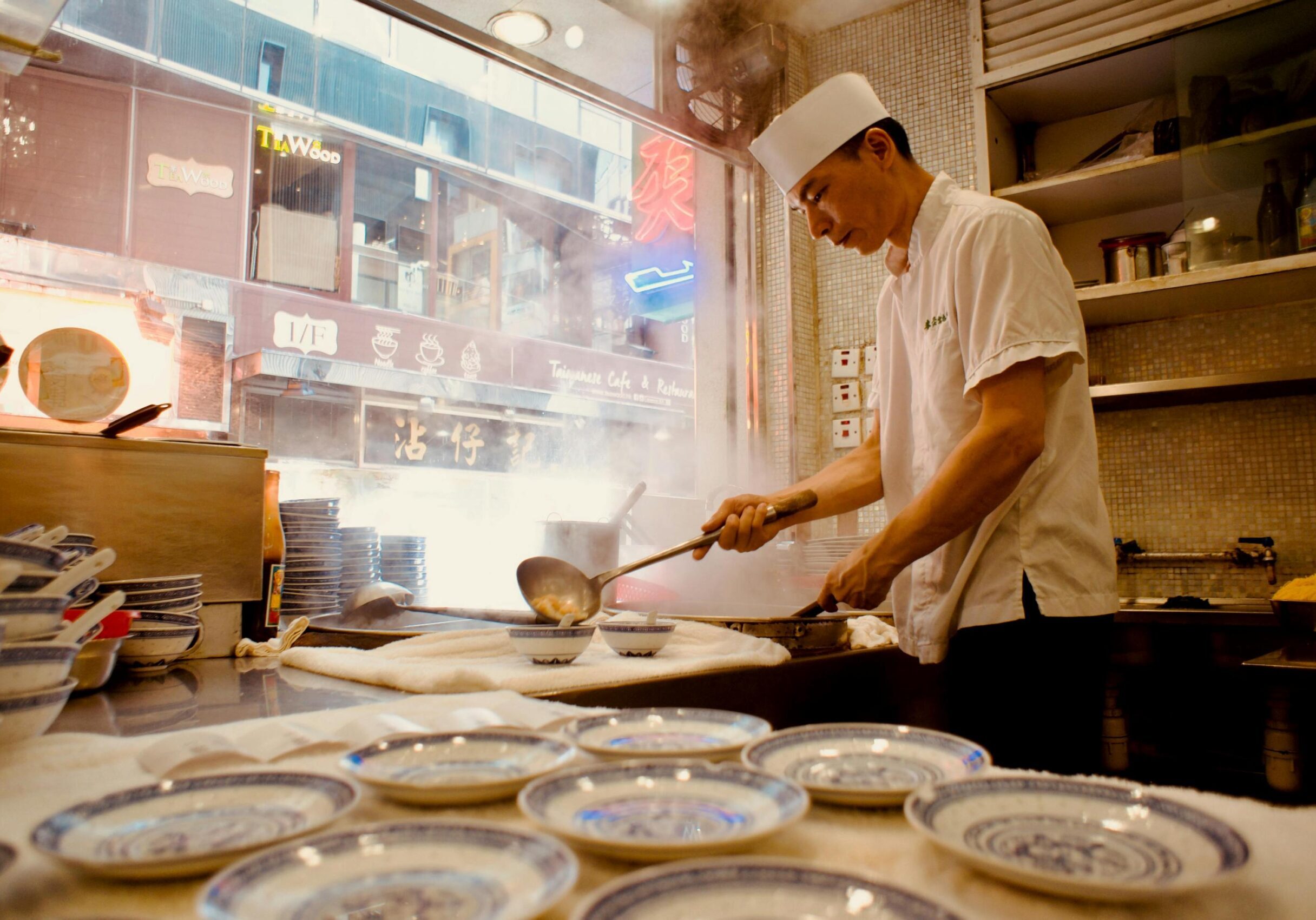
As the clock nears noon, the quiet focus of the morning shifts to the high-energy rush of lunch service. The first orders come in, and the kitchen moves into overdrive. Each station operates with military precision, and the head chef becomes the conductor of this culinary orchestra, managing timing and ensuring the quality of every dish.
For the sous chef and chef de partie, this is where preparation pays off. They must juggle cooking, plating, and timing multiple orders simultaneously. The work is physically demanding, with chefs standing for hours in the intense heat of the kitchen. Every member of the team, from line cooks to dishwashers, understands their role and works in unison to deliver a seamless experience.
Challenges are inevitable. A last-minute dietary restriction might mean adjusting a dish on the fly, or a rush of walk-in diners could stretch the team to their limits. Yet, there’s immense satisfaction in seeing a perfectly executed plate leave the kitchen or receiving positive feedback from a satisfied guest. These moments remind chefs why they chose this demanding path.
Reset and Recharge: The Break Between Services
By mid-afternoon, the lunch rush begins to subside, and the kitchen enters a brief lull. This period, often between 3:00 PM and 5:00 PM, is not so much a break as it is a reset. The kitchen is cleaned, restocked, and prepped for the evening service.
One cherished ritual during this time is the “family meal,” where the team gathers to share a simple meal. It’s a moment for camaraderie and connection, allowing the team to recharge before diving back into the evening’s challenges. For many full-time chefs, these shared moments are an important part of building team spirit and maintaining morale. For the head chef, this might also be a time to review the day’s performance and provide guidance to team members.
Some chefs use this quieter period to experiment with new recipes, refine techniques, or plan future menus. It’s a time for creativity and growth, highlighting the balance between hard work and the artistry of chef works SG.
Dinner Service: The Main Event

The dinner service is the pinnacle of the day. With higher stakes, more intricate dishes, and elevated guest expectations, the kitchen’s intensity reaches its peak. While the rhythm of the kitchen during dinner may resemble lunch, the complexity of dishes and the pressure to deliver perfection amplify the challenge.
Each role in the kitchen is critical during this time:
- The head chef ensures every dish meets the restaurant’s standards.
- The sous chef manages timing and supports the team during busy moments.
- The chef de partie executes their station flawlessly, delivering dishes with precision.
Whether it’s creating a high-concept dish in a fine dining establishment or serving large group in a casual bistro, the sense of purpose and pride during this period is palpable. Seeing clean plates return to the kitchen or hearing a guest’s praise provides a deep sense of accomplishment for chefs who pour their heart into their craft.
Post-Service: Reflecting on a Day’s Work
After the last order has been served, the day is far from over. The kitchen must be cleaned, equipment scrubbed, and ingredients inventoried for the next day. The head chef often leads a debrief, discussing what went well and identifying areas for improvement.
The physical exhaustion at this point is undeniable. Chefs in chef works SG often work 12-15 hour days, standing, lifting, and working in a high-stress environment. Yet, there’s a unique satisfaction in knowing they’ve delivered excellence. The bonds formed in the kitchen, built on shared challenges and triumphs, are as rewarding as the craft itself.
The Rewards of Chef Works SG
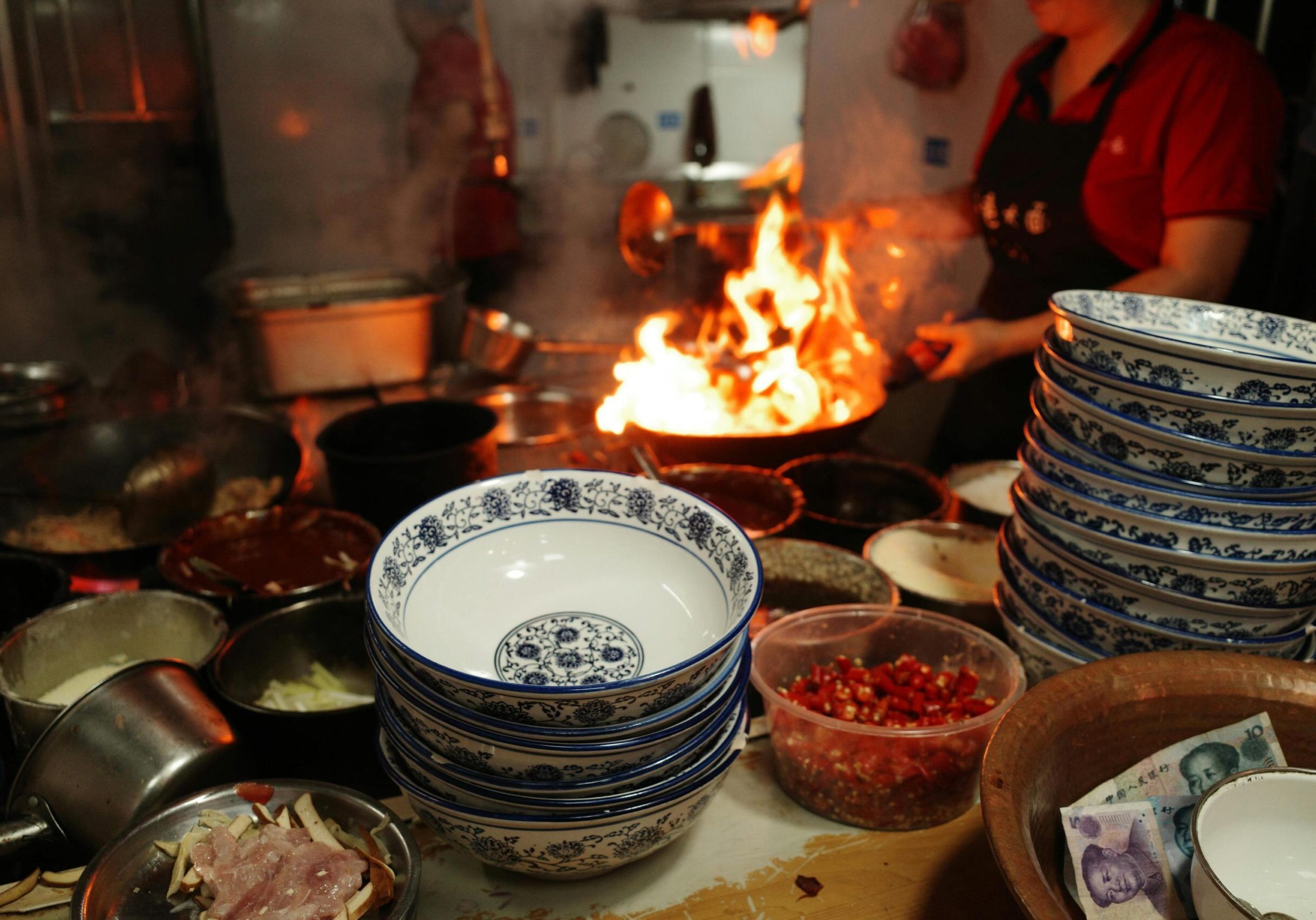
What drives people to choose this demanding career? For many, it’s about more than just cooking; it’s about passion, pride, and purpose. Chefs in Singapore are part of a dynamic culinary scene, working in an industry that values creativity, resilience, and mastery. The training and work environment in Singapore's culinary industry is truly one of a kind, offering unique experiences and opportunities not found elsewhere.
The rewards of chef works SG include:
- Professional Growth: Opportunities to learn, develop, and advance in your career.
- Community and Connection: Building relationships with suppliers, teammates, and diners.
- Cultural Impact: Preserving heritage cuisines or driving innovation in modern kitchens.
- Employee Benefits: Enjoy benefits such as medical coverage, staff discounts, leave entitlements, and career growth opportunities that support your well-being and professional journey.
For those seeking opportunities in this rewarding field, companies in Singapore often look for early applicants passionate about joining their teams. Whether you aim to become a sous chef, a chef de partie, or a head chef, the culinary world offers a range of paths to explore.
A Life of Passion and Craft
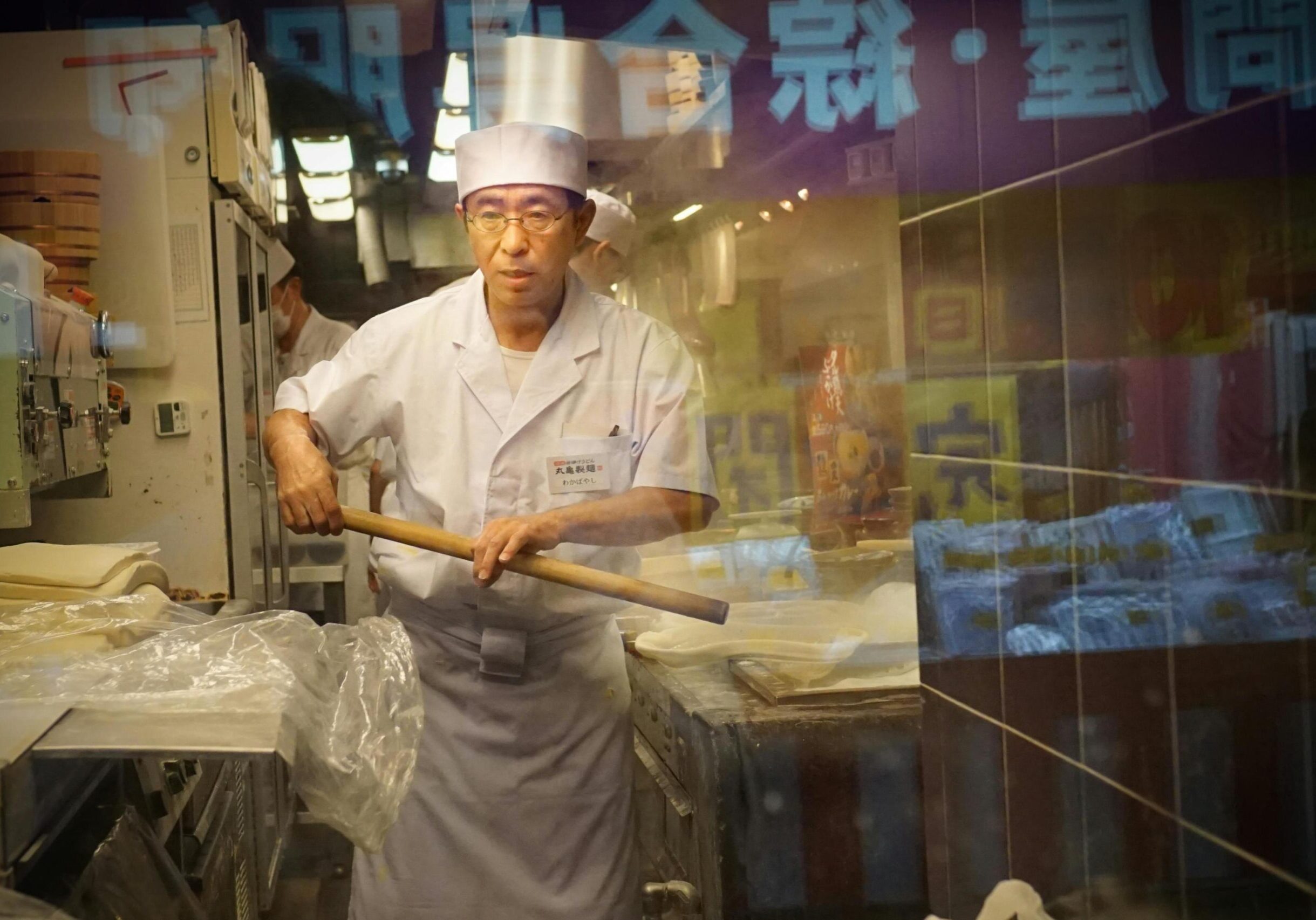
The life of a professional chef in Singapore is not for the faint of heart. It’s a career that demands long hours, physical endurance, and unwavering commitment. Yet, for those who choose this path, the rewards are profound. It’s about more than just food—it’s about creating experiences, connecting with people, and dedicating yourself to a craft that is both challenging and deeply fulfilling.
For those inspired by the dedication and success of chefs in Singapore, opportunities abound. If you want to apply for chef job vacancy in Singapore or simply want to learn more about this craft, the culinary world welcomes those who value passion, precision, and teamwork. To explore more about chef works SG, contact local restaurants, visit career sites, or send an email to arrange a conversation about joining this dynamic industry. You can also set job alerts or preferences on career sites to stay updated on the latest chef works SG opportunities.
The kitchen is more than a workplace—it’s a stage where passion meets precision, where dedication shapes success, and where chefs leave their mark on Singapore’s vibrant culinary landscape.