Skip to content

The Best Places for Authentic Peranakan Food Singapore Awaits You

Peranakan food singapore. This unique culinary tradition represents the beautiful blend of Chinese and Malay influences that emerged from centuries of intermarriage and cultural exchange. For diners who prefer curated recommendations, topsingaporerestaurants.com offers a helpful guide to the best Peranakan restaurants and heritage eateries across Singapore.

As the cultural heartland of Peranakan cuisine, Singapore offers an unparalleled opportunity to discover authentic dishes, from traditional family recipes passed down through generations to modern interpretations that respect heritage while embracing innovation. Locals and visitors alike love Peranakan food for its unique blend of flavors and rich cultural heritage.

Whether you’re a first-time visitor seeking authentic cultural experiences or a local wanting to explore your heritage cuisine more deeply, this comprehensive guide will lead you through the best peranakan restaurants, must-try dishes, and hidden gems—including perennial favourites among both locals and visitors—that make Singapore the ultimate destination for nyonya food enthusiasts.

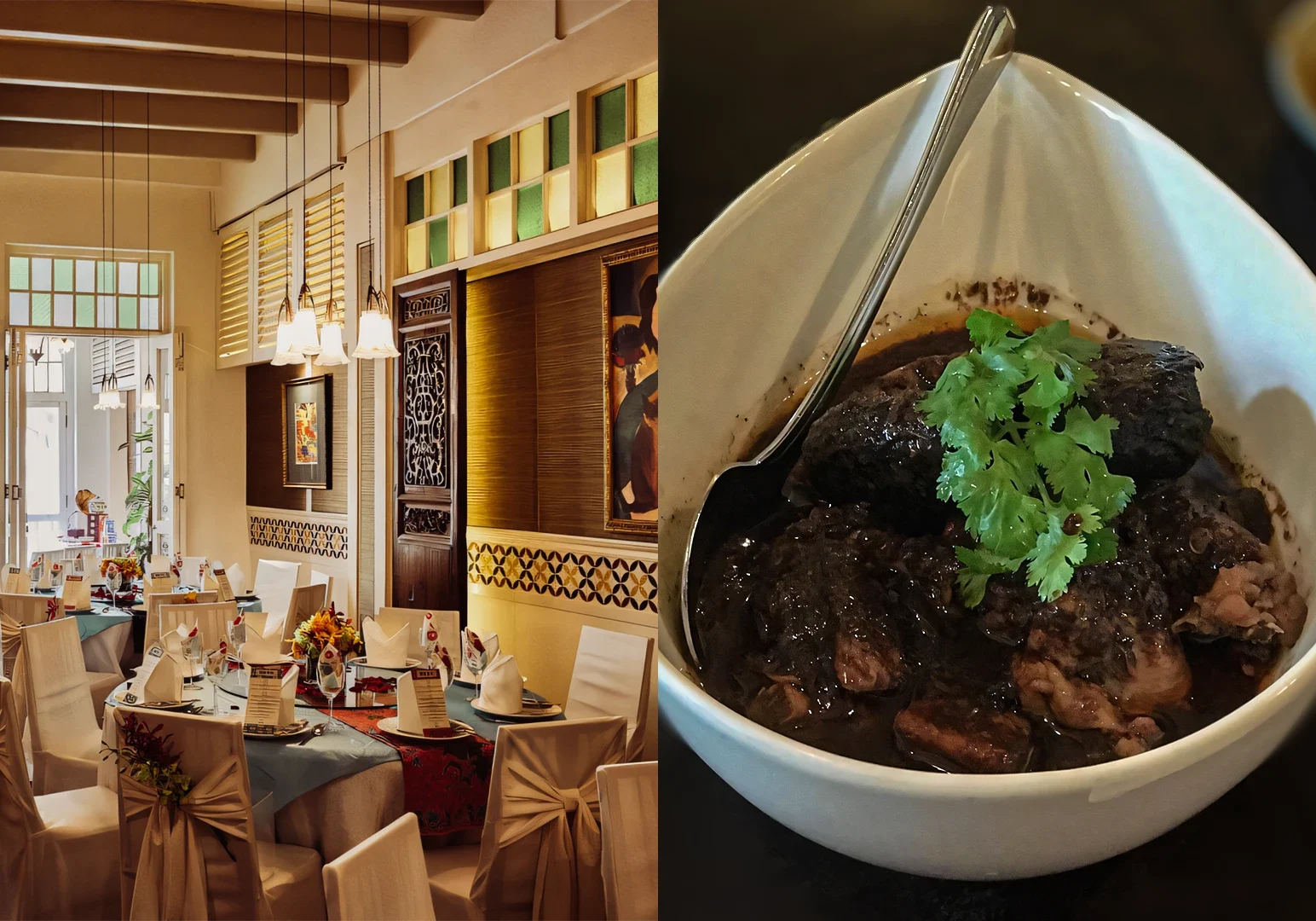
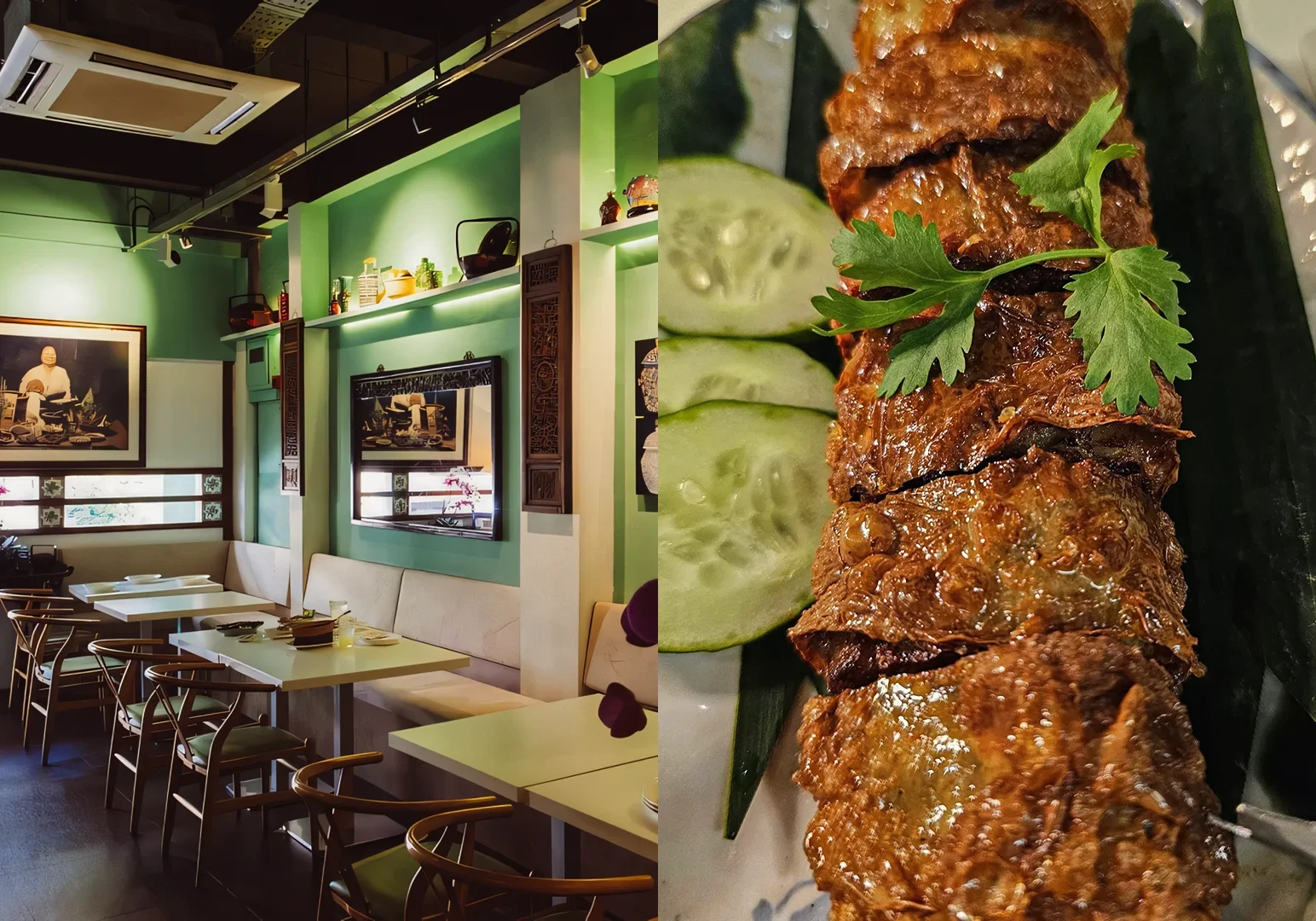
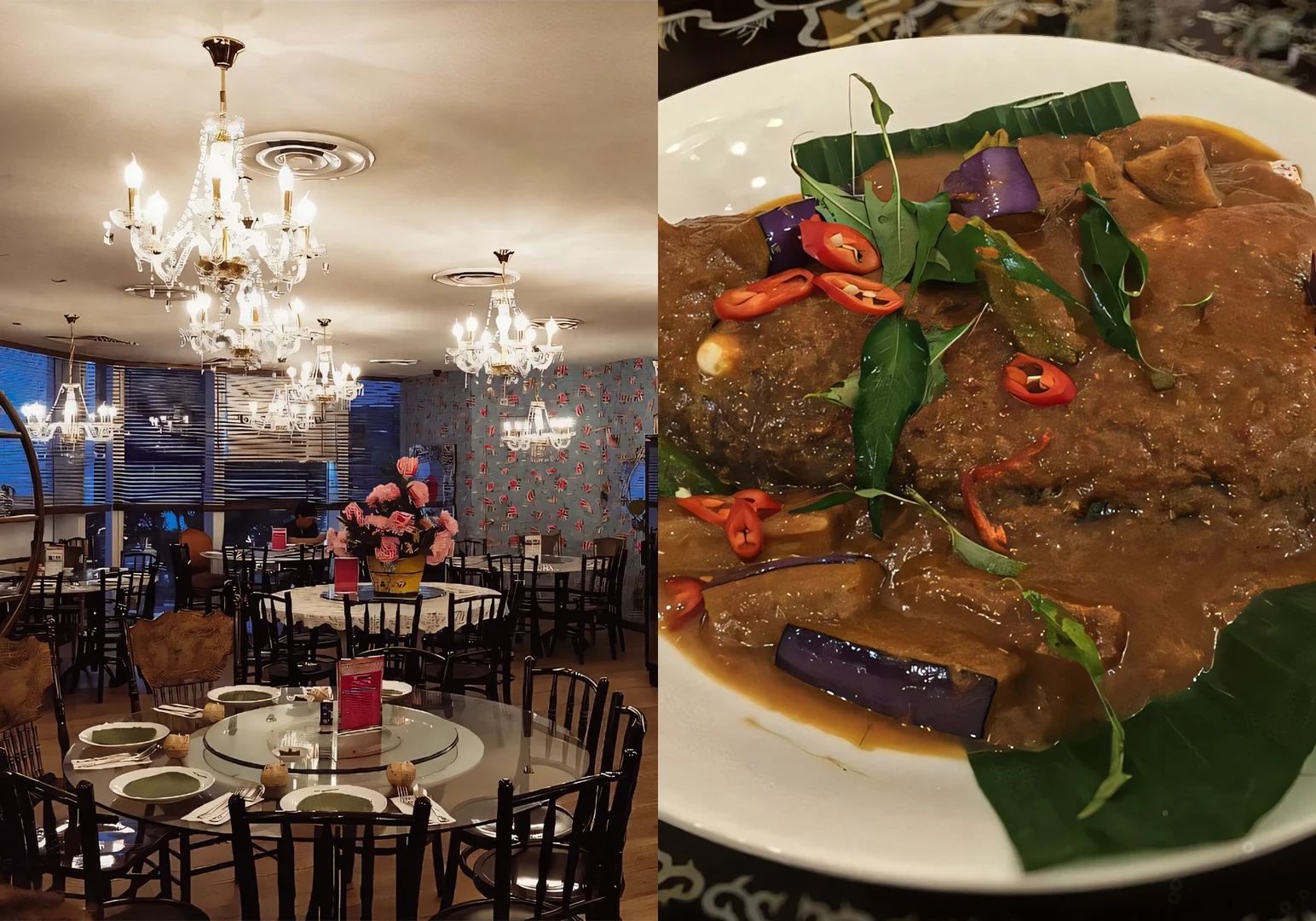
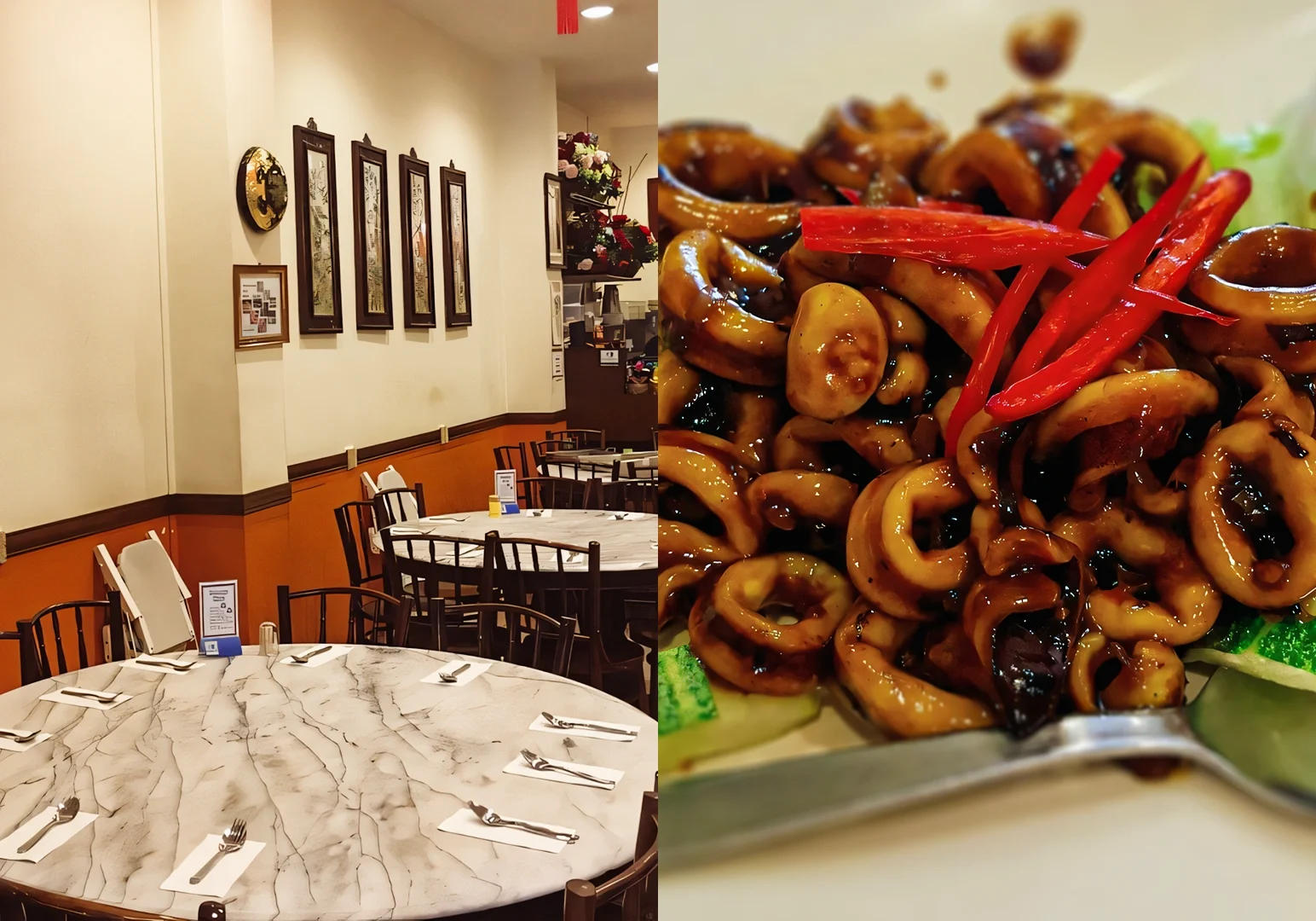
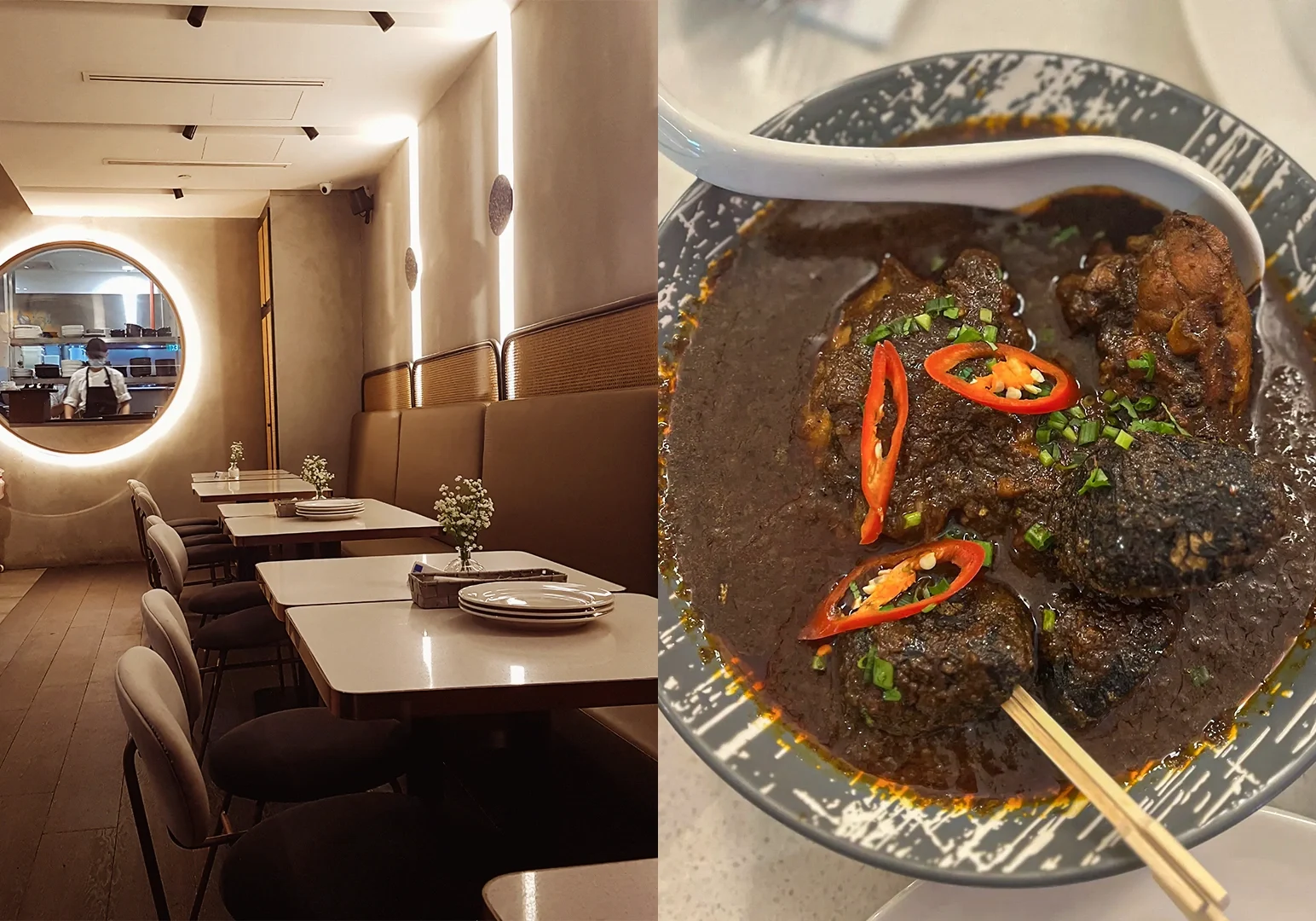
The image features a selection of traditional Peranakan dishes beautifully presented in colorful bowls adorned with intricate patterns, showcasing the rich heritage of authentic Nyonya food. This vibrant display highlights the unique culture of Peranakan cuisine, inviting guests to explore the flavors of dishes like ayam buah keluak and babi pongteh.

What is Peranakan Food and Why Singapore is the Best Place to Try It

Peranakan cuisine represents one of the world’s earliest fusion foods, emerging from the unique culture of the Straits Chinese community. When Chinese immigrants settled in Singapore, Malacca, and Penang from the 15th century onwards, they married local Malay women and created a distinctive hybrid culture. The resulting Peranakan cuisine blends Chinese cooking techniques with Malay spices, Indonesian influences, and local ingredients to create dishes that are simultaneously familiar and exotic. Peranakan cuisine is truly representative of Singapore's multicultural heritage, embodying the diverse influences that shape the nation's food culture.

The heart of authentic Peranakan dishes lies in the preparation of rempah - aromatic spice pastes that form the foundation of most dishes. These complex blends typically include dried chilies, onions, garlic, turmeric, galangal, belachan (fermented shrimp paste), and lemongrass, all laboriously pounded by hand using a mortar and pestle. This time-intensive process releases essential oils and creates the deep, layered flavors that characterize nyonya food.

Singapore stands as the premier destination for Peranakan cuisine due to its role as the cultural heartland of the Peranakan community. The island nation preserves the most authentic family recipes, many of which have been closely guarded secrets passed down through generations. The concentration of skilled Peranakan cooks, traditional ingredients, and cultural preservation efforts makes Singapore the ideal place to experience this unique cuisine in its most authentic form.

The flavor profile of Peranakan cuisine is characterized by its bold balance of sweet, sour, spicy, and umami elements, offering a remarkable diversity of tastes. Unlike typical Chinese food, which tends to be more subtle, or standard Malay cuisine, which can be quite fiery, Peranakan dishes achieve a harmonious complexity that appeals to a wide range of palates while maintaining their distinctive character.

Traditional Peranakan Restaurants: Heritage and Authentic Flavors

Singapore’s traditional Peranakan restaurants serve as guardians of culinary heritage, preserving centuries-old recipes and cooking techniques that might otherwise be lost. These establishments prioritize authenticity over convenience, often requiring extensive preparation times that reflect the traditional labor-intensive nature of nyonya food. Many of these good traditional restaurants are located in the east, such as Katong and Joo Chiat, making the area a destination for those seeking authentic Peranakan cuisine.

The Blue Ginger operates two locations in Tanjong Pagar and Great World, distinguished by its commitment to traditional decor and premium authentic flavors. The restaurant’s interior features classic Peranakan design elements, including intricate tiles and traditional furniture that transport diners into the cultural atmosphere of a traditional Peranakan home. While the premium pricing reflects the quality ingredients and extensive preparation required for authentic dishes, guests consistently praise the restaurant’s commitment to preserving traditional flavors without modern shortcuts.

House of Peranakan has been serving authentic Peranakan cuisine since the 1980s, establishing itself as one of the pioneering restaurants in the Katong area. With multiple locations now including Tiong Bahru, the restaurant has maintained its commitment to family recipes while expanding its reach. The establishment is particularly known for its consistent quality across locations, its good reputation among locals for authentic flavors, and its role in introducing many Singaporeans to authentic nyonya food during the cuisine’s revival in the late 20th century.

The Peranakan Restaurant in Lengkok Bahru operates under the guidance of Executive Chef Raymond Khoo, whose family has preserved three generations of traditional recipes. This restaurant stands out for its commitment to authentic preparation methods, refusing to take shortcuts that might compromise the integrity of traditional flavors. Chef Khoo’s dedication to preserving family cooking techniques ensures that dishes maintain their original character and complexity.

Guan Hoe Soon Restaurant has earned recognition for its extraordinary commitment to authentic ayam buah keluak preparation, a process that takes 5-7 days to complete properly. This iconic dish requires the careful cleaning, soaking, and preparation of buah keluak nuts, followed by slow braising that develops the deep, earthy flavors that make this dish a true test of Peranakan culinary skill. The restaurant’s willingness to invest this level of time and effort demonstrates the highest standards of traditional cooking. If you want to try these authentic dishes, head to the east of Singapore, where many of these renowned Peranakan restaurants are located.

Many of these well-loved spots are also featured on Top Singapore Restaurants, which highlights eateries known for preserving traditional recipes and cooking techniques.

The interior of a traditional Peranakan restaurant features ornate tiles and elegant wooden furniture, creating a warm and inviting atmosphere that reflects the unique culture of Peranakan cuisine. This setting is perfect for enjoying authentic Nyonya food, such as ayam buah keluak and babi pongteh, in a modern twist on heritage dining.

Michelin-Starred and Fine Dining Peranakan Cuisine

The elevation of peranakan cuisine to fine dining status represents both an evolution and a preservation effort, with skilled chefs working to maintain traditional flavors while presenting them in refined, contemporary settings that appeal to modern diners seeking premium experiences.

Candlenut on Dempsey Road holds the distinction of being Singapore’s first michelin starred peranakan restaurant, earning its star in 2016 under the guidance of Chef Malcolm Lee. The restaurant’s innovative ‘ah-ma-kase’ menu (a play on the Japanese omakase concept) presents traditional Peranakan dishes with refined techniques and premium ingredients while respecting the essence of each recipe. Chef Lee’s approach demonstrates how traditional recipes can be elevated without losing their cultural authenticity.

Pangium, located near Singapore Botanic Gardens, represents the contemporary fine dining extension of Candlenut’s chef-owner Malcolm Lee’s vision. This establishment pushes the boundaries of modern peranakan restaurant concepts by incorporating innovative techniques and presentations while maintaining the complex flavor profiles that define authentic peranakan cuisine. The restaurant’s name, derived from the scientific name for the buah keluak tree, reflects its deep connection to traditional ingredients.

Violet Oon Singapore operates three strategic locations at Jewel Changi Airport, ION Orchard, and the National Gallery, making gourmet peranakan food accessible to both travelers and locals. Chef-owner Violet Oon has built her reputation on preserving family recipes while presenting them in an upscale environment that appeals to contemporary diners. Her restaurants serve as cultural ambassadors, introducing international visitors to authentic peranakan cuisine through expertly prepared dishes that maintain traditional flavors.

Some of these fine dining restaurants also offer the option to pair Peranakan dishes with wine, allowing guests to enhance the meal and complement the cuisine’s unique flavors.

These premium establishments typically require advance reservations and command higher price points that reflect the quality ingredients, skilled preparation, and refined service. However, the investment provides diners with an opportunity to experience Peranakan cuisine at its finest, with dishes that showcase the complexity and sophistication that this heritage cuisine can achieve when prepared by master chefs.

The fine dining approach to Peranakan cuisine serves an important cultural purpose beyond mere gastronomy. By elevating traditional dishes to premium status, these restaurants help ensure the survival of complex cooking techniques that might otherwise be lost as home cooks seek more convenient alternatives.

Halal Peranakan Restaurants: Inclusive Dining Options and Best Peranakan Food

The adaptation of Peranakan cuisine to halal dietary requirements represents an important evolution that makes this cultural heritage accessible to Muslim diners while maintaining the essential flavors and cooking techniques that define authentic nyonya food.

Old Bibik’s Peranakan Kitchen at 328 Joo Chiat Road has earned halal certification while maintaining its commitment to traditional flavors without using MSG or artificial additives. The restaurant demonstrates how skilled cooks can preserve the complexity of Peranakan cuisine while adapting ingredients to meet religious dietary requirements. Their success lies in understanding that the essence of Peranakan cooking lies in technique and spice combinations rather than specific proteins.

Nyonyas & Gentlemen in Katong offers a unique approach with daily buffet service that includes halal dishes alongside DIY stations where diners can customize their meals. This format allows guests to explore a wide variety of Peranakan dishes while ensuring that all options meet halal standards. The buffet approach also makes the cuisine more accessible to families and groups with varying preferences.

Halal peranakan restaurants face the challenge of adapting traditional recipes that often include pork or non-halal ingredients while maintaining authentic flavors. Successful establishments achieve this through creative substitutions and enhanced spice blends that compensate for any changes in the protein components. For example, beef or chicken may replace pork in traditional dishes, with adjustments to cooking times and spice levels to ensure the final product maintains the characteristic balance of flavors.

The development of halal peranakan options reflects Singapore’s multicultural society and the importance of making cultural heritage cuisine accessible to all communities. These restaurants serve not only Muslim diners but also health-conscious customers seeking cleaner ingredient lists and more transparent preparation methods.

A vibrant buffet table showcases an array of halal Peranakan dishes, including traditional favorites like ayam buah keluak and babi pongteh, reflecting the unique culture and heritage of Nyonya food. The colorful presentation invites guests to explore the rich flavors and modern twists of authentic Peranakan cuisine at a celebrated restaurant in Singapore.

Modern Peranakan Restaurants

The contemporary approach to peranakan cuisine demonstrates how traditional recipes can evolve while maintaining their cultural integrity, with innovative chefs finding creative ways to present heritage flavors in formats that appeal to modern dining preferences.

Godmama operates locations at Funan and Parkway Parade, distinguished by its modern twist on traditional dishes and innovative brunch items like Otak Otak Benedict. This creative fusion represents how contemporary chefs can honor traditional ingredients and flavors while adapting them to current dining trends. The restaurant’s approach attracts younger diners who might otherwise be unfamiliar with Peranakan cuisine while introducing them to authentic flavors in accessible formats.

Rempapa on Paya Lebar Road showcases a multicultural heritage menu that includes innovative preparations like sambal buah keluak alongside traditional dishes. The restaurant’s name cleverly combines “rempah” (the traditional spice paste) with “papa,” suggesting a modern, approachable take on traditional cooking. Their menu demonstrates how contemporary chefs can expand the boundaries of Peranakan cuisine while respecting its core principles.

Bonding Kitchen on Orchard Road specializes in private dining services with course meal options that present Peranakan dishes in a structured fine-dining format. This approach allows for more intimate dining experiences while showcasing the sophisticated side of heritage cuisine. Bonding Kitchen can bring the authentic Peranakan dining experience to your home or private event, making it convenient to enjoy these flavors outside the restaurant. Their private dining services are also a wonderful way to mark special occasions, allowing guests to celebrate milestones with authentic Peranakan cuisine in an elegant setting.

Modern Peranakan restaurants succeed by understanding that innovation should enhance rather than replace traditional flavors. The best contemporary establishments maintain the essential spice blends and cooking techniques while experimenting with presentation, serving styles, and ingredient combinations that reflect current culinary trends.

These restaurants play a crucial role in keeping Peranakan cuisine relevant for younger generations who may appreciate traditional flavors but prefer contemporary dining experiences. By bridging the gap between heritage and modernity, they ensure that this important cultural cuisine continues to evolve and attract new enthusiasts.

If you’re interested in how another heritage cuisine makes the same transition, this is worth reading next: The Evolution of Teochew Restaurant SG: From Traditional Flavours to Contemporary Tables.

Regional Specialties: Joo Chiat and Katong Food Scene

The Joo Chiat and Katong neighborhoods represent the cultural heart of Singapore’s Peranakan community, where traditional shophouses and family-run establishments preserve the most authentic expressions of this heritage cuisine within their original cultural context.

Chilli Padi in Joo Chiat offers comforting Peranakan food with the unique addition of confinement catering services, reflecting the deep connection between Peranakan cuisine and family traditions. This restaurant serves as an example of how traditional establishments maintain their community roots while serving both locals and visitors. Their specialization in confinement catering demonstrates the continuing role of Peranakan cuisine in important life events and family celebrations.

The historical significance of Joo Chiat and Katong as Peranakan neighborhoods adds cultural depth to the dining experience. These areas feature well-preserved shophouses with traditional architectural details, providing an authentic backdrop for enjoying heritage cuisine. Walking through these neighborhoods offers visitors the opportunity to understand how Peranakan culture developed within Singapore’s urban landscape.

A walking tour combining cultural sites and food stops provides the ideal way to experience this regional specialty area. Visitors can explore traditional shophouses, visit cultural museums, and sample authentic dishes from multiple establishments within a compact area. Many restaurants in Joo Chiat and Katong offer dine-ins, allowing visitors to enjoy their meals in a traditional setting. This approach allows for a deeper understanding of how peranakan cuisine relates to the broader cultural heritage of the community.

The concentration of peranakan restaurants in these neighborhoods creates a competitive environment that maintains high standards while preserving authenticity. Local favorite spots often remain hidden from tourist guides, known primarily to residents and cultural enthusiasts who appreciate the subtle differences between various family cooking styles.

These neighborhoods also host traditional kueh makers and specialty shops that provide ingredients and prepared foods for home cooks who want to maintain family traditions. The ecosystem of suppliers, restaurants, and cultural sites creates a complete immersion experience that cannot be replicated in other areas of Singapore.

The image showcases traditional Peranakan shophouses in Joo Chiat, characterized by their vibrant, colorful facades that reflect the unique culture and heritage of Singapore. These charming buildings are a testament to the rich history of Peranakan cuisine, inviting visitors to explore authentic Nyonya food and the delightful dishes offered in nearby Peranakan restaurants.

The Peranakan Dining Experience: Ambience, Rituals, and Culture

To enter a Peranakan sanctuary in Singapore is to experience more than just a meal—it is an invitation to immerse oneself in the rich heritage of Peranakan culture. Establishments like Violet Oon Singapore and The Blue Ginger create an ambiance that honors the blend of Chinese, Malay, and indigenous traditions through carefully chosen decor, heirloom furnishings, and cultural motifs. Whether dining in Tanjong Pagar or Parkway Parade, guests enjoy authentic nyonya food such as ayam buah keluak and sambal buah keluak in settings that reflect refinement and cultural reverence, enhancing the appreciation of these time-honored dishes.

Central to the Peranakan dining experience is the philosophy of communal sharing, where meals become contemplative gatherings that celebrate the diversity of flavors and textures in nyonya cuisine. Restaurants like Violet Oon and National Kitchen also offer cultural experiences such as cooking workshops and traditional craft sessions, deepening the connection to this unique culture. Across Singapore—from Funan to ION Orchard—Peranakan restaurants provide options for dine-ins, artisanal takeaway, and private dining, making the finest peranakan food Singapore accessible in settings of exceptional refinement that honor tradition and create lasting memories.

Must-Try Peranakan Dishes and Where to Find Them

Understanding the signature dishes of peranakan cuisine and knowing where to find the best preparations provides the foundation for a comprehensive exploration of this rich culinary tradition.

Ayam Buah Keluak represents the pinnacle of Peranakan cooking complexity, requiring extensive preparation time and specialized knowledge to execute properly. The best versions can be found at Guan Hoe Soon, where the 5-7 day preparation process ensures proper development of the earthy, complex flavors that make this dish legendary. Simply Peranakan Cuisine also offers an excellent version that demonstrates the skill required to balance the unique bitter-sweet profile of the buah keluak nuts.

Kueh Pie Tee showcases the delicate balance of textures and flavors that characterizes authentic Peranakan dishes. Violet Oon’s signature preparation features turnip filling in crispy pastry cups, demonstrating how traditional recipes can be refined without losing their essential character. The dish serves as an excellent introduction to Peranakan flavors for newcomers while satisfying the expectations of knowledgeable diners.

Beef Rendang appears on menus at The Blue Ginger, The Peranakan Restaurant, and Simply Peranakan Cuisine, each offering slightly different interpretations that reflect family recipe variations. This dish demonstrates how Peranakan cuisine adapts Malay cooking techniques while incorporating Chinese preferences for texture and presentation. The slow-cooking process required for authentic rendang showcases the patience and skill that traditional Peranakan cooking demands.

Laksa and Assam Fish represent the soup-based dishes that highlight the complex spice blends fundamental to Peranakan cuisine. Traditional preparations emphasize the rempah base while modern interpretations may adjust spice levels for contemporary palates. These dishes provide excellent examples of how coconut milk, tamarind, and aromatic spices combine to create the characteristic flavor profiles of nyonya food.

Ngoh Hiang and Chap Chye round out the selection of signature dishes that every serious Peranakan food enthusiast should experience. These dishes demonstrate the Chinese influences within Peranakan cuisine while showcasing the unique spice combinations that distinguish this cooking style from standard Chinese preparations. Multiple restaurants offer these dishes, allowing diners to compare different family recipe interpretations.

The key to appreciating these dishes lies in understanding that each restaurant may offer subtle variations based on family recipes and regional preferences. Exploring multiple versions of the same dish provides insight into the rich diversity within Peranakan culinary traditions.

Specialty Peranakan Desserts and Traditional Kueh

The sweet side of Peranakan cuisine offers a diverse array of traditional desserts and kueh that showcase the creative use of coconut, pandan, and palm sugar in creating treats that are both visually stunning and deliciously complex.

Nyonya Novelties serves traditional chendol with fresh coconut, pandan flavoring, and gula melaka (palm sugar), representing the perfect example of how Peranakan desserts balance sweetness with natural flavors and interesting textures. The combination of ingredients creates a cooling dessert that provides relief from Singapore’s tropical climate while delivering the aromatic complexity that characterizes all aspects of Peranakan cuisine.

Pulot Hitam and Bubur Cha Cha represent the warm dessert category that features glutinous rice and mixed ingredients in coconut-based broths. These comfort desserts demonstrate how Peranakan cuisine transforms simple ingredients into sophisticated treats through careful preparation and seasoning. The contrast between the warm, creamy base and various textural elements creates a satisfying end to traditional meals.

Traditional kueh makers in Joo Chiat and Katong continue to produce authentic sweets using time-honored techniques and natural ingredients. These colorful, bite-sized treats showcase the artistic side of Peranakan cuisine, with intricate designs and vibrant colors that reflect the cultural appreciation for beauty in everyday items. Each type of kueh has its own significance and traditional occasions for serving.

Seasonal specialties and festival-specific treats add another dimension to Peranakan dessert culture. Certain sweets appear only during specific celebrations or cultural events, making them particularly special for those who understand their cultural significance. These limited-time offerings provide additional motivation for multiple visits to traditional establishments.

The preparation of traditional desserts requires specialized knowledge about ingredient combinations, cooking techniques, and presentation methods that are increasingly rare. Supporting establishments that maintain these traditions helps ensure the survival of this important aspect of Peranakan cultural heritage.

A vibrant assortment of traditional Peranakan kueh is beautifully arranged on banana leaves, showcasing the colorful and intricate designs typical of authentic Nyonya food. This display highlights the unique culture and heritage of Peranakan cuisine, inviting guests to explore the delightful flavors of these beloved dishes.

The Rich Heritage and Flavors of Peranakan Food Singapore

Singapore’s peranakan food scene represents a remarkable preservation of cultural heritage combined with innovative evolution that ensures this unique cuisine remains relevant for contemporary diners. From traditional family restaurants that guard centuries-old recipes to michelin starred establishments that elevate heritage dishes to fine dining status, the island offers an unparalleled opportunity to explore every facet of this fascinating culinary tradition.

The diversity of options - from halal adaptations that maintain authentic flavors to modern interpretations that attract younger generations - demonstrates how living cultures adapt while preserving their essential character. Whether you’re seeking the complex earthiness of ayam buah keluak at a traditional establishment, the refined presentations of contemporary fine dining, or the comforting familiarity of neighborhood favorites, Singapore provides authentic experiences that connect diners with the rich cultural heritage of the Peranakan community.

The best way to truly appreciate peranakan cuisine involves exploring multiple establishments, comparing family recipe variations, and understanding the cultural context that gives meaning to each dish. Start your peranakan culinary journey today by visiting one of Singapore’s exceptional restaurants, and discover why this unique fusion cuisine continues to captivate food enthusiasts from around the world. Each meal offers not just sustenance, but a connection to the fascinating story of cultural adaptation and preservation that defines Singapore’s multicultural identity.

To explore the roots and signature dishes of this cuisine, read our guide to Discovering the Best Nyonya Singapore Restaurants: A Taste of Heritage.