
The Quiet Pull of the Places We Return To
There are restaurants we choose with intention, and there are restaurants we return to almost without thinking.
They may not be the newest openings or the places everyone is talking about. They may not have dramatic interiors, long tasting menus, or dishes designed to be photographed. Often, they are simply there, steady and familiar, waiting at the edge of a weekday.
We know the walk there. We know where we like to sit. We know which dish will arrive exactly as remembered.
In a city where new restaurants appear constantly, familiarity can feel like its own kind of luxury.
The Comfort of Not Deciding
Modern dining often asks us to choose. New menus, new concepts, new recommendations, new lists of places we should try before the next one opens.
There is pleasure in discovery, but there is also relief in returning to a place that requires very little from us.
A regular restaurant removes the need to compare. It does not ask us to perform curiosity or make the correct choice. It lets us arrive tired, hungry, quiet, distracted, or happy, and still know what to do.
Perhaps that is why these places become part of our routines. Not because they are perfect, but because they are dependable.
They meet us where life actually happens.
The Meal That Knows Us Back
The restaurants we return to often know us in small ways.
A server remembers where we like to sit. A stall owner recognises the order before we speak. The kitchen prepares a dish with the same rhythm it has carried for years.
These gestures are modest, but they matter. They give a meal a sense of continuity in a city that rarely stops moving.
Over time, the restaurant becomes less like a destination and more like a familiar room in the week. A place for Friday dinners, quiet lunches, quick bowls of noodles, or family meals that happen without needing to be planned.
The food becomes part of the calendar.
Why Newness Is Not Always Enough
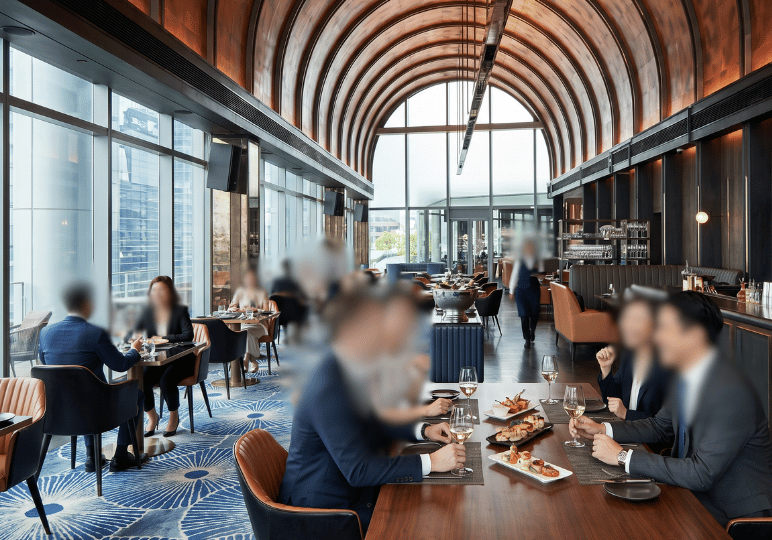
Singapore’s dining scene is rich with openings, reinventions, and carefully designed experiences. There is always somewhere new to book, somewhere new to photograph, somewhere new to discuss.
Yet novelty has its limits.
A new restaurant can impress us, but a familiar one can settle us.
It carries the memory of previous meals, ordinary conversations, and versions of ourselves that once sat at the same table.
That kind of attachment is difficult to create quickly. It is built through repetition, through small satisfactions, through the quiet trust that a place will be there when we need it.
The Places That Become Ours
The restaurants we return to without thinking rarely announce their importance. Their meaning grows quietly, meal by meal.
One day, we realise we have been going there for years. We have brought friends, ordered alone, celebrated nothing in particular, and returned after difficult days. The restaurant has become part of the background of life, which is often where the most important things reside.
Perhaps this is why we keep going back.
Not for surprise, not always for excellence, and not because there are no other choices.
We return because some places make ordinary life feel held.