
The Dedication Behind Peranakan Cuisine Singapore Through a Chef’s Work
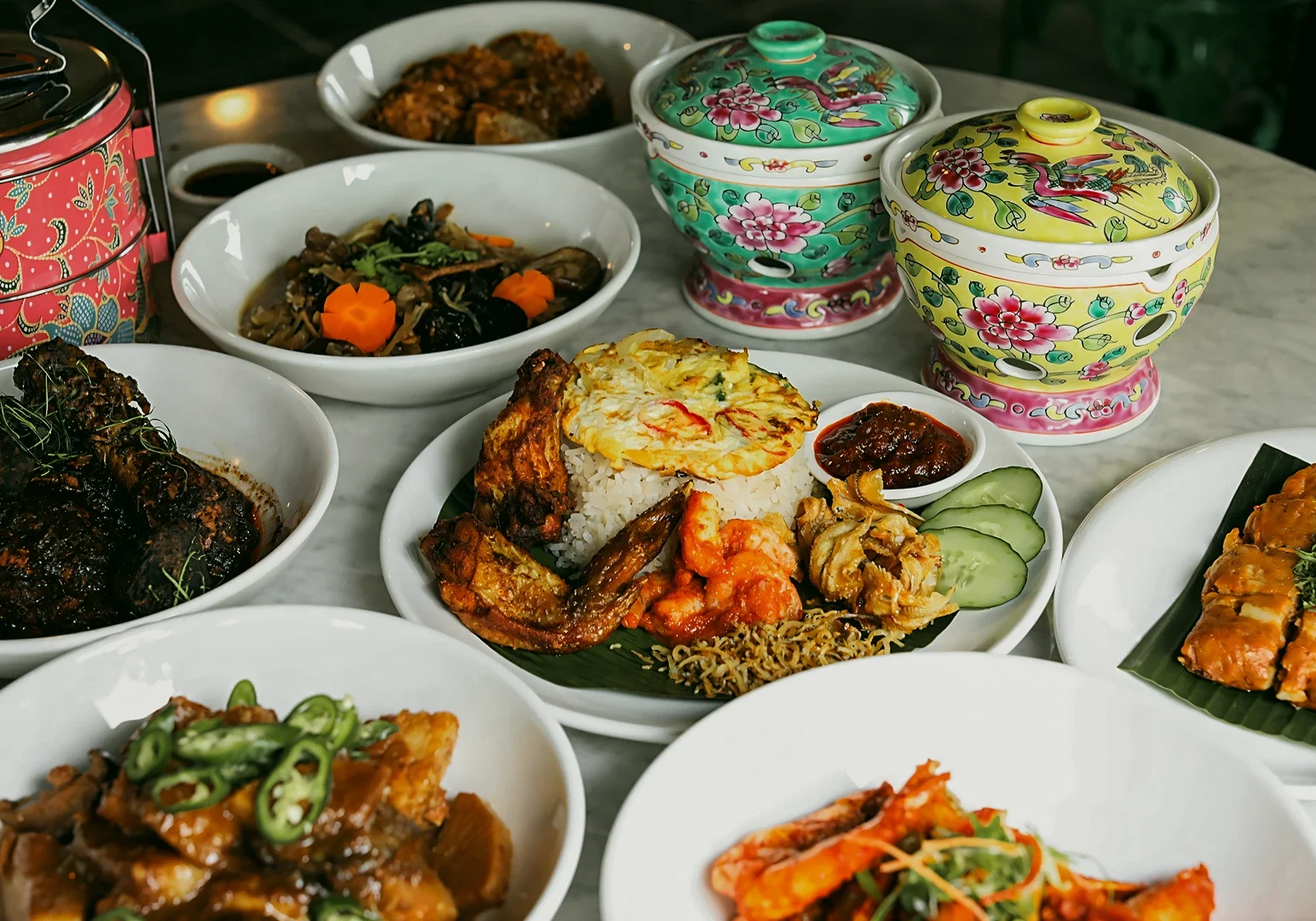
Before the first diner arrives, the kitchen of a Peranakan restaurant in Singapore hums with the aroma of galangal, shrimp paste, and coconut milk. Peranakan cuisine Singapore-style is a laborious craft, deeply rooted in the Straits Chinese community’s heritage, blending Chinese immigrants’ techniques with local Malays' spices.
The intricate preparation of traditional dishes like ayam buah keluak and babi pongteh reflects generations of recipes and cultural memory.
Peranakan Cuisine Singapore: A Cultural and Culinary Fusion
Peranakan culture embodies the fusion of Chinese immigrants and local Malays, forming a unique identity expressed vividly through food. This cuisine, also known as nyonya cuisine, is a harmonious blend of Chinese ingredients and Malay spices, enriched by Indonesian cooking influences.
Iconic dishes like laksa and ayam buah keluak are more than meals; they are cultural symbols passed down from one generation to the next, preserving a unique food culture that defines Singapore’s culinary landscape. Peranakan cuisine Singapore showcases the rich heritage of the Straits Chinese community, highlighting traditional flavors and cooking techniques that continue to captivate food lovers and culinary enthusiasts alike.
The Essence of Peranakan Cuisine: Rempah and Traditional Dishes
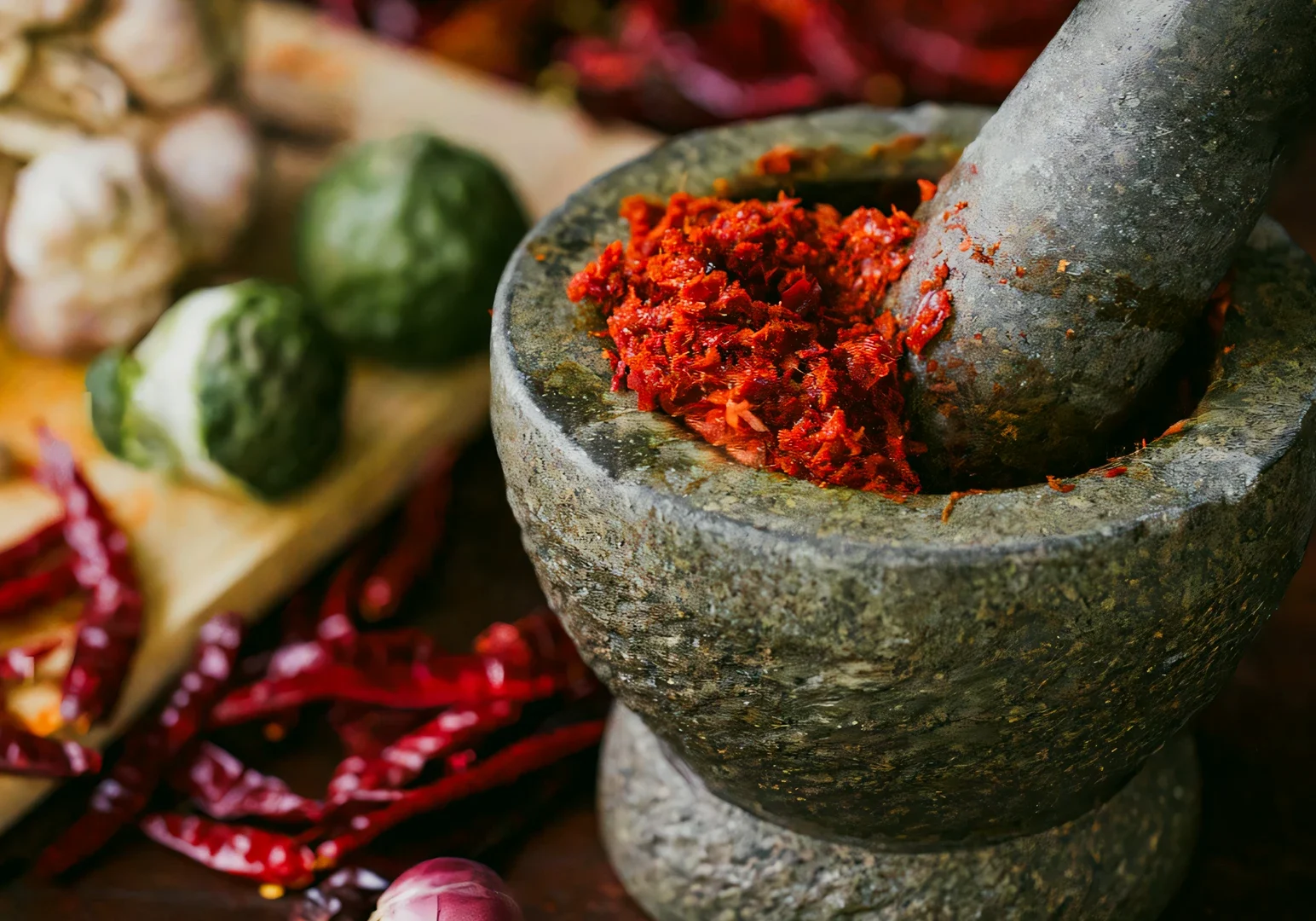
At the heart of Peranakan cooking lies the rempah, an aromatic spice paste made fresh daily. Crafted by hand with ingredients such as shallots, garlic, chilies, lemongrass, candlenuts, turmeric, and kaffir lime leaves, the rempah forms the backbone of many authentic Peranakan flavours. This careful preparation, a hallmark of nyonya cooking, ensures the complex, spicy, sour, and sweet taste profiles that characterize the cuisine.
Traditional Peranakan dishes require patience and good cooking techniques. The rempah is slowly fried until fragrant, a process essential to achieving the rich depth of flavour. Belacan, or fermented shrimp paste, adds umami and is indispensable in many recipes. Regional variations across Singapore, Malaysia, and Indonesia reflect local ingredients and cultural nuances, making Peranakan cuisine a dynamic and evolving tradition.
Authentic Peranakan Flavours and Signature Dishes
Peranakan food is a celebration of balance and complexity. Dishes like ayam buah keluak showcase the unique blend of spices and ingredients—here, the earthy buah keluak nut is combined with chicken, coconut milk, and shrimp paste to create a rich stew. Similarly, perut ikan, a dish of fish stomach cooked with tamarind, offers a sour and spicy profile emblematic of the cuisine’s bold taste.
Nyonya dishes such as laksa feature rice noodles in a spicy coconut milk broth, garnished with herbs and seafood, representing the seamless melding of Chinese and Malay culinary traditions. Deep-fried items and mixed vegetables cooked in rich stews add texture and variety to the menu, while birthday noodles highlight the cultural significance of food in family celebrations.
If you’re looking to experience these rich flavors, explore the best places to enjoy authentic Peranakan food in Singapore as seen in this article.
A Day in the Life of a Peranakan Chef: Preserving Heritage Through Food
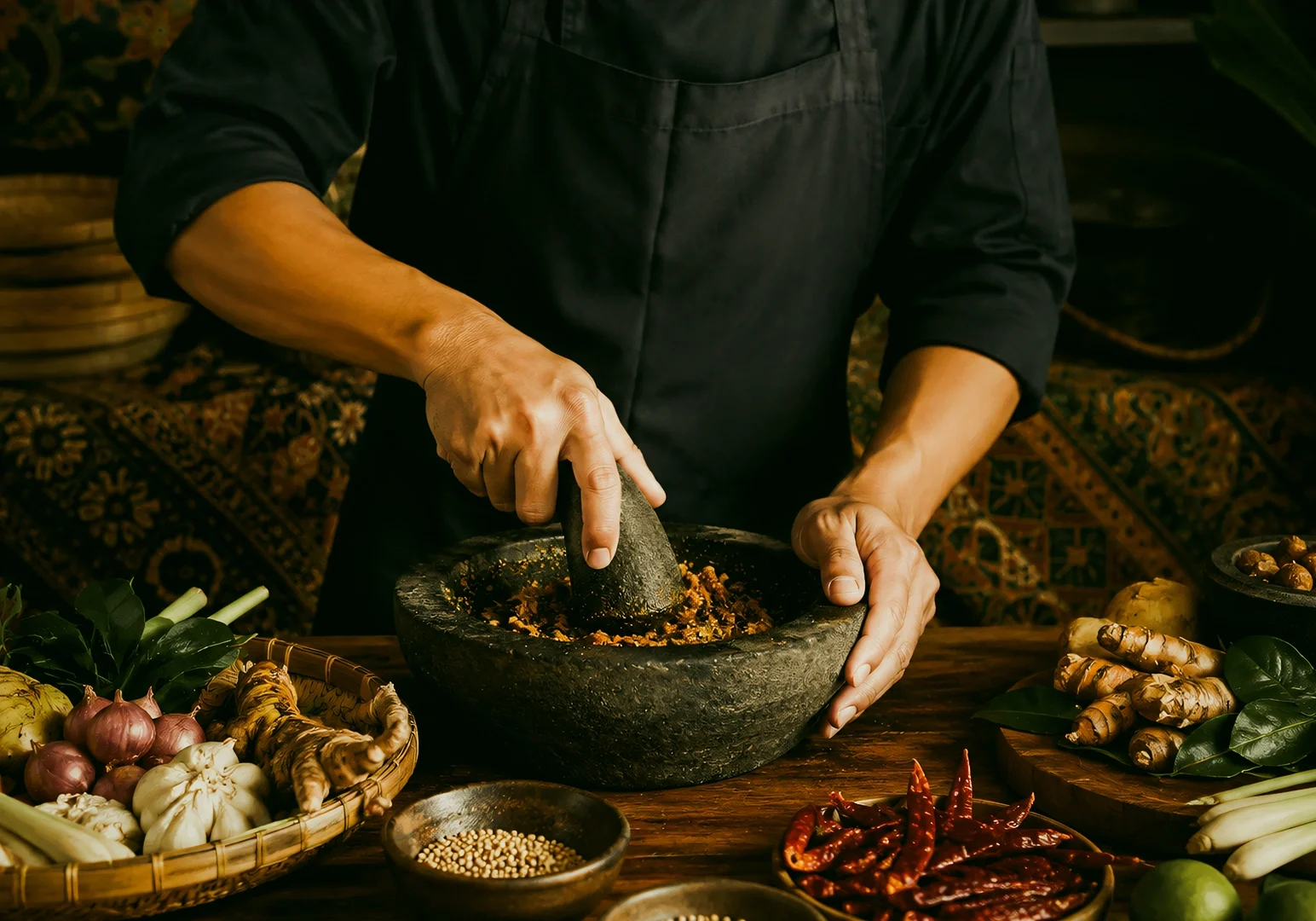
Early Morning: Preparing the Foundations
Before dawn, the chef owner and team begin by peeling shallots, bruising lemongrass, and pounding rempah by hand using mortar and pestle. This ritual, grounded in tradition, sets the foundation for the day’s cooking. The tactile process releases essential oils and builds complex flavours that define authentic Peranakan cooking, which is deeply influenced by Malay cuisine and the culinary traditions of Johor Bahru.
Mid-Morning: Slow Cooking Traditional Dishes
The kitchen heats up as slow-cooked dishes like babi pongteh and ayam buah keluak simmer. Buah keluak nuts, native to Indonesian cooking, require days of soaking to remove toxins before being incorporated into dishes. The chef carefully balances spices, coconut milk, and tamarind to maintain the signature sweet, sour, and spicy flavours. Pork is a common ingredient in many Peranakan recipes, reflecting the Chinese heritage within the cuisine.
Other traditional dishes prepared include fish head curry and otak otak, wrapped in banana leaves and grilled to enhance their aroma. The kitchen also readies mixed vegetables and birthday noodles, staples of Peranakan celebrations that reflect the cuisine’s rich heritage.
Afternoon: Service and Final Touches
During lunch and dinner service, the chef ensures each dish meets the high standards of authentic Peranakan flavours. From ladling laksa broth over noodles to filling crisp kueh pie tee shells at the last moment, every detail matters. Desserts like Nyonya kueh—colorful, bite-sized sweets made with coconut milk and palm sugar—offer a sweet conclusion to the meal.
Authentic Peranakan Flavours in Modern Singapore: Chef Malcolm Lee and National Kitchen
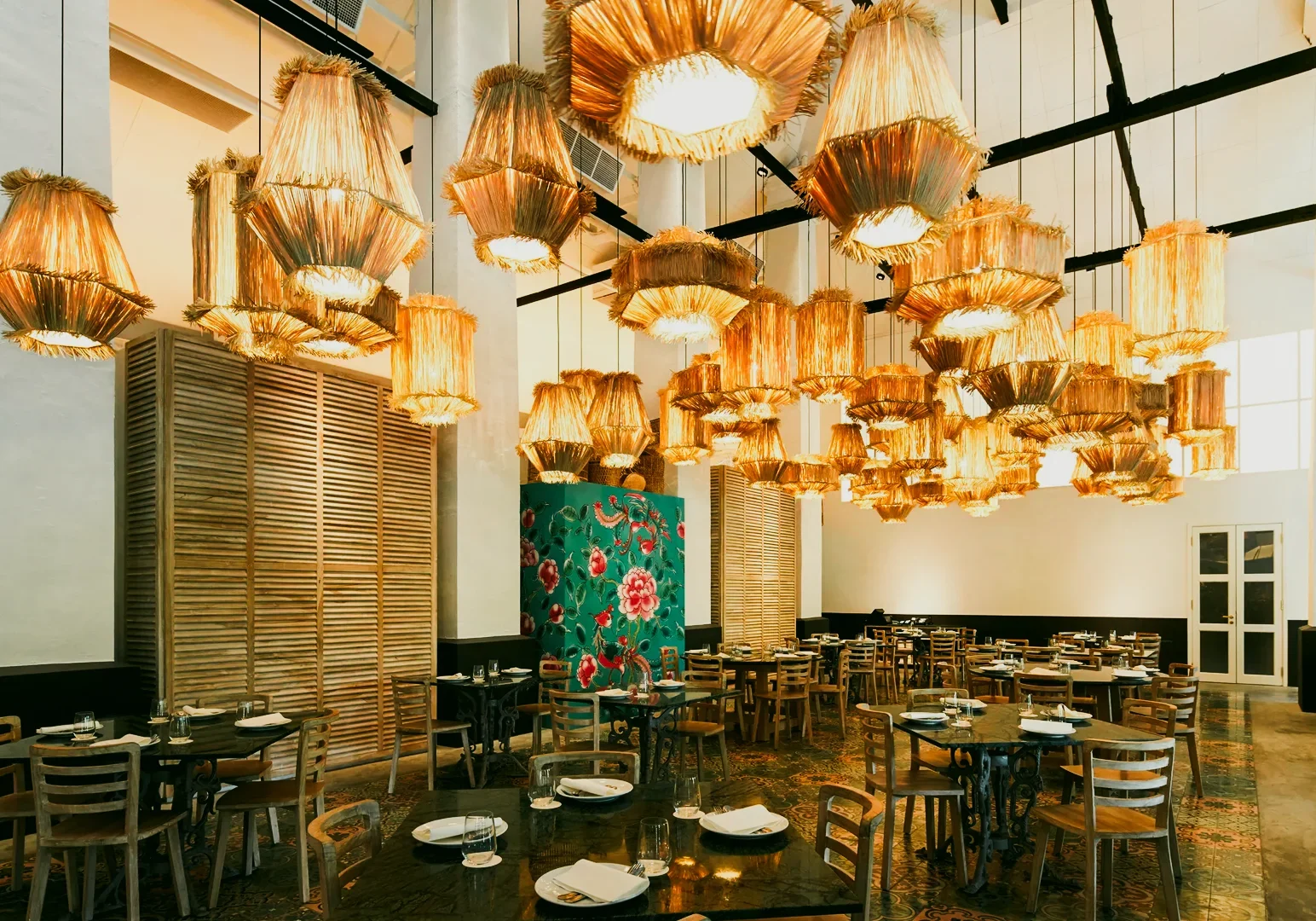
The challenge of preserving Peranakan heritage amid modern dining expectations is met by chefs like Malcolm Lee, chef owner of Candlenut, Singapore’s first Michelin-starred Peranakan restaurant. Chef Lee’s approach honors tradition while embracing innovation, ensuring dishes like ayam buah keluak and perut ikan remain relevant and accessible to younger generations. His work highlights the evolution of Peranakan cuisine, blending traditional Chinese, Malay, Indonesian, and Indian flavors to create rich and complex tastes.
National Kitchen by Violet Oon is another beacon of authentic Peranakan cuisine, where careful preparation and respect for heritage shine through in every dish. These restaurants balance the slow, labor-intensive methods of traditional Peranakan cooking with contemporary service demands, preserving the cuisine’s soul while appealing to modern palates.
Their menus often feature signature Peranakan ingredients such as belacan, rempah, buah keluak, and coconut milk, showcasing the depth and artistry of nyonya cuisine in Singapore’s vibrant food scene.
The Role of Peranakan Restaurants in Sustaining Food Culture
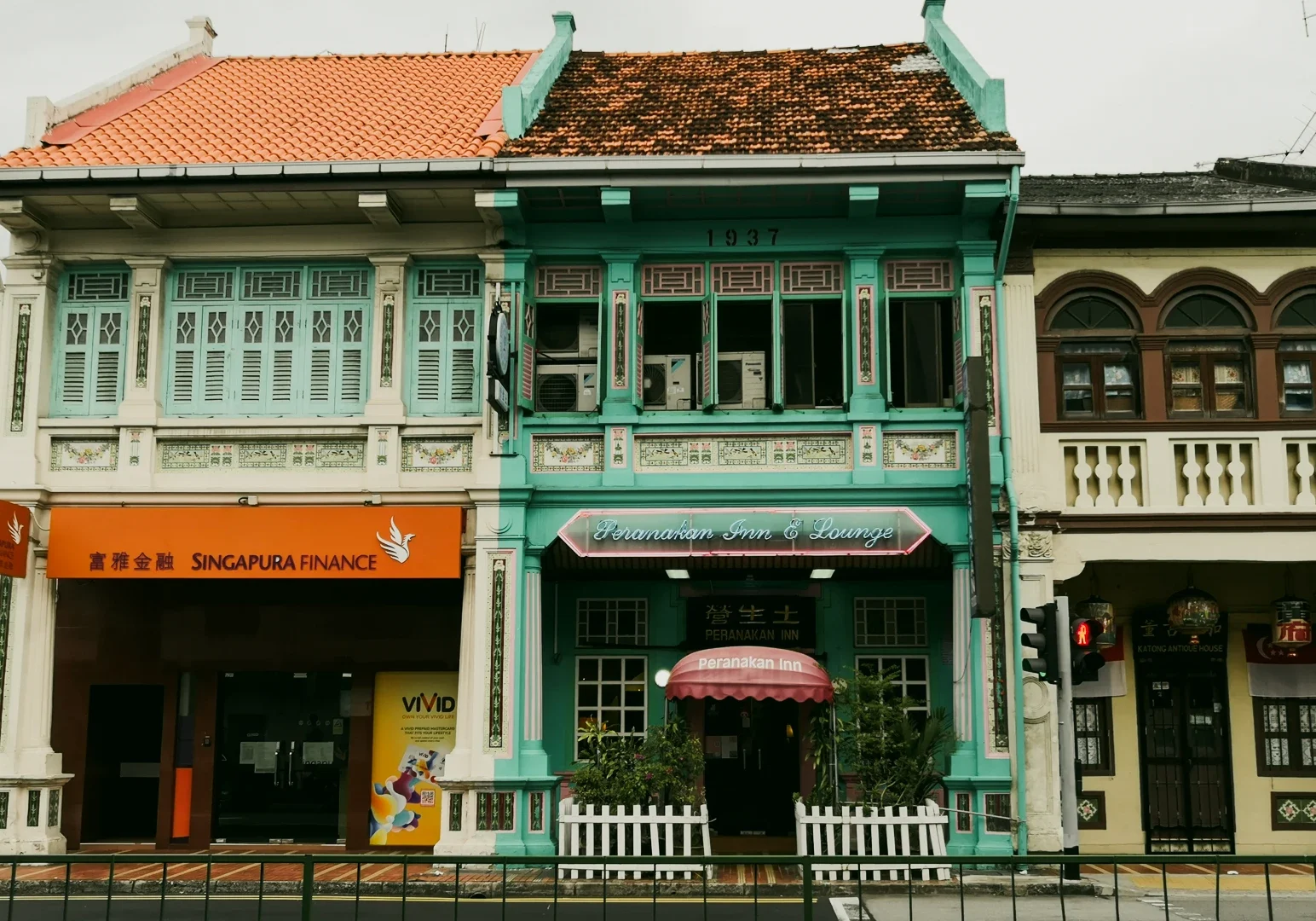
Peranakan restaurants in Singapore, especially in cultural hubs like Joo Chiat and Katong, serve as custodians of a unique culinary heritage. They maintain recipes passed down through families, safeguard regional variations, and celebrate the intricate balance of spices, coconut milk, and fresh ingredients that define this cuisine.
Behind the scenes, a dedicated team works tirelessly to uphold authenticity. From hand-cleaning banana leaves to preparing shrimp paste and slow-cooking stews, their commitment ensures diners experience the true taste of Peranakan food. This shared responsibility between chef owners and kitchen staff is vital to sustaining the culture.
Conclusion: Embracing Peranakan Cuisine Singapore’s Living Heritage
The life of a Peranakan chef is a testament to dedication, tradition, and cultural storytelling through food. Each dish reflects the rich tapestry of Peranakan heritage, a unique blend of Chinese, Malay, and Indonesian influences preserved and celebrated at the table.
By dining at authentic Peranakan restaurants and appreciating the careful preparation behind every meal, we participate in a living tradition that honors past generations and inspires future ones. Whether savoring the spicy, sour, and sweet layers of laksa or the earthy depth of ayam buah keluak, eating Peranakan cuisine is more than a meal—it is an experience of culture, history, and community in Singapore.