
What Our Food Says About Us: Dining as a Cultural Archive
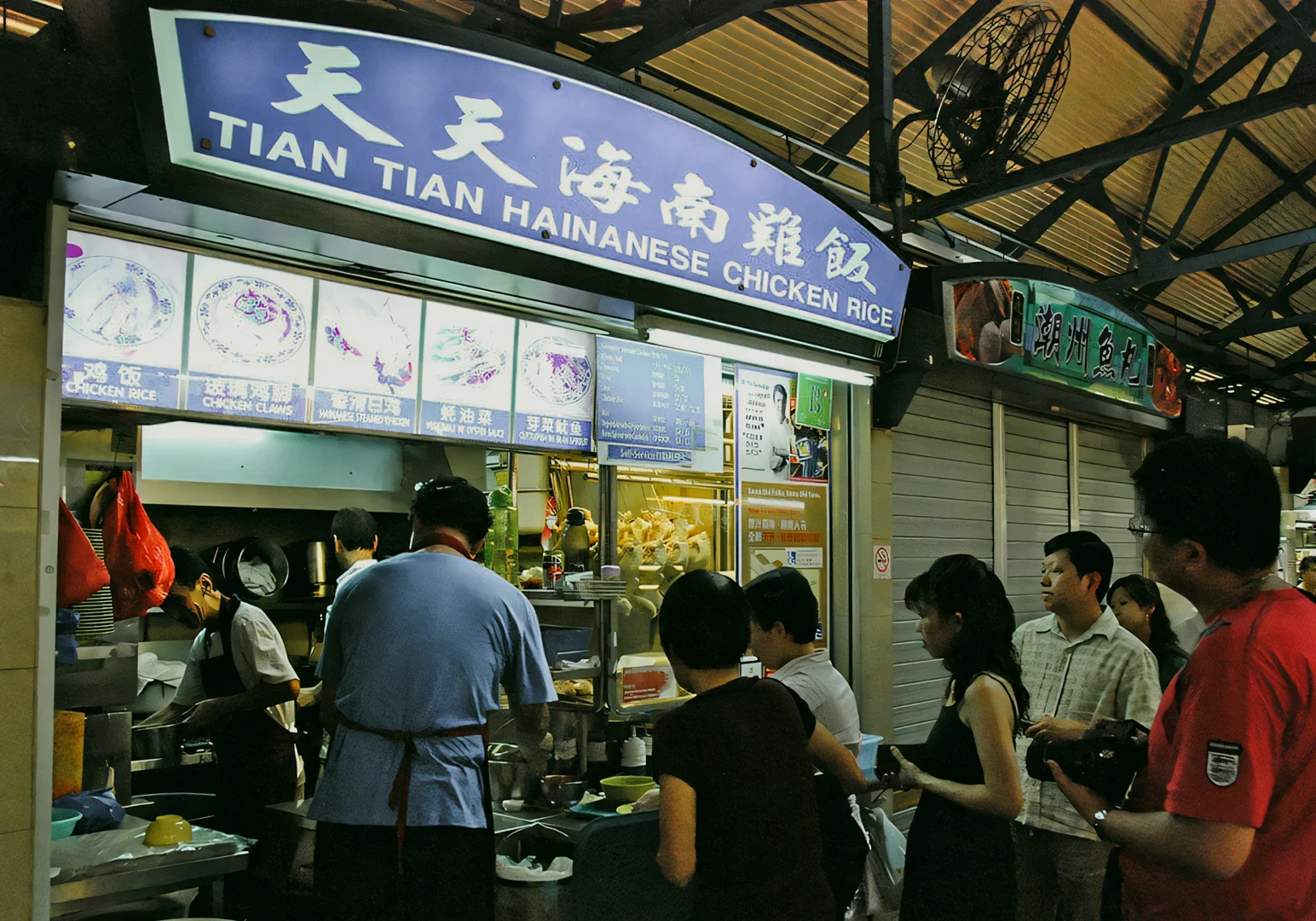
When we sit down to eat in Singapore, we are doing much more than satisfying a biological need. We are consuming history. Every hawker center, neighborhood coffee shop, and heritage restaurant functions as a living museum. Our diverse food scene acts as a vibrant cultural archive, recording the complex story of who we are, where we came from, and how we learned to live together.
Look closely at a humble bowl of Hainanese chicken rice or a steaming plate of char kway teow. These dishes are historical documents. They tell the story of early migrants who traveled across turbulent seas, bringing the culinary traditions of their homelands to unfamiliar shores. Forced to adapt to a new tropical climate and different local ingredients, these early cooks blended their ancestral techniques with regional Southeast Asian spices. The result is a uniquely Singaporean flavor profile that preserves the resilience and ingenuity of our ancestors.
Our colonial past also leaves an undeniable footprint on our plates. The classic kopitiam breakfast of kaya toast and soft-boiled eggs, paired with dark, robust coffee, is a direct evolution of British colonial habits, completely reimagined by Hainanese chefs. Eurasian cuisine, balancing fiery local chilies with European roasting techniques, further illustrates this deep historical layering. Our daily meals prove that history is not just locked away in textbooks; it is baked, braised, and wok-fried into our everyday lives.
However, this edible archive requires our active participation to survive. As modernization accelerates and international food trends demand our attention, we risk losing the quiet histories simmering in our heritage kitchens. We must recognize the profound value of our culinary identity.
The next time you order your favorite local dish, take a moment to taste the centuries of migration, adaptation, and survival folded into every bite. By eating with intention and supporting the cooks who guard these generational recipes, we ensure our cultural memory remains vibrant and alive for the generations to come.