
The Seasons We Don’t See When Eating in the Tropics
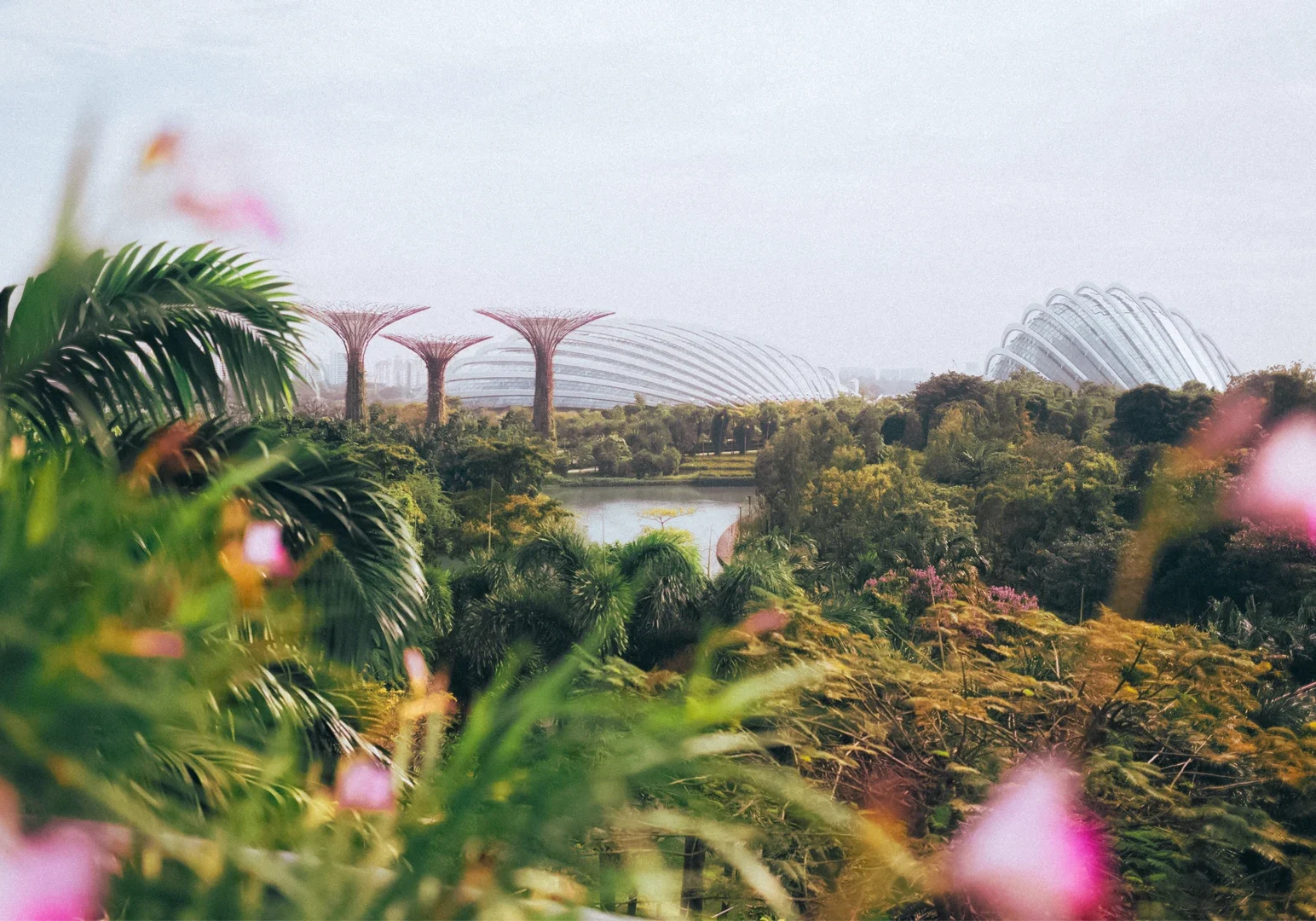
Singapore feels like an endless summer. To most, it’s a city of green, heat, and humidity that never lets up, January to December. We don’t have autumn’s golden leaves or spring’s explosions of flowers. Without the drama of four seasons, it’s easy to think we don’t have seasons at all—especially when we’ve spent years importing them. White asparagus from Germany, winter truffles from France—they’ve been our markers of time, flown in on someone else’s schedule.
But seasons exist here too. They’re just quieter. You won’t see them unless you’re paying attention.
Farmers and fishermen always have. They’ve lived by the rhythm of the land and sea, passed down through years of experience. The monsoon arrives at the end of the year, bringing heavy rains that cool the soil and change the salinity of the water. Local fish adapt, growing fatter against the cooler currents. Their meat becomes sweeter, softer. When the dry heat kicks in at the start of the year, tropical fruits concentrate their sugars, ripening into sticky, syrupy perfection. These are Singapore’s seasons—not loud or obvious, but felt in the shifts of rain, wind, and sun.
You’ll find these rhythms mapped out in wet markets, where vendors know exactly what’s in its prime. They’ll tell you when local spinach is at its most tender or how a sudden downpour makes herbs grow wildly, changing their flavor overnight. This is seasonality—not about waiting for spring thaw, but understanding the way nature shifts around you, quietly, yet constantly.
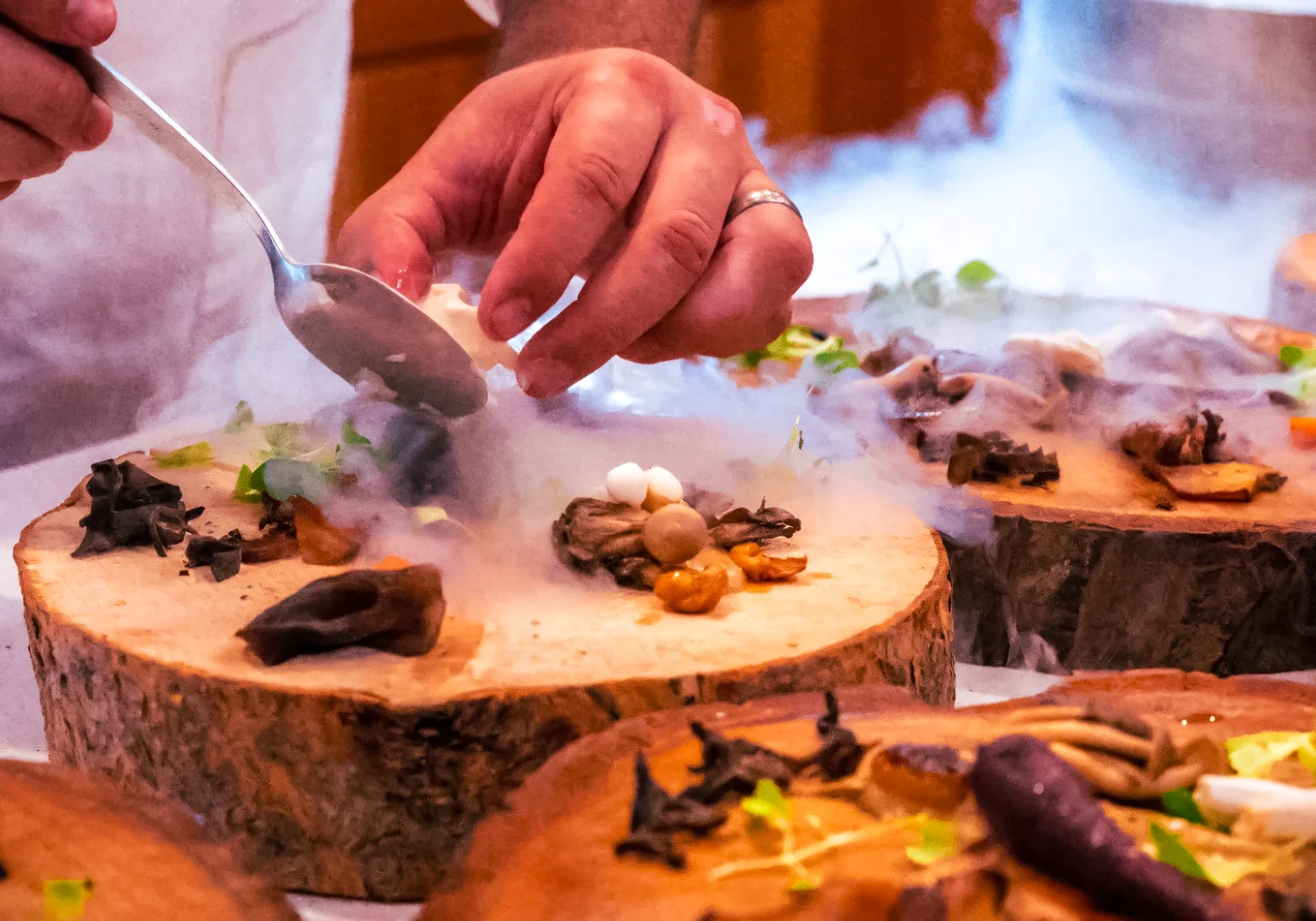
Now, a new wave of chefs is starting to tune in. Fine dining in Singapore used to mean mirroring seasons from halfway across the world. But things are changing. Chefs are working with urban farmers to spotlight native ingredients, creating menus shaped by our monsoon rains and baking-hot weeks. They’re choosing local herbs that peak during the wet season or fruits that thrive in the heat. And with every dish, they’re telling a story tied to this soil, this weather, this place.
Reclaiming our seasons isn’t just about food—it’s about reconnecting with where we come from. Our ancestors survived by reading the land, knowing when to plant, harvest, and fish. They understood that nature gives us exactly what we need, when we need it.
So, the next time you eat, take a closer look at your plate. Taste the rain in your greens, the wind in your fish. We don’t need falling leaves or melting snow to feel the passing of time. Our seasons are here, always. We just have to notice.