
Understanding Care and Craft at a Halal Meat Restaurant Singapore
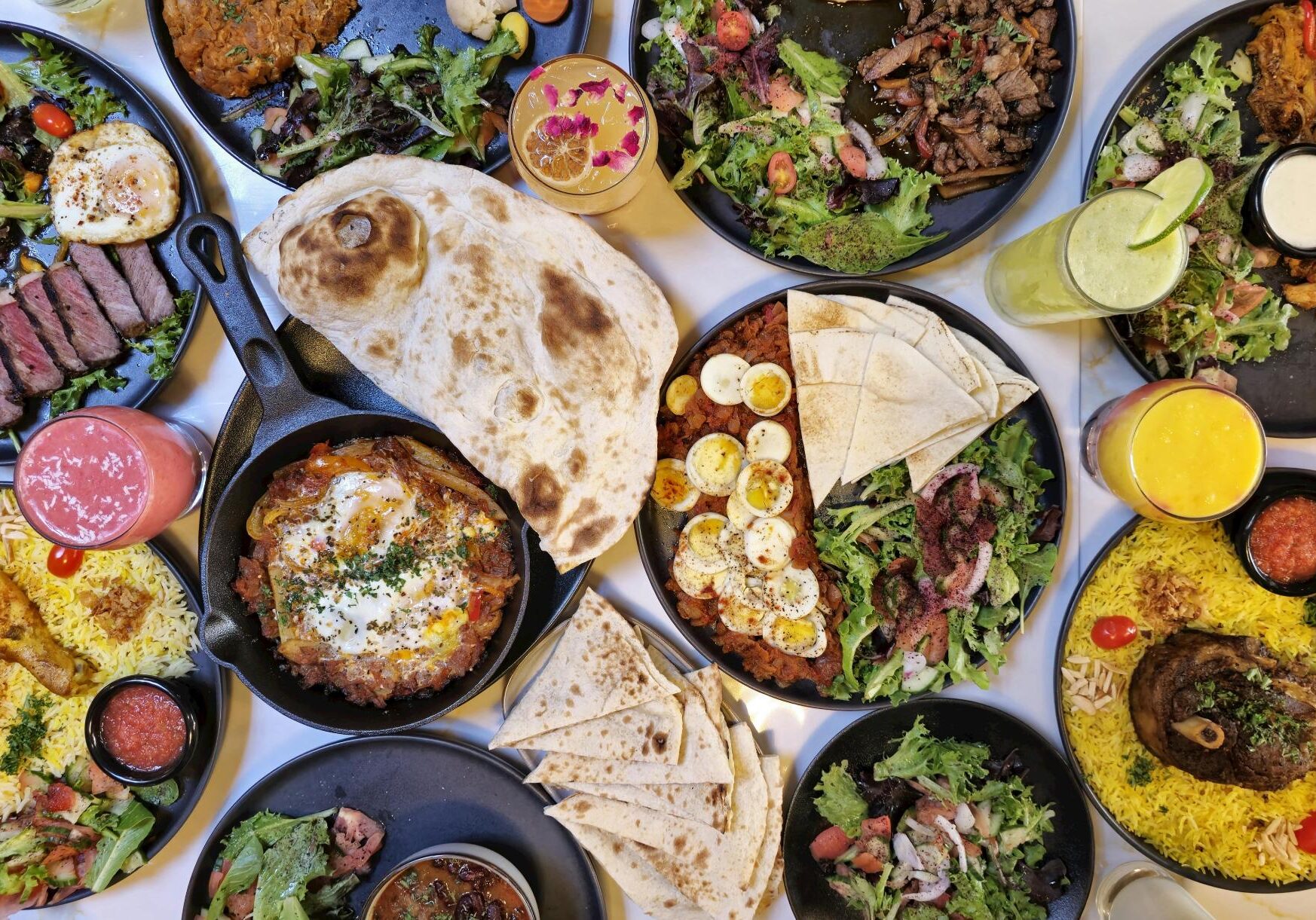
In the diverse and vibrant food scene of Singapore, halal meat goes beyond being just a regulatory or marketing label. It represents a discipline of care, responsibility, and trust that resonates deeply with diners. For halal meat restaurant Singapore establishments, this is not merely about compliance, it’s about honoring a commitment to quality, ethics, and cultural values.
The Arabic word 'halal' means 'lawful' or 'permitted' and refers to what is allowed under Islamic dietary law. In the context of food, 'halal' signifies that the food and drink are prepared according to strict guidelines, distinguishing them from 'non-halal' or 'haram' (forbidden) items.
To truly understand halal food in Singapore’s restaurants is to look past the halal certification mark. It’s about recognizing the dedication behind sourcing halal ingredients, maintaining rigorous kitchen practices, and creating a shared space where all diners feel welcomed.
Halal restaurants in Singapore offer a variety of cuisines, including vegetarian and fusion options. Whether you’re indulging in halal fine dining, enjoying a casual meal, or exploring muis halal certified restaurants, these practices form the backbone of Singapore’s inclusive dining culture. Halal certification ensures that restaurants use halal ingredients and do not serve alcohol. Muslim-owned restaurants in Singapore are expected to serve halal food that the owners would consume themselves.
The Philosophy Behind Halal Dining
Singapore’s obsession with categorization often reduces restaurants to labels like “halal” or “non-halal.” While technically accurate, this binary overshadows the philosophy driving halal dining. Labels can tell us what’s allowed but fail to convey the intentionality behind sourcing and preparation. Restaurants in Singapore are often categorized as MUIS Halal-certified or Muslim-friendly establishments.
For chefs and restaurateurs at halal restaurant establishments, adhering to halal standards is not just about following rules—it’s a code of conduct rooted in cleanliness, ethical sourcing, and trust. For example, halal fine dining places like The Malayan Council go beyond labels to craft experiences that balance discipline and creativity. Halal restaurants in Singapore serve a variety of cuisines, including local, Asian, Western, and Middle Eastern. It’s this ethos that makes halal meat restaurant Singapore kitchens stand out, offering precision and quality that diners can genuinely taste. Halal dining in Singapore ensures that meat and ingredients meet Islamic guidelines for preparation and handling.
Halal dining in Singapore includes options for casual meals, family gatherings, and special occasions.
The Invisible Work of Halal Certification in Kitchens
Behind the scenes, halal meat restaurant Singapore kitchens operate with an incredible level of discipline. Sourcing premium cuts like tomahawk steak, beef rendang, or even fresh Canadian oysters requires a traceable supply chain that adheres to strict slaughtering and handling standards. Kitchens must maintain clear separation between halal ingredients and non-halal items, with dedicated utensils, storage areas, and preparation spaces. Many halal kitchens also prepare food in small batches to ensure quality and freshness.
This rigorous discipline can be seen in places like Penny University near East Coast or the bustling dim sum place in Jalan Kayu, where every detail—from sourcing to serving—is meticulously managed. Halal restaurants in Singapore are known for their diverse menus that include local and international dishes. The result? A dining experience that is not only compliant but also one of exceptional quality. Whether it’s Sop Buntut at Copper Chimney or Mee Goreng at a Ramen Stall in Little India, diners can trust that their meals are handled with care.
Singapore has a rich array of halal-certified and Muslim-owned restaurants across the city.
Halal restaurants in Singapore are conveniently located in various neighborhoods, making it easy to find options nearby.
Halal Seafood and Steak Options
Singapore's halal dining options include various seafood and steak establishments that cater to different preferences and occasions. For halal-certified seafood, Mutiara Seafood provides MUIS halal certification and serves dishes including chilli crab and laksa. The restaurant accommodates family gatherings and special occasions with its established service standards.
Cherry & Oak offers halal meat options for diners seeking steak preparations. The Muslim-friendly establishment serves tomahawk steak alongside dessert options, featuring grilled steaks and various sweet preparations designed for a complete dining experience.
The White Label combines French and Malayan culinary approaches in its halal fine dining menu. The restaurant serves lobster bisque and curry battered fish and chips, demonstrating its fusion cooking methods that incorporate local ingredients with traditional French techniques. The restaurant setting suits formal dining occasions.
For casual dining, Fika Swedish Café & Bistro adapts Scandinavian cuisine for halal requirements, offering beef rendang and mee goreng among its menu selections. The establishment serves both local residents and tourists with its accessible atmosphere. The Ramen Stall in Little India provides halal ramen options for quick meals or relaxed dining.
PICANHAS' specializes in halal steak preparations, offering ribeye and striploin cuts. This Muslim-owned establishment focuses on meat quality and preparation standards. HaHahotpot provides an alternative dining format with halal hotpot ingredients, offering an interactive meal experience for groups.
The Malayan Council serves traditional Malay preparations including sop buntut and beef rendang in a designated dining space suitable for special occasions. Copper Chimney maintains a diverse menu covering halal steak, pasta, and seafood options, operating under established halal certification standards with attention to ingredient quality.
Singapore's halal dining establishments cover local specialties such as dim sum and laksa alongside international cuisine and steak preparations. The city's halal restaurants provide varied options across different price points and dining formats, from casual meals to celebration dinners. Singapore's halal dining sector offers consistent access to certified options across multiple cuisine types and preparation styles.
Halal Food and Nutrition
Halal food in Singapore functions as both a dietary guideline and a structured approach to eating that addresses nutritional requirements and sourcing standards. The growing demand for halal food has led to an expansion of options across Singapore's food scene, providing accessible choices that meet halal certification requirements.
Ingredient selection forms a fundamental component of halal food preparation. Halal restaurants in Singapore focus on fresh produce and quality meats, ensuring dishes meet both nutritional and flavor standards. The emphasis on cleanliness and certified sourcing allows diners to understand the preparation standards applied throughout the supply chain. Options include halal brunch selections, traditional Malay dishes, and Mediterranean-style meals, with consistent attention to ingredient quality across different cuisine types.
Cooking methods in halal kitchens contribute to food nutritional content. Many halal restaurants in Singapore prepare dishes in smaller quantities, maintaining ingredient integrity and natural flavors. Menu options range from grilled halal steak to fresh Canadian oysters and salad preparations, accommodating various dietary requirements and preferences.
Singapore's halal food landscape includes both local dishes such as beef rendang and mee goreng, and international options including pasta and dim sum. This range supports different meal occasions, from casual dining to family gatherings and special events. Halal restaurants maintain certification standards and kitchen protocols to ensure consistent food preparation and service quality.
Halal food in Singapore addresses dietary requirements while providing nutritional value through ingredient selection and preparation methods. The combination of fresh ingredients, established preparation standards, and quality control contributes to Singapore's halal dining options for residents and visitors seeking certified food choices.
Halal Dining: A Natural Part of Singapore’s Culinary Fabric
Singapore’s food culture is a rich tapestry where diverse cuisines seamlessly coexist. Halal meat restaurant Singapore establishments are not outliers but essential threads in this fabric, offering inclusivity and connection. Kampong Glam and the Bugis area host a high concentration of diverse halal eateries, including the vibrant Arab Street known for its Middle Eastern and Indonesian halal restaurants. Whether you’re enjoying traditional Malay food at a casual fika Swedish café or sharing a halal brunch with friends at Parkway Parade, halal dining in Singapore embodies diversity and togetherness. These restaurants are also ideal venues for group gatherings and special occasions, making them perfect for any gathering.
Modern halal fine dining spots like Beach Road’s Michelin-starred restaurants or Arab Street’s Mediterranean food joints are redefining what it means to cater to meat lovers. Singapore is home to some of the best halal dining experiences, with restaurants frequently ranked for their quality and variety. Here, menus feature everything from indulgent desserts like coconut ice cream to delicious dishes crafted for special occasions and family gatherings. Local favourites such as Laksa, Nasi Lemak, and Chendol are must-try items. These restaurants prioritize fresh produce, impeccable service, and innovative flavors. They focus on delivering rich and memorable flavour profiles in their dishes, making them the perfect place for any dining experience.
Singapore features diverse halal meat cuisines, including Fusion/Asian, Steakhouse/Western, Indian-Muslim, and Italian options.
Trust and Connection: The Heart of Halal Dining
At its core, the essence of halal dining is trust. When diners visit muis halal certified restaurants or Muslim-friendly restaurants like those in City Hall or Kampong Glam, they place their faith in the unseen processes of the kitchen. They trust that the food—from white label pork-free pasta to creme brulee—is prepared with care and integrity. Muslim-friendly restaurants in Singapore serve halal food but may offer alcoholic drinks. Halal restaurants in Singapore also create opportunities for diners to connect and personalize their dining experiences, such as allowing guests to create their own food combinations or experiences.
This trust is felt in every bite, whether it’s a halal steak at Grill Ninety or local favorites like mee goreng or beef rendang. Popular halal restaurants in Singapore include Hajjah Maimunah, known for its nasi padang, and The Dim Sum Place, which offers halal dim sum. It’s about more than just food; it’s about creating connections. Restaurants like those at Jalan Besar and Beach Road understand this well, offering a wide array of delicious Singapore meat dishes that bring people together. Many halal restaurants in Singapore offer buffet options featuring both local and international dishes.
For chefs and restaurateurs, this isn’t just about meeting regulations; it’s about fostering a relationship with diners that’s built on respect and care. Carousel at Royal Plaza on Scotts is a renowned halal buffet restaurant in Singapore. From halal brunch spots to halal restaurants serving special celebrations, Singapore’s dining scene exemplifies hospitality in its purest form—one that celebrates diversity, quality, and trust. Halal cafes in Singapore often feature brunch options and pastries, catering to the city's vibrant cafe culture.