
Choosing a Michelin Restaurant vs Local Favorites: What Matters More?
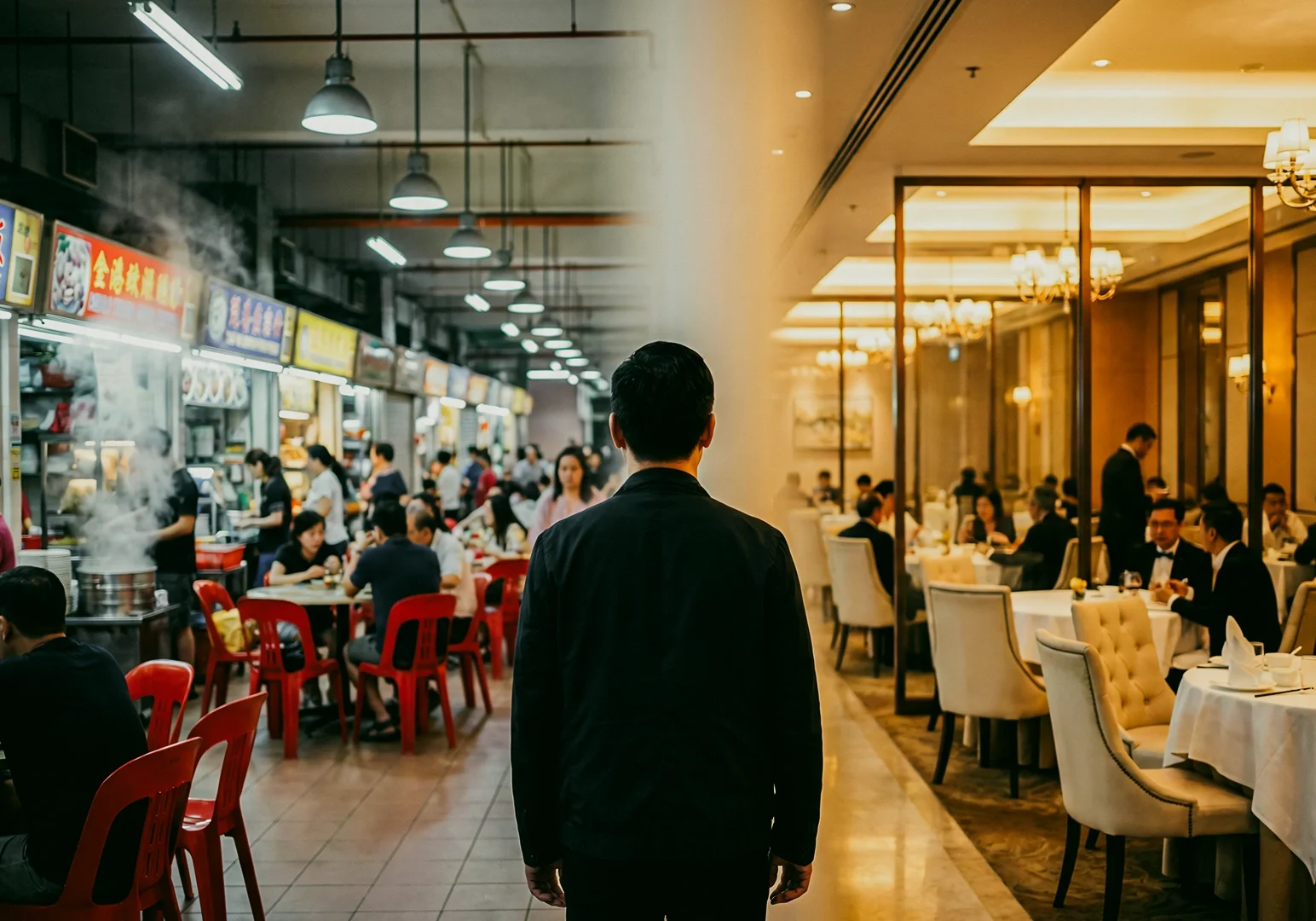
It’s Friday evening. You’ve closed your laptop and the weekend awaits. The dining dilemma arises: book a table at a celebrated Michelin restaurant Singapore or head to your neighborhood hawker center in comfortable clothes?
Choosing where to eat is rarely just about hunger. It reflects mood, budget, companions, and desired experience. On one end is the pinnacle of culinary recognition—Michelin starred fine dining. On the other, the comforting, everyday local favorites.
In Singapore's vibrant food scene, this choice is common. This article guides you through the balance between Michelin star restaurants and beloved local eateries. It’s not about which is better but understanding what matters most to you.
What a Michelin Star Restaurant Offers: The Michelin Guide Singapore Perspective
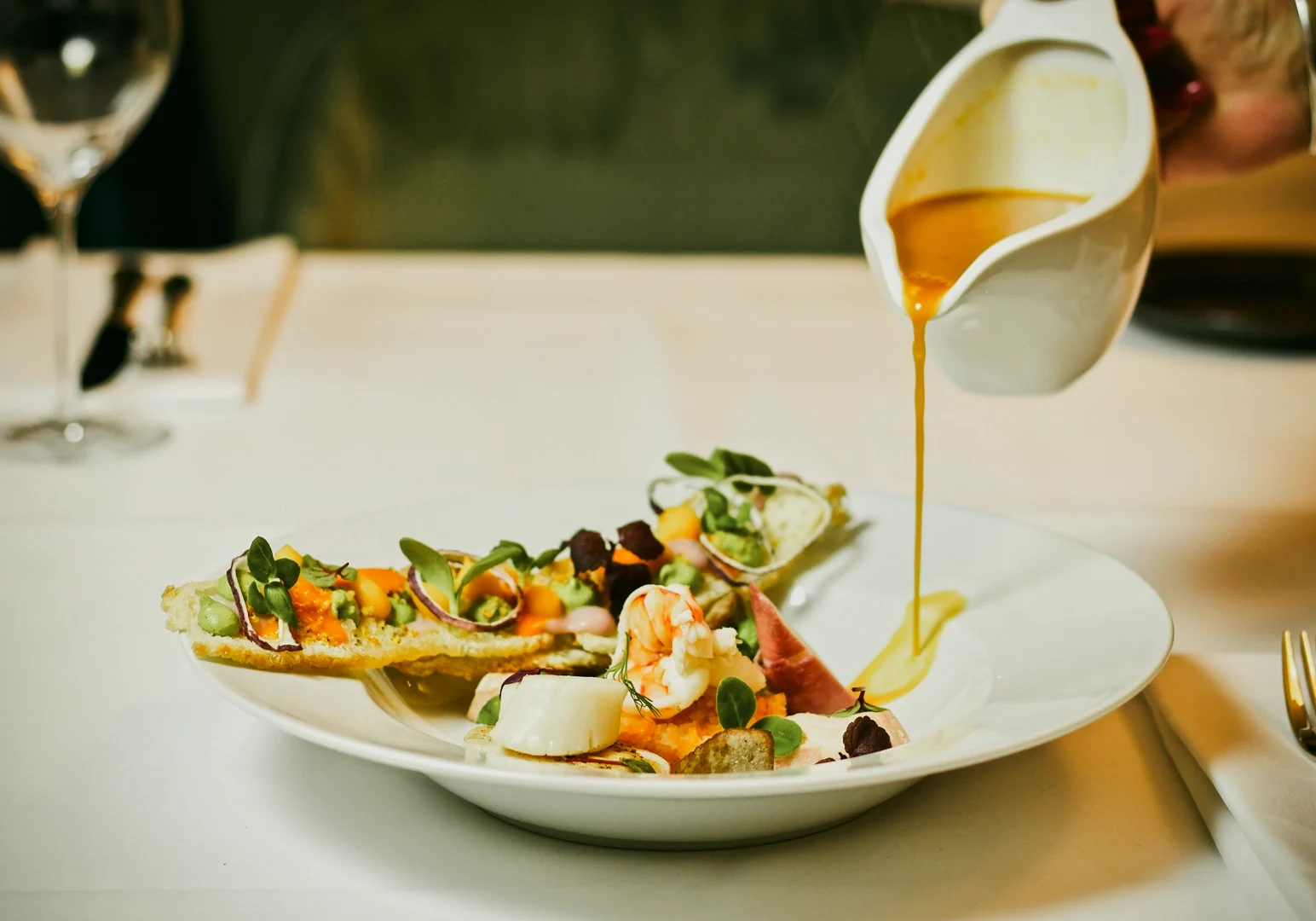
Booking a Michelin restaurant means investing in a curated dining experience recognized by the prestigious Michelin Guide for exceptional cooking, symbolized by one to three stars. The Michelin Guide is the global benchmark for culinary excellence, assessing mastery of flavour and cooking techniques.
History and Rating System
First published in the early 1900s to boost tyre sales, the Michelin Star Rating System was introduced in 1926. A one-star restaurant delivers remarkable consistency—every scallop seared perfectly, every sauce balanced. The assessment focuses solely on food quality and taste, not décor or service. Michelin inspectors use a 5-point criterion including ingredient quality and cooking mastery. Restaurants can lose stars if quality dips.
The Art of Service
Secondly, you pay for the art of service. Exceptional dining rooms anticipate your needs seamlessly. Water glasses—often filled with premium brands like Acqua Panna—are never empty. Meal pacing matches your conversation rhythm. Inspectors maintain anonymity and pay for their meals to ensure unbiased reviews.
Chef's Vision and Ambiance
Finally, Michelin star restaurants present a distinct point of view. Often led by world renowned chefs, these restaurants offer curated dishes showcasing the chef’s personality and creativity. Tasting menus narrate stories, challenge palates, and elevate familiar flavours. Ambiance—elegant décor and panoramic views—enhances the experience. Many Michelin starred restaurants require reservations due to limited seating and have last reservation cutoffs. Dining is an immersive, intentional event.
Local Recognition and Rarity
The Michelin Guide recognizes restaurants with symbols reflecting local uniqueness, such as ‘fork and spoon’ for ambience. Launched in Singapore in 2016, the Guide assesses restaurants on five criteria. Three star establishments are rare—only about 135 worldwide—and represent the pinnacle of fine dining.
Understanding the Michelin Star Rating System
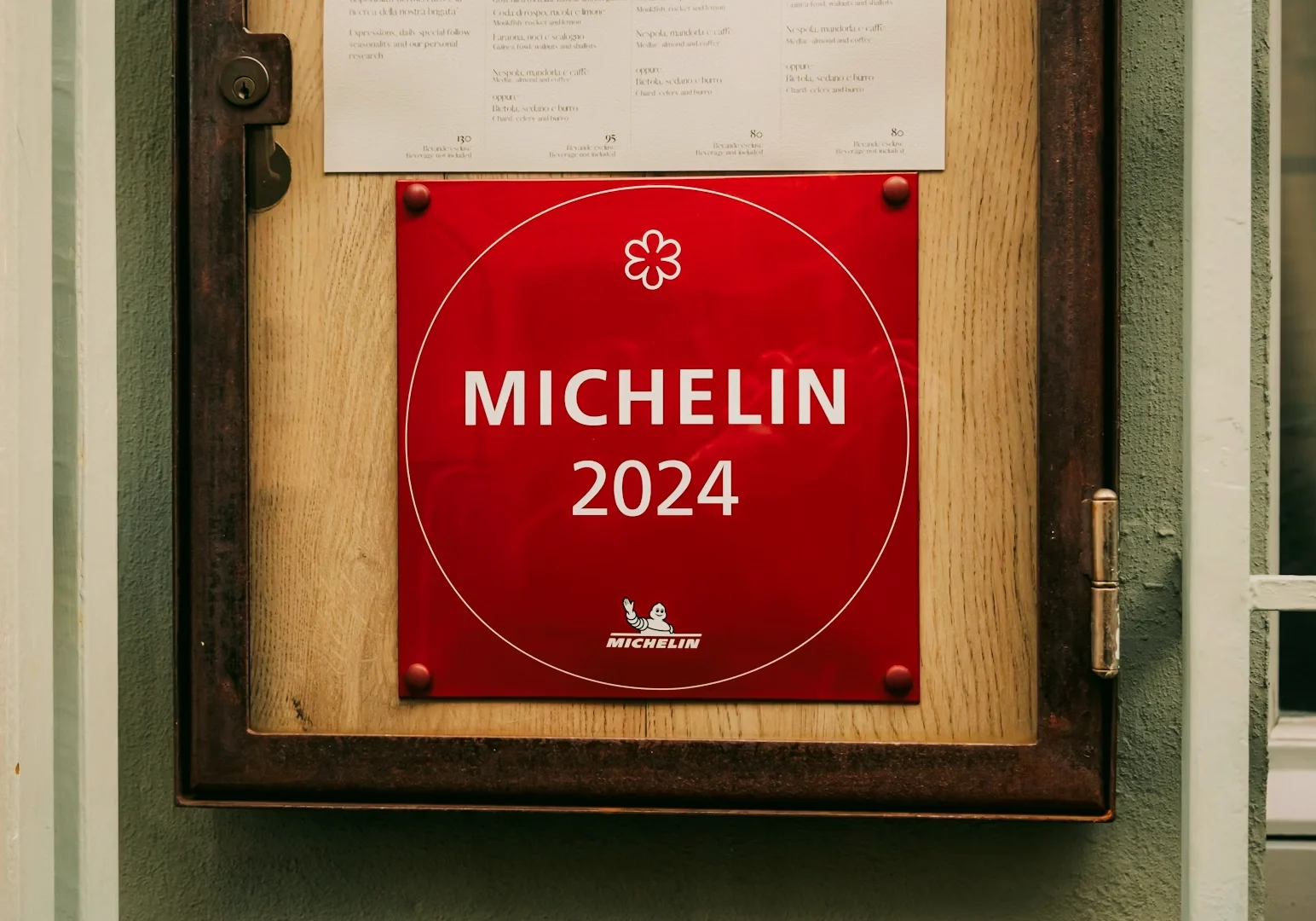
The Michelin star system is more than ranking; it’s a pursuit of excellence connecting diners to culinary artistry worldwide—whether in Singapore, Japan, or beyond.
One star denotes a very good restaurant worth a stop. Two stars signify excellent cooking worth a detour. Three stars represent exceptional cuisine worth a special journey, such as Singapore’s Les Amis or Odette.
Michelin Inspectors and Criteria
Michelin inspectors visit anonymously, paying their way, evaluating ingredients, flavour mastery, chef personality, value for money, and consistency. This disciplined approach ensures every starred restaurant—from Kirk Westaway’s modern British cuisine at Jaan by Kirk Westaway to elevated street food—meets high standards.
Singapore’s Bib Gourmand category celebrates exceptional value, highlighting accessible three-course meals at SGD 45, bridging fine dining and street food traditions.
Dining Experience and Practical Details
For diners, the Michelin Guide is an invitation to discover place through palate—whether through three-starred sanctuaries, innovative chefs, or local hawker gems. Practical details like reservations and last reservation times are clearly communicated, reflecting the balance between spontaneity and preparation.
Michelin dining’s true significance lies in moments when flavours tell stories, technique honors heritage, and chef vision connects cultures. The Guide remains essential for those who see food as both sustenance and cultural expression.
Why Local Favorites and Street Food Still Matter
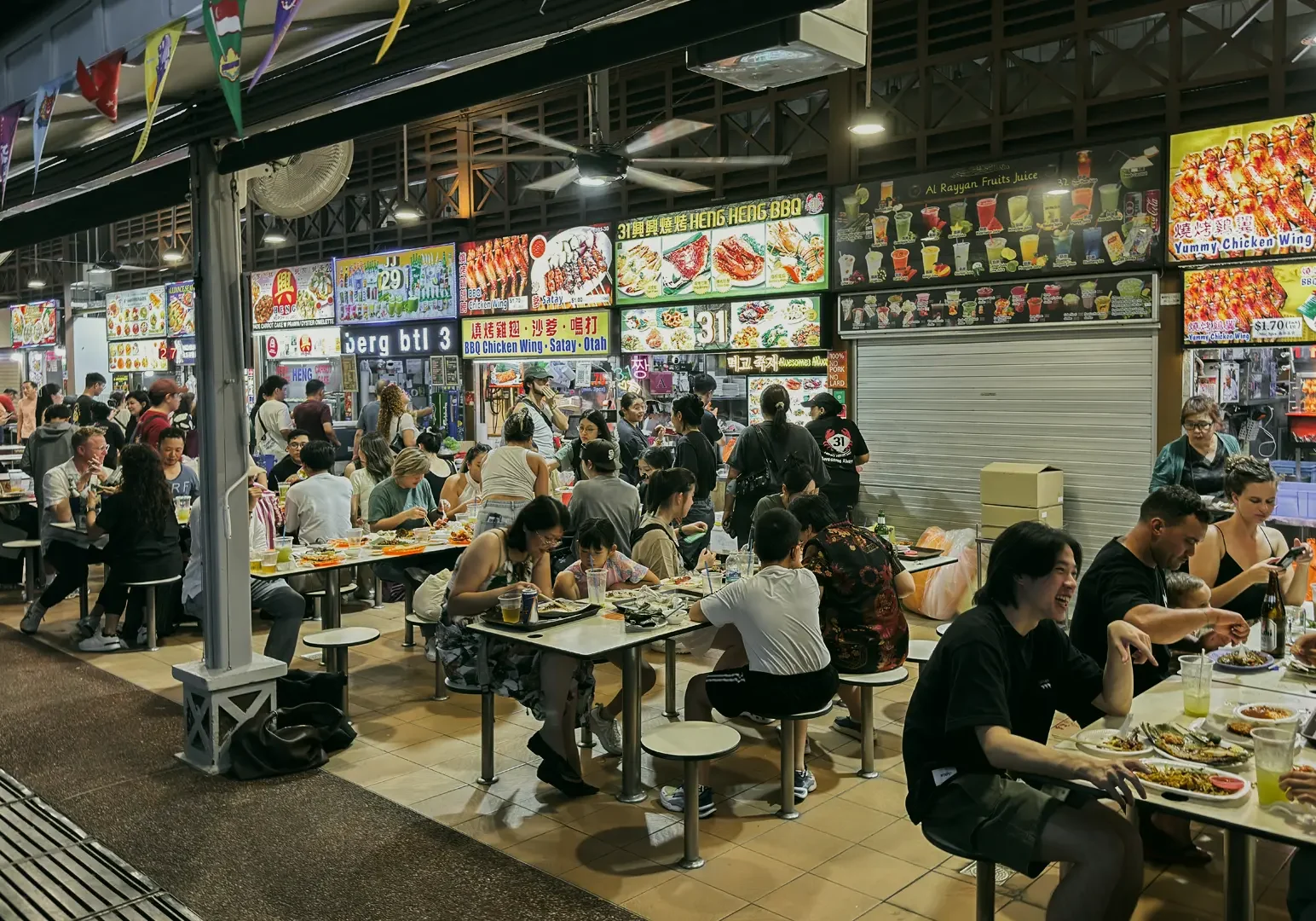
While fine dining is curated, local favorites and street food are daily life’s heartbeat. These neighborhood hawker stalls and family eateries lack white tablecloths or tasting menus but offer unfiltered comfort.
There’s joy in sitting on a plastic stool amid market noise, eating noodles tasting just as they did years ago. Local spots provide emotional connection—the auntie who knows your order, the wok hei aroma lingering in humid air. This food grounds us, offering pure, unpretentious satisfaction.
Local favorites preserve cultural identity, serving heritage recipes passed through generations. They’re accessible to all, creating communal experiences without reservations or dress codes. Just show up and eat.
It Depends on the Occasion: Dining Experience at Michelin Starred Restaurants and Beyond
Your occasion shapes your choice:
- Celebrations and Milestones: For anniversaries or promotions, Michelin star restaurants shine. Elegant atmosphere, attentive service, and beautiful plating mark special nights. Two-star venues like Jaan by Kirk Westaway or three-star establishments with breath taking views offer memorable experiences.
- Casual Catch-Ups: Meeting a friend? Local favorites provide relaxed, lively backdrops for easy conversation without formality.
- Hosting International Guests: To show authentic Singaporean flavour, hawker stalls offer vibrant cultural introductions beyond high-end Michelin venues.
- Solo Dining: Sometimes a quiet fine dining lunch at a sushi counter like Stevens or a quick comforting plate from a hawker stall fits the mood.
Budget, Expectations, and Value in Michelin Starred Restaurants and Local Eateries
Price difference between Michelin restaurants and local spots is vast, but value depends on expectations.
Paying hundreds for a tasting menu demands perfection; any flaw diminishes value. Michelin starred restaurants are worth it when food, ambiance, and hospitality harmonize to create memories.
Local favorites often over-deliver on value. A $5 bowl of laksa with complex, deep flavour can bring immense satisfaction. Expectations are simpler but delivery profound.
Ask yourself: am I paying for status or for joy tonight?
Experience vs Comfort — What Are You Really Looking For?
At the core is choice between experience and comfort.
Michelin restaurants ask for attention from listening to dish explanations, savoring wine pairings, appreciating plating. It’s structured, immersive dining as art.
Local favorites ask nothing—eat at your pace, chat freely, stare at your phone. The food supports your evening, not demands focus.
If curious and eager to be transported, seek experience. If tired or craving familiarity, lean into comfort. Both are valid.
The Singapore Perspective on Michelin Starred Restaurants and Local Culinary Gems
Singapore uniquely embraces both ends of the spectrum.
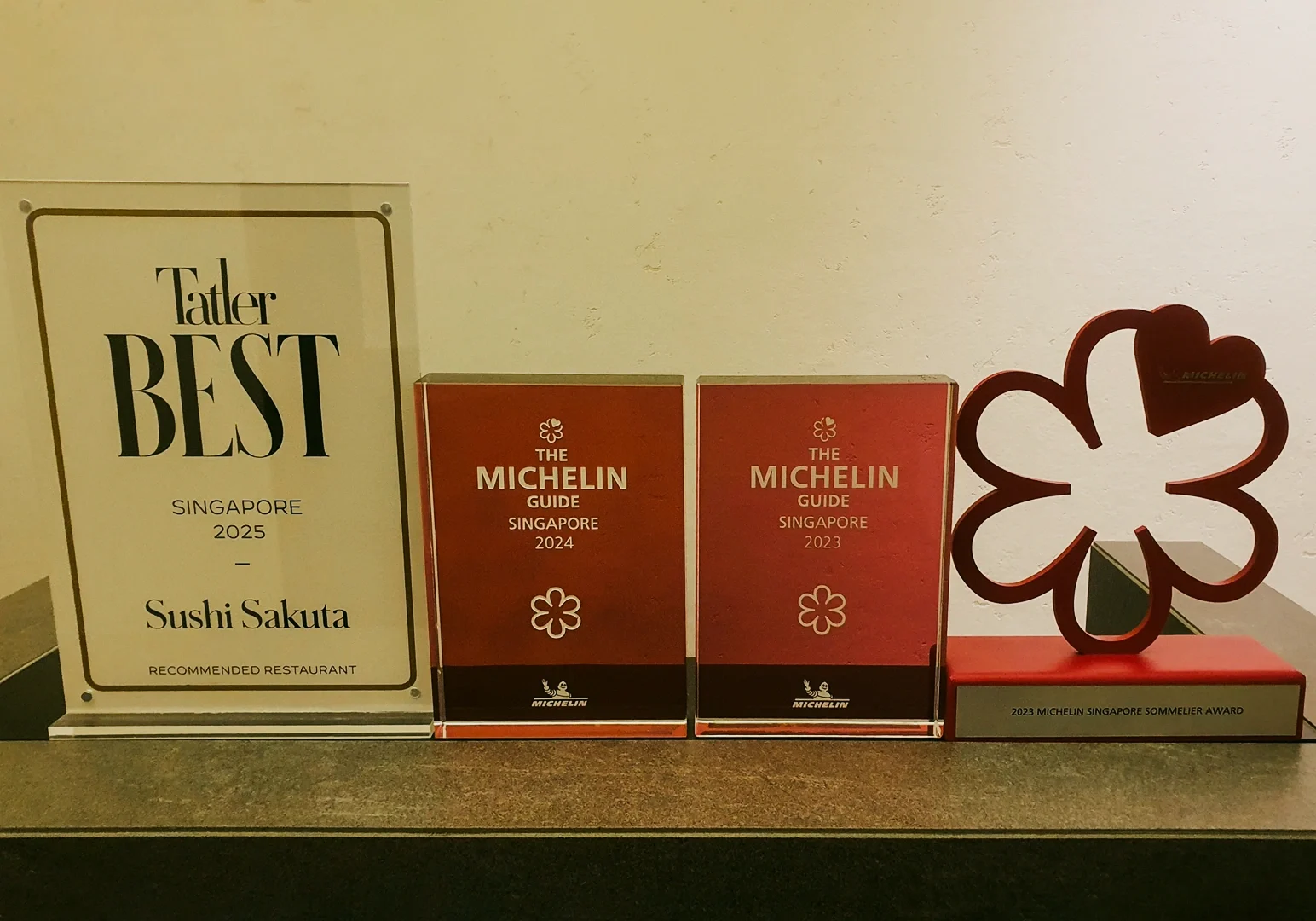
The ninth edition of the Michelin Guide Singapore announced 42 starred restaurants, including one-star venues like Alma, Ma Cuisine, and Omakase @ Stevens. Sushi Sakuta was promoted to two stars in 2025, while Les Amis, Odette, and Zen remain three-star icons. Wakuda Restaurant & Bar is recognized for premium sushi omakase. The Bib Gourmand list features 89 eateries, and the Green Star highlights sustainability leaders.
Singapore awards Michelin stars to humble street food stalls and lavish dining rooms alike. This duality defines how we eat—moving seamlessly between three-star dining at Zen or Les Amis and late-night prata at a local corner shop. Excellence exists everywhere.
How to Decide: A Simple Framework for Choosing Your Dining Experience
Choose a Michelin restaurant when:
- Celebrating milestones needing occasion.
- Wanting intellectual challenge from chef’s personality.
- Craving structured, orchestrated evenings.
- Desiring luxury service.
- Exploring chefs like Kirk Westaway’s modern British cuisine at Jaan.
Choose local favorites when:
- Needing emotional grounding from familiar dishes.
- Prioritizing deep conversation over menu analysis.
- Preferring spontaneity without reservation constraints.
- Connecting to neighborhood vibrancy.
- Seeking maximum flavour with minimal fuss.
Conclusion
Choosing between a Michelin star restaurant and a local favorite is a deeply personal decision that often shifts depending on your mood, the occasion, and what kind of dining experience you seek.
A flawless tasting menu at a two or three Michelin star restaurant can be a breathtaking journey of flavours, showcasing the mastery of world renowned chefs and their commitment to excellence. These dining destinations offer immersive experiences with curated dishes that highlight the chef’s personality, innovative cooking techniques, and the finest seasonal ingredients.
The Emotional Connection of Local Favorites
On the other hand, a humble bowl of soup or a plate of street food from a beloved local hawker stall can evoke powerful nostalgia and emotional connection. These local favorites, often managed by passionate families or seasoned hawkers, preserve the rich culinary heritage of the city and country. They offer authentic, unpretentious flavours that are accessible and comforting, providing value without the formality of fine dining. Singapore’s Bib Gourmand category celebrates these gems, recognizing exceptional value-for-money dining that complements the world of Michelin starred restaurants.
Dual Excellence in Singapore’s Culinary Scene
Excellence lives in both fine dining kitchens and hawker woks. The Michelin Guide acknowledges this duality, with Singapore uniquely awarding stars to both lavish dining rooms and humble street food stalls. This balance makes the city a true culinary destination, where you can immerse yourself in diverse experiences—from the artful modern British cuisine at Jaan by Kirk Westaway to the vibrant flavours of local street food.
Making an Intentional Dining Choice
Next time you dine, pause and consider what you truly want from your meal. Don’t just follow guides like the Michelin Guide or the Black Pearl Restaurant Guide blindly. Ask yourself how you want to feel. Are you seeking a sophisticated, immersive dinner led by the best chefs, or the comforting familiarity of a local favorite? Be intentional in your choice and trust your mood. After all, the best meal is the one that gives you exactly what you need.