
A Taste of Nostalgia: Oldest Teochew Restaurant Singapore Preserves Culinary Traditions
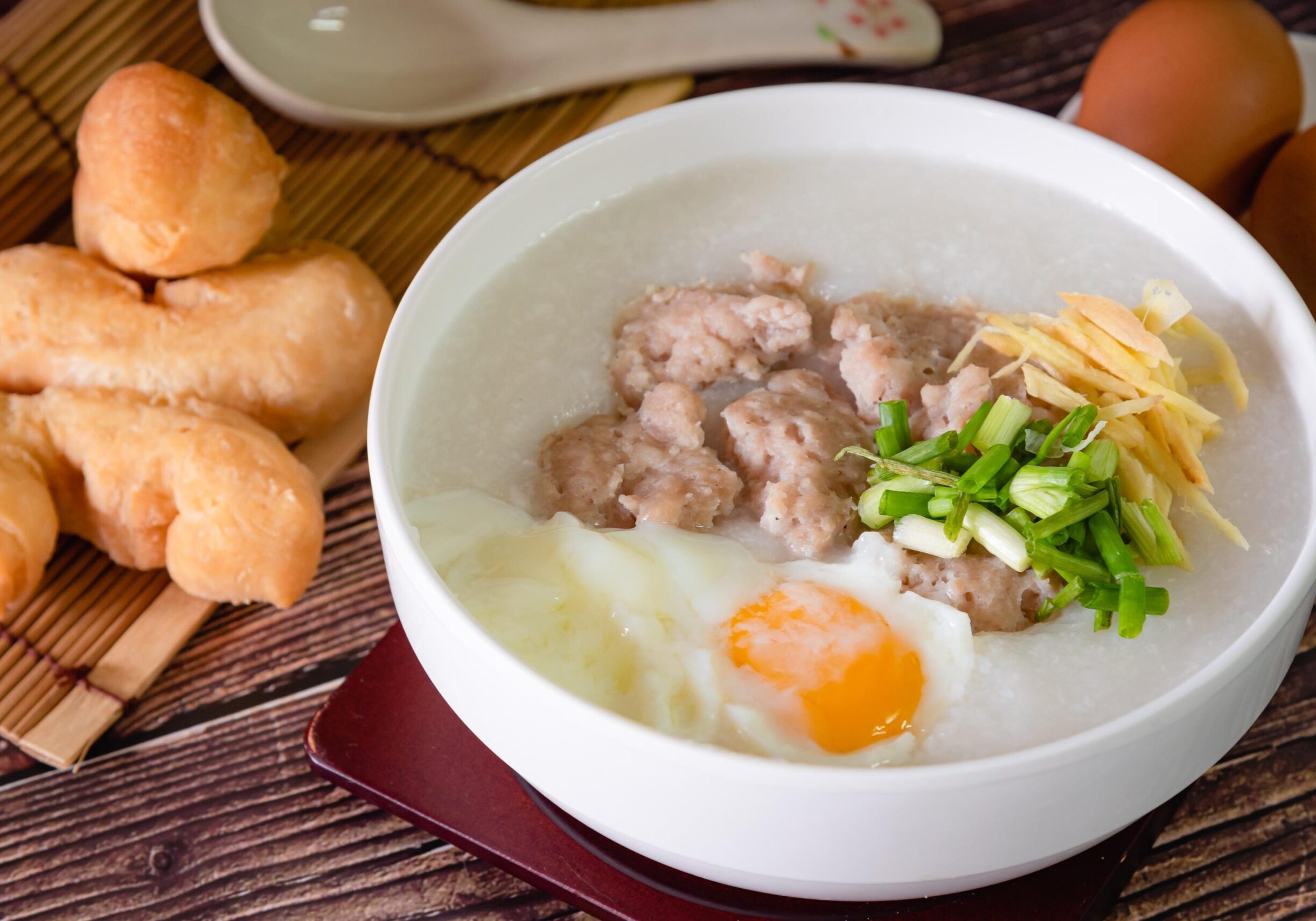
The clatter of porcelain spoons, the rhythmic chop of a cleaver, and the hiss of steam escaping bamboo baskets—this is the symphony of a traditional Teochew restaurant in Singapore. Step into one, and the aroma of braised soy sauce and fresh herbs envelopes you, instantly transporting you to a bygone era. Traditional Teochew cuisine is more than just food—it’s a connection to history, culture, and the senses.
In a city characterized by rapid modernization, the oldest Teochew restaurant Singapore holds its ground as a bastion of heritage. These restaurants are more than eateries; they are living museums preserving the art of Teochew cooking, a discipline rooted in restraint, balance, and a profound respect for fresh ingredients. Let’s dive into the world of Teochew food, exploring its history, signature dishes, and how these institutions have evolved while preserving a rich culinary tradition—a showcase of classic Teochew delicacies. Each classic Teochew delicacy, from steamed pomfret to braised duck, stands as an iconic representation of the region’s culinary heritage.
Teochew cuisine is renowned for its light seasoning and gentle cooking methods, allowing the natural flavours of premium seafood, meats, and produce to shine through. This approach preserves the authentic taste of each ingredient, making every dish a celebration of freshness and quality. Many diners love Teochew food for the nostalgia it evokes, the emphasis on fresh ingredients, and the meticulous preparation that goes into every meal.
Unveiling the Heart of Teochew Cuisine
Teochew cuisine emerges from the contemplative landscape of Chaoshan, where culinary heritage flows like ancient rivers through Guangdong's refined traditions. Within Singapore's bustling sanctuary of flavors, this artisanal culinary philosophy has found its sanctuary, cultivating a devoted following among those who understand that true gastronomy lies not in complexity, but in the quiet mastery of simplicity. Establishments like Teochew Restaurant Huat Kee serve as guardians of this ancestral craft, offering not mere sustenance, but a pilgrimage into the very soul of Teochew refinement—where each dish whispers stories of generations past.
The essence of Teochew gastronomy rests in profound reverence for nature's inherent character. Consider the steamed pomfret Teochew style, where gentle heat coaxes forth the fish's delicate essence, or the chilled cold crab, a meditation in pure, unadulterated flavor. Here lies the cuisine's contemplative heart—minimal intervention, reverent techniques, an almost spiritual devotion to freshness. Sweet yam paste reveals layers of subtle sweetness that unfold like petals at dawn. Double boiled chicken soup captures liquid serenity in a bowl, while the Teochew style oyster omelette offers textural harmony that speaks to the artisan's patient hand. Fresh prawns, preserved radish, salted vegetables, and Chinese cabbage become instruments in a carefully orchestrated symphony, touched only by whispers of soy sauce, oyster sauce, or sweet sauce—each element contributing to a harmonious composition that honors rather than overwhelms.
This culinary heritage celebrates both diversity and thoughtful curation. From the warming embrace of Korean ginseng soup to the beloved fried carrot cake that bridges generations, each offering reflects centuries of refined palate development. Traditional preparations—braised duck simmered with star anise and malt sugar, or the silken yam paste dessert enriched with ginkgo nuts and tapioca starch—emerge through slow, meditative techniques that preserve not only nutrients but the very essence of each ingredient. This gentle approach reveals the cuisine's philosophical foundation: that true nourishment emerges through patience, creating experiences that resonate with those who seek both pleasure and mindful consumption.
Singapore's temples of Teochew tradition—Hoo Thian Teochew Restaurant and Cheng Hoo Thian Teochew among them—continue to safeguard these time-honored rituals while welcoming initiates into their refined world. These sanctuaries offer curated experiences ranging from nourishing broths to thoughtfully prepared vegetarian selections, ensuring that Teochew cuisine remains both accessible and eternally captivating. Whether savoring the pristine clarity of Teochew cold crab or discovering the nuanced depths within classic sweet yam paste, each encounter becomes a celebration of heritage, artisanal mastery, and the enduring poetry found in nature's finest offerings.
The Roots of Teochew Cuisine: A Journey of Migration
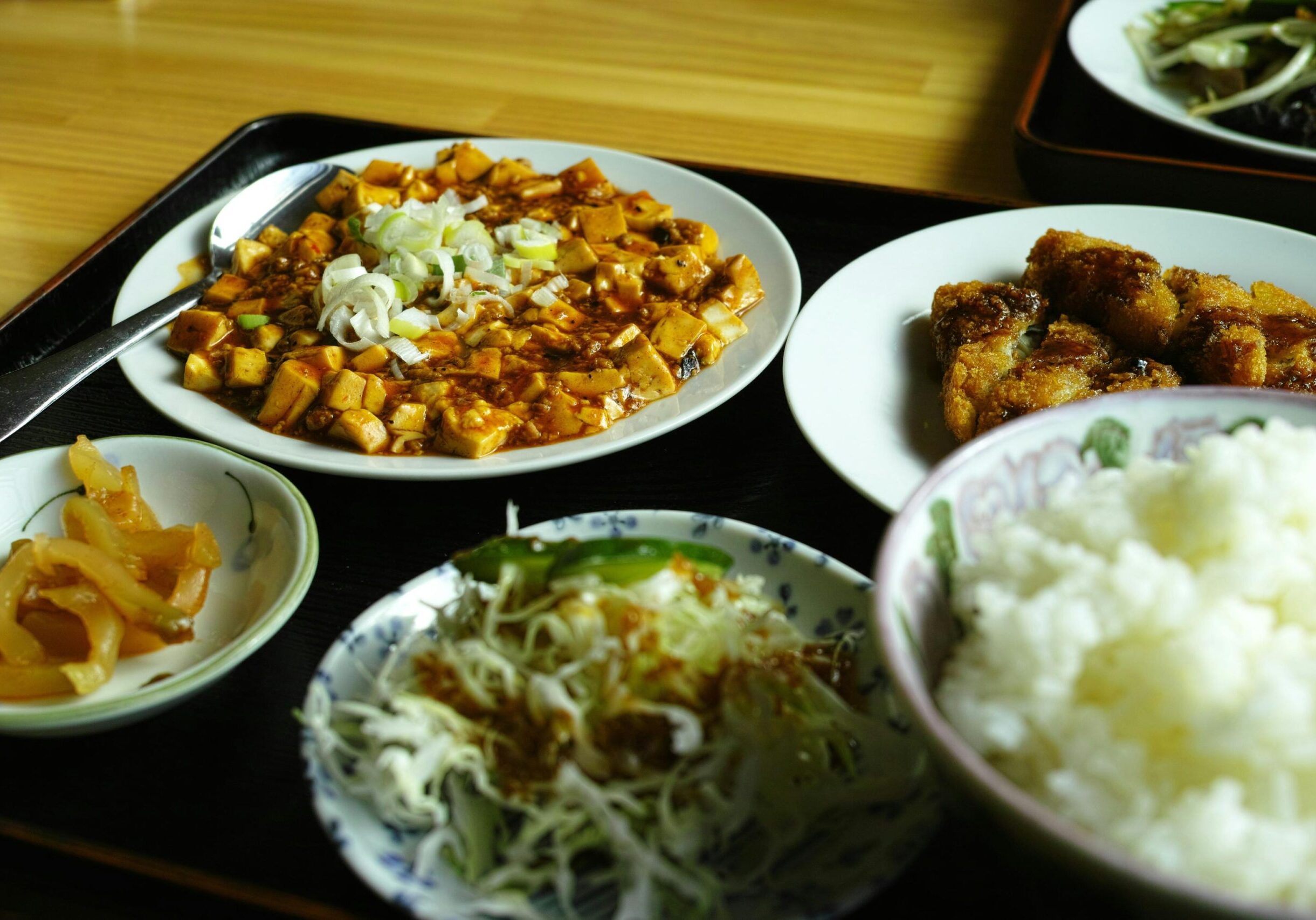
The story of Teochew cuisine in Singapore began with migration. Teochew people, hailing from China’s Chaoshan region, were among Singapore’s earliest settlers. Known as “people of the water,” they naturally gravitated toward the Singapore River and coastal areas, embedding their culinary identity in Singapore’s food culture.
Unlike the bold flavors of other cuisines, Teochew food is defined by its simplicity and focus on fresh ingredients. Techniques such as steaming, poaching, and braising highlight the natural sweetness and umami flavour of the ingredients. Teochew steamed pomfret, for example, reflects this philosophy. The dish features a whole pomfret steamed with salted vegetables, salted plums, and tomatoes, creating a delicate balance of tart, salty, and sweet flavors.
The Oldest Teochew Restaurant in Singapore: A Cultural Pillar
Among the oldest Teochew restaurants in Singapore, Cheng Hoo Thian Teochew Restaurant stands out as a cultural institution. Located near Boon Keng MRT station, this historic eatery preserves the old school recipe and cooking techniques passed down for generations. Signature dishes like Teochew cold crab and braised duck are prepared with the same love and precision today as they were decades ago.
Cheng Hoo Thian is renowned for its classic Teochew delicacies, such as orh nee (sweet yam paste with ginkgo nuts). A crowd favourite, this comforting dish is made using slow-cooked yam and malt sugar, producing a velvety texture and delicate sweetness. Another standout is their double-boiled chicken soup, a hearty soup that showcases the Teochew commitment to natural flavors and slow cooking.
Signature Dishes that Define Traditional Teochew Cuisine
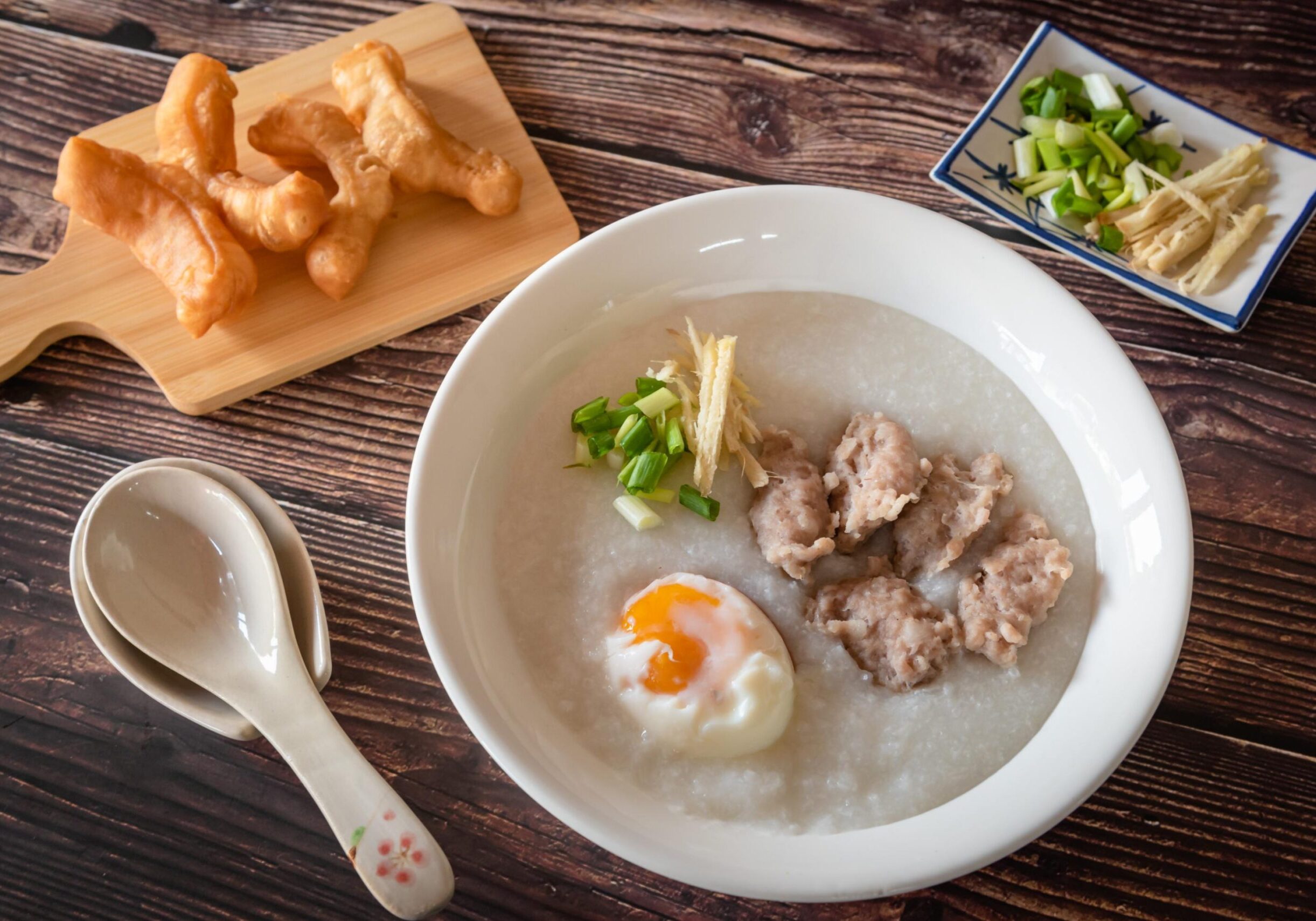
Teochew cuisine is celebrated for its subtlety and ability to let ingredients shine. Some of the standout dishes you’ll find at the oldest Teochew restaurant Singapore include:
1. Teochew Cold Crab
Teochew cold crab is a classic dish that highlights fresh ingredients. The crab, often packed with golden yellow roe, is chilled to enhance its sweetness and firm up its meat. Sometimes, the crab is presented in a traditional double shell style, where two layers of shell are used to showcase the freshness and elevate the visual appeal of the dish. Served with a simple dipping sauce of soy sauce or sweet sauce, it’s a must-try for anyone who loves Teochew food.
2. Teochew Steamed Pomfret
As mentioned earlier, this dish is a hallmark of traditional Teochew cuisine. The pomfret’s natural sweetness is elevated with salted plums, preserved radish, and salted vegetables, all of which add layers of umami flavor.
3. Braised Duck
The Teochew-style braised duck (lor ark) stands apart for its tender meat and aromatic master stock. Prepared with spices like star anise and soy sauce, the stock is often simmered for years, creating a rich and complex flavor profile.
4. Orh Nee (Sweet Yam Paste)
This dessert is a staple in Teochew restaurants. Made with yam, ginkgo nuts, and tapioca starch, orh nee is a comforting dish that embodies the art of simplicity and slow cooking.
5. Fried Carrot Cake (Chye Poh Kway Teow)
Popular across Singapore, this dish features rice noodles stir-fried with preserved radish (chye poh, also known as cai po in Teochew cuisine), eggs, and a touch of sweet sauce to achieve the perfect wok hei. Some variations include fresh prawns for added flavor.
Preserving Tradition: Challenges and Commitment
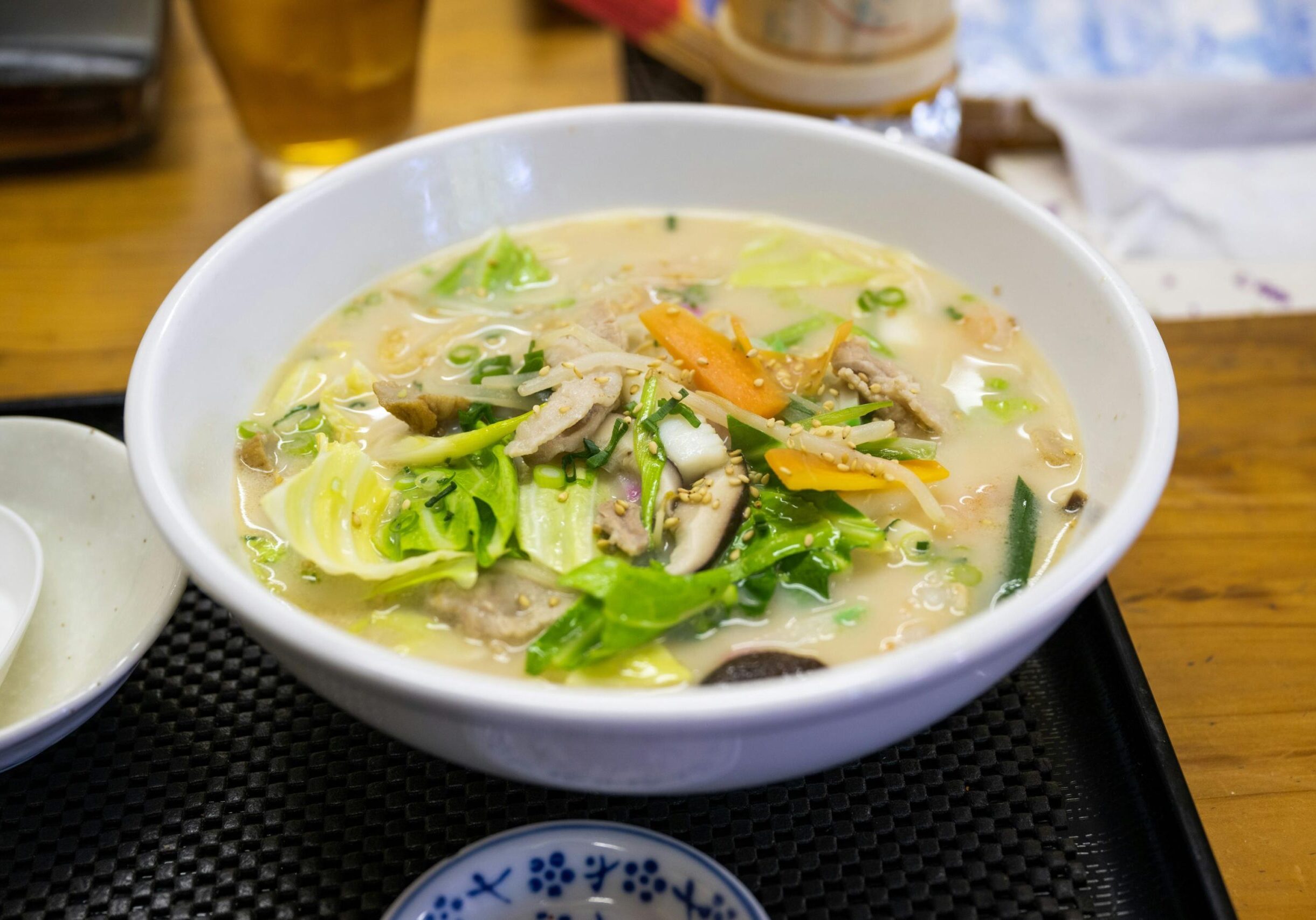
Behind every plate of Teochew food lies a story of hard work and dedication. The preservation of traditional Teochew dishes is a meticulous process, often reliant on generational transfer of knowledge. At places like Hoo Thian Teochew Restaurant, young chefs spend years learning from seasoned cooks. Techniques like preparing braising sauce or steaming fish to perfection are taught through observation and intuition. Jimmy Koh, the founder's youngest son, plays a key role in the restaurant's heritage, passionately preserving Teochew culinary traditions and sharing the family legacy with each new generation.
This commitment to tradition comes with challenges. Labor-intensive methods like hand-making fishballs or slow-cooking stewed luffa test the patience of modern diners accustomed to fast service. Yet, heritage Teochew restaurants refuse to cut corners, understanding that these details are essential to maintaining the authenticity of their dishes.
Balancing Tradition with Modernity
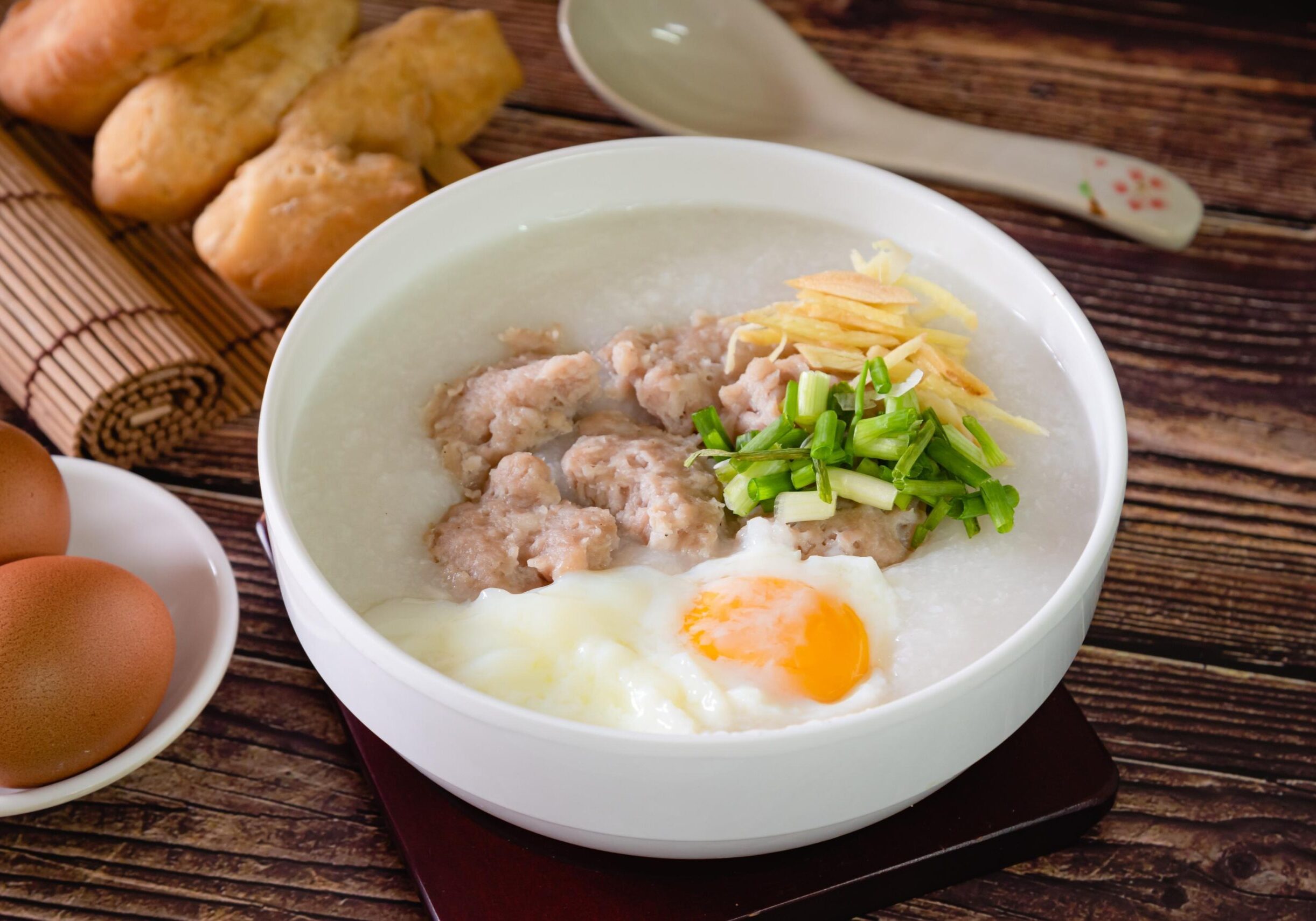
For heritage restaurants like Cheng Hoo Thian Teochew Restaurant, staying relevant requires a delicate balance. While older patrons cherish the nostalgia of classic Teochew cuisine, younger diners are drawn to modern dining experiences. To bridge this gap, these restaurants have subtly adapted their offerings and operations.
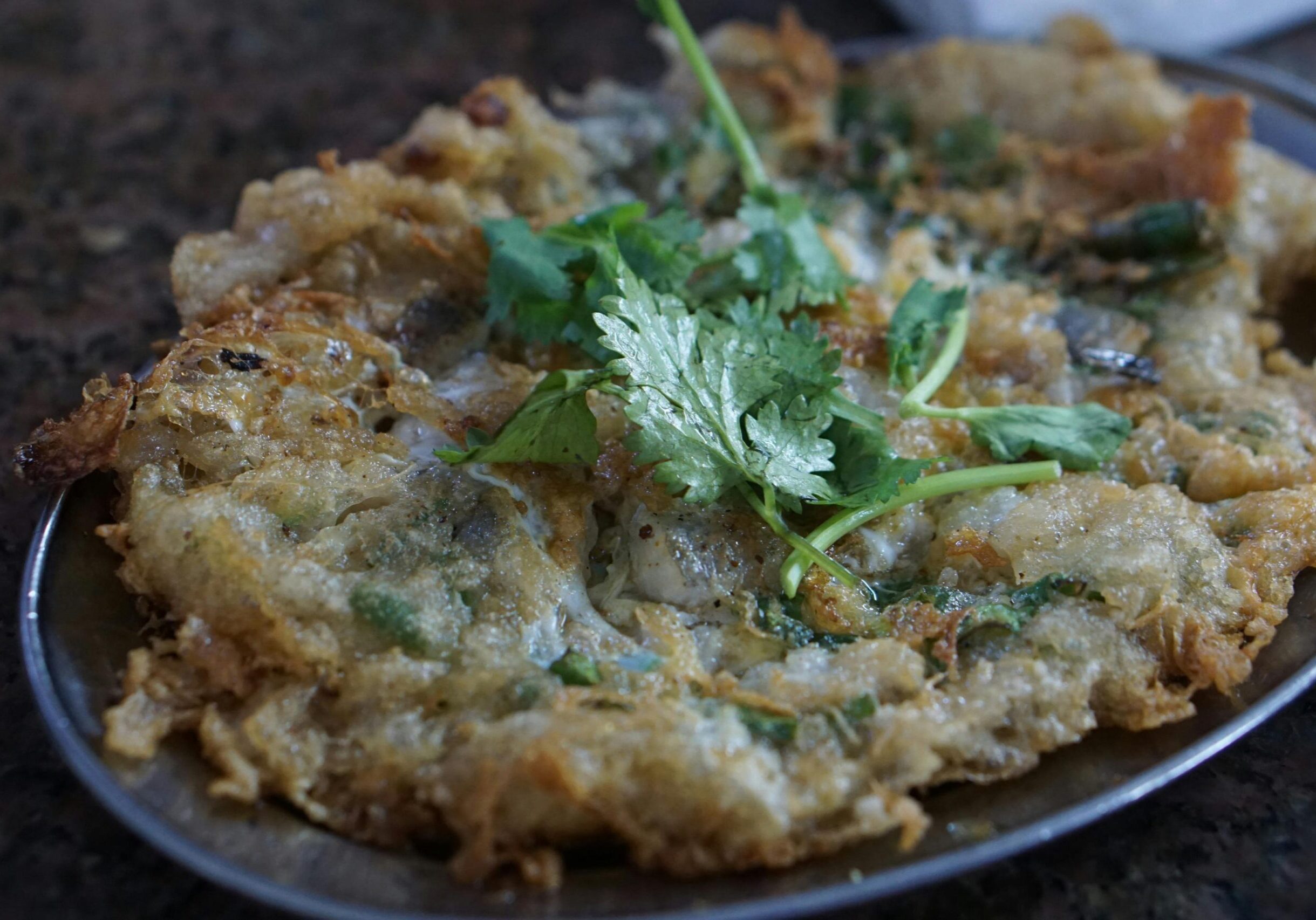
For example, while the recipes remain untouched, healthier options with less sodium and oil are now available. Presentation has also evolved, with classic dishes like Teochew style oyster omelette and fried ngoh hiang plated more elegantly to appeal to social media-savvy diners. Digital ordering systems and delivery platforms have been introduced, offering convenience without compromising the quality of the food.
To further meet modern diners' needs, Cheng Hoo Thian Teochew Restaurant clearly displays its opening hours, making it easy for guests to plan their visits and enjoy traditional cuisine at their convenience.
Beyond the Plate: Cultural Significance of Teochew Restaurants
The oldest Teochew restaurant Singapore is more than just a food establishment—it’s a cultural hub. These restaurants play a vital role in preserving the Teochew dialect, customs, and social traditions. The act of sharing dishes, the etiquette of serving tea, and the rituals surrounding certain foods all reinforce a sense of community and identity.
For younger generations, these establishments provide a tangible link to their heritage. By tasting signature dishes like classic orh nee or fried carrot cake, they connect with the flavors and traditions of their ancestors. It’s a unique experience where past and present coexist harmoniously.
Signature Dining Experiences: Where to Go for Teochew Cuisine
If you’re looking to explore Teochew food, here are some standout restaurants to visit:
- Cheng Hoo Thian Teochew Restaurant: Known for its Teochew cold crab, braised duck, and hearty soups, this historic eatery is a must-visit for traditional Teochew dishes.
- Hoo Thian Teochew Restaurant: Famous for its fried carrot cake and Teochew steamed pomfret, this spot near Clarke Quay blends tradition with a lively atmosphere.
In addition to these signature dishes, be sure to try classic Teochew specialties such as bak kut teh, a peppery pork rib soup beloved for its rich broth; barbecue suckling pig, featuring crispy skin and succulent meat, often served as a centerpiece at celebratory meals; and sea cucumber, prized for its delicate texture and often braised in abalone sauce. Teochew style siew mai, a unique dim sum with distinctive fillings and typically served with vinegar, is another must-try. For fans of deep fried delights, sample deep fried ngoh hiang, a savory roll with a crispy exterior, and other deep fried items that showcase the cuisine’s crunchy appeal. Don’t miss the traditional fried egg with Bombay duck, a flavorful omelette that highlights the unique taste of this classic Teochew ingredient.
Don’t miss trying dishes like mandarin orange koh cheng hoo, stewed luffa, and fish maw soup, all of which highlight the expertise of Teochew cooking.
A Legacy Worth Preserving
The preservation of traditional Teochew cuisine is a labor of love, rooted in heritage and fueled by resilience. Singapore’s oldest Teochew restaurants, like Cheng Hoo Thian and Hoo Thian, have mastered the art of balancing tradition with modernity. They remind us that food is more than sustenance—it’s a cultural artifact that connects us to our past.
By dining at these establishments, we ensure that the nuanced flavors of Teochew cuisine, from chilled cold crab to sweet yam paste, continue to grace our tables. Supporting these restaurants is an act of cultural appreciation and a delicious way to honor Singapore’s culinary heritage. Whether you’re a long-time fan or a newcomer, Teochew food offers something timeless for everyone to enjoy.