
Affordable Teochew Restaurant Singapore: Three Generations, One Wok Preserving Culinary Heritage
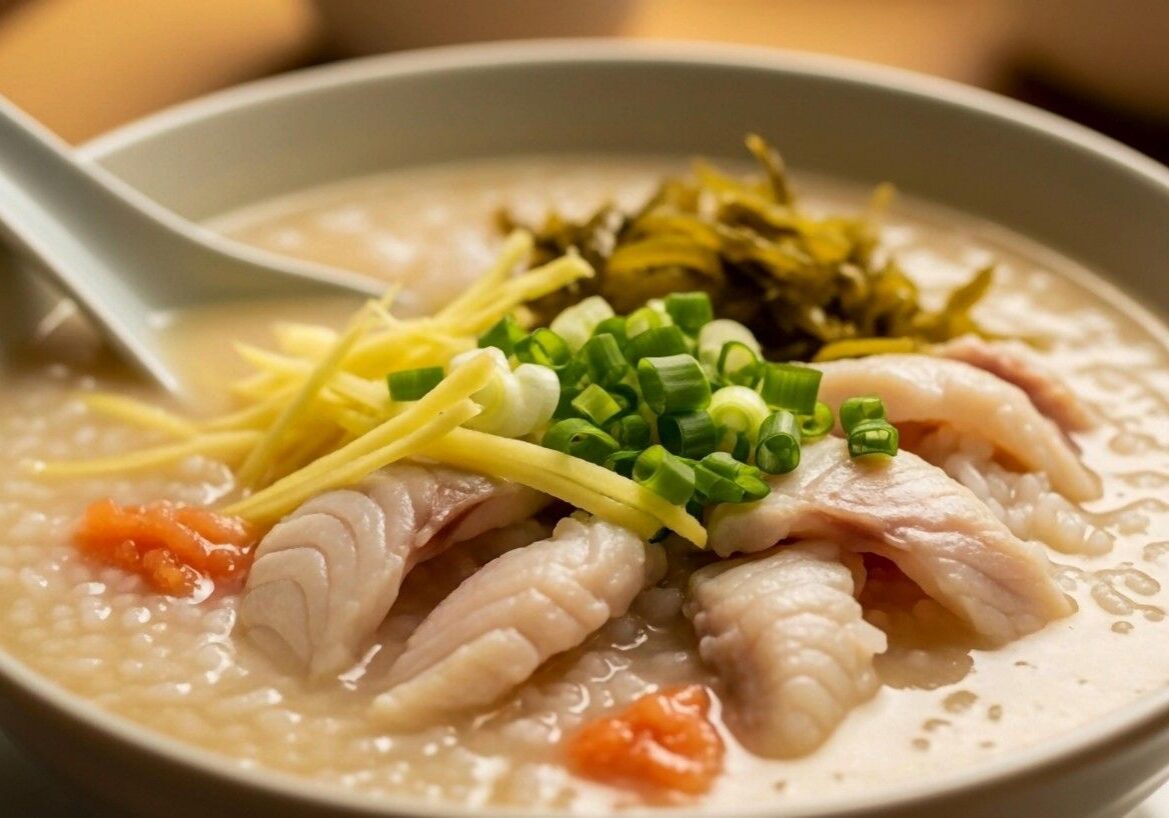
The kitchen hums in quiet rhythm as the first rays of sunlight filter through its windows. A young chef, the third generation in his family, inspects a fresh pomfret with the precision instilled by decades of tradition. He prepares salted plums and preserved vegetables just as his grandfather did before him, carrying forward the rich heritage of Teochew cuisine. This isn’t just meal preparation; it’s a daily ritual of cultural preservation in a city that constantly reinvents itself. As Singapore’s culinary landscape rapidly evolves, traditional Teochew restaurants stand as beacons of authenticity, balancing heritage and modernity. Teochew heritage plays a vital role in preserving these culinary traditions, ensuring that the unique flavors and techniques continue to enrich Singapore’s food culture.
Affordable Teochew Restaurant Singapore: A Humble Beginning
The story of this family-run Teochew restaurant began in the 1960s. The founder, newly arrived from Chaoshan, China, started with little more than a set of traditional recipes and a dream. He opened a small eatery, offering timeless dishes like Teochew braised duck, Teochew porridge, and steamed pomfret. Built on the principles of freshness and simplicity, the menu captured the hearts of Singapore’s Teochew community, many of whom sought familiar flavors in an unfamiliar land.
The restaurant offers a variety of authentic Teochew dishes at affordable prices, making it a favorite among both locals and newcomers looking to experience genuine Teochew flavors.
Signature dishes like braised duck, Teochew steamed pomfret, and cold crabs defined the eatery. The braised duck, simmered for hours in carefully tended master stock (lor), became legendary, while the steamed pomfret highlighted the natural sweetness of fresh seafood. Over time, the restaurant not only became a gathering point for the local community but also a symbol of resilience and dedication to traditional Teochew cuisine.
Braised Duck and More: Fu Yuan Teochew Dining and the Second Generation
The second generation played a pivotal role in bridging the past and the present. The founder's son grew up observing his father, learning the intricacies of Teochew cooking through hands-on experience. "My father never wrote down recipes," recalls the current chef. "It was all about feeling—knowing when the fish is perfectly steamed or when the wok hei is just right."
This generation introduced subtle operational improvements while fiercely guarding the authenticity of the food. Better refrigeration and systematized ordering ensured consistency, but the heart of Teochew cooking—its precise techniques and traditional recipes—remained unchanged. Staples like porridge, paired with simple yet flavorful accompaniments such as chye poh (preserved radish), continued to draw loyal diners.
Their efforts paved the way for other heritage establishments like Chin Lee Restaurant and Huay Lim Teochew Cuisine, which similarly uphold the integrity of traditional Teochew fare while adapting to modern dining expectations.
Chui Huay Lim Teochew: Fresh Seafood and Generational Techniques
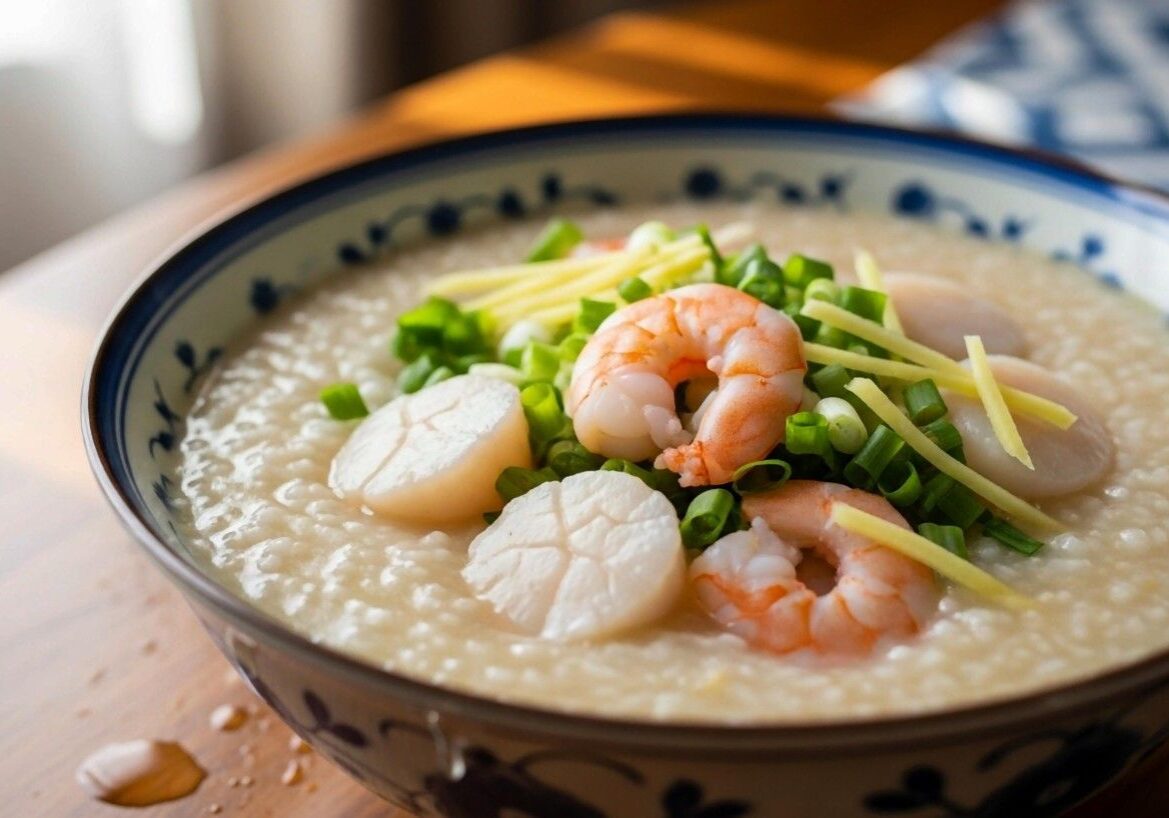
By the time the third generation stepped up, the restaurant had become a culinary institution, earning comparisons to other icons like Chui Huay Lim Teochew and Fu Yuan Teochew dining. Yet, challenges loomed large. Modern diners sought convenience, and ingredients crucial to Teochew cooking—like dried flatfish and salted vegetables—became harder to source. For the current chef, every decision hinges on one question: How can we preserve our heritage without compromising standards?
Take steamed pomfret, for example. Steaming is an art form in Teochew kitchens, requiring precise control of timing, temperature, and steam intensity. “The fish must remain moist, with its flesh pearly and tender,” the chef explains. Due to fluctuations in availability, certain seafood dishes such as steamed pomfret may be offered at a seasonal price. Similarly, braising meats, whether it’s duck or pork, involves a slow, meticulous process, allowing the flavors of soy sauce, galangal, and spices to infuse deeply. These techniques, unchanged for generations, are what distinguish authentic Teochew fare.
Traditional Cooking Techniques: The Heart of Teochew Flavour
Within the sanctuary of traditional Teochew cuisine lies a profound reverence for ingredient purity and the mastery of ancestral culinary arts. Each creation serves as a meditation on the Teochew philosophy: allow the inherent essence of pristine seafood, meats, and vegetables to emerge unadorned, enhanced only through the most contemplative touch of seasoning. This approach bestows upon Teochew cuisine its distinctive character and enduring allure within Singapore's sophisticated culinary landscape.
Consider the artisanal pan fried oyster omelette, a testament to culinary refinement. Crafting the perfect oyster omelette requires a contemplative balance—egg and sweet potato starch unite to form a foundation both crisp and yielding, while succulent, ocean-fresh oysters are folded in with precise timing. The result emerges as a harmony of richness and lightness, carrying a subtle essence of the sea that speaks to both ingredient quality and the artisan's mastery.
Braised duck stands as another pillar of this time-honoured tradition. The journey begins with a carefully curated master stock, infused with soy sauce, aromatic spices, and fragrant botanicals. The duck surrenders slowly to gentle simmering across hours, allowing flavours to penetrate deeply while the flesh achieves an almost meditative tenderness. Each slice celebrates patience and precision, accompanied by a contemplative sauce that perfectly honors the duck's natural richness.
Teochew kway teow, or stir-fried rice noodles, showcases the sacred art of wok hei—that elusive "breath of the wok" which imparts smoky aromatics and nuanced depths. The noodles dance swiftly over high flames with pristine ingredients, yielding a creation both satisfying and elegantly refined.
No contemplation of Teochew culinary artistry would achieve completion without honoring teochew steamed pomfret. This iconic preparation exemplifies the Teochew devotion to seasonal perfection: a whole pomfret, sourced at its peak moment, is gently steamed alongside preserved vegetables and salted plums. The fish emerges with delicate moisture intact, its natural sweetness enhanced through the subtle sophistication of its accompaniments.
Within a classic Teochew sanctuary, one discovers a menu brimming with creations that revere these ancestral recipes. Cold crabs, presented with tangy accompaniments, offer a refreshing taste of oceanic heritage, while braised meats and teochew porridge provide comfort and nostalgic contemplation in every spoonful. Fu Yuan Teochew Dining has garnered recognition for its sophisticated interpretations of these classics, while venerable establishments like Chin Lee Restaurant and Huay Lim Teochew Cuisine continue to draw discerning diners through their unwavering commitment to authentic Teochew culinary heritage.
Whether savoring a bowl of silky yam paste as a contemplative finale or sharing a carefully curated platter of fresh seafood with family, Teochew cuisine invites you into the serene beauty of simplicity and the profound depths of tradition. Through every meal, these establishments preserve the spirit of Teochew culinary artistry within Singapore—one wok, one generation, and one unforgettable moment of refinement at a time.
Cold Crabs, Porridge, and Other Icons of Teochew Cooking
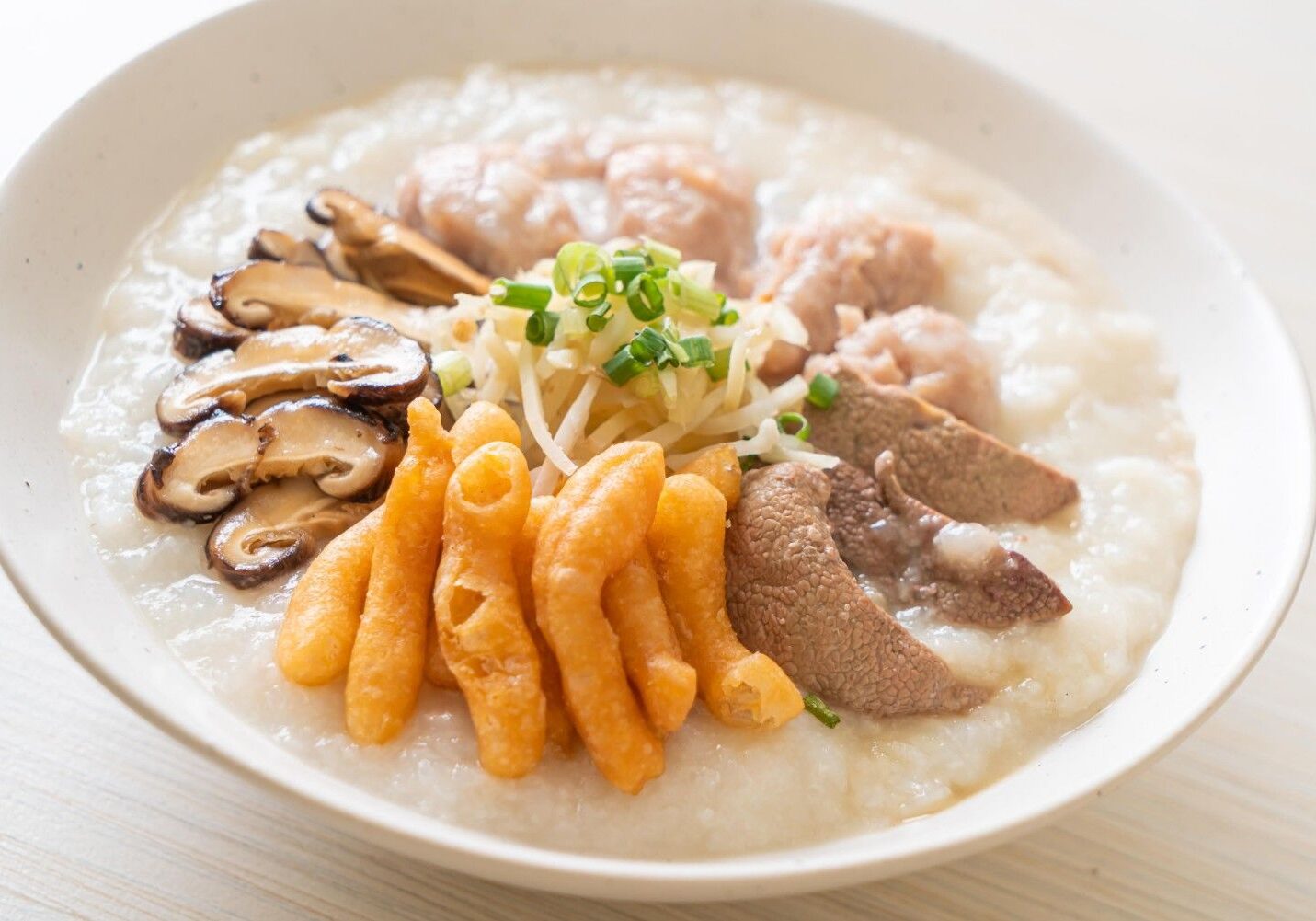
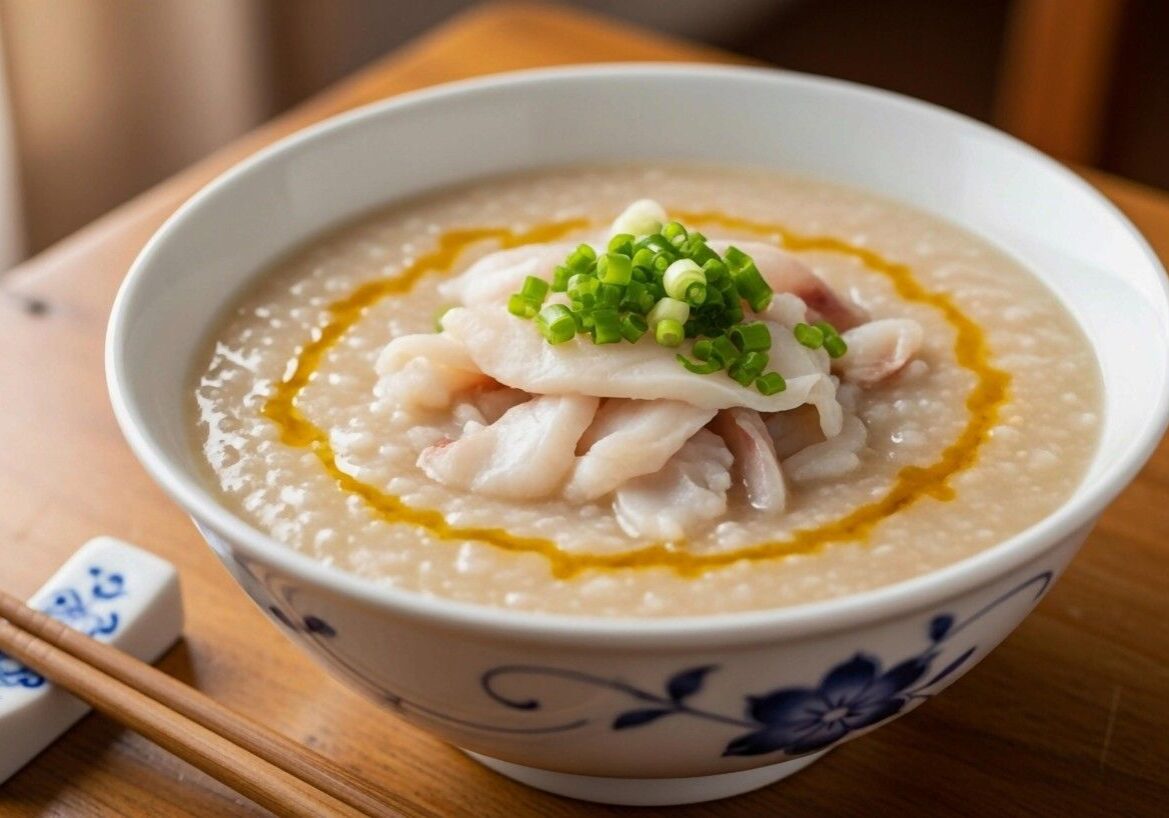
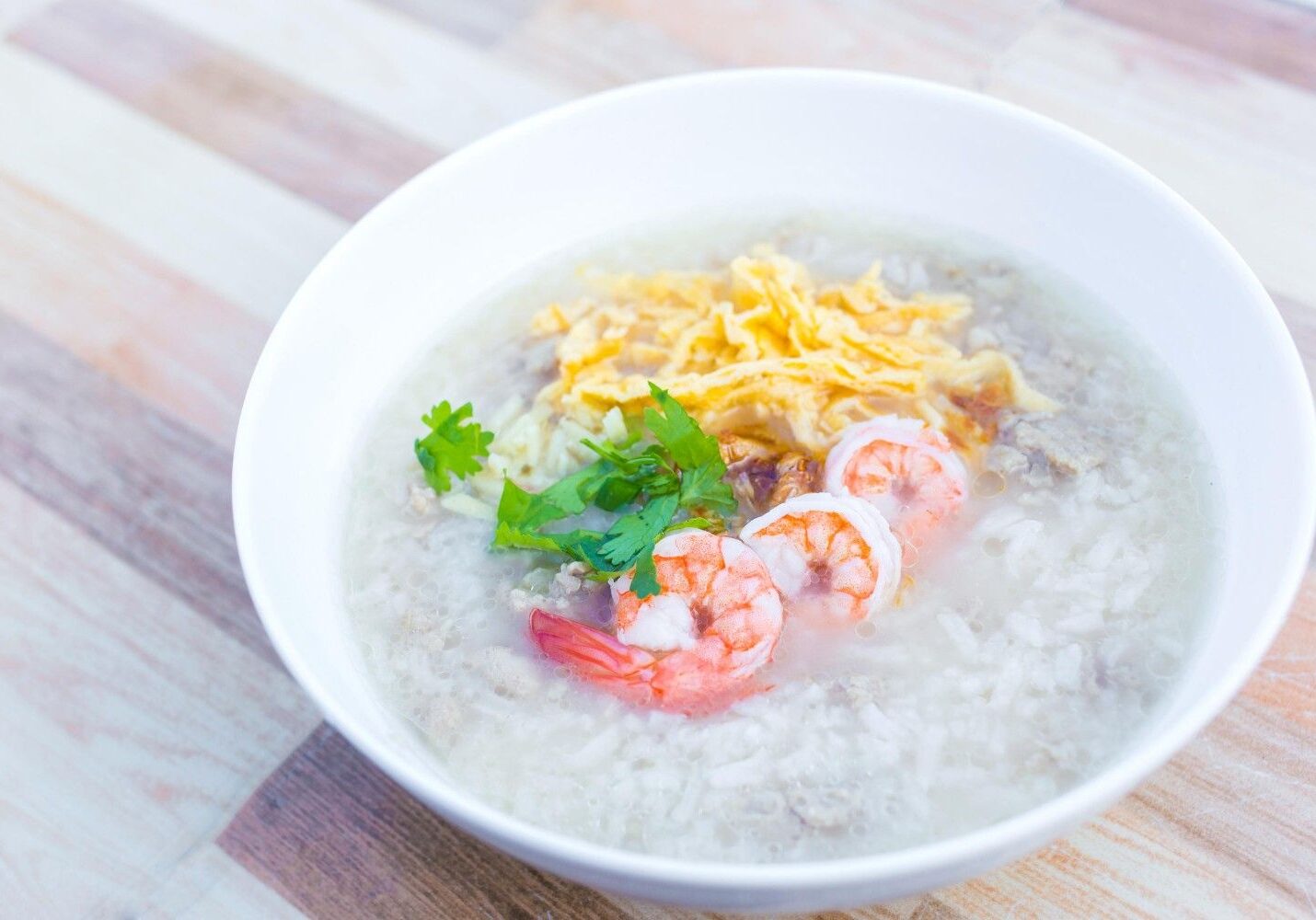
Teochew cuisine is rooted in letting fresh ingredients shine. This philosophy is evident in dishes like Teochew cold crab, where the crabs are steamed and quickly chilled to retain their natural sweetness. The roe, rich and creamy, becomes the star of the dish. Similarly, Teochew porridge stands apart for its light, clear broth and whole grains, offering a comforting simplicity.
Deep fried ngoh hiang is another popular appetizer, known for its crispy exterior and savory flavor, often enjoyed as a flavorful start to a Teochew meal.
Other iconic dishes include braised meats, yam paste (orh nee) with ginkgo nuts, and pan-fried oyster omelette. The pan-fried oyster omelette often incorporates egg white to achieve a light, airy texture that complements the fresh seafood. Yam paste (orh nee) is traditionally topped with both gingko nuts and ginko nuts, which add texture and health benefits to the dessert. Mandarin orange is sometimes added to orh nee during special occasions for a refreshing twist. The latter, with its crispy edges and soft, gooey center, is a crowd favorite at traditional Teochew restaurants like Chin Lee Restaurant. These dishes are more than meals; they are edible links to a shared cultural heritage.
Dim Sum, Fish Head, and Clarke Quay: Balancing Old and New
Adapting to modern realities has been necessary for this heritage Teochew restaurant to thrive. The dining space has been updated with comfortable seating and brighter lighting to appeal to younger diners. Meanwhile, the menu now features English descriptions alongside traditional names, making Teochew food more accessible to newcomers.
Teochew Kitchenette is another popular, casual spot where diners can enjoy affordable, authentic Teochew dishes in a relaxed setting.
“Some of our regulars have been coming here since my grandfather’s time,” the chef shares. “But their children and grandchildren have different expectations.” To cater to these evolving tastes, the restaurant has incorporated modern touches, like an online reservation system and a streamlined dining experience, while maintaining the integrity of its dishes.
At other establishments, like Chui Huay Lim Club, this balance is also evident. Located near Clarke Quay, it merges tradition with a modern twist, offering dishes like teochew-style roasted suckling pig alongside timeless classics like cold crabs and Teochew steamed pomfret. Toa Payoh is another area in Singapore renowned for its traditional Teochew restaurants and food stalls, making it a hub for those seeking authentic Teochew flavors.
Affordable Teochew Restaurant Singapore: The Role of Special Occasions
Teochew restaurants are synonymous with celebratory dining. These establishments often serve as wedding restaurants or venues for special occasions, where families gather to enjoy banquet-style feasts. Signature dishes like braised goose web in Chinese wine, deep-fried French poulet, and prawn rolls seasoned with XO sauce often grace the tables during such events.
And because no Teochew celebration feels complete without cold crab—sweet, briny, and proudly minimalist—many diners plan entire family dinners around it. If you’re deciding where to splurge (or where the value is best), here’s our article to the teochew restaurants sg.
Fu Yuan Teochew dining, for example, is known for its elegant presentations and exceptional flavors, making it a popular choice for family celebrations. Similarly, Chui Huay Lim Teochew’s offerings, from lightly fried dim sum to fish head soup, ensure that diners enjoy both variety and quality.
The Cultural Weight of Preserving Traditional Teochew Recipes
The chef views his work as more than just cooking—it’s an act of cultural preservation. "Older customers often tell me our food tastes 'correct,'" he says. "That’s the highest compliment. It means we’re staying true to our roots."
That idea of food tasting “correct” isn’t unique to Teochew kitchens—it echoes across Singapore’s other heritage cuisines too, especially Peranakan cooking, where tradition lives in careful hands and stubbornly precise flavours. If you love heritage dining journeys, read more here.
He feels a profound responsibility to honor the legacy passed down to him. Every dish, from rice noodles stir-fried to perfection to Teochew braised duck, tells a story of resilience and dedication.
This commitment extends to sourcing fresh ingredients and adhering to labor-intensive techniques, such as pounding fishballs by hand for their signature springy texture. Even the woks used in the kitchen are seasoned cast iron, carrying decades of flavor.
Looking Ahead: Will the Fourth Generation Continue the Legacy?
When asked about the future, the chef hesitates. “Will there be a fourth generation? I don’t know,” he admits. The long hours and modest financial returns make it a challenging career path for younger family members. Yet he hopes that the growing appreciation for authentic, slow-cooked food will inspire a new generation to embrace traditional Teochew cuisine.
For many younger cooks, the question isn’t only heritage—it’s viability: wages, hours, and whether the industry supports sustainable careers. If you’re curious how Singapore’s broader kitchen workforce is shifting, explore more at Top Singapore Restaurants.
Efforts to preserve and celebrate this heritage have gained momentum among food enthusiasts. Guides like The Evolution of Teochew Restaurant SG: From Traditional Flavours to Contemporary Tables encourage diners to explore the culinary treasures hidden in Singapore’s Teochew establishments. Established groups like Jumbo Group have also played a significant role in maintaining high standards for Teochew cuisine in Singapore.
Savoring Tradition
The story of Singapore’s oldest Teochew restaurants is one of resilience, identity, and love. From humble beginnings to the challenges of modern dining, these establishments have remained steadfast in their commitment to preserving traditional Teochew recipes. They are not just places to eat; they are living archives of Singapore’s rich culinary history.
Historic venues like Chui Huay Lim Teochew Cuisine at Keng Lee Road continue to uphold the traditions of Teochew cooking in Singapore.
By visiting and supporting these heritage restaurants, we become active participants in their preservation. We honor the hands that have tirelessly upheld these traditions and ensure that the irreplaceable flavors of family and heritage will continue to be savored for generations to come. Whether you’re enjoying a steaming bowl of Teochew porridge or indulging in the delicate flavors of cold crabs, know that every bite carries with it decades of skill, passion, and cultural pride.