
Discovering the Best Nyonya Singapore Restaurants: A Taste of Heritage
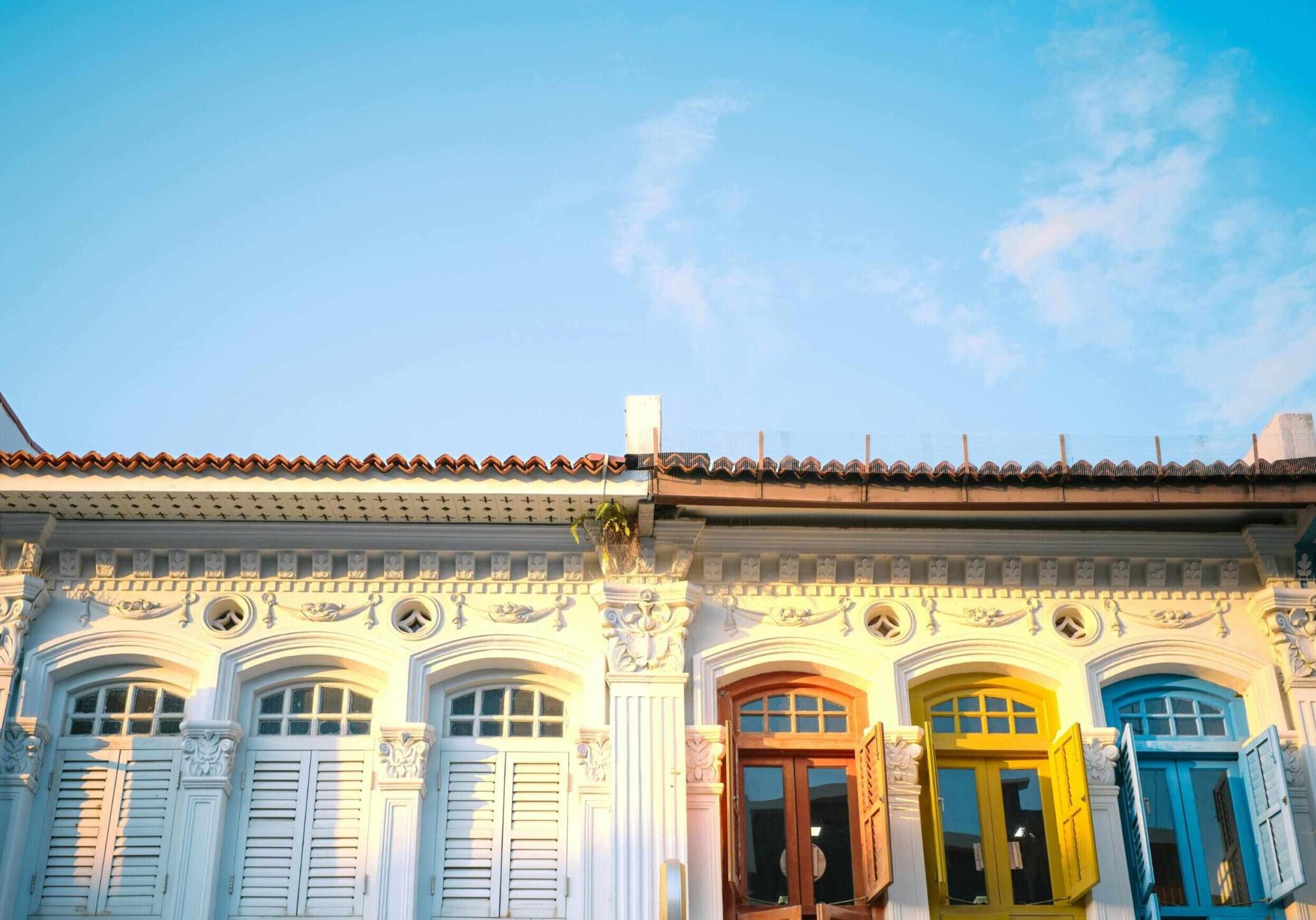
Nyonya cuisine, the culinary soul of Peranakan culture, is a rich tapestry of history, tradition, and flavor. Born from the intermarriage of Chinese immigrants and the local Malay community centuries ago, this unique culture has given rise to dishes that blend Chinese ingredients with Malay spices and techniques. In Singapore, where food is a cornerstone of identity, Nyonya restaurants play a vital role in preserving this heritage, offering some of the best Peranakan food to locals and tourists alike. No Peranakan experience is complete without savoring its iconic dishes.
From authentic Peranakan dishes to new interpretations at a modern Peranakan restaurant, these establishments are representative of Peranakan heritage and culture in Singapore, making the exploration of Nyonya food a journey into history and innovation.
This balance of innovation and authenticity is what makes the Nyonya dining scene in Singapore so vibrant—much like the evolution seen in traditional Teochew cuisine, where classic techniques continue to thrive alongside modern interpretations.
Nyonya Singapore: A Culinary Legacy
Peranakan cuisine, or Nyonya food, is rooted in the kitchens of Peranakan families, where recipes were perfected over generations. The heart of this cuisine lies in its meticulous preparation, with signature dishes like ayam buah keluak and beef rendang requiring hours of labor and love. The intricate rempah (spice paste) forms the backbone of many dishes, made from ingredients like turmeric, galangal, and lemongrass, which are ground to perfection. These flavors come together in dishes that balance sweet, sour, spicy, and savory notes, resulting in rich tastes that create an unforgettable dining experience. These dishes are loved by generations of Peranakan families and diners.
Best Peranakan Food Establishments in Singapore
A sign of the vibrant Nyonya dining scene in Singapore is the abundance of exceptional Peranakan restaurants to choose from. Whether you're seeking a nostalgic trip into the past or a modern twist on traditional flavors, Singapore's bustling food scene has something for everyone. Here are some top picks for the best Peranakan food in Singapore.
1. Violet Oon Singapore: A Timeless Icon
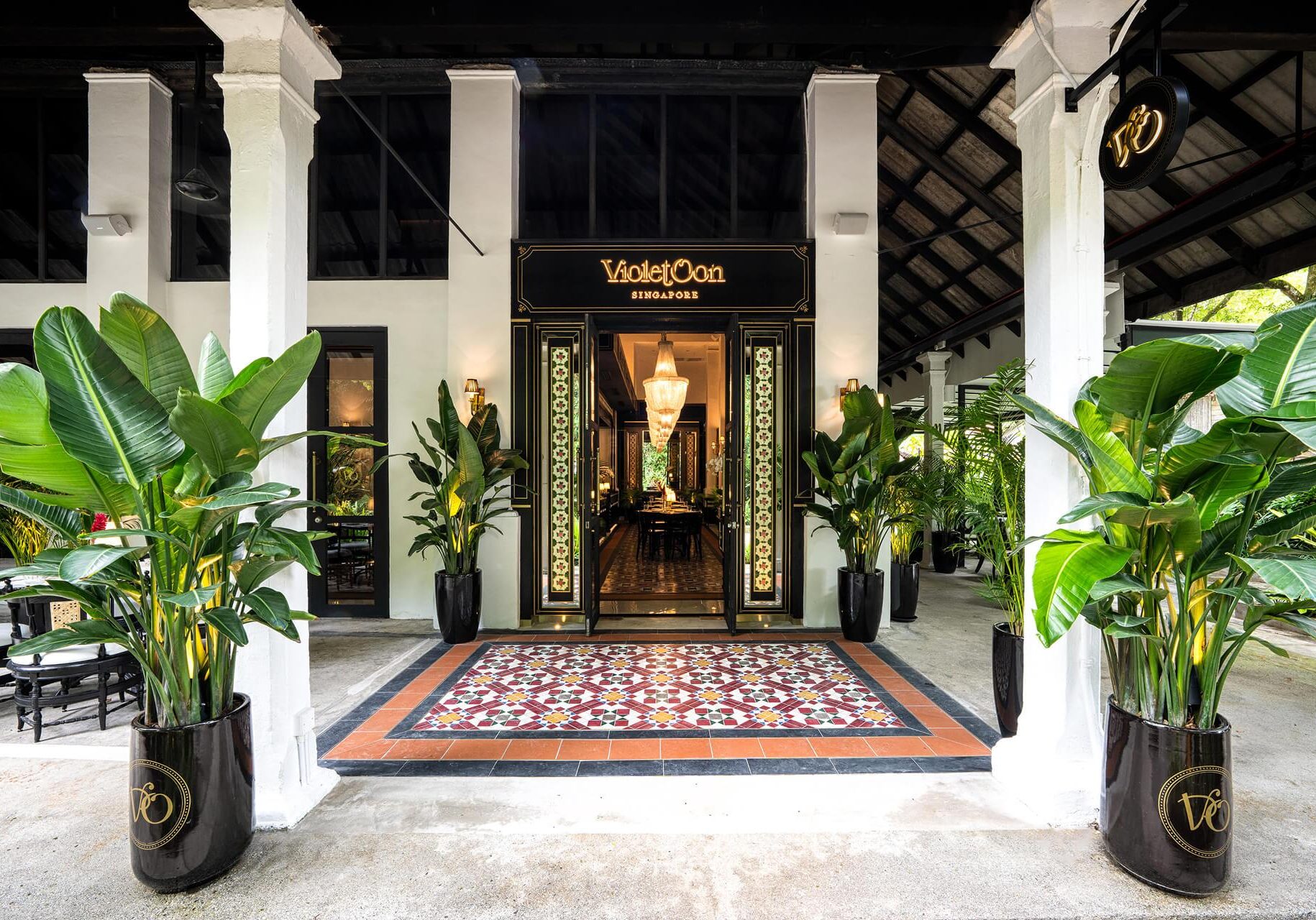
Violet Oon Singapore is synonymous with Peranakan dining and widely regarded as a pioneer in elevating authentic Nyonya food to fine dining status. As one of the most celebrated modern Peranakan restaurants, it beautifully balances tradition with sophistication. With multiple outlets, including at Funan, ION Orchard, and Jewel Changi, Violet Oon is a household name for locals and visitors looking for a refined take on Peranakan cuisine.
- Signature Dishes: The ayam buah keluak is a must-try, featuring tender chicken infused with the earthy richness of the buah keluak nut. Other favourites include beef rendang, the smoky sambal buah keluak, and the delicate kuay pie tee with its crisp textures. The desserts, such as the gula melaka-infused kueh lapis, showcase the intricate layering of Peranakan flavors.
- What Sets It Apart: Impeccable, polite and attentive service, elegant ambiance, and a menu that honors heritage while catering to modern palates. The restaurants often feature artful presentations that make each dish Instagram-worthy, enhancing the overall dining experience.
- Best For: Family gatherings, special events, private functions, and wine-paired dinners.
- Price: Fine dining.
Violet Oon Singapore is also open on Sundays, offering special menus and services for your event or gathering. Their National Kitchen outlet at the National Gallery Singapore further cements their role as cultural ambassadors, blending Peranakan heritage with Singapore’s vibrant arts scene.
2. Guan Hoe Soon: A Heritage Gem
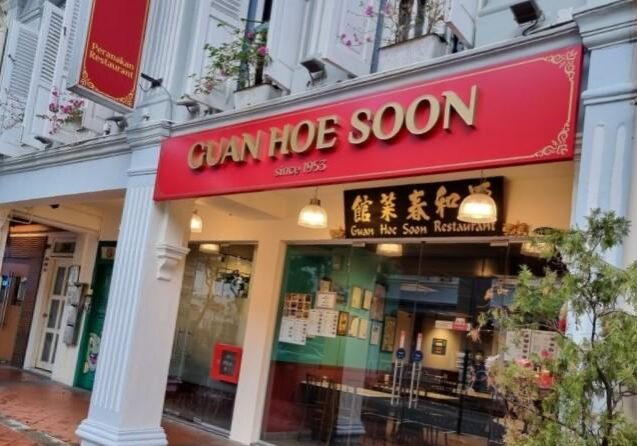
Established in 1953, Guan Hoe Soon is one of Singapore's oldest Peranakan restaurants. Located in the east near Joo Chiat, it embraces a no-frills approach, offering diners an authentic taste of Nyonya Singapore with recipes that have been carefully preserved over days of preparation.
- Signature Dishes: Their ayam buah keluak is a hallmark of authenticity, made with a complex rempah that is pounded fresh daily. Dishes like chap chye (braised vegetables) and ngoh hiang (five-spice meat rolls with a flavorful filling) remain customer favorites. Don't miss the ikan assam pedas (spicy tamarind fish), which balances tangy and spicy notes perfectly.
- What Sets It Apart: A commitment to traditional recipes passed down through generations, cooked with meticulous care by experienced cooks who understand the textures and flavors that define Peranakan cuisine.
- Best For: Families and purists who value history-rich dining experiences.
- Price: Mid-range dining.
For a true taste of Peranakan heritage, head over to Guan Hoe Soon for an authentic experience that marks the essence of Peranakan culture.
3. Candlenut: Michelin-Starred Modernity
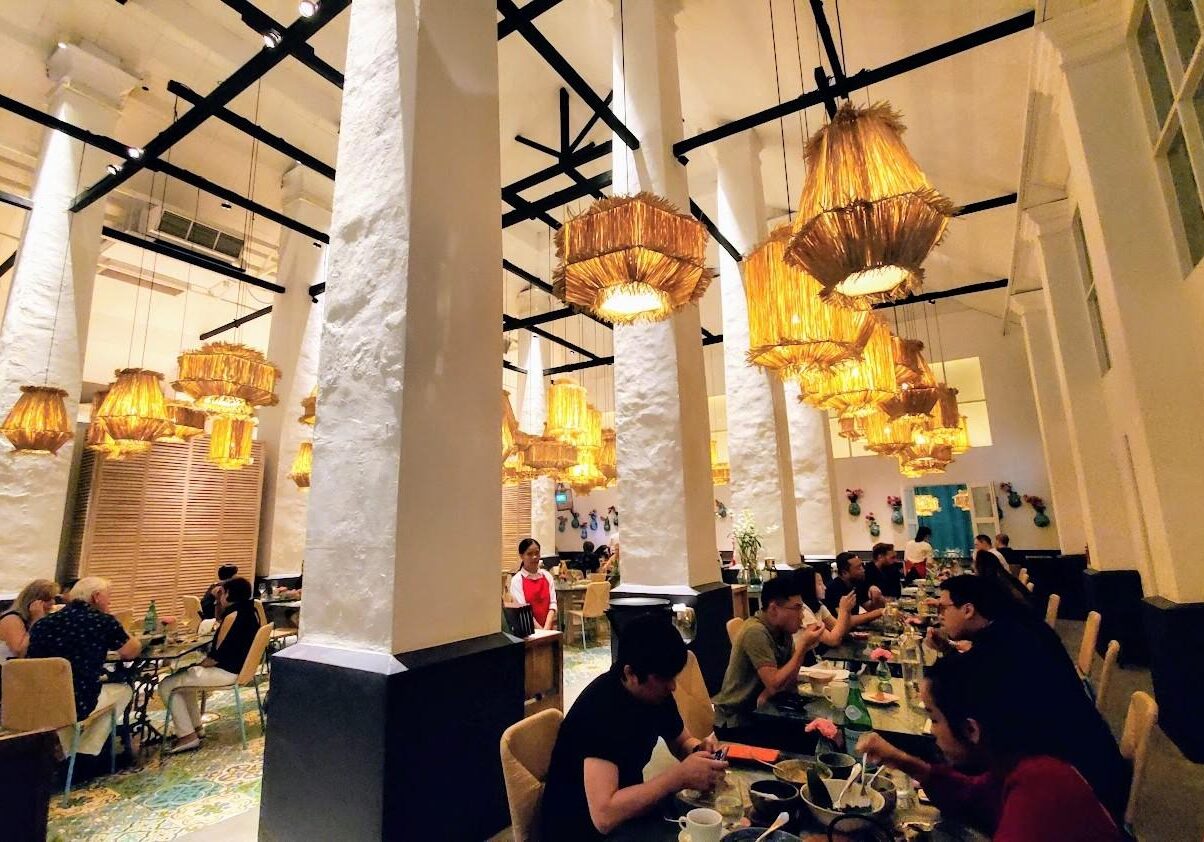
As the world's first Michelin-starred modern Peranakan restaurant, Candlenut pushes the boundaries of Nyonya food with creative flair. Led by chef-owner Malcolm Lee, the restaurant showcases how tradition can be preserved while embracing modernity and innovation.
- Signature Dishes: The Ah-ma-kase tasting menu offers a curated journey through Peranakan flavors, featuring elevated dishes like wagyu beef rendang and ayam buah keluak reinvented with a modern twist. Candlenut is known for its artistic plating and the use of premium ingredients sourced to advance the authenticity and depth of each dish.
- What Sets It Apart: Artistic plating, premium ingredients, a visionary approach to tradition, and the way the chef-owner and team warmly host guests, making hospitality a central part of the dining experience. The restaurant's location in the upscale Dempsey area adds to its refined atmosphere.
- Best For: Celebratory meals and food enthusiasts seeking innovation.
- Price: Fine dining.
Candlenut’s presence has helped raise the profile of Peranakan cuisine internationally, encouraging a new generation of cooks to explore and innovate within this rich culinary tradition.
4. The Blue Ginger: A Warm, Family-Friendly Favorite
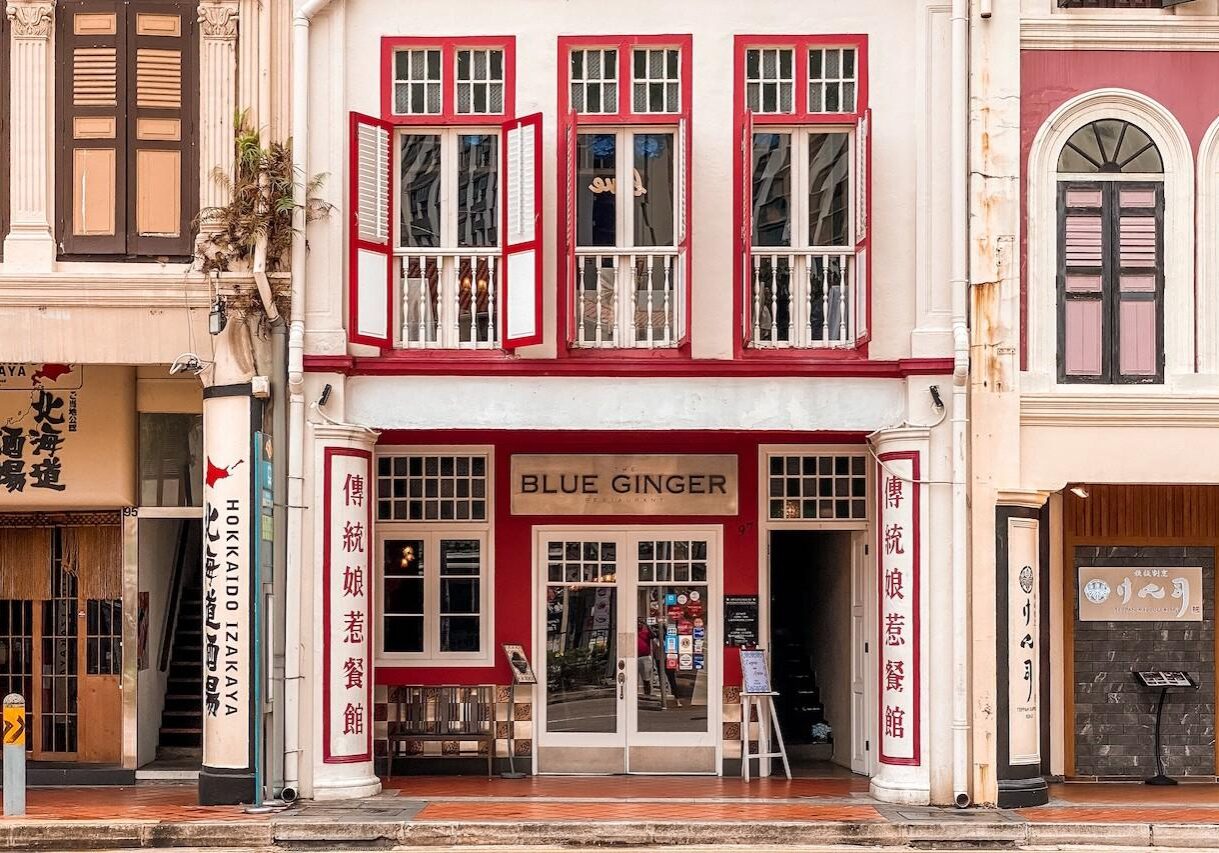
For over two decades, The Blue Ginger has been a go-to spot for authentic Peranakan dishes in a comfortable yet stylish setting. With locations in Tanjong Pagar and Great World, it offers a mix of tradition and accessibility.
- Signature Dishes: Babi pongteh (braised pork belly) and kueh pie tee (crispy pastry cups filled with sweet turnip) are perennial favorites. Their durian chendol dessert is a decadent way to finish a meal. The menu features a wide selection of dishes that showcase the complex textures and flavors of Peranakan cooking.
- What Sets It Apart: Consistently good, high-quality dishes and a welcoming ambiance that appeals to both regulars and tourists. The restaurant is known for its warm hospitality and attention to detail.
- Best For: Business lunches, family gatherings, and casual dine-ins—it's a great place to bring your daughter or children for a family meal.
- Price: Mid-range dining.
5. Ivins Peranakan Restaurant: Affordable and Authentic
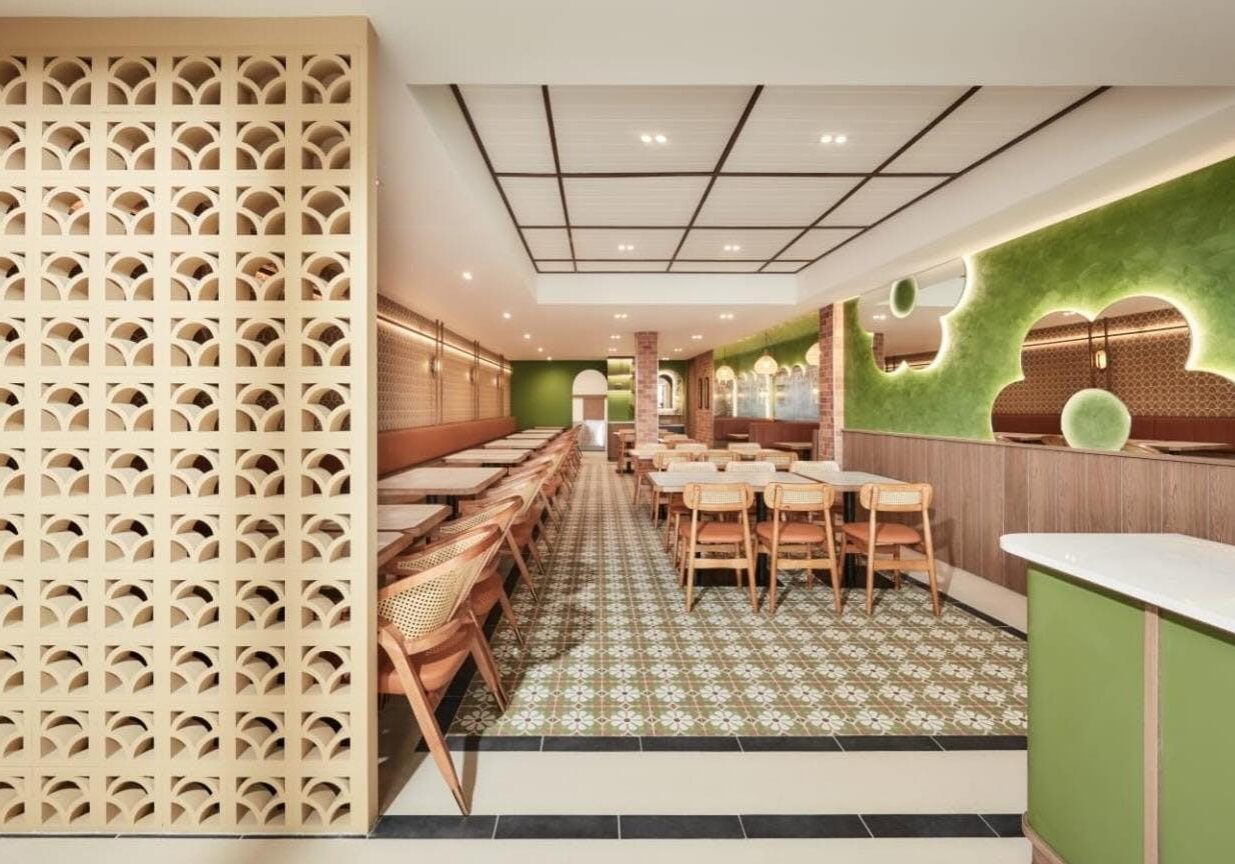
For diners seeking authentic Peranakan dishes on a budget, Ivins offers an excellent experience. Located in Binjai Park, this humble eatery delivers no-frills Nyonya food in small portions, perfect for sampling a variety of dishes.
- Signature Dishes: The babi pongteh, honey pork, and petai sambal prawns are standout favorites. For dessert, the gula melaka sago pudding is a must-try, offering a sweet finish with traditional flavors.
- What Sets It Apart: Affordable prices, extensive menu, and a cozy, bustling atmosphere. The cooks here prepare dishes with care, ensuring that even at budget-friendly prices, the textures and tastes remain true to tradition.
- Best For: Casual meals, large groups, and adventurous foodies.
- Price: Budget-friendly.
Ivins is also conveniently located near Parkway Parade, making it easily accessible for shoppers and families looking to indulge in Peranakan cuisine without breaking the bank.
6. Pangium: A Nature-Inspired Culinary Journey
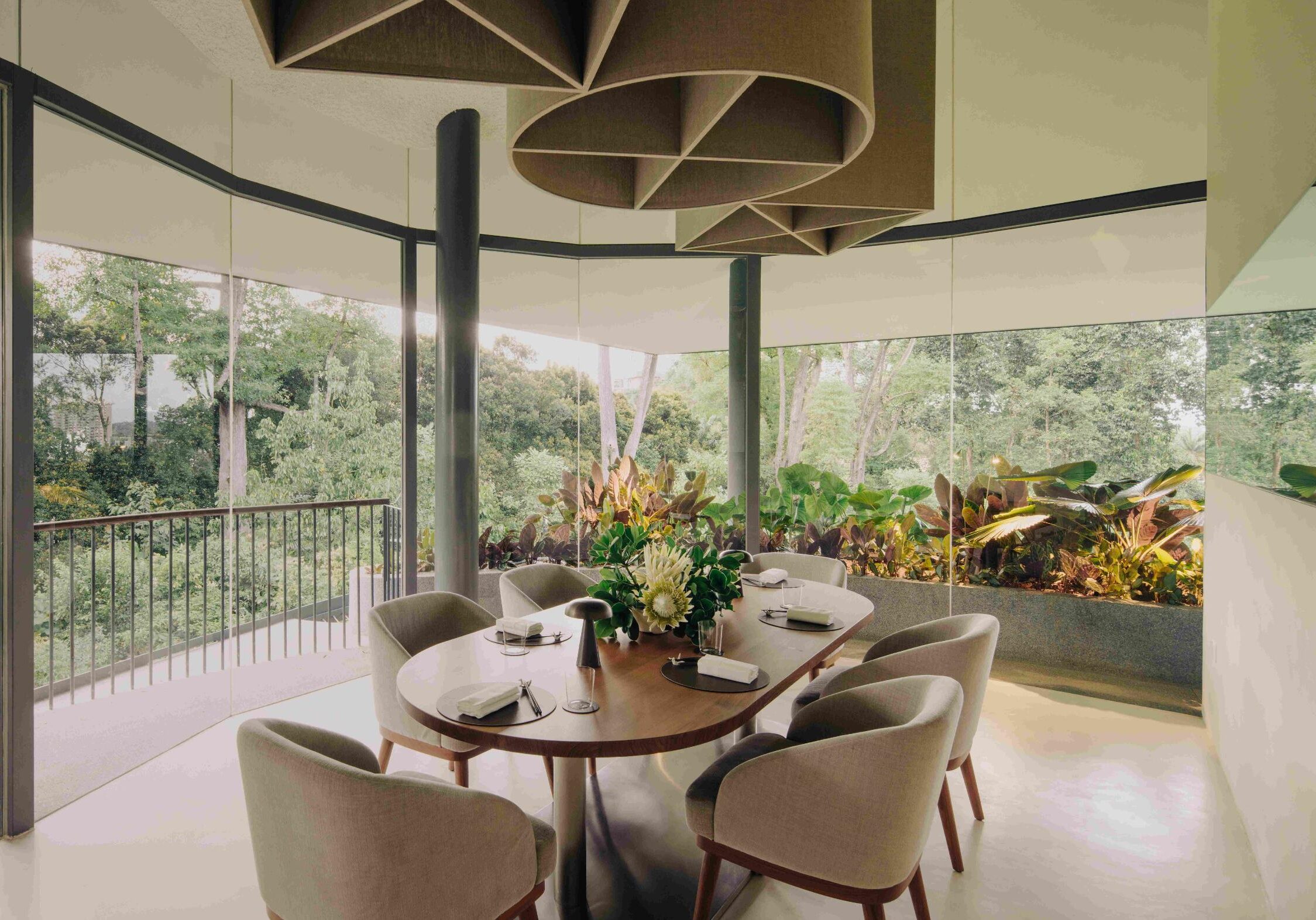
Situated in the sun-dappled, lush surroundings of the Botanic Gardens, Pangium is the brainchild of Candlenut's chef Malcolm Lee. It offers a refined tasting menu that fuses Peranakan tradition with seasonal, locally sourced ingredients.
- Signature Dishes: Menus change seasonally but often feature elevated versions of classics like nasi ulam and dishes centered around the buah keluak nut, prepared with advanced techniques to bring out complex flavors.
- What Sets It Apart: Its serene setting and thoughtful storytelling through food, combined with a focus on sustainability and natural ingredients, mark Pangium as a unique destination for Peranakan fine dining.
- Best For: Special occasions and intimate dining experiences.
- Price: Fine dining.
Pangium represents the next level in Peranakan dining, where tradition and nature converge to create a contemplative and indulgent culinary experience.
Peranakan Restaurants in Katong: A Neighborhood Steeped in Tradition
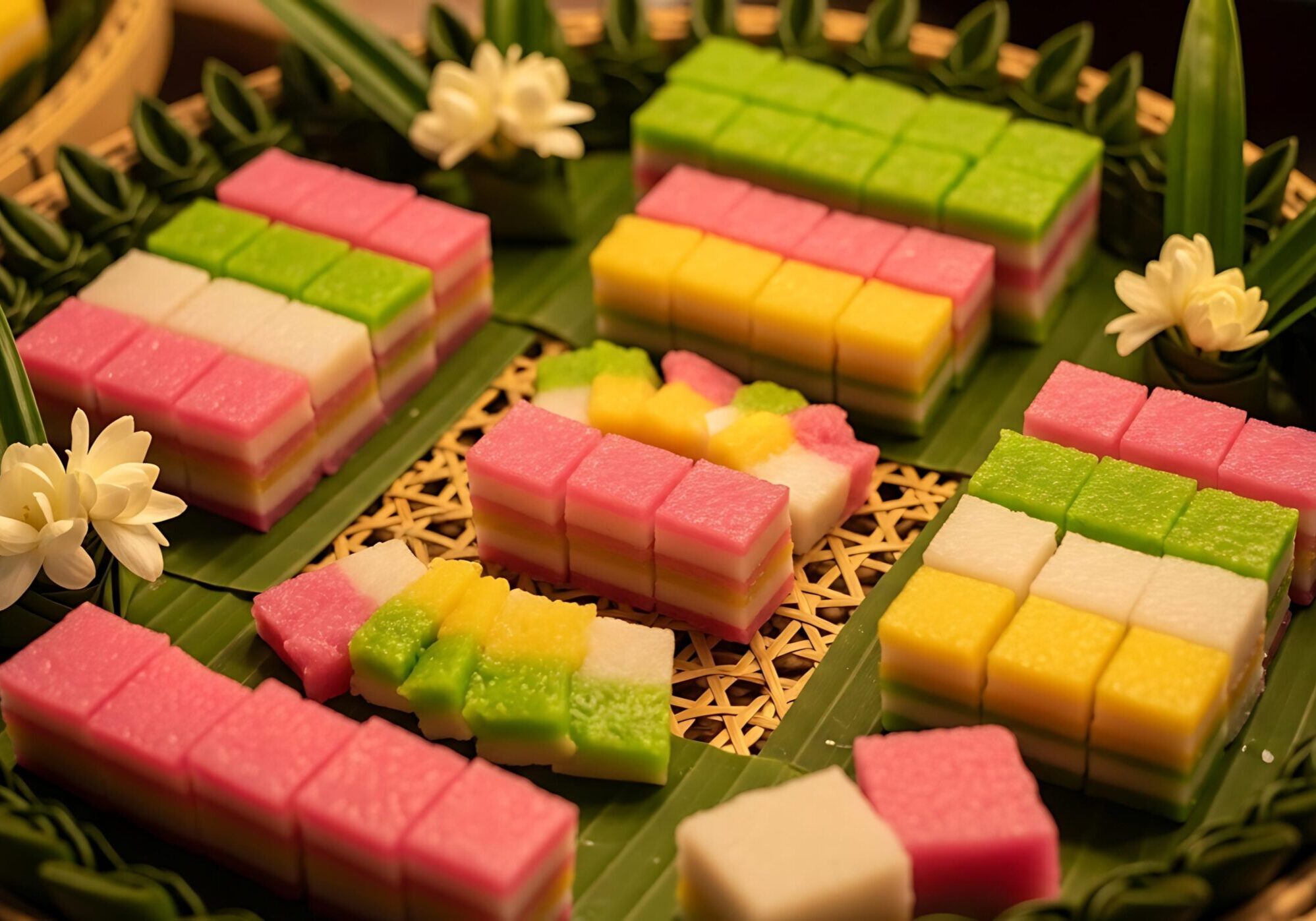
Katong is a sanctuary of Peranakan heritage in Singapore, renowned for its artisanal culinary traditions. This enclave features carefully curated Peranakan establishments offering authentic dishes like ayam buah keluak, beef rendang, and babi pongteh, prepared through recipes refined over generations.
Dining in Katong is more than a meal; it is a journey into a heritage where each dish reflects the rich blend of Chinese and Malay influences. The serene ambiance invites guests to savor the sophisticated flavors of Peranakan gastronomy, from the earthy buah keluak to the aromatic beef rendang.
With its heritage shophouses and contemplative atmosphere, Katong stands as the quintessential place to discover the artisanal secrets of Peranakan cuisine, celebrating tradition while embracing contemporary sensibilities for an authentic and evolving experience.
Peranakan Food with a Personal Touch: Stories Behind the Recipes
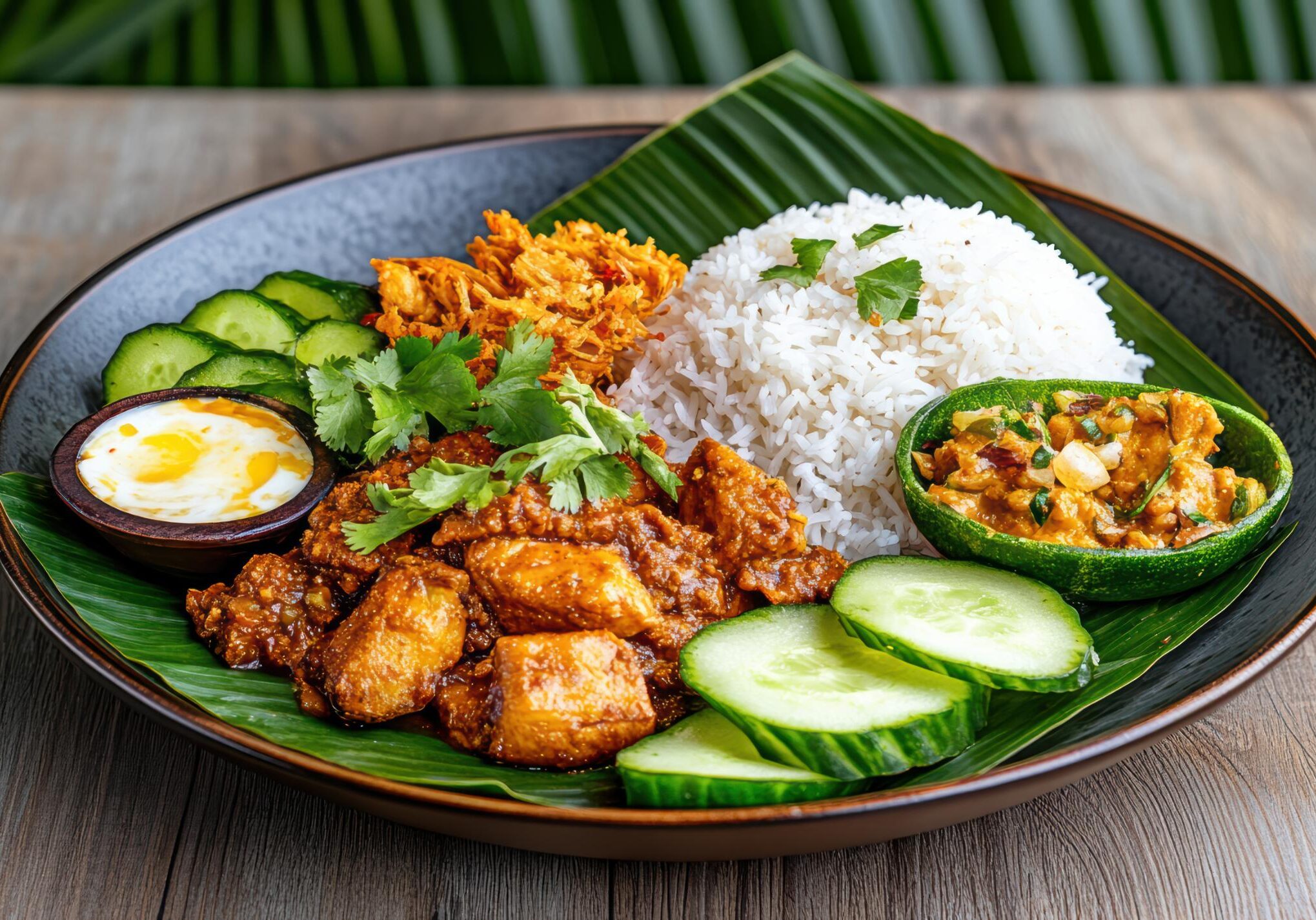
Within the sanctuary of every Peranakan meal lies a narrative—one of lineage, contemplative tradition, and the artisanal devotion that infuses each carefully curated dish. Peranakan cuisine transcends mere culinary compilation; it embodies a living heritage, meticulously shaped by generations of craftspeople who channel their refined sensibilities into preserving authenticity while embracing thoughtful innovation. From the chef-proprietor of a Michelin-starred Peranakan establishment to the contemplative home practitioner, every plate serves as testament to the distinctive cultural tapestry and storied legacy of Singapore.
Establishments such as Blue Ginger and Godmama exemplify this artisanal approach, with chef-proprietors who demonstrate profound commitment to honoring their ancestral roots while introducing sophisticated interpretations to time-honored preparations. Whether presenting a treasured familial recipe for ayam buah keluak or crafting a mindful reinterpretation of traditional favorites, these curated sanctuaries invite discerning guests to partake in the narratives and contemplative memories that render Peranakan cuisine so extraordinary.
Dining within these refined establishments becomes a meditation on heritage and innovation, where each meal emerges through meticulous craftsmanship and purposeful intention. The flavors resonate with bold sophistication and contemplative depth, the atmosphere emanates serene warmth and exclusive invitation, and the experience fosters genuine connection—precisely as it has throughout generations. Through sharing the stories that breathe life into these recipes, Peranakan restaurants in Singapore offer far more than sustenance; they bring the essence and spirit of a community to every carefully appointed table, transforming each meal into a truly transcendent journey through tradition and refined taste.
As Peranakan cuisine continues to gain recognition, it also opens doors for a new generation of chefs eager to learn, reinterpret, and preserve this heritage. For aspiring culinary professionals inspired by Singapore's rich food culture, the evolving landscape presents meaningful pathways, especially as chef job vacancy in singapore increasingly value heritage-driven, story-led cuisine.
Modern Peranakan Restaurant Evolution
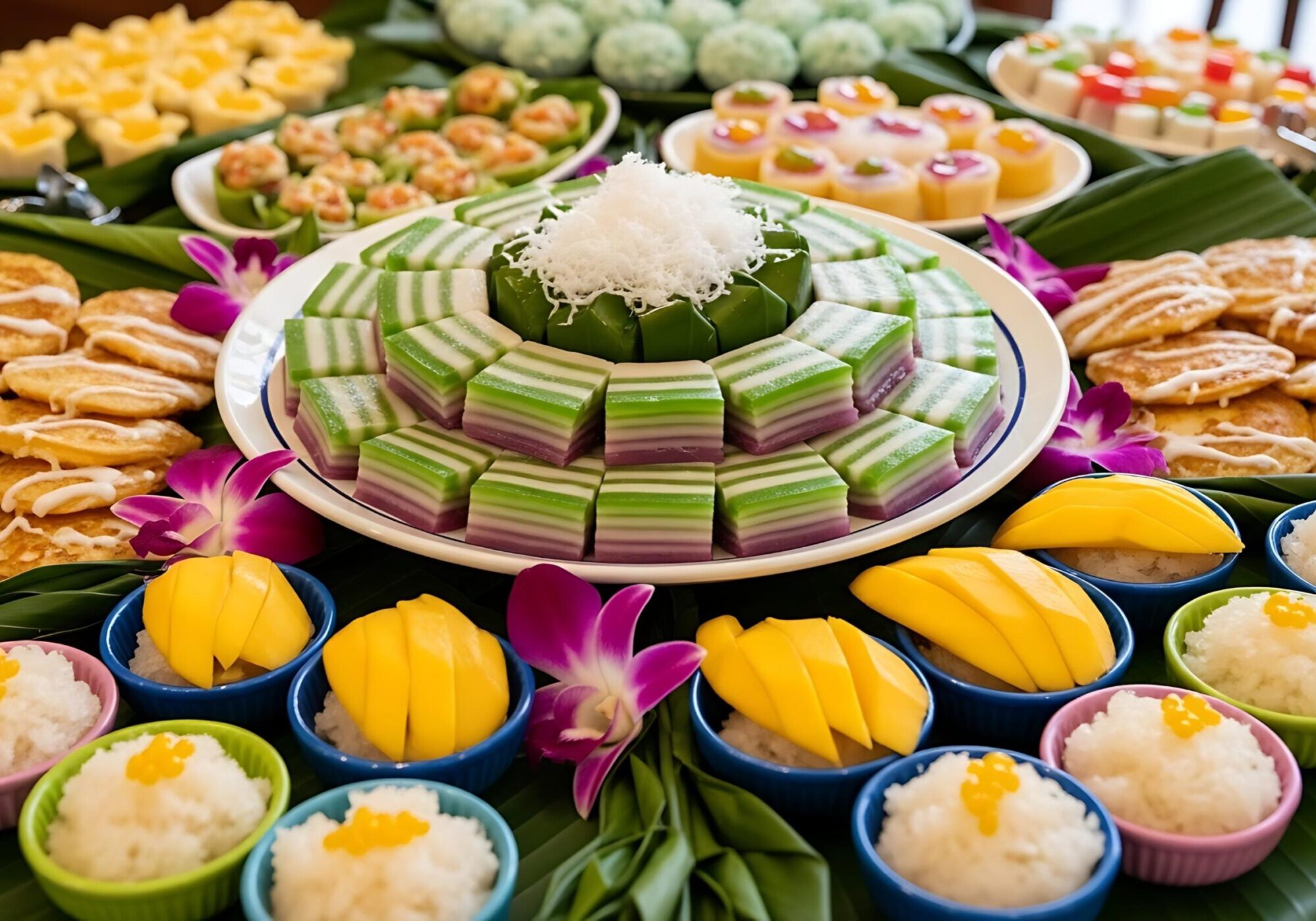
As Peranakan cuisine gains global recognition, a new wave of chefs is experimenting with tradition. These innovators breathe fresh life into classic recipes, offering modern twists that appeal to today's diners. They might refine a dish's presentation, lighten a sauce, or incorporate luxury ingredients, ensuring that Peranakan food remains relevant for the next generation. At the same time, traditional establishments like Guan Hoe Soon continue to champion time-honored recipes, preserving the culture's essence. This balance of innovation and authenticity is what makes the Nyonya dining scene in Singapore so vibrant. For more recommendations, explore affordable teochew restaurant across Singapore and discover where tradition truly comes alive.
Dining Tips for Guests
To fully enjoy your Nyonya dining experience, keep these tips in mind:
- Reservations: Popular spots like Violet Oon Singapore and Guan Hoe Soon can fill up quickly, especially on weekends. Book ahead to avoid disappointment.
- Family-Style Meals: Peranakan food is meant to be shared. Dining in a group allows you to sample a variety of dishes.
- First-Timers: For those new to Nyonya cuisine, start with signature dishes like ayam buah keluak, babi pongteh, and laksa lemak.
- Pair With Wine: Many modern Peranakan restaurants offer wine pairings to complement the complex flavors of the dishes.
Violet Oon Singapore: Setting the Gold Standard
Few names are as synonymous with Peranakan cuisine as Violet Oon Singapore. Known for its elegant interiors and polished service, Violet Oon's restaurants have become a favorite for weddings, corporate events, and family gatherings. The menu bridges tradition with modern appeal, ensuring that every dish—from sambal buah keluak to beef rendang—is a representation of Peranakan heritage.
- What Makes It Special: The attention to detail extends beyond food. From the porcelain plates to the friendly, knowledgeable staff, every element is designed to create a memorable dining experience.
A Unique Culture Worth Celebrating
Dining at a Nyonya restaurant is more than a meal—it's an opportunity to engage with a unique culture. The intricate preparation of dishes like ayam buah keluak reflects a labor of love, while the communal dining style encourages connection and storytelling. In Singapore, these restaurants serve as cultural ambassadors, offering visitors a taste of Peranakan heritage that is both authentic and evolving.
A Legacy to Cherish
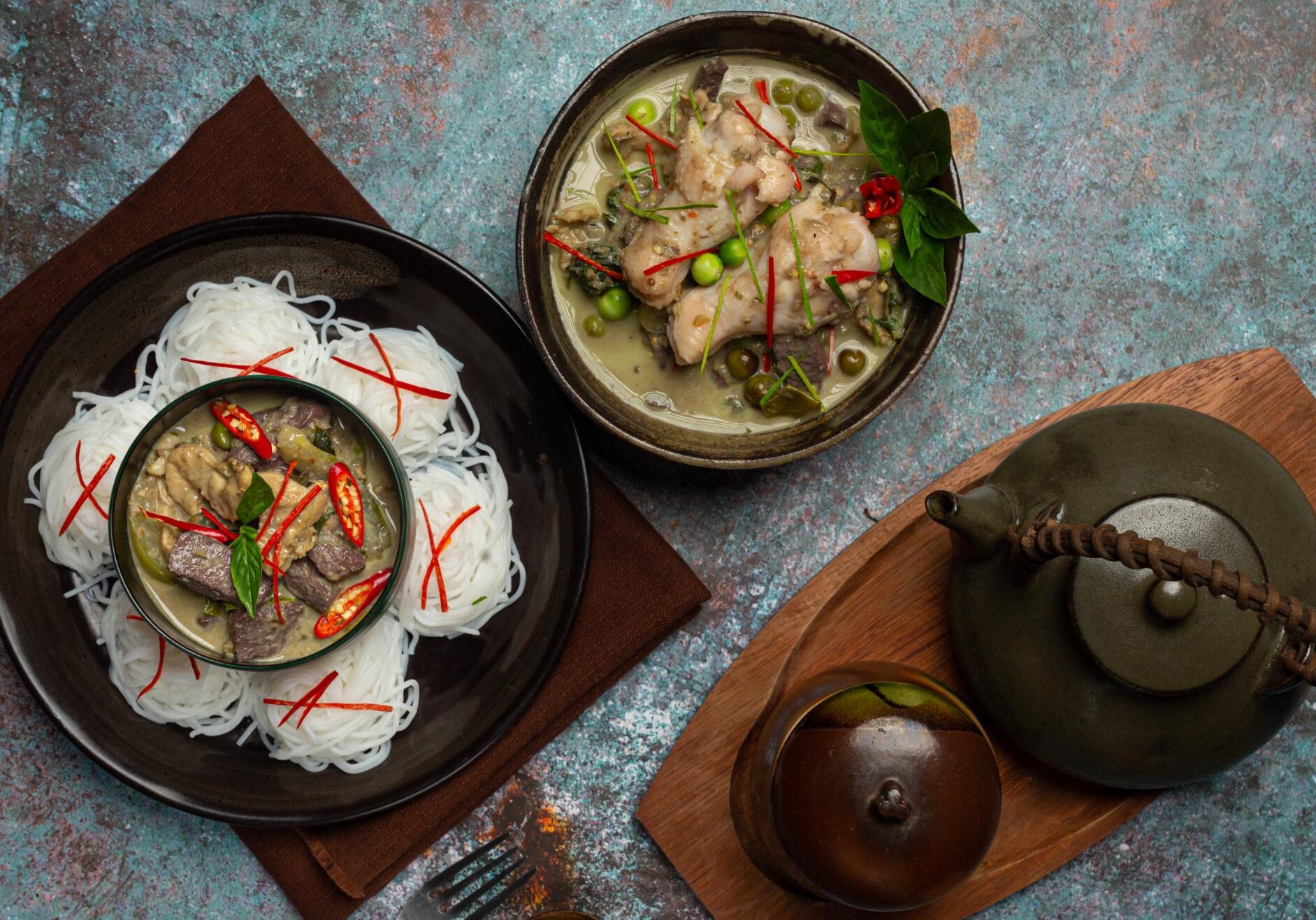
The enduring popularity of Peranakan cuisine in Singapore is a testament to its universal appeal. Whether you're exploring modern Peranakan restaurants like Candlenut or savoring heritage recipes at Guan Hoe Soon, you're participating in a tradition that has been lovingly preserved for generations. So gather your family, invite your friends, and embark on a culinary journey that celebrates history, flavor, and the rich tapestry of Nyonya Singapore. Fine dining or casual, traditional or contemporary, there's a Peranakan table waiting to welcome you today.