
The Quiet Mercy of Dinner After a Long Day
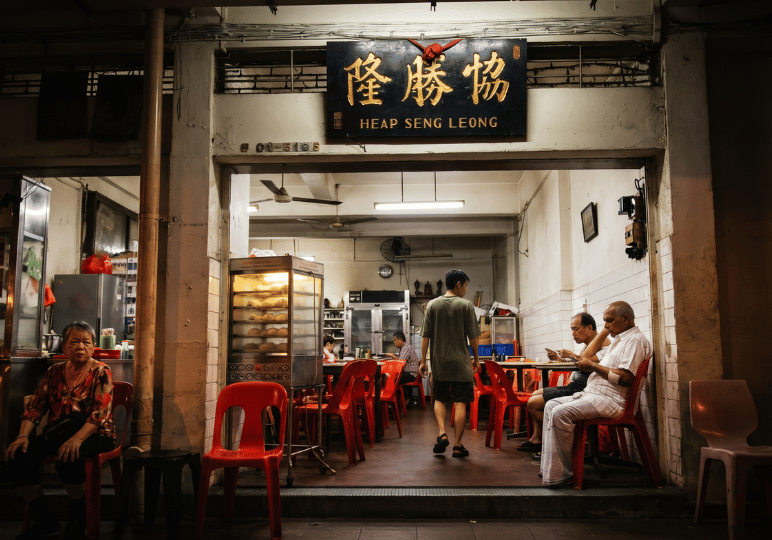
There are dinners planned weeks in advance, dressed in good lighting and expectation. Then there are the dinners that happen because the day has finally ended, and the body is asking for something warm, familiar, and kind.
These are rarely the meals people photograph first. They are not always served in the most beautiful rooms or announced by special occasions. Sometimes they arrive in a bowl of soup, a plate of rice, a late-night noodle order, or a familiar dish from the place downstairs.
Yet after a long day, an ordinary dinner can feel almost generous.
It does not ask us to celebrate. It does not require us to be impressive, charming, or fully present. It simply gives us somewhere to sit, something to eat, and a few minutes in which the noise of the day can loosen its grip.
Perhaps that is why comfort often lives in simple food. A meal after work has a different purpose from a birthday dinner or an anniversary reservation. It is not trying to mark a milestone. It is trying to return us to ourselves.
In Singapore, this kind of dinner is everywhere if you know how to notice it. A quiet table at a neighbourhood coffeeshop. A familiar order at a hawker centre. A small restaurant still glowing after office hours, filled with people who have carried the day in with them.
Some arrive alone, scrolling through their phones between bites. Some come in pairs, speaking softly because there is no energy left for performance. Others sit with family, letting the meal do most of the comforting.
The food does not need to be extraordinary. In fact, that may be the point.
After a long day, we often do not want surprise. We want recognition. We want the dish that tastes the way we remember it, the server who does not rush us, the table that lets us be quiet. We want the small relief of choosing something we already trust.
Special occasion dining gives us memory in grand gestures. Ordinary dinners give us memory in repetition.
They become part of the week’s rhythm. The meal after a difficult meeting. The late dinner after rain delays the commute. The simple bowl eaten when the day has asked too much. These meals may not become stories immediately, but they settle somewhere quietly.
Over time, they teach us that comfort is not always dramatic.
Sometimes it is steam rising from a bowl. Sometimes it is the first spoonful after hours of holding yourself together. Sometimes it is the feeling of being fed without needing to explain anything.
The meal after a long day reminds us that dining is not only about pleasure, discovery, or occasion. It is also about recovery.
And perhaps that is why these ordinary dinners matter so much.
They meet us at our least polished, ask very little in return, and offer the simplest kind of care: warmth, familiarity, and the permission to begin again tomorrow.