
Aesthetic Restaurants in Singapore: Why Some Dining Rooms Feel Better Than Others
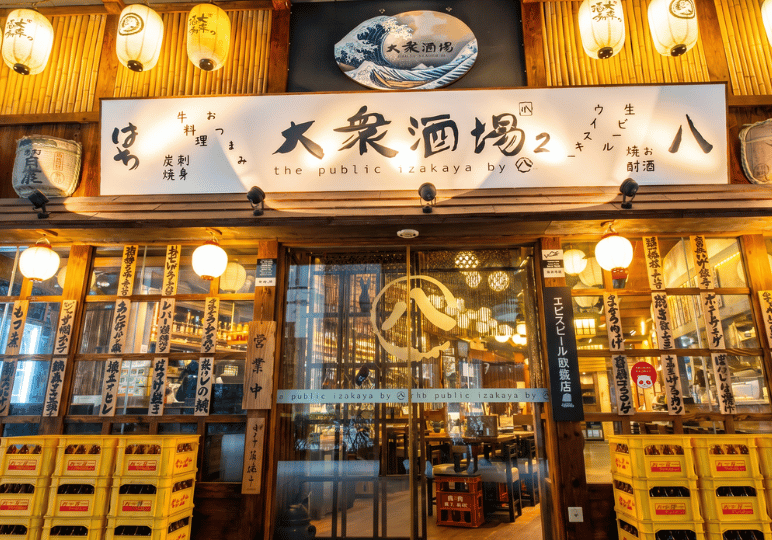
The first time I noticed it, I couldn't explain why. I'd walked into one of the many aesthetic restaurants in Singapore that looked perfect online: soft lighting, marble tables, a wall of greenery made for the camera. Yet, twenty minutes in, I wanted to leave. The chairs were stiff, the music too loud to talk over. Meanwhile, the prettiest corner sat empty behind us.
A week later, I ate at a quiet hidden gem in Tanjong Pagar with none of that polish. Worn wooden chairs. One large window. I stayed for two hours, completely at ease.
That's when it clicked: a beautiful restaurant and a restaurant that feels good are not always the same thing.
The spaces that stay with you do something harder than photograph well. They make lighting, sound, seating, service, and food work together to create a mood. Here’s how to find a spot where you want to savor delicious food with good company.
What Actually Makes Aesthetic Restaurants Feel Good in Singapore
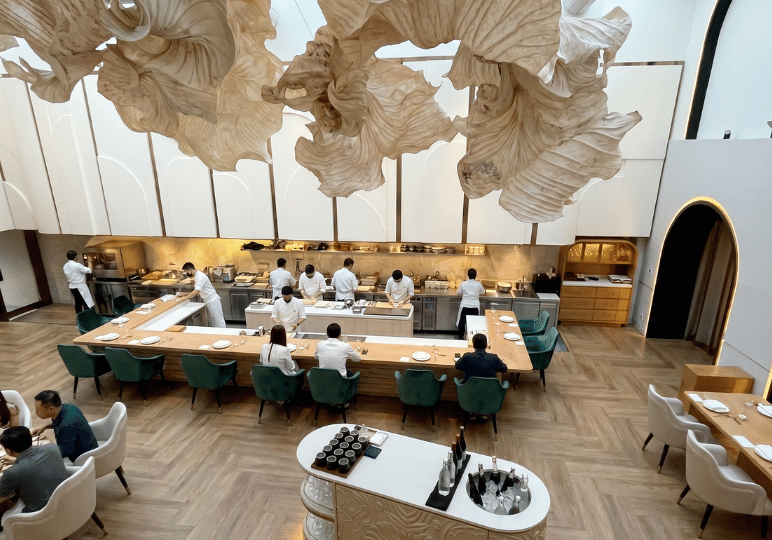
Tatler Asia once noted a restaurant's interior can "make or break" the meal. I'd say the interior is part of the meal. You taste it without realizing.
Among the best Singapore restaurants, the rooms I love share quiet qualities:
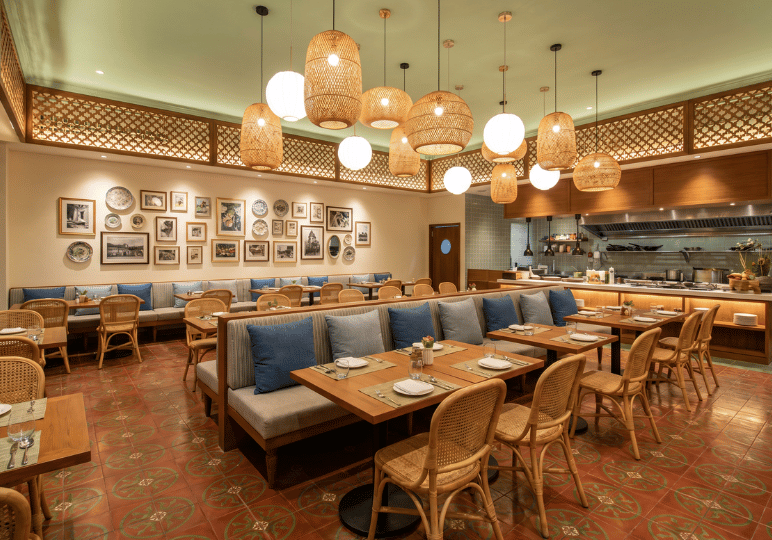
- Lighting that flatters food and people. Warm, low light at dinner; bright, natural light at brunch. Harsh overhead lighting does no favors.
- Comfortable spacing between tables. You shouldn’t overhear the neighboring table or feel a stranger’s elbow.
- Chairs you can sit in for hours. Often overlooked but essential.
- Acoustics that let you talk. Raising your voice by the second course means the room has failed.
- Clear design identity. Not random decor chasing trends but a strong point of view. Think the heritage soul of Burnt Ends or the French-Riviera warmth of Merci Marcel.
- Service matching the room’s mood. Calm rooms deserve unhurried service; lively ones can carry brisker energy.
- Food suited to the setting. Expect dishes that complement the space, from fragrant rice bowls with tender chicken rice to spicy hot dishes like chilli crab or chicken satay.
- A natural photo moment. One that’s simply there if you want it, not staged to make the whole place feel like a set.
Local's Tip: The best-designed rooms rarely announce themselves. You feel relaxed before you can say why. That ease is design working quietly in the background.
How to Match Singapore Restaurants to Your Mood and Occasion
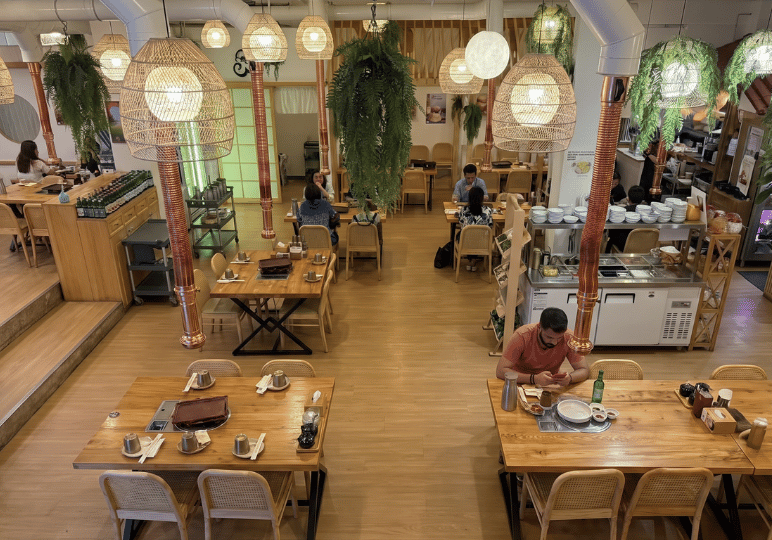
"Cute" and "beautiful" are not interchangeable.
A cute restaurant feels light, playful, casual, a perfect spot for weekend brunch with local coffee or a fun way to enjoy popcorn chicken and truffle fries. A beautiful restaurant feels polished, sometimes cinematic, better for anniversaries or milestone dinners with loved ones. Choosing the wrong one can quietly flatten a lovely evening.
Here are pairings I trust among the best restaurants or restaurants in Singapore:
- Brunch or birthday lunch: bright, naturally lit spaces with room to gather. The lush greenery near Singapore Botanic Gardens or around One Fullerton offer perfect spots.
- Date night or romance: warm lighting, generous spacing, low noise. The dim, dramatic rooms around Tanjong Pagar and Burnt Ends excel here.
- Celebrations with friends: shareable plates and lively energy, like the smoky buzz of Burnt Ends in Dempsey.
- View-led occasions: rooftop or hotel restaurants such as Marina Bay Sands or Lantern at Marina Bay, where Singapore's skyline and panoramic views become part of the experience.
- Proposals or quiet anniversaries: less about photos, more about privacy, reliable service, and venues that arrange small touches.
Local's Tip: Match the restaurant to the feeling you want to leave with, not just the photo you want to post. The photo fades. The evening doesn’t.
A Step-by-Step Guide to Choosing the Best Singapore Restaurants
Planning a meal that matters? These steps save disappointment:
Step 1: Decide the mood first
Name the occasion: brunch, date night, birthday, girls' lunch, or proposal. Each calls for a different kind of room.
Step 2: Check photos, then read real reviews
Official photos show the dream; customer photos show the reality. Look for true lighting, table spacing, portion sizes, and whether the space feels cramped.
Step 3: Match the restaurant to the time of day
- Natural-light cafes shine in the morning or early afternoon.
- Rooftop venues come alive at sunset. Slots fill fast and may need deposits.
- Romantic dining rooms glow best at dinner with warm lighting.
Timing is part of the design.
Step 4: Budget properly
Beautiful rooms often mean higher costs. Typical Singapore ranges:
- Cute cafes and brunch spots: S$20 to S$45 per person
- Casual aesthetic restaurants: S$35 to S$80 per person
- Rooftop and hotel restaurants: S$80 to S$180 per person
- Fine dining aesthetic restaurants with tasting menus: S$180 to S$400+ per person
Remember: most add 10% service charge and 9% GST.
Step 5: Request the right table
For memorable occasions, ask early for a window seat with stunning views, a quiet corner, a booth, or outdoor table. Requests aren’t guaranteed but often honored.
Step 6: Dress for the room
For cafes, come as you are. For hotel restaurants, rooftop bars, and upscale dining, smart casual is safer. Dress codes protect the mood, and dressing well helps you feel at home.
Common Mistakes to Avoid in Singapore Restaurants
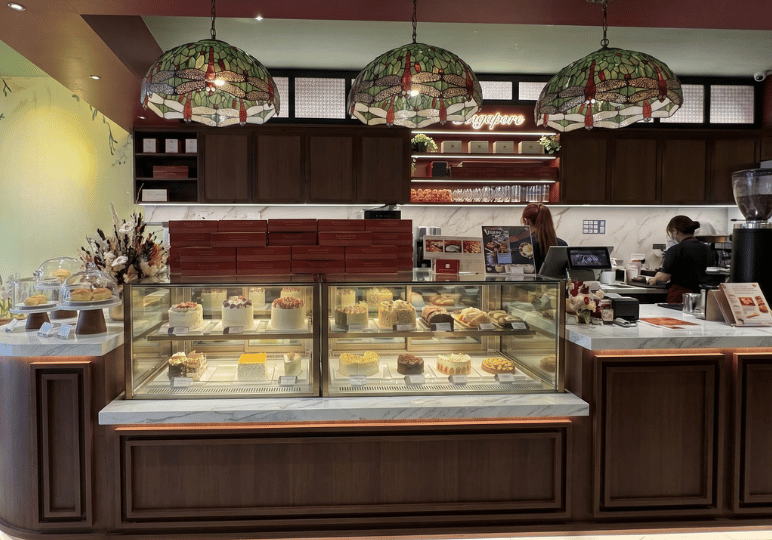
- Choosing by photos alone. Perfectly shot images can mislead.
- Ignoring menu prices. Beautiful spaces often mean pricier meals.
- Forgetting noise levels. A loud, hyped spot may ruin intimate dinners.
- Booking loud places for intimate moments. Choose calm for closeness.
- Assuming "beautiful" means "formal." Some of the most striking rooms are relaxed, colorful shophouse spaces.
- Trusting professional photos over customer ones. Gaps often show at the table.
Frequently Asked Questions About Restaurants in Singapore
- Is an aesthetic restaurant only good for photos?
No. A beautiful room must deliver on good food, comfort, service, and pacing. The strongest feel good long after the phone is put away. - Will an aesthetic restaurant be overpriced?
Sometimes. Design costs raise prices, but options range from S$25 brunch cafes serving chicken rice and chicken satay to S$300 fine dining with tasting menus. Beautiful doesn’t mean expensive, just intentional. - Is it suitable for dates, birthdays, or group meals?
Usually. The right venue depends on the occasion. A pastel cafe suits brunch; a dim, warm dining room suits anniversaries. - Can mall restaurants be genuinely beautiful?
Absolutely. Some mall and hotel restaurants have more thoughtful design than standalone spots. - When should I go if photos matter?
Off-peak: early lunch, weekday tea, or 5:30 pm dinner for softer light and fewer people.
Final Thoughts on Dining in Singapore's Best Restaurants
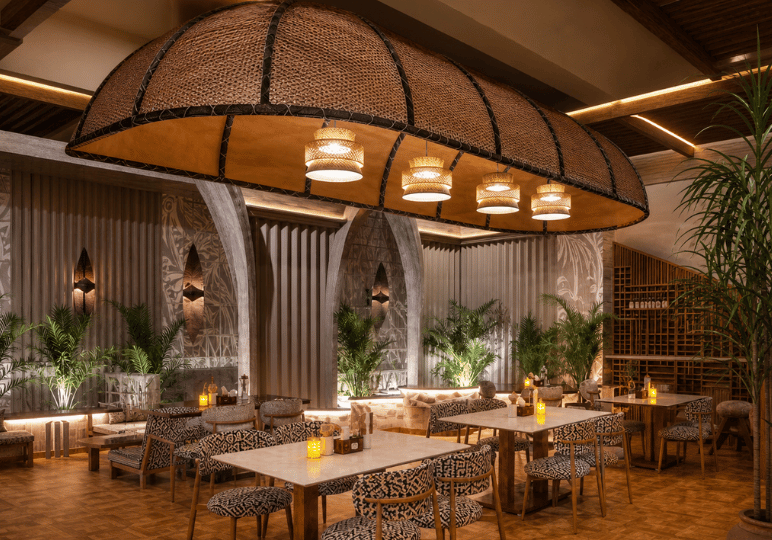
If I’d understood one thing earlier, it’s this: a room that photographs beautifully and one that feels beautiful are different, and only one stays with you.
Before booking the place everyone’s posting, pause. Picture the evening you want. Look for quieter signals: warm light, space to talk, a chair you won’t want to leave, and service matching the mood. Whether that leads you to a rooftop at Marina Bay Sands, a greenery-soaked table near Singapore Botanic Gardens, or a small shophouse in Tanjong Pagar, you’ll know it when you walk in.
Start with the feeling you want to carry home. The right room will meet you there.
What’s a dining room that made you want to stay longer than planned? That’s usually the one worth returning to.