
The Emotional Weight of Family Recipes Served in Restaurants
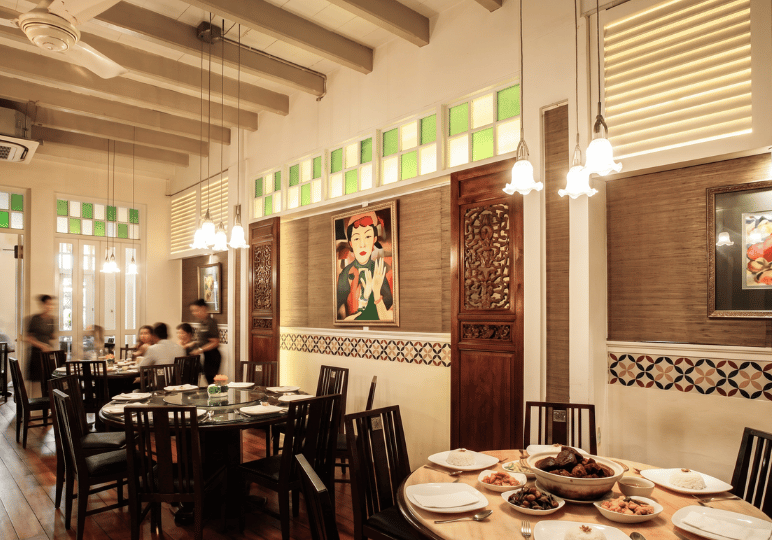
It started with a late dinner in an old Peranakan restaurant tucked inside a quiet neighborhood shophouse. By the time we arrived, most tables had already emptied. The staff moved slower now, chatting softly between orders while the smell of simmered spices lingered gently in the dining room.
We ordered ayam buah keluak almost instinctively. Not because it was the restaurant’s signature, but because certain dishes seem to carry emotional gravity before they even arrive at the table.
When the food came, nothing about it felt designed for spectacle. The plating was simple. The gravy slightly stained the edges of the bowl. But the first spoonful immediately revealed something harder to describe: the feeling that this recipe had been repeated hundreds, perhaps thousands, of times before reaching us.
Family recipes served in restaurants often carry a different kind of weight compared to trend-driven dishes. They are rarely optimized for efficiency or reinvention. Instead, they preserve habits, memories, and instincts accumulated across generations. The extra time spent pounding rempah by hand. The balance of sweetness adjusted subtly over decades. The cooking methods protected not because they are fashionable, but because changing them would feel almost personal.
In Singapore, many heritage restaurants quietly function as archives of migration and family history. A bowl of bak kut teh, a sambal recipe, or a plate of handmade dumplings often represents more than culinary skill alone. These dishes survive because someone insisted they should. For readers who enjoy tracing these stories through restaurants, Top Singapore Restaurants offers a wider look at the places where Singapore’s dining culture continues to be remembered, renewed, and served with care.
Perhaps that’s why diners become deeply attached to older restaurants. Even without knowing the family behind the recipes, people recognize sincerity when they taste it. The food feels anchored to memory rather than market trends.
What makes these meals emotionally lasting is not perfection. In fact, it is often the opposite. The slightly inconsistent portions, handwritten menus, or aging interiors make the experience feel human. They remind us that food was once primarily about care, continuity, and gathering people together.
Long after the meal ended, what stayed with us was not only the flavor of the buah keluak. It was the quiet realization that some recipes continue feeding cities emotionally long after the families who created them are gone.