
Why We Romanticize Old Restaurants and Aging Dining Spaces
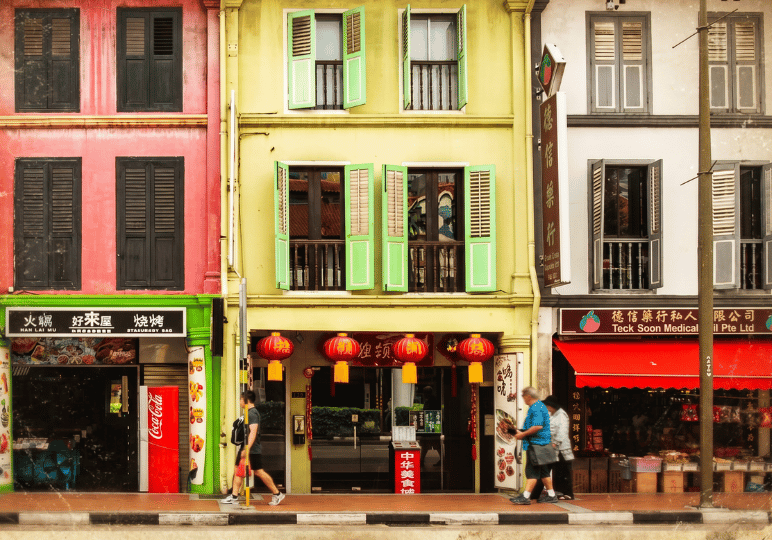
It happened during a weekday dinner in an old restaurant tucked between newer cafes and glossy storefronts near Chinatown. The signboard had slightly faded. The lighting leaned too yellow by modern standards. One corner of the vinyl booth was beginning to crack from years of use. Yet the moment we sat down, the entire space felt strangely comforting in a way newer restaurants often struggle to replicate.
The waiter moved through the room without urgency, greeting regulars before they even reached their tables. In the kitchen, plates emerged with the kind of consistency that only comes from repetition measured in decades rather than trends.
Nothing about the restaurant felt curated for social media, and perhaps that was exactly why it felt memorable.
In a list of Top Singapore Restaurants, it is easy to focus on new openings and glossy interiors, but some of the city’s most meaningful meals happen in places that look unchanged for years.
These dining rooms invite people to slow down, notice the familiar details, and feel how good food and steady hospitality can outlast trends—turning an ordinary dinner into a story worth returning to.
Old restaurants carry visible evidence of time. Scratched wooden chairs, handwritten menus, aging signboards, and imperfect layouts quietly remind diners that thousands of meals have already happened there before them. Unlike newly designed spaces built for immediate visual impact, aging dining rooms reveal themselves more slowly. Their beauty comes from endurance rather than novelty.
In Singapore, where the dining landscape changes rapidly, these restaurants often become emotional anchors within neighborhoods. People return not because the interiors are fashionable, but because familiarity itself becomes part of the dining experience. The uncle still preparing noodles behind the counter. The same ceramic plates used for years. The slightly uneven air-conditioning that regulars jokingly accept as part of the charm.
There’s also something reassuring about restaurants that resist reinvention. Modern dining culture constantly pushes restaurants toward upgrades, concepts, and visual refreshes. But older spaces quietly suggest that longevity can be its own form of confidence.
Perhaps that’s why we romanticize aging restaurants so deeply. They remind us that dining is not always about chasing the newest opening or the most refined experience. Sometimes, what people truly crave is continuity — the feeling that certain places remain steady even as the city changes around them.
In a fast-moving city like Singapore, old restaurants become more than places to eat. They become evidence that memory can live inside walls, routines, and recipes long after trends disappear.