
The Case Against Frictionless Luxury, Through Tea Room by Ki-setsu
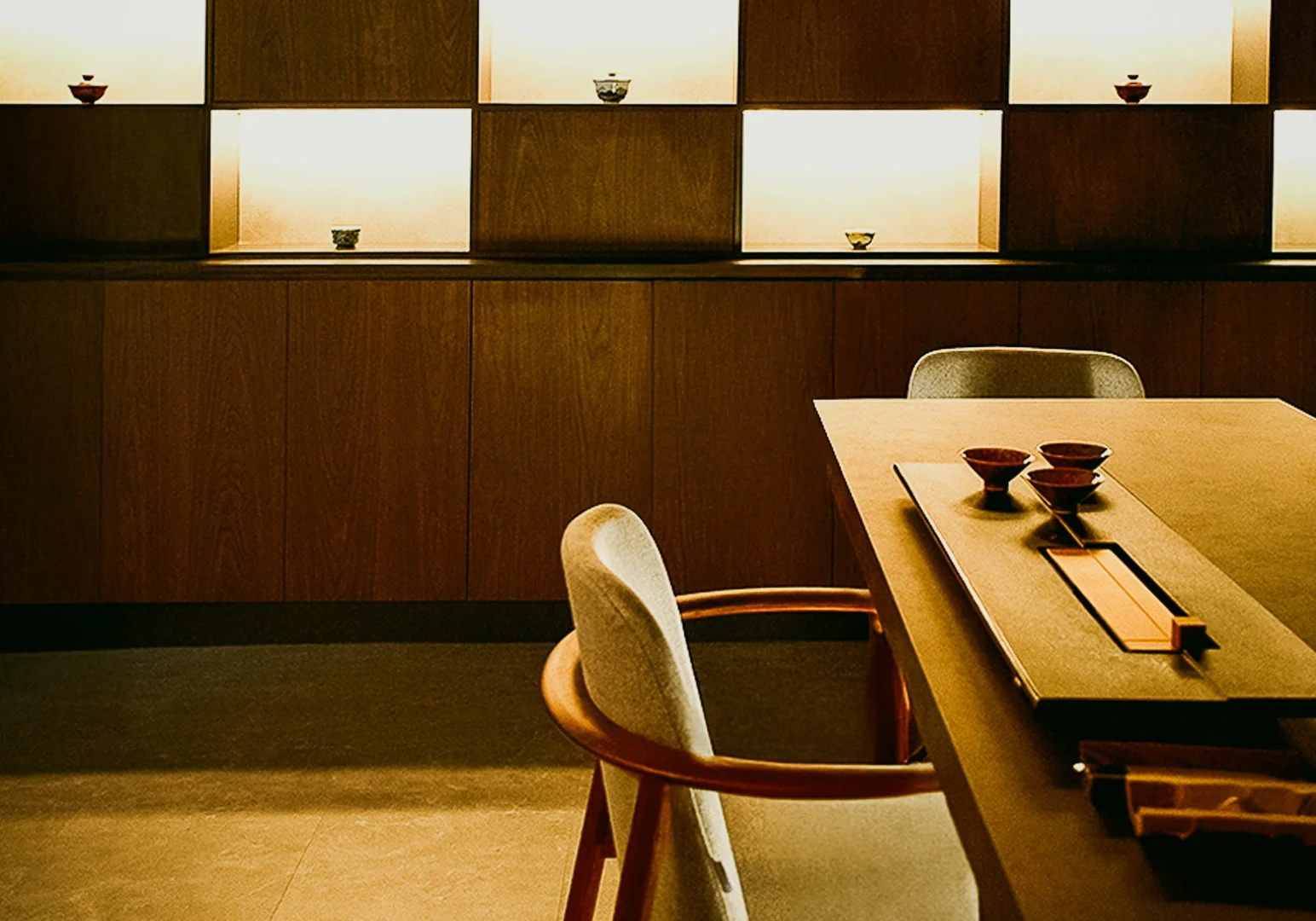
Singapore does not lack polished concepts.
There are plenty of rooms in this city that know how to look expensive, calm, or quietly exclusive. The problem is that many of them feel thinner the longer you sit with them. The room is attractive, the language is careful, the price point signals intent, but the experience itself does not hold up. What is marketed as luxury often turns out to be presentation doing more work than substance.
That is what makes Tea Room by Ki-setsu worth a closer look.
It is easy to dismiss it too quickly. A private Chinese tea sanctuary, reservation-only, tucked away from the usual pace of the city, can sound like the sort of concept Singapore does very well on paper. In a dining landscape where privacy and intimacy still shape how memorable an experience feels, that sense of restraint matters more than it first seems. But this is one of the rarer cases where the structure, the product, and the atmosphere seem to support one another instead of competing for attention. It feels less like a tea concept trying to look serious, and more like a serious tea room that understands why restraint matters.
Why It Feels More Convincing Than Most Tea-Led Concepts
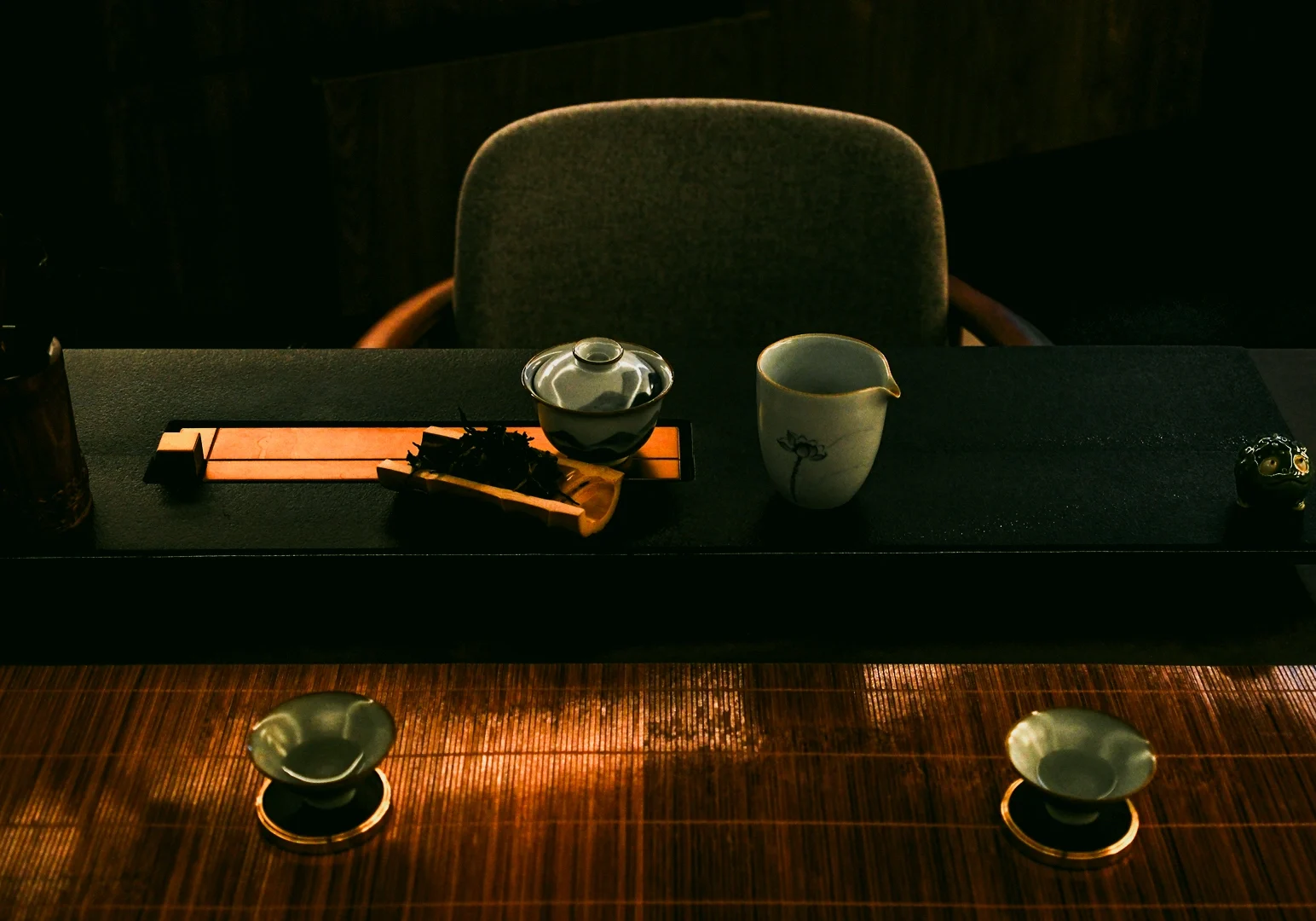
A lot of tea spaces in Singapore are pleasant. Far fewer feel fully resolved.
Some are essentially retail spaces with a more polished setting. Others lean heavily on mood, but leave the tea itself doing only part of the work. Tea Room by Ki-setsu feels stronger because it appears to have started with a clear point of view. The room is private. The sessions are booked in advance. The pace is controlled. Nothing about it suggests casual turnover or broad accessibility, and in this case that works in its favour.
The reason is simple: tea at this level needs more than atmosphere.
A proper session depends on sequencing, explanation, timing, and the ability to keep attention on the cup rather than on the distractions around it. That is difficult to achieve in a format built around walk-ins or fast movement. Here, the privacy does not feel decorative. It feels functional. The room is arranged in a way that protects the tea from becoming incidental.
That is one of the clearest signs that the place knows what it is doing.
The Tea Seems to Carry the Concept, Not the Other Way Around
That matters more than it sounds.
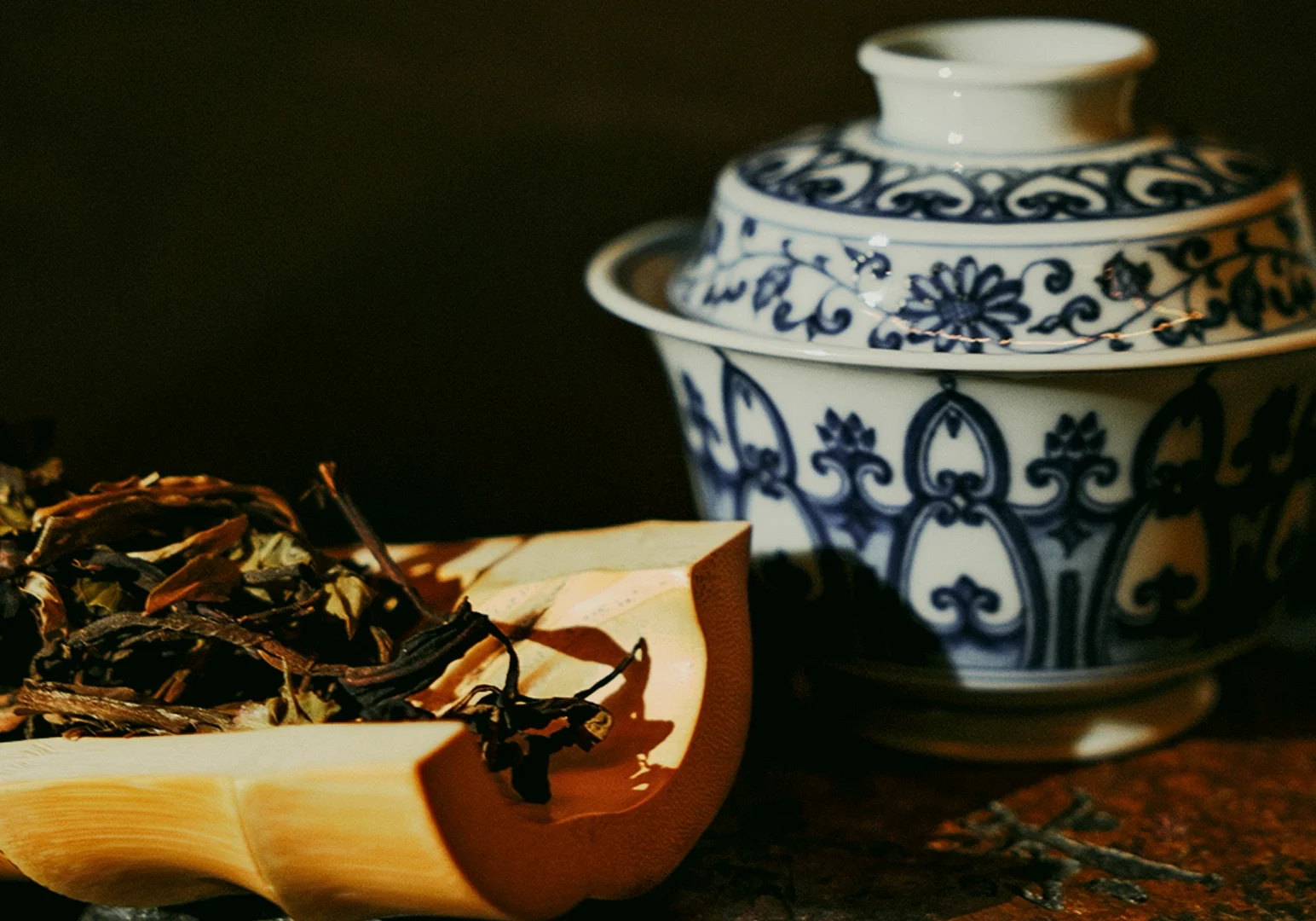
One of the easiest ways to spot a weak luxury concept is when the setting arrives before the substance. Beautiful room, soft lighting, careful storytelling, but the core product does not justify the amount of framing around it. Tea Room by Ki-setsu feels more credible because the tea itself appears to sit at the centre of the experience.
The premium pu-erh list is selective rather than expansive. Options like Huazhu Liang Zhi, Lao Ban Zhang, Gu Shu Hong Cha, Bing Dao, Yi Bang and Wan Gong suggest a room interested in depth, not variety for its own sake. The sourcing also gives the concept more weight. There is a seriousness to building a tea programme around leaves brought directly from Bulang Mountain and Yiwu in China, without relying on middlemen or broad-market convenience.
That sort of provenance does not guarantee a meaningful experience on its own, but it changes the burden of proof. It tells you the room is not trying to impress through abundance. It is trying to persuade through selectiveness.
That is usually the stronger route.
Why the Format Actually Helps
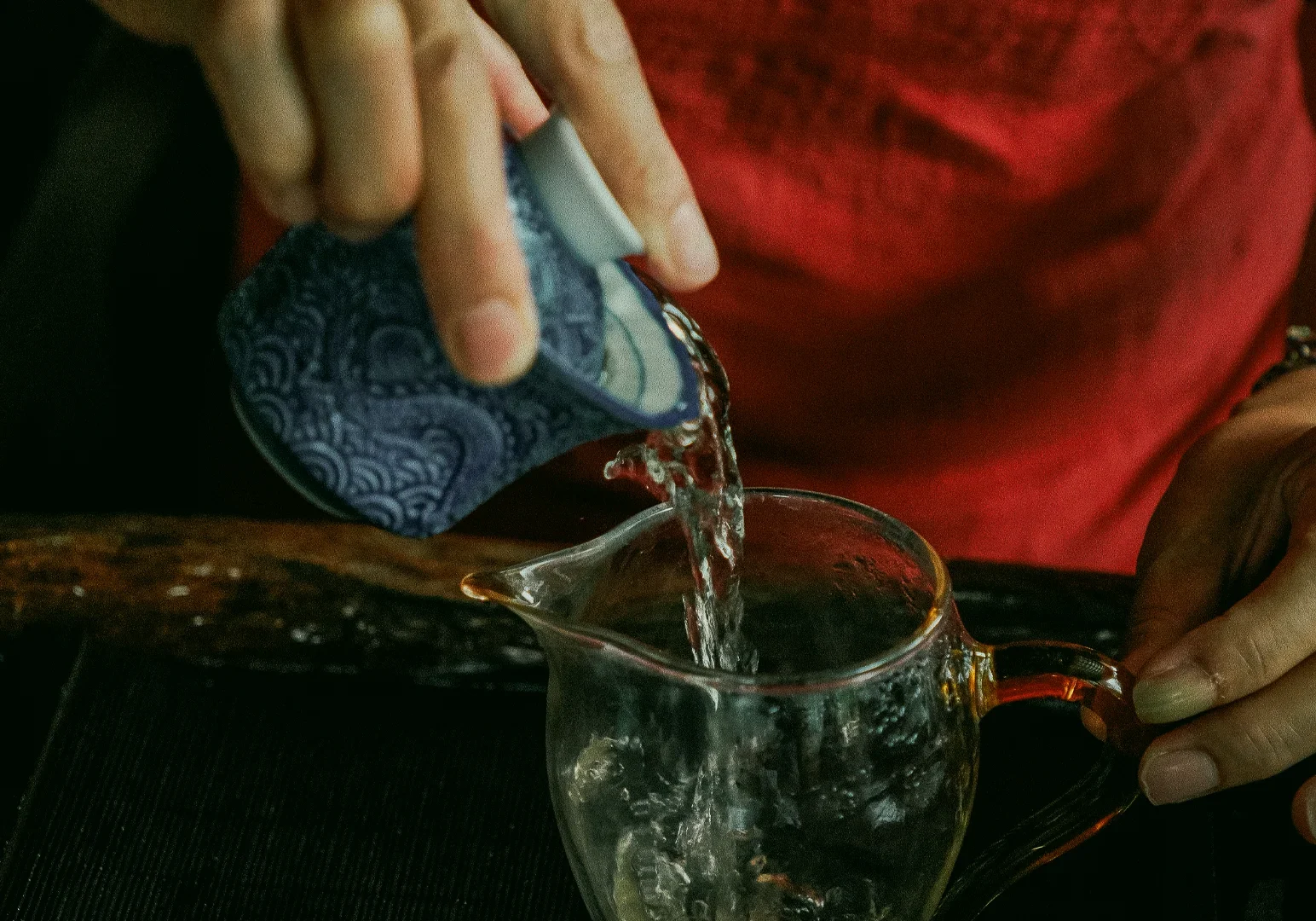
One of the more honest things to say about Tea Room by Ki-setsu is that it is not going to appeal to everyone.
If you want spontaneity, a quick browse or a casual tea stop between Orchard appointments, this is almost certainly the wrong place. The experience asks for time, and more importantly, it asks for attention. It does not seem designed for people who want tea as a background pleasure. It is designed for people willing to let tea become the main event.
That could make the place sound overly rigid. In practice, it makes it more coherent.
Too many luxury concepts try to chase incompatible goals at once: intimacy and scale, craft and convenience, exclusivity and easy availability. The result is often a polished compromise. Tea Room by Ki-setsu feels more disciplined than that. It has chosen a narrower lane and accepted the limitations that come with it.
That may be why it works.
The private structure, the smaller guest numbers, the length of the session, and the one-to-one attention between tea master and guest all point in the same direction. They do not just create an atmosphere. They create a framework in which the tea can actually register.
What Makes It Worth Taking Seriously
What ultimately gives Tea Room by Ki-setsu weight is not that it is unusual. Singapore has plenty of unusual concepts.
It is that the room seems to apply standards more often associated with serious dining than with lifestyle tea spaces. The best hospitality experiences are usually coherent in the same way. The sourcing supports the concept. The pace supports the product. The service protects the experience rather than distracting from it. Nothing major in the room works against the central idea.
Tea Room by Ki-setsu appears to meet that test.
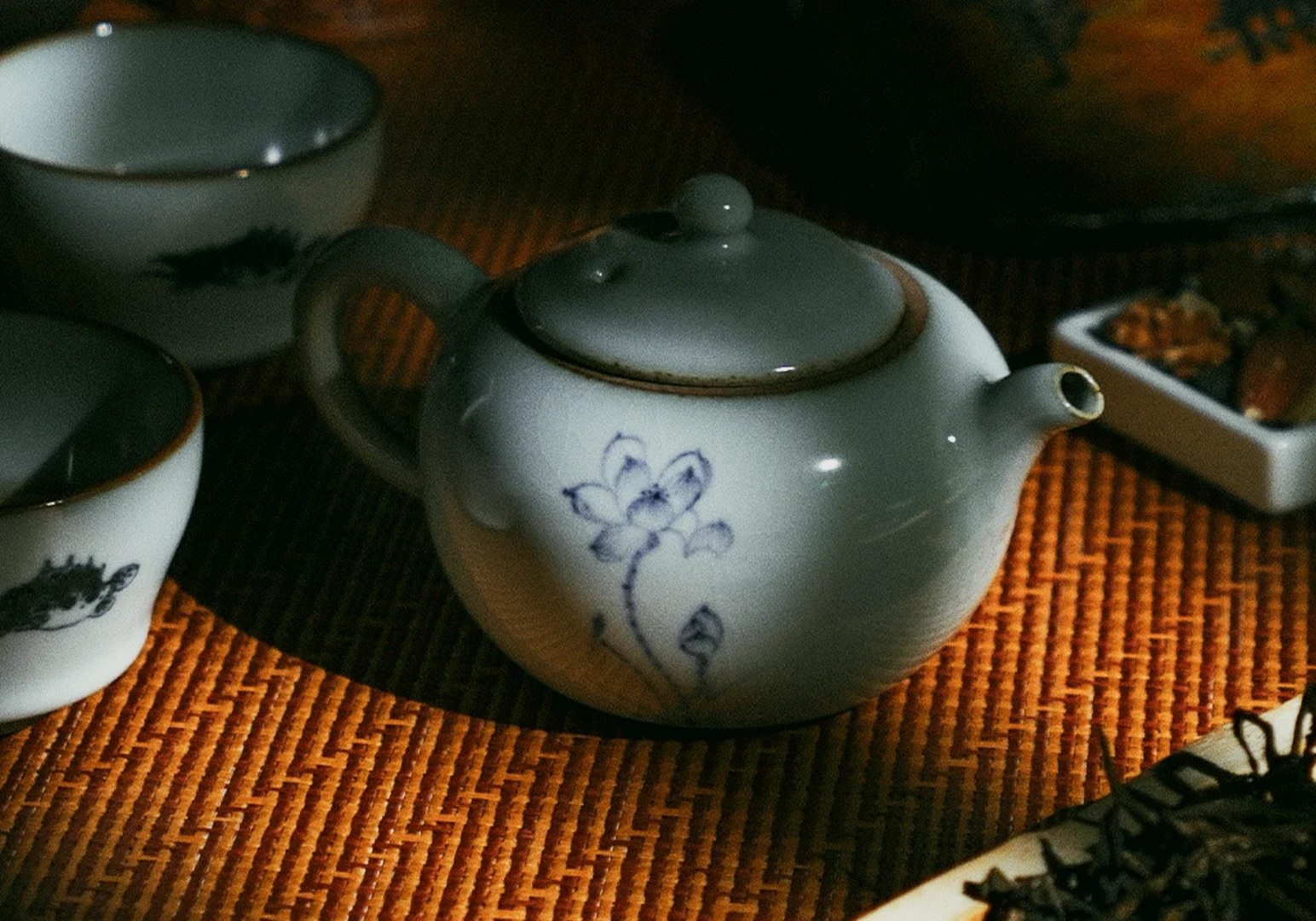
Even the teaware contributes to that sense of seriousness. When a room pays close attention to how tea is received, not just what is poured, it usually shows. The vessel stops being a decorative object and becomes part of the logic of the experience. That may sound subtle, but in strong hospitality concepts, subtle decisions are often where quality becomes visible.
This is also why the room deserves to be discussed within a broader Singapore dining conversation, even if it is not a restaurant in the conventional sense. A top hospitality destination does not have to serve a tasting menu to demonstrate rigour. Sometimes it is enough that a place has a clear point of view and the discipline to follow it through properly.
Tea Appreciation Experience Unlike Any Other
Tea Room by Ki-setsu works because it feels more rigorous than it first appears.
It would be easy for a concept like this to slip into luxury theatre: all mood, all suggestion, all scarcity and no real backbone. But the room seems to avoid that trap by staying close to the tea. The structure is tight. The product appears to justify the format. The atmosphere supports the experience instead of substituting for it.
That is what makes it persuasive.
For readers interested in a more immersive luxury tea experience, Tea Room by Ki-setsu is worth noticing not simply because it is private or difficult to book, but because it seems to know exactly what kind of hospitality it wants to offer, and, just as importantly, what it is willing to leave out in order to protect it.
In a city full of concepts that try to be everything at once, that kind of clarity is rare.